







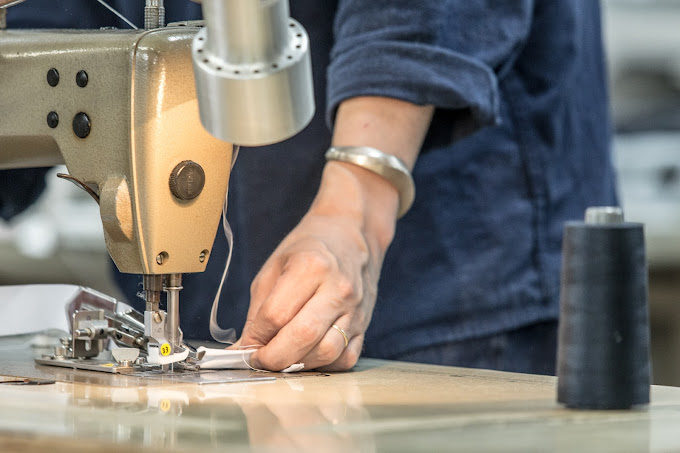
Caring for Garments
To help maintain the look of your garments in between washes we recommend:
• Spot clean small stains with water and if necessary, a mild, un-dyed soap.
• Use a sweater comb or stone to shave pills and lint off of sweaters
• Wear a washable cotton slip underneath specialty pieces to extend precious time between washings.
• Air clothing out between each wear.
• Keep cashmere and wool sweaters in a drawer with cedar blocks to repel moths. Additionally, lavender can be a lovely moth repellent.
Caring for Cashmere
Cashmere, a timeless and lofty fabric, relies on a bit of extra attention and care to maintain its longevity. In this effort, a cashmere comb is an indispensable tool. By effectively removing pilling, cashmere combs restore a garments’ original luster without the use of harsh chemicals, ensuring an environmentally friendly approach to fabric care.
Beyond cleaning, cashmere combs are ideal for rejuvenating sweaters that have been stored for long periods of time. To utilize the comb effectively, brush it gently over the garment’s surface, employing light strokes to restore its original shape and texture.
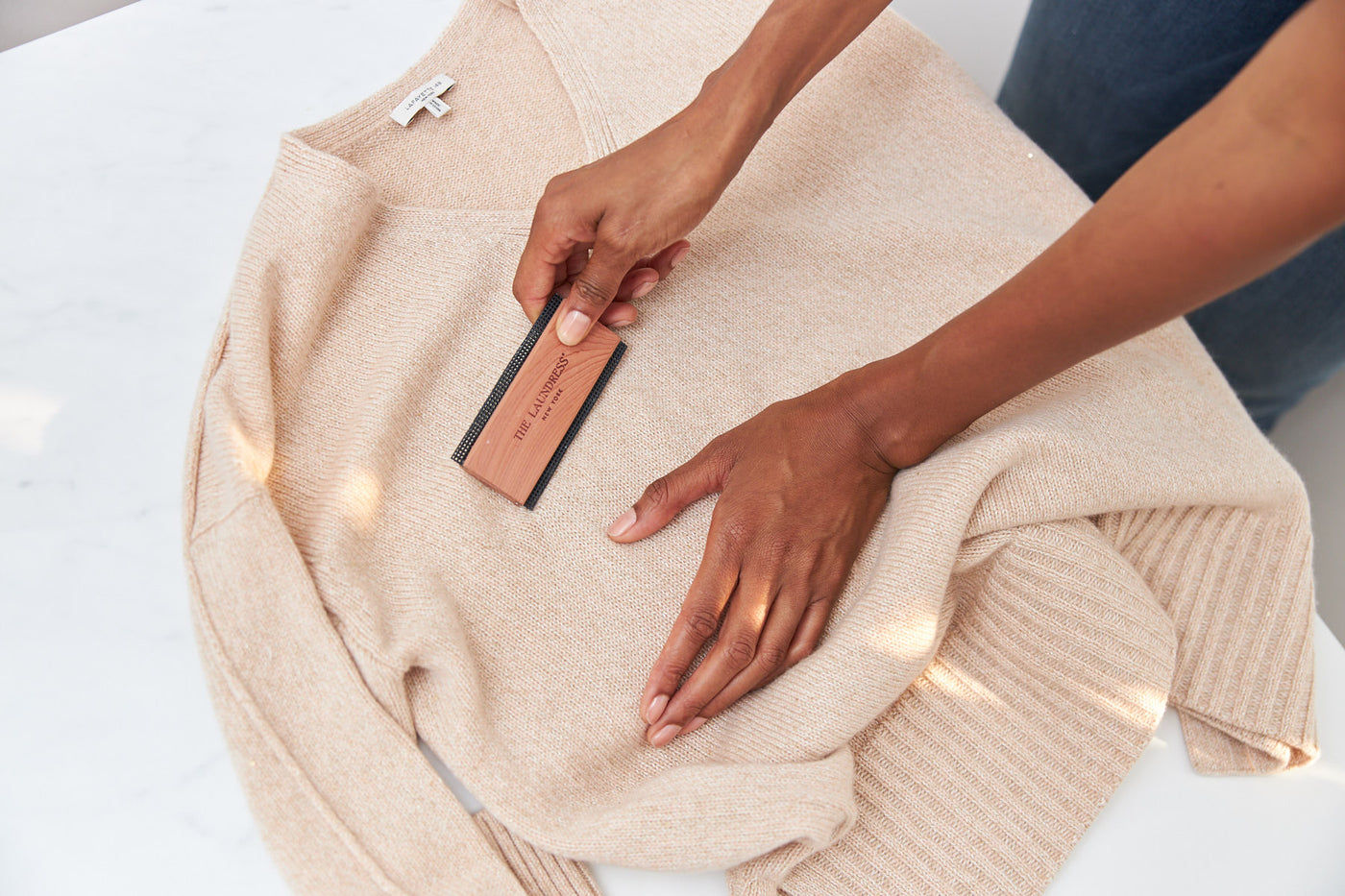
How Does A Cashmere Comb Work?
Before brushing the garment, spot test the comb on an inconspicuous area on the interior of the garment. If satisfied with the spot test, proceed with gently brushing the pilled areas of the garment’s face. Discard any remaining fuzz trapped in the comb’s screen. We recommend following the manufacturer’s instructions as combs vary from brand to brand.
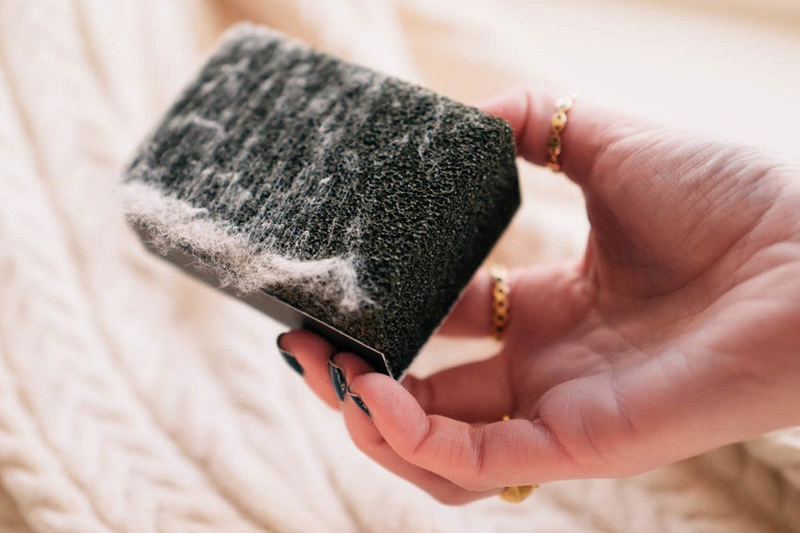
Should I use a Sweater Stone?
For various fabric types, including cashmere, wool, and upholstery, a sweater stone can be invaluable. Sweater stones are made from porous pumice stone (volcanic rock) that catches and pulls loose fibers from knits. At Santa Fe Dry Goods, we recommend cashmere combs over sweater stones as the stones can shed on the garment and the users’ hands. Sweater stones are less precise, and therefore should not be used on very delicate or loose knits.
Is it Safe to use a Fabric Shaver on Cashmere?
Though cashmere is prone to pilling in the same way wool sweaters are, we recommend taking extra care with cashmere. A manual brush is a much safer way to tackle pilling. The palm-size wooden block of a cashmere comb, like this one, features wire netting on each side. To use, simply run it over your sweater in a downward motion while applying gentle pressure.
To prevent pilling, employ these tools before and after washing your cashmere garments. With the right care, your cashmere pieces will maintain their exquisite appearance and feel for years to come.
Contrary to popular belief, cashmere does not require professional dry-cleaning. Cashmere is in the wool family, and therefore possible to care for at home. With cashmere handwashing is always safest to maintain its delicate and lustrous softness.
The best method to do so is to fill a basin with lukewarm water and wash with a cleanser made specifically for wool and cashmere. Dip the garment in the bath, gently swish it around and let it soak for up to half an hour. Afterwards, drain the water and rinse with cool, clean water. To dry, avoid the urge to wring the garment. This manipulates the fibers and can disfigure the piece’s shape. Instead, press out the water by rolling the garment up into a towel, and then hang dry.
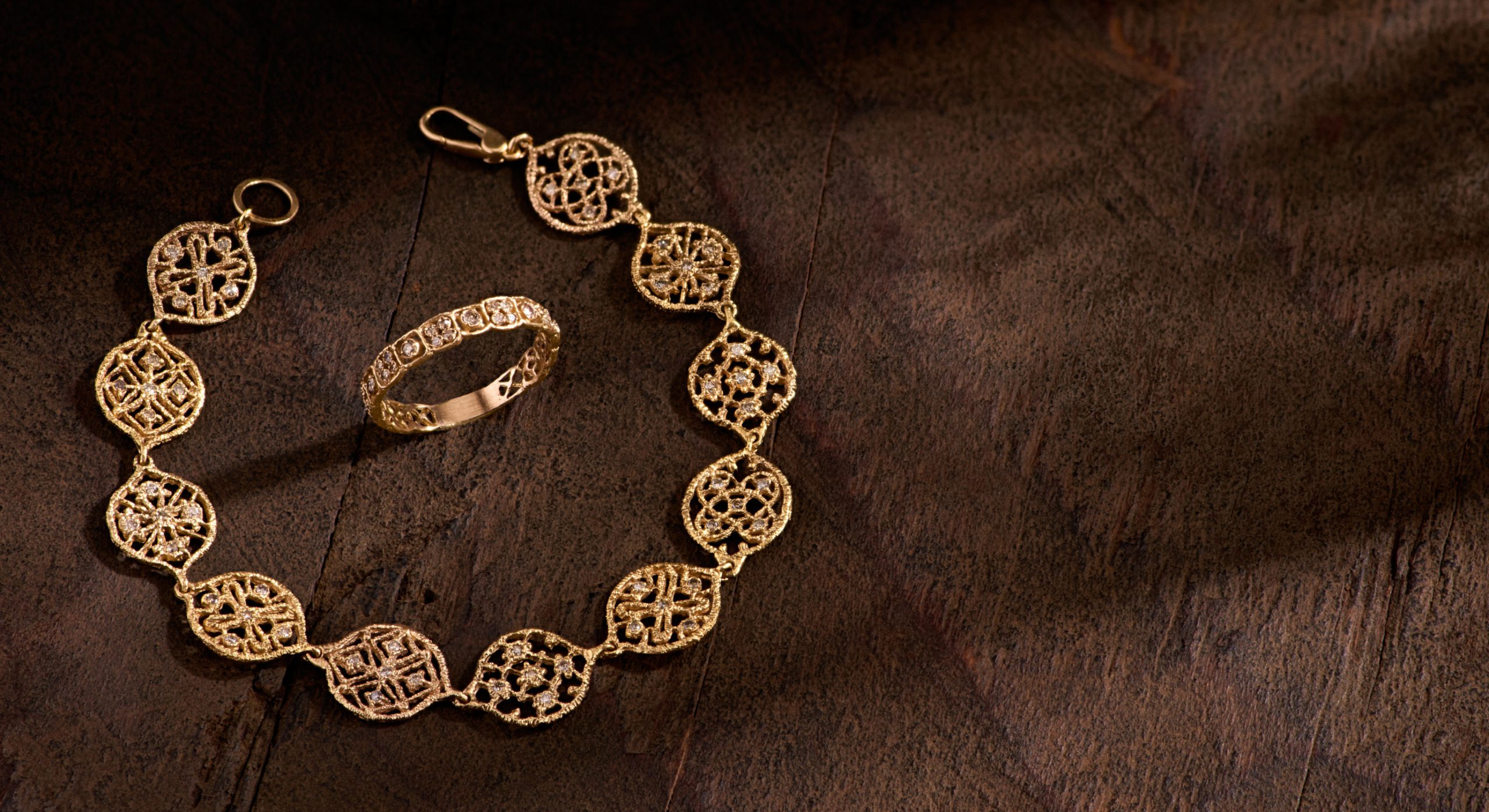
Caring for Jewelry
A few tips to give your jewelry the very best care:
We strongly recommend removing jewelry before sleeping, swimming, bathing or gardening. Leather and waxed cord pieces in particular should be kept away from water.
After removing necklaces, take care to re-clasp chains as this can reduce the likelihood of tangles and knots. Similarly, placing earbacks onto stud earrings after taking them off will help prevent them from rolling off a nightstand or getting lost in the bottom of a jewelry box.
In general we advise against using chemicals, commercial cleaning solutions or polishing cloths as they can alter the finish of your jewelry.
How to clean your jewelry:
Silver:
Sterling silver naturally tarnishes over time. White toothpaste is a great way to polish silver and bring back its bright shine. Simply rub a little bit of toothpaste onto your jewelry with your fingertips, a soft cloth or toothbrush and rinse well with water. Take care around any diamonds or gemstones.
Oxidized or blackened silver is a surface treatment and lightens softly over time with wear. Do not use polishing cloths or chemicals on oxidized silver as it will remove the finish. To clean, wash gently with soap and water. We like to use a gentle soap, like dish soap, to clean our pieces.
Gold
To clean, wash with warm soapy water, rinse and dry with a soft cloth. For a more thorough cleaning, soak your gold jewelry in a small bowl of warm water with a drop or two of non-detergent soap to remove any oils and loosen buildup. Remove after a few minutes, rinse and dry with a soft cloth.
Stones
To clean jewelry with stones, add a drop of soap and warm water to a bowl. Use a very soft toothbrush to carefully remove any dirt particles or debris from more intricate components and settings. Rinse thoroughly and dry with a soft cloth.
Leather
Leather will get softer with wear. If leather is exposed to water, this can cause it to crack, so it’s best to avoid water at all times.
Cord
Cord will get softer with wear, and may eventually need to be restrung. Waxed cord should be kept away from water and chemicals.
Jewelry Sizing:
Necklaces
Necklaces lengths range in size and are measured in inches from clasp end to end. To check your preferred length, you can measure a necklace that you already wear, or use a piece of string. To measure: unclasp the necklace, lay it flat on a ruler and measure end to end, including the clasp.
Rings
We recommend getting sized in store at Santa Fe Dry Goods or by a professional jeweler locally. For international ring sizes you can find a conversion chart on findmyringsize.com.