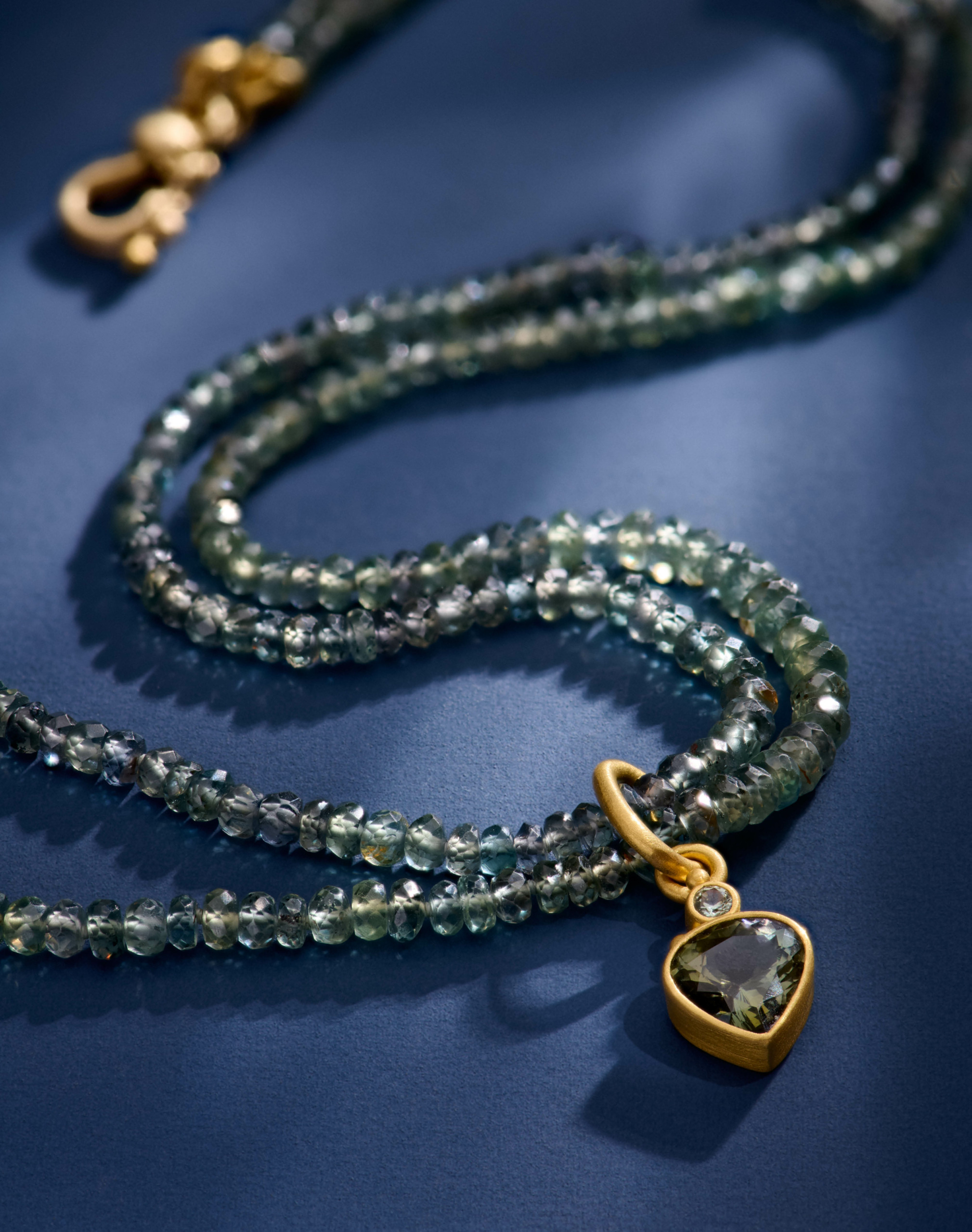
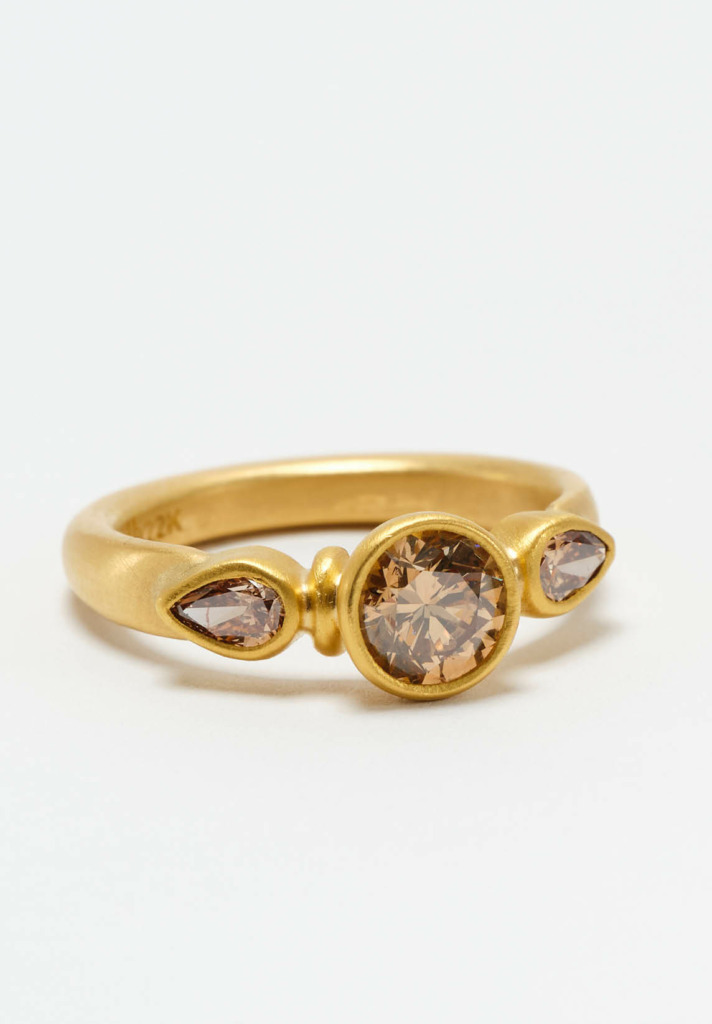
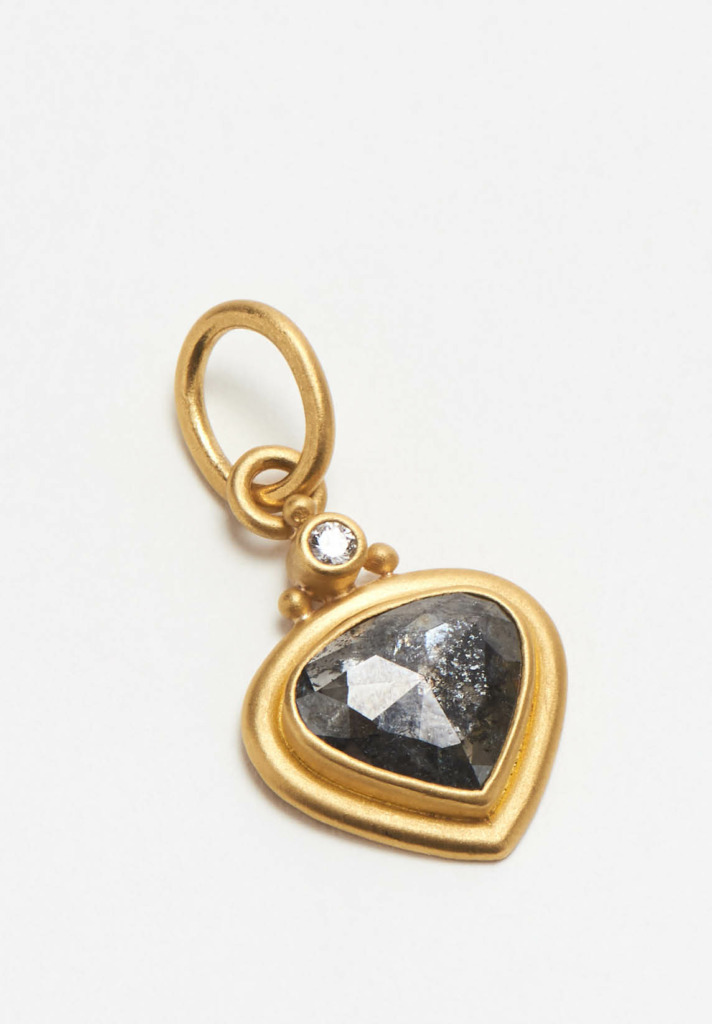
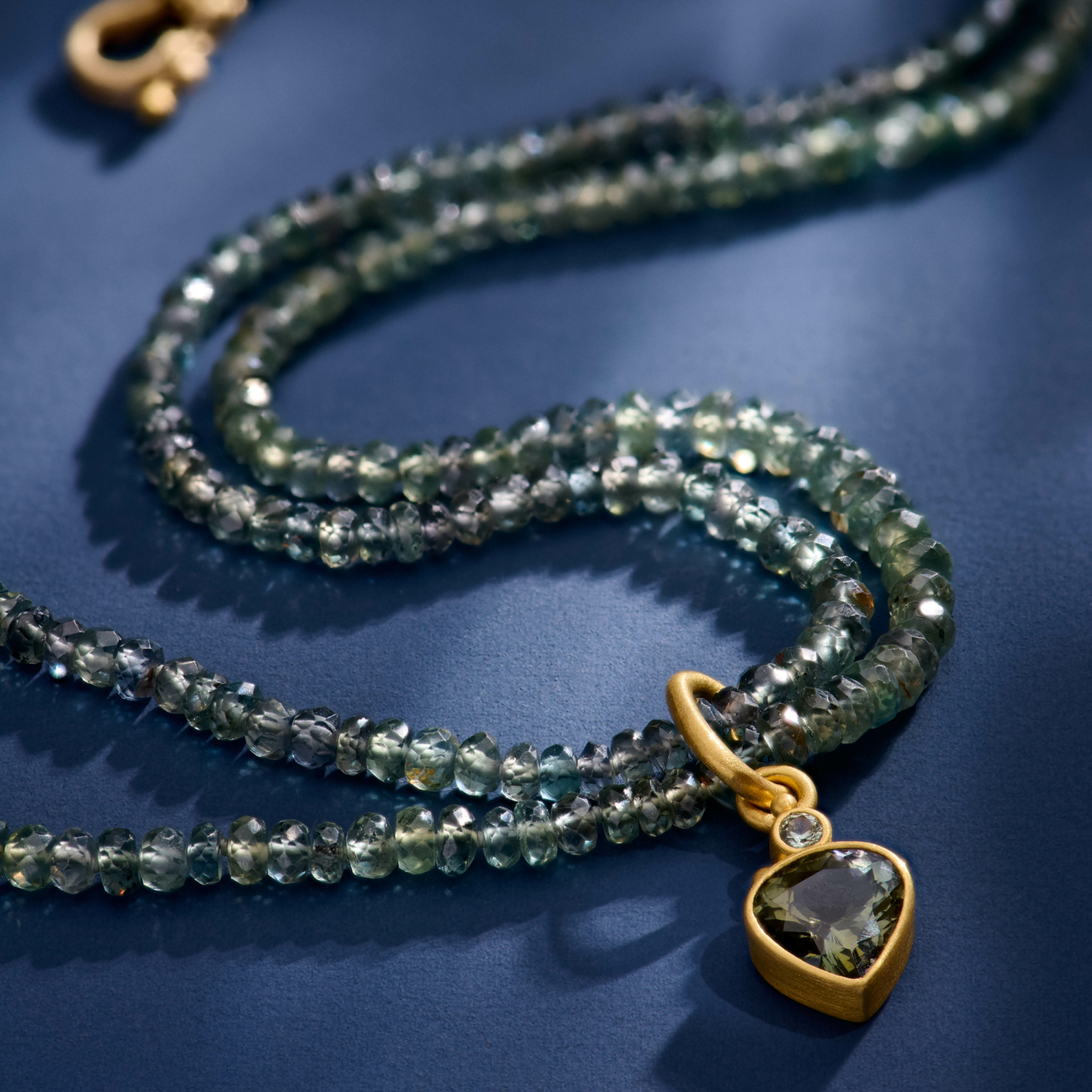
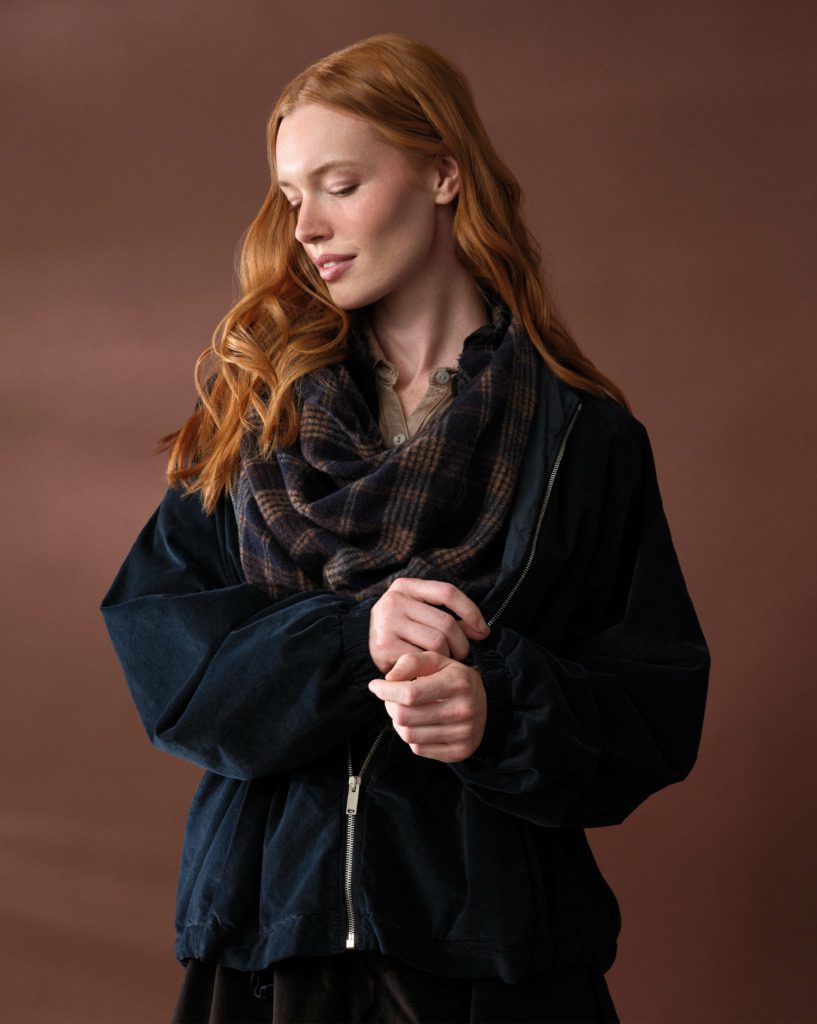
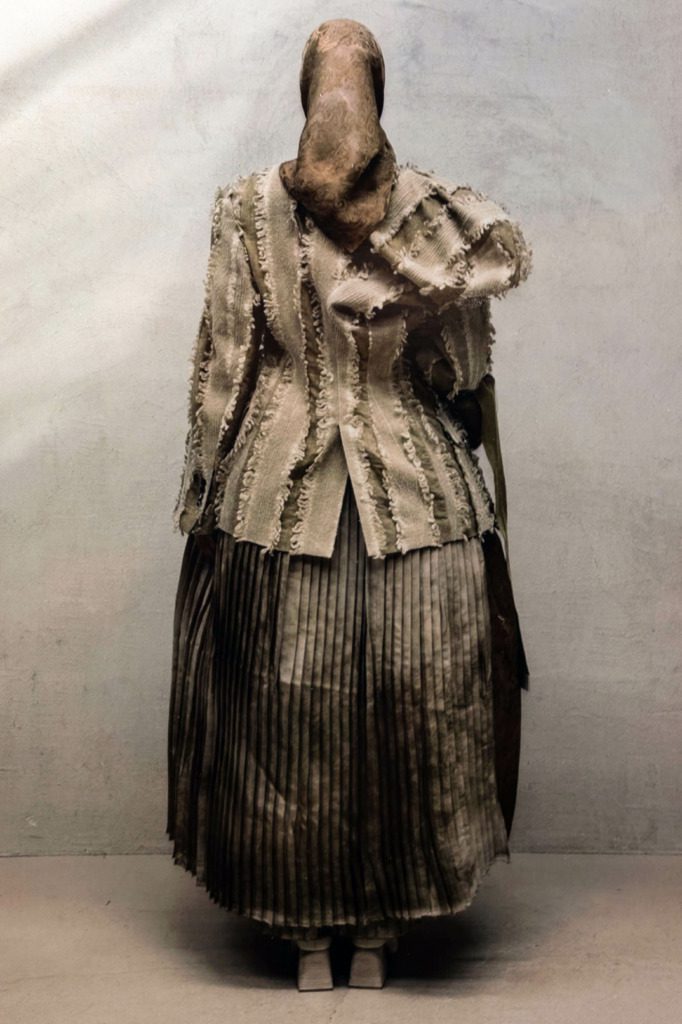
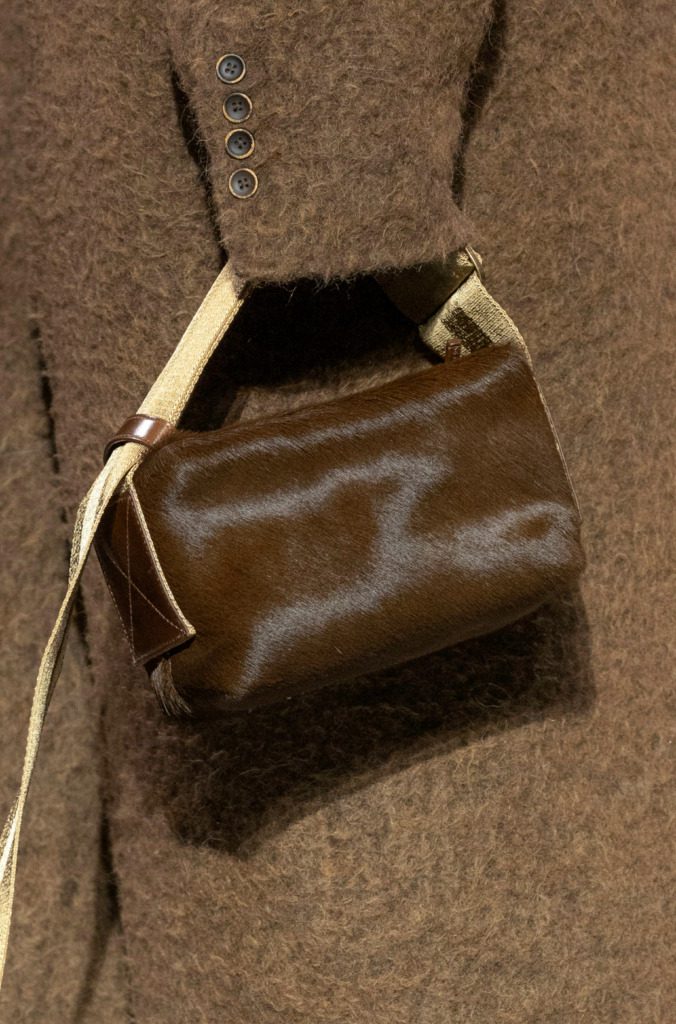
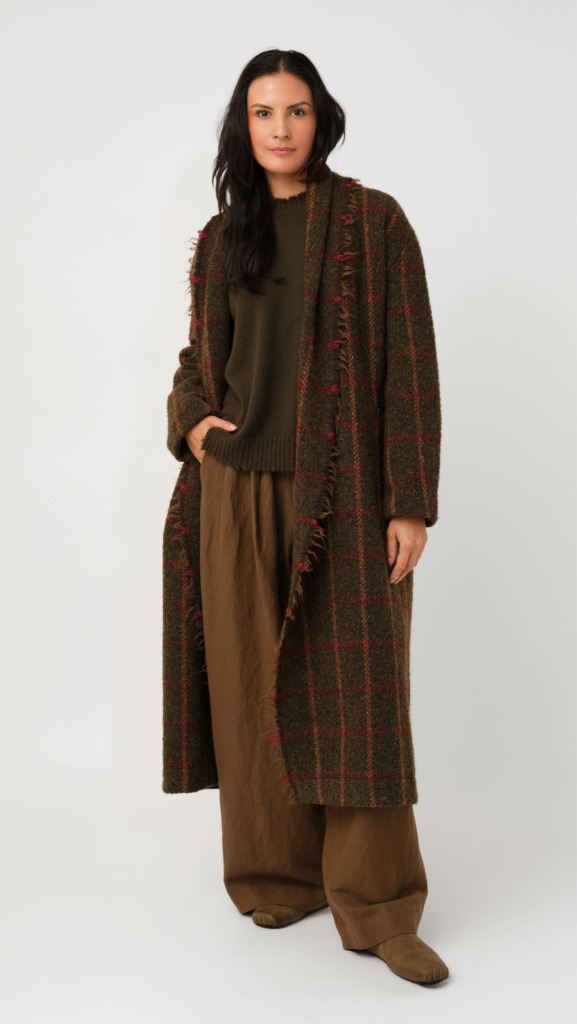
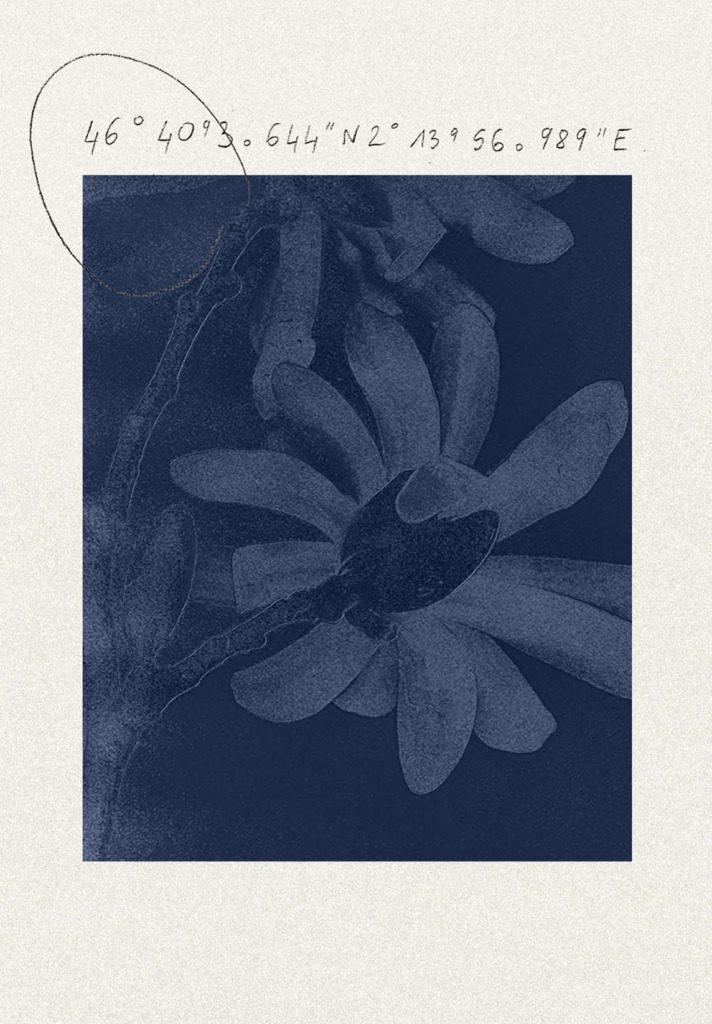
The tabiz is a traditional amulet worn for protection against negativity, misfortune and unseen forces. Rooted in South Asian history, this type of jewelry carries deep cultural significance across both Hindu and Islamic traditions—often as a vessel for holding sacred prayers or blessings close to the heart. Denise Betesh interprets the tabiz through a modern lens, pairing clean silhouettes with muted gemstones tones that echo the soft, atmospheric palette of the desert.
Each piece of this collection is shaped entirely by hand in Denise’s Santa Fe studio, using ancient techniques that connect centuries of craft to the modern wearer. Drawing and forming the metal, then fusing tiny granules in the time-honored art of granulation, her works possess an air of sculptural calm.
The jewel palette is intentionally subtle and consists of dusk blues, juniper greens and smoky grays. The stones are chosen not for conventional brilliance but for depth, character and mood. Each gem carries its own lived-in, atmospheric gentle presence. Subtle enough for everyday wear, yet special enough to mark a moment, Denise’s talismans are companions rather than accessories, gathering resonance and meaning the longer they’re treasured.
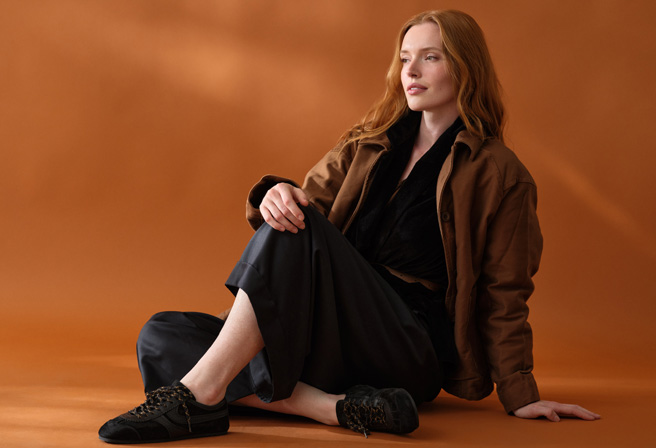
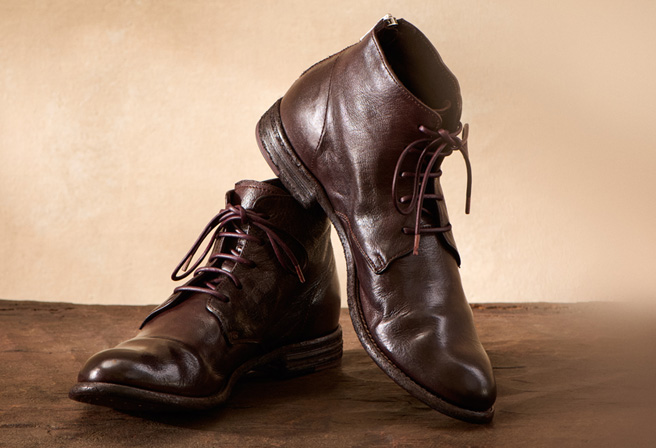
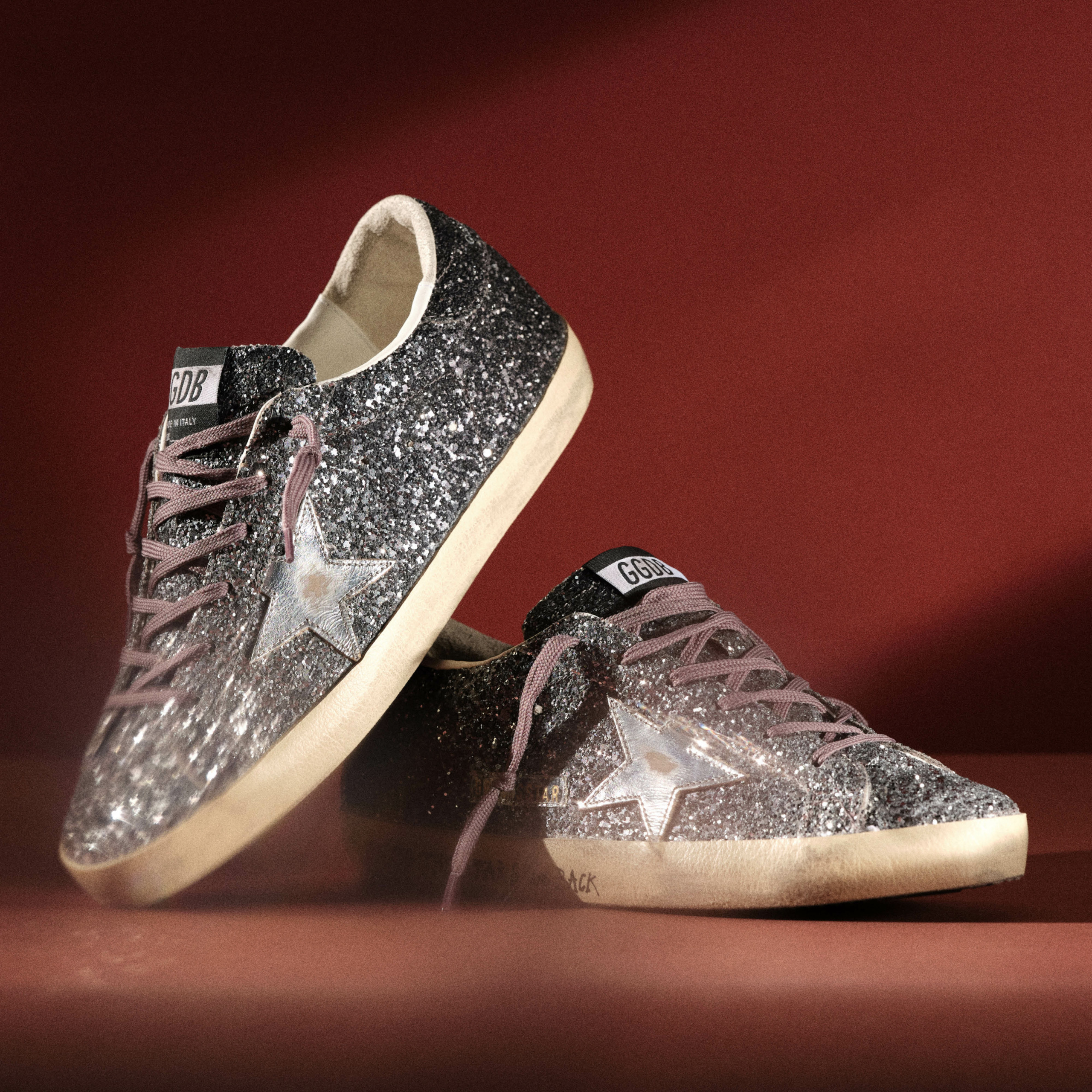
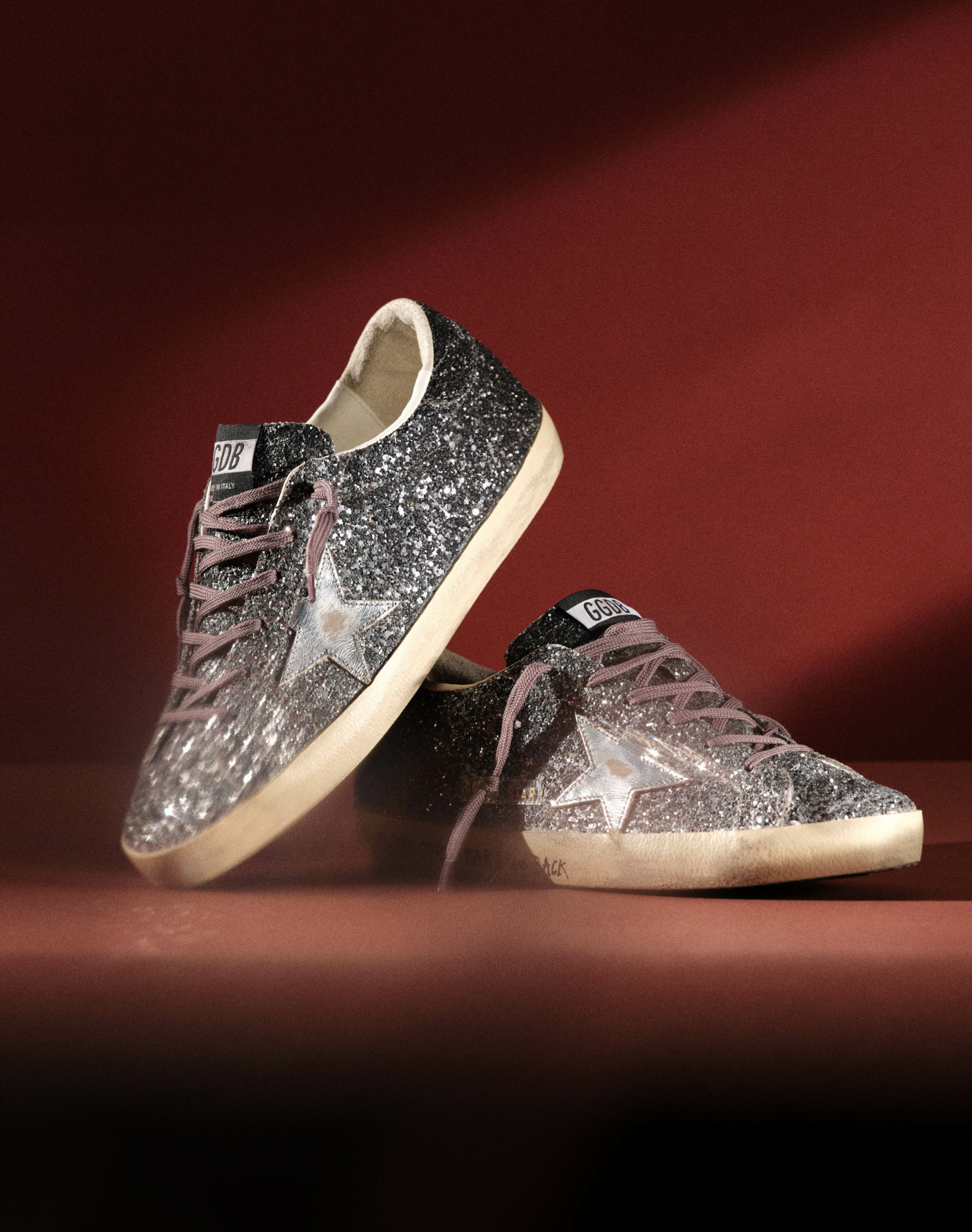
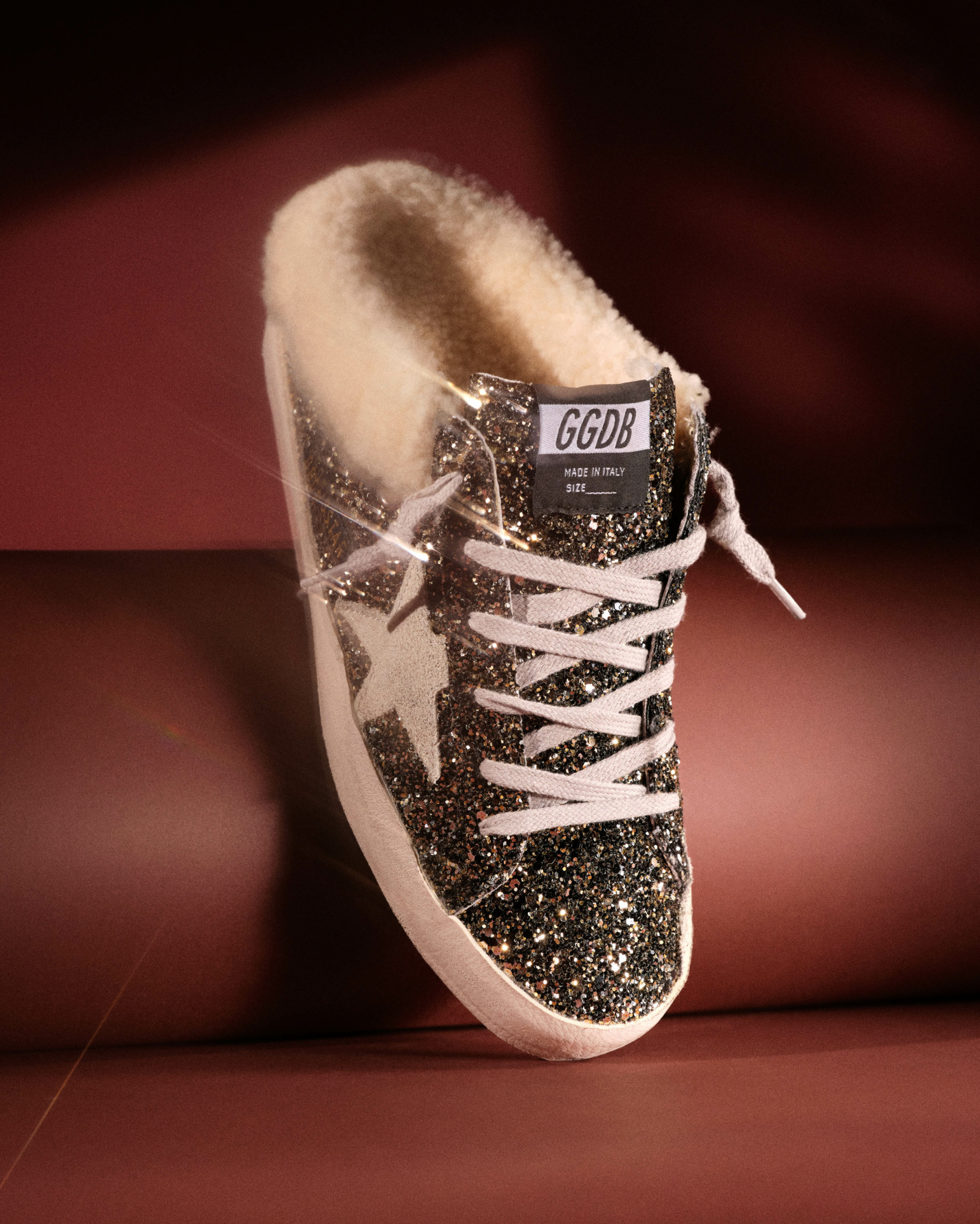
With the holidays just around the corner, most ordinary objects start to take on a little extra sparkle—trees trimmed in glassy lights, homes glowing with warm metallic accents and wardrobes shifting to fabrics that shimmer at every gathering. The latest collection from Golden Goose brings a playful, textural twist to footwear that can heighten the celebratory feel. These sneaks don’t just shine, they infuse each step with a little joie de vivre.
Golden Goose understands the allure of contrast: modern lines softened by vintage ease, elegance illuminated by a flash of unexpected sparkle and hand-burnished leather made cool against bold metallics. Designed in Venice by Francesca Rinaldo and Alessandro Gallo, these newest styles play with luminosity featuring sumptuous textures, glowing star motifs and rich colors.
Behind the gleaming exterior lies impeccable craftsmanship. Each sneaker is hand-finished by Italian artisans who treat leather with the same reverence as a couture house handles silk. The fit is soft, the feel luxurious and the effect unmistakably elevated. With Golden Goose, comfort isn’t an afterthought, but rather the foundation for a life lived beautifully, spontaneously and always a little brighter.
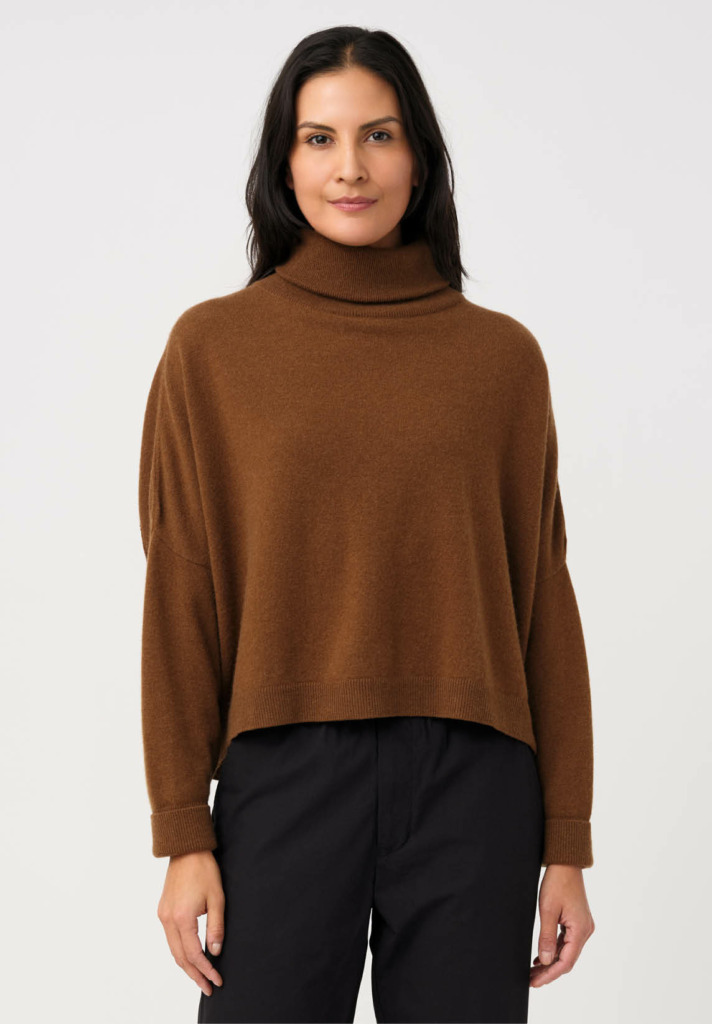
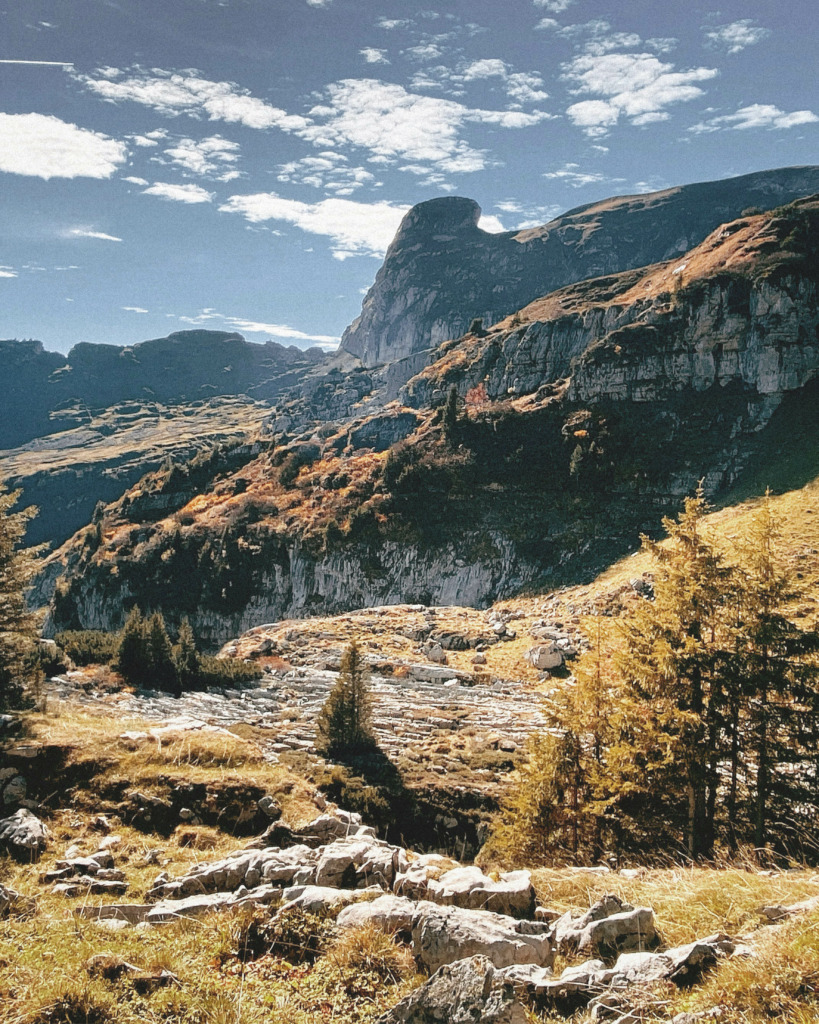
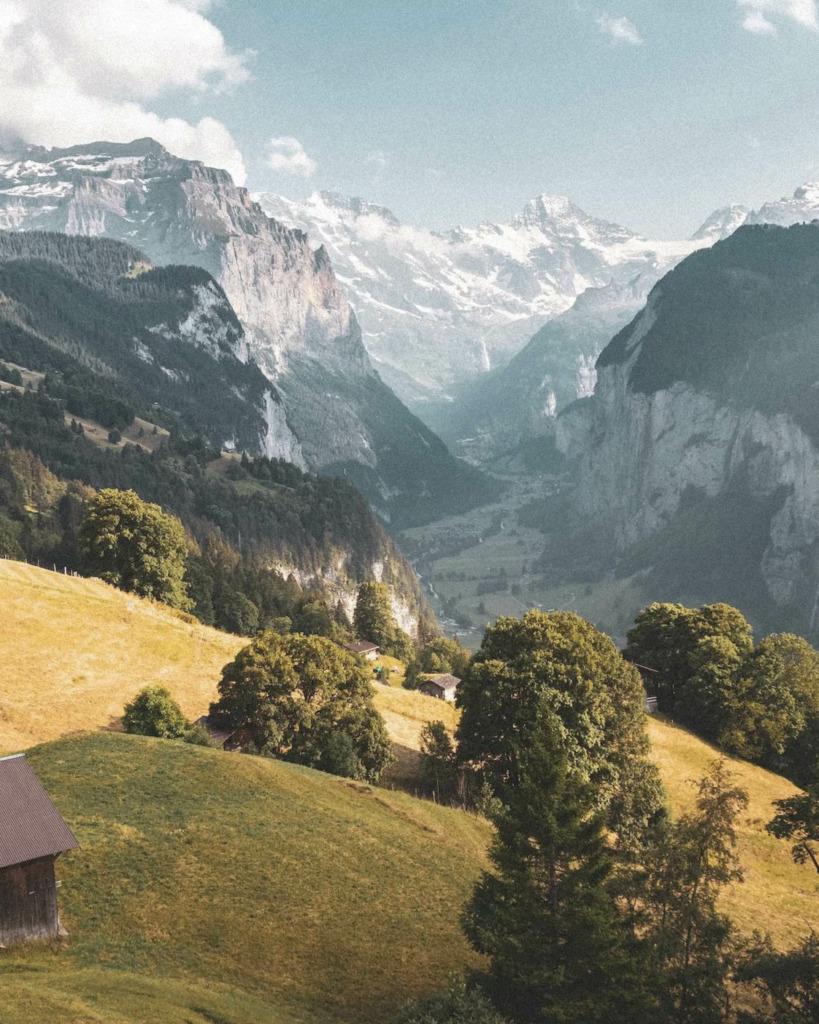
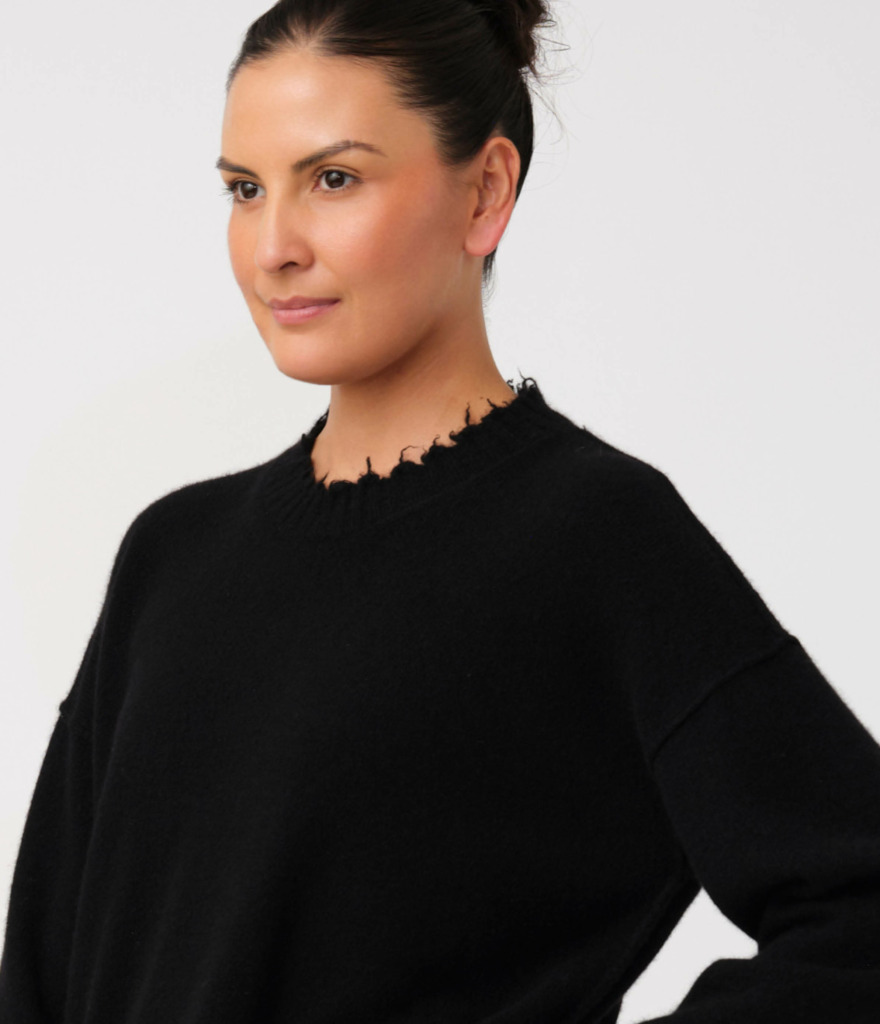
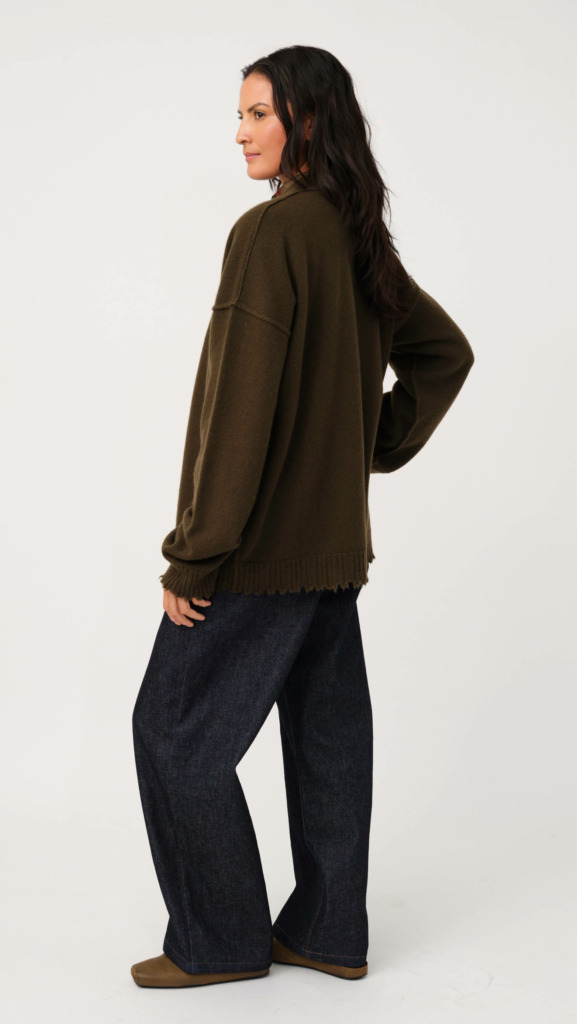
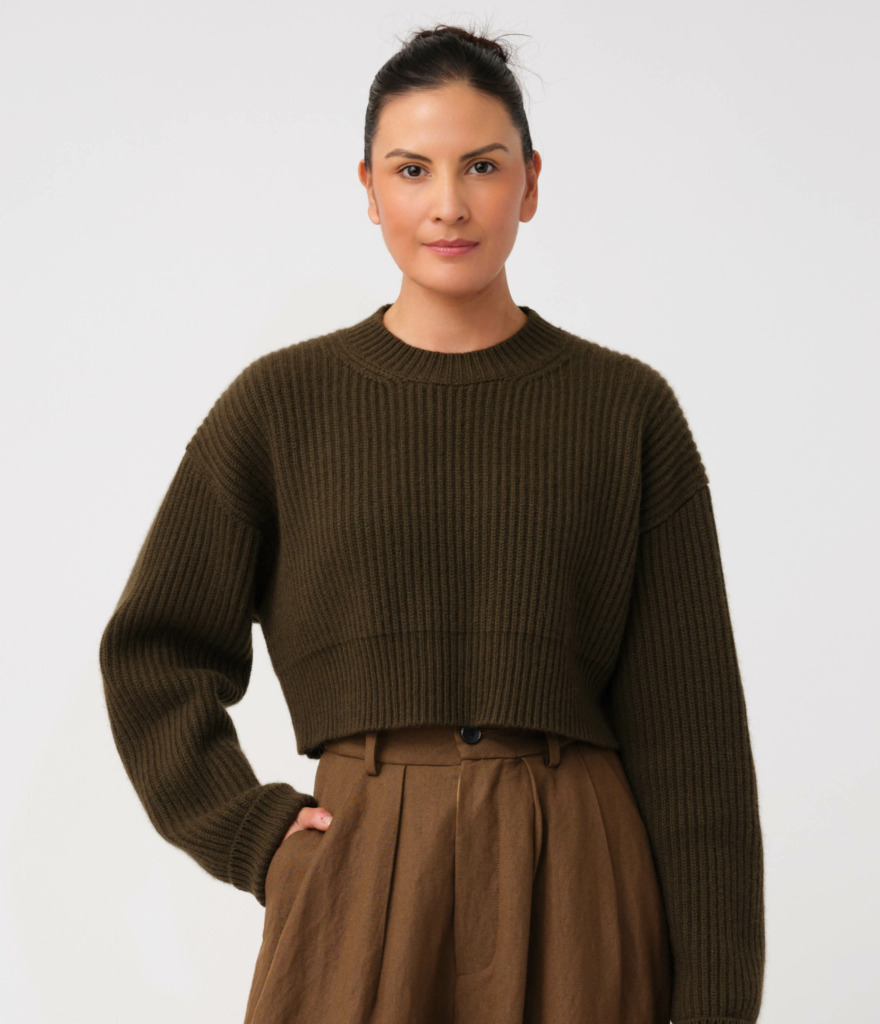
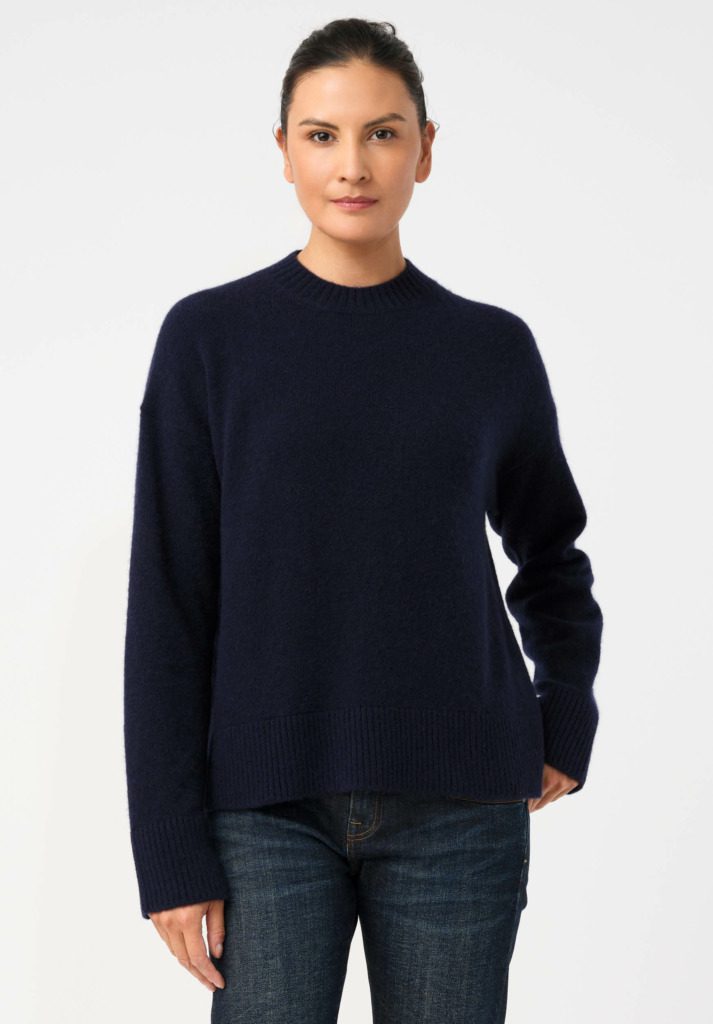
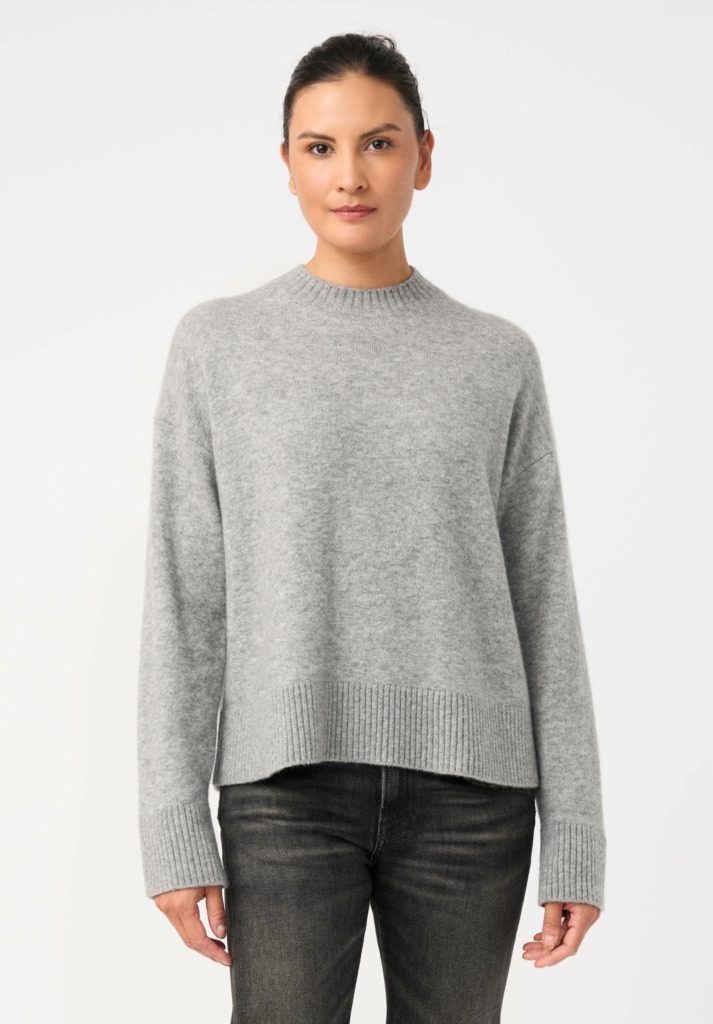
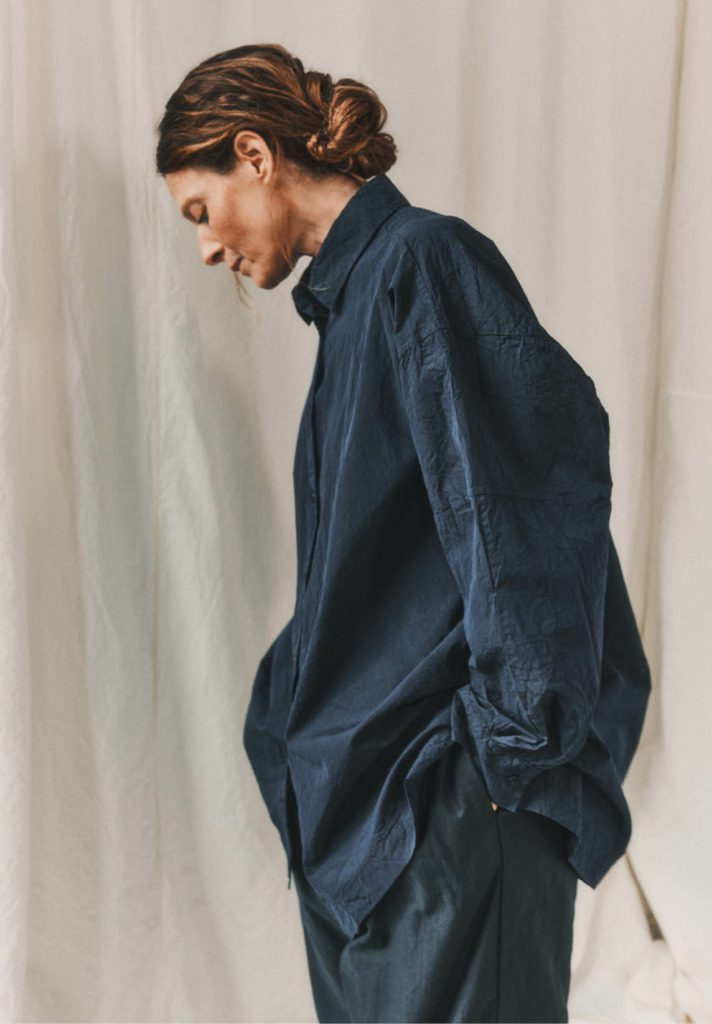
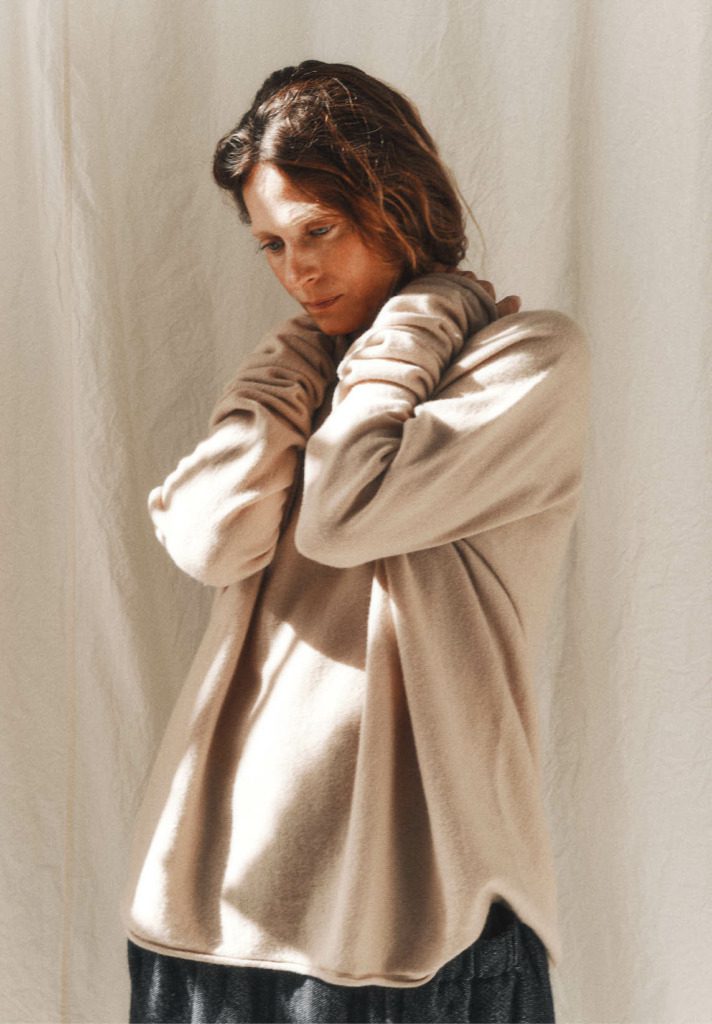
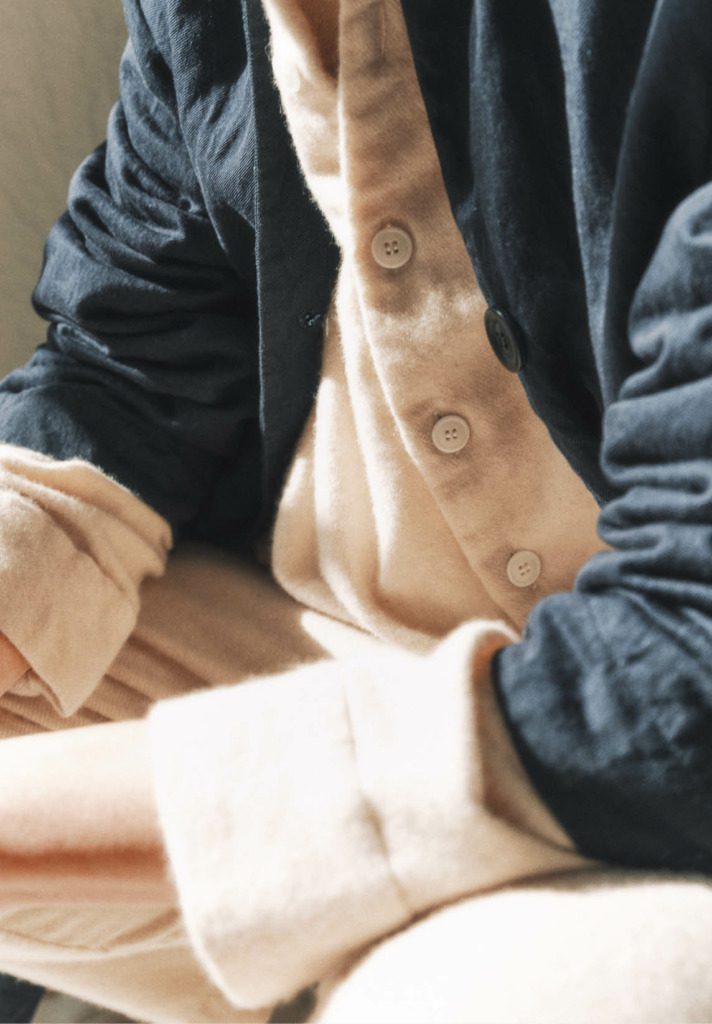
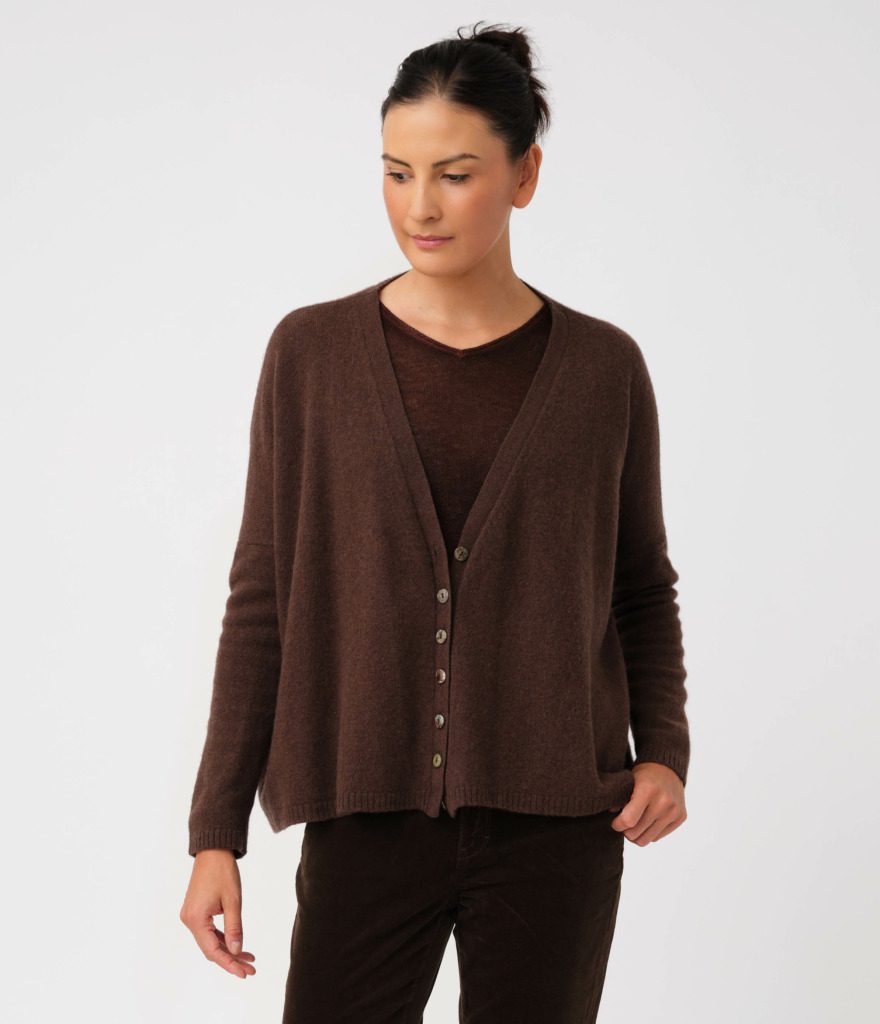
In the world of Wommelsdorff, cozy is not a mood, but a craft. Like the quiet serenity of Lauterbrunnen Valley in the Swiss Alps, where the stillness of the air and landscape feels almost hand-carved, each cashmere piece carries a sense of understated comfort. The brand has perfected transforming airy cashmere into a physical expression of simplicity, warmth and refined design.
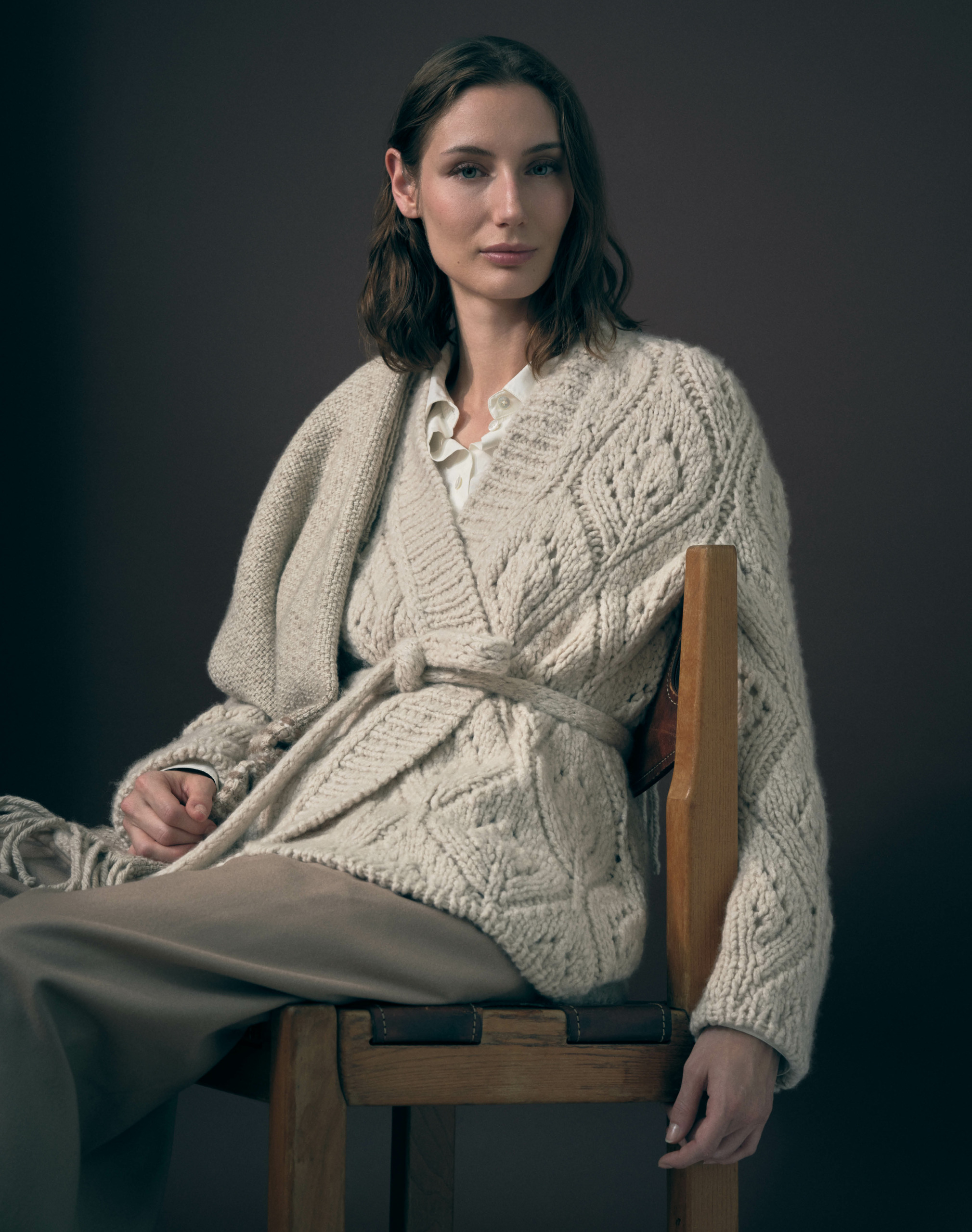
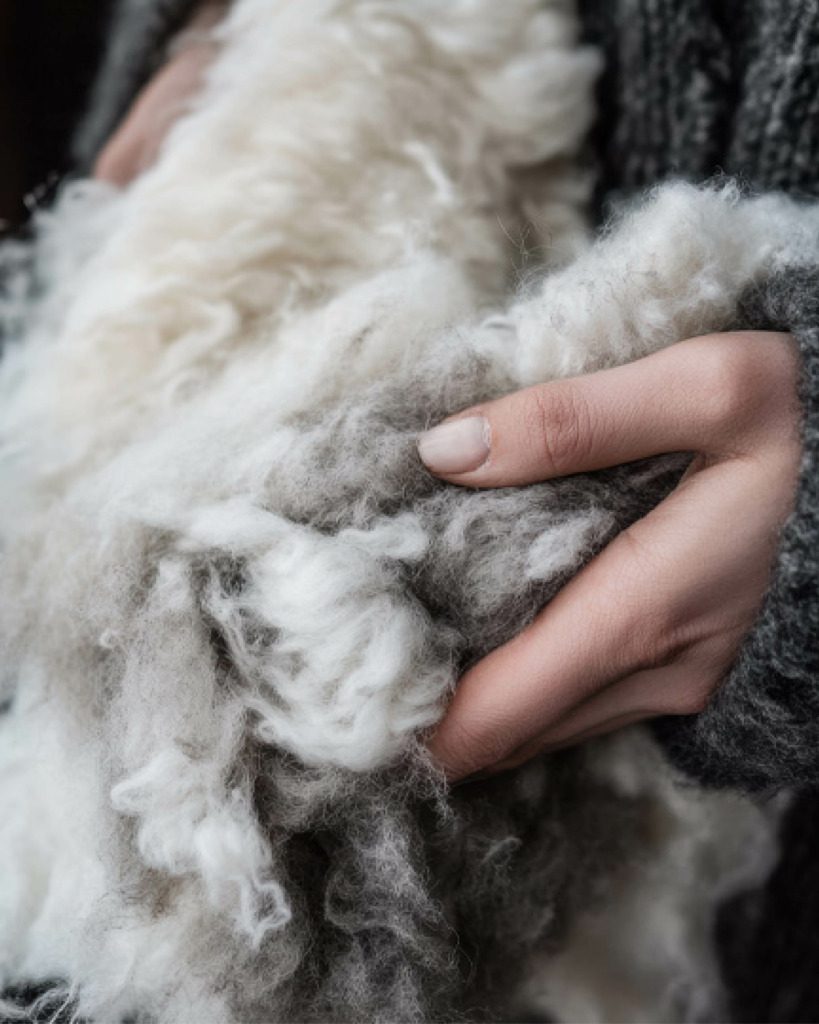
Maria Wommelsdorff, the brand’s namesake, taught her meticulous handwork techniques to granddaughter Anne Schramm, who founded the knitwear label in 2008 in Berlin. The company continues this lineage of craftsmanship by maintaining a devotion to quality with sustainable materials. Their ethically sourced cashmere comes from the finest down of the Capra Hircus Laniger goats, prized for producing fibers much warmer than wool, but incredibly light and soft. The resulting yarn is sent to an Italian factory to be dyed to Anne’s specifications and is so plush that it cannot be machine-knitted. The garments are made in limited runs by master artisan knitters, each with a specialized expertise, whose handwork lends the collection a unique, soulful quality.
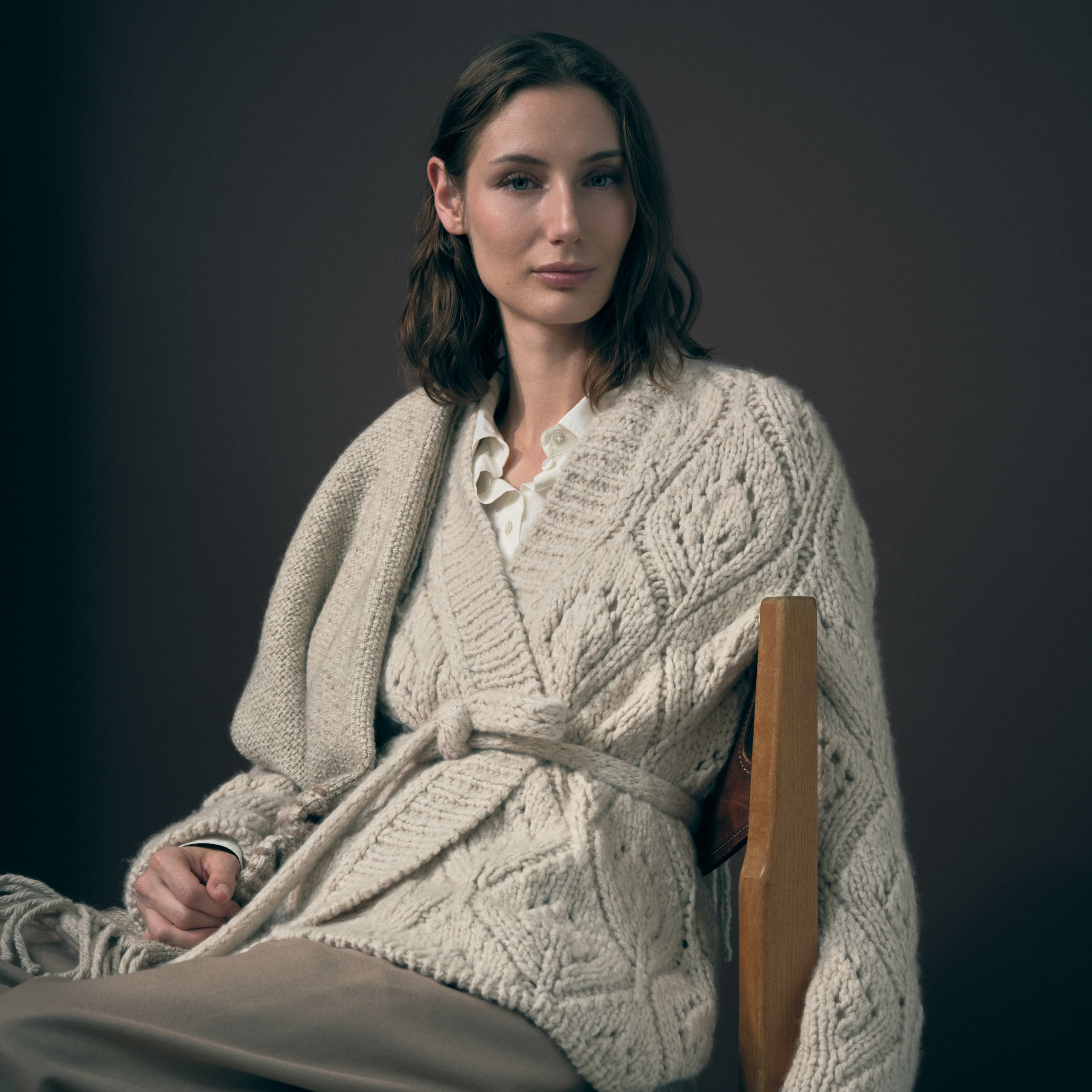
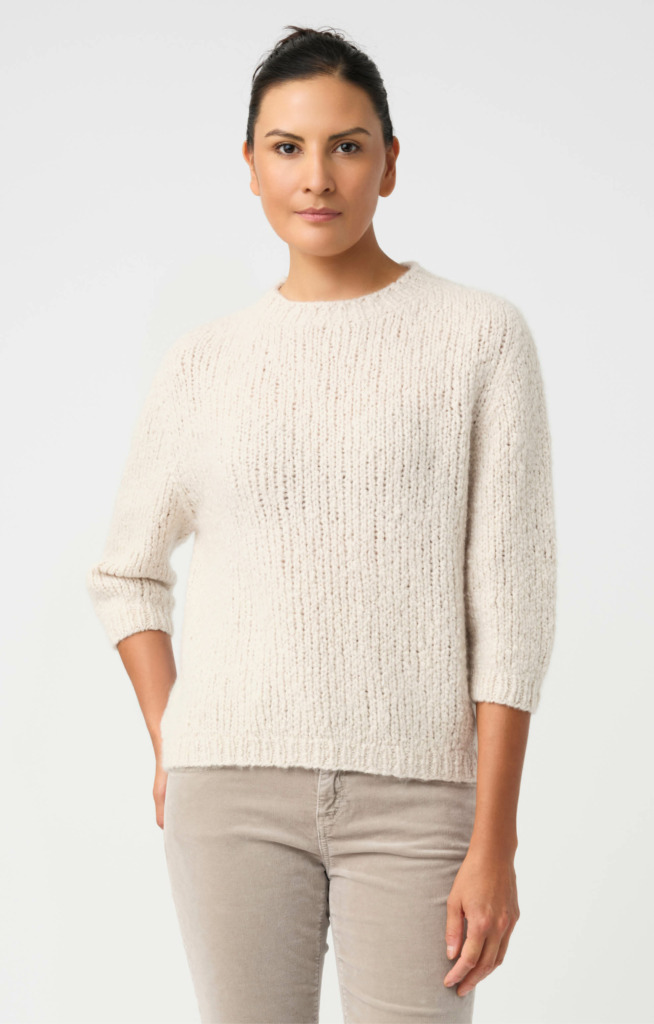
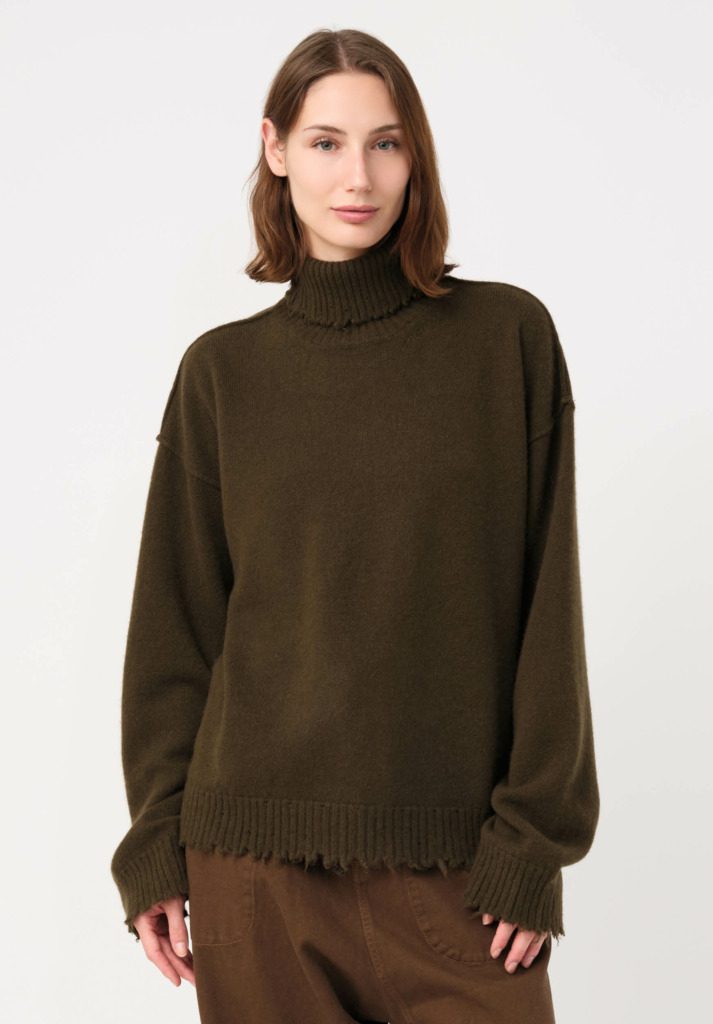
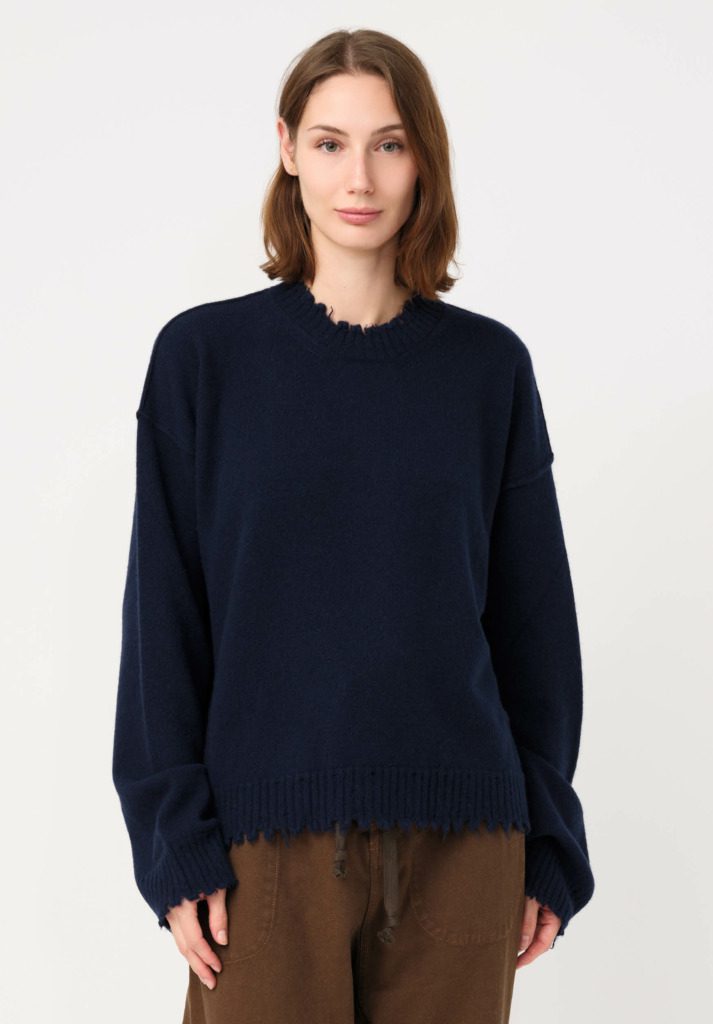
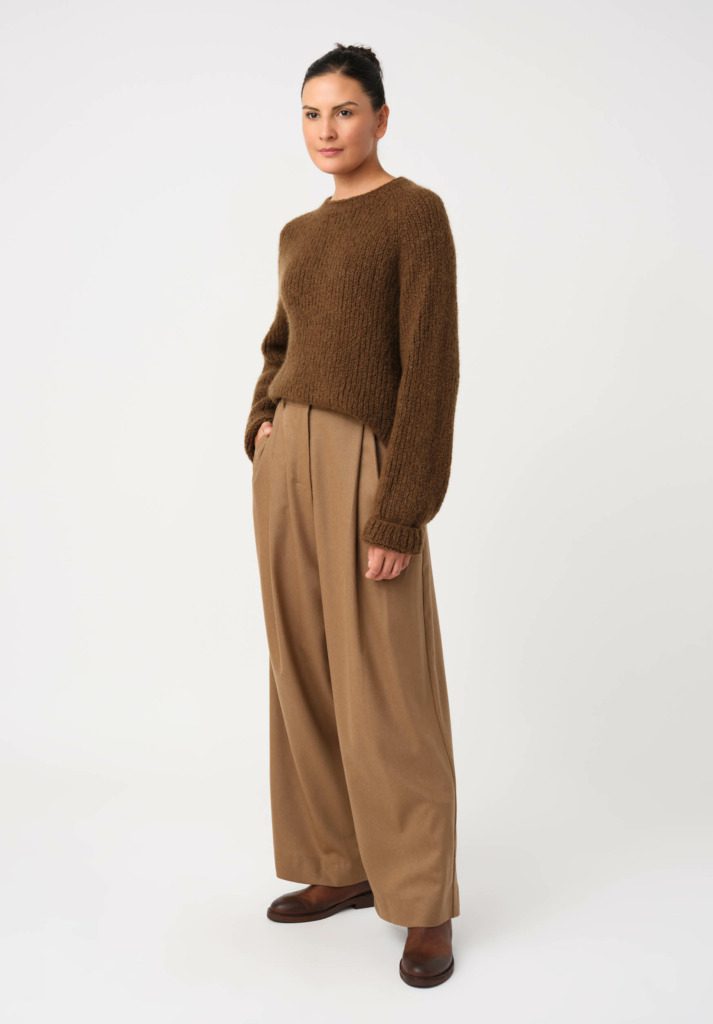
The knitwear pieces blend classic silhouettes with a modern ease. Wommelsdorff’s uncomplicated, yet exquisite sweaters invite the wearer to wrap themselves in pieces made with intention: carefully created, designed to last and worn beautifully. Each handmade sweater is an ode to quiet luxury, a reminder that warmth feels different when shaped by human hands.
“He who works with his hands is a laborer. He who works with his hands and his head is a craftsman. He who works with his hands and his head and his heart is an artist.”
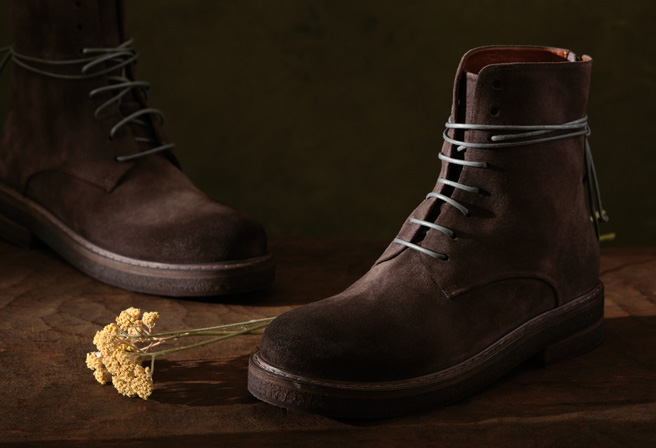
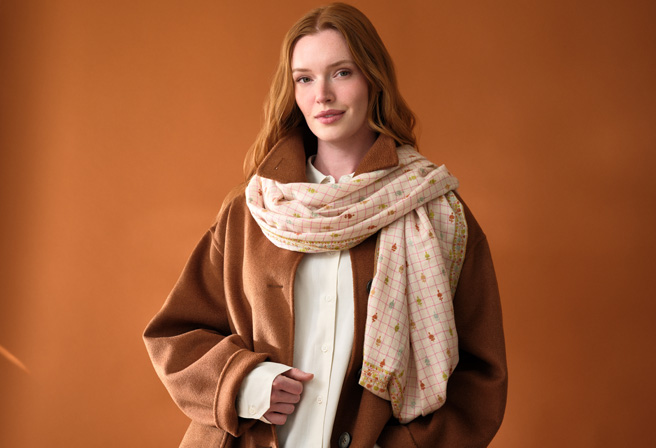
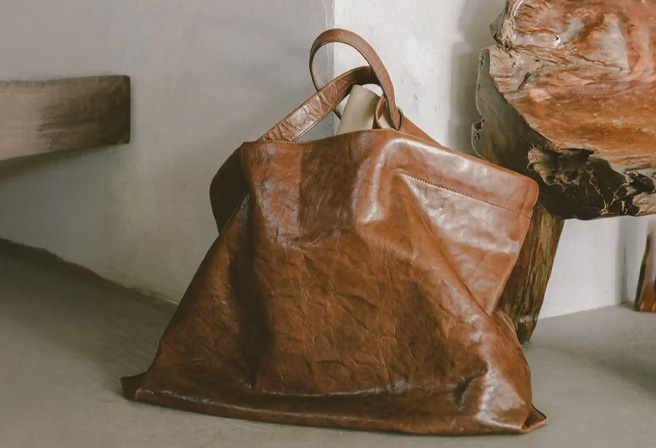
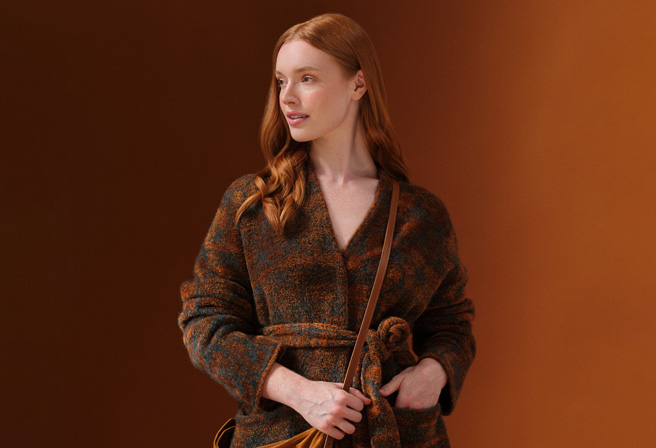
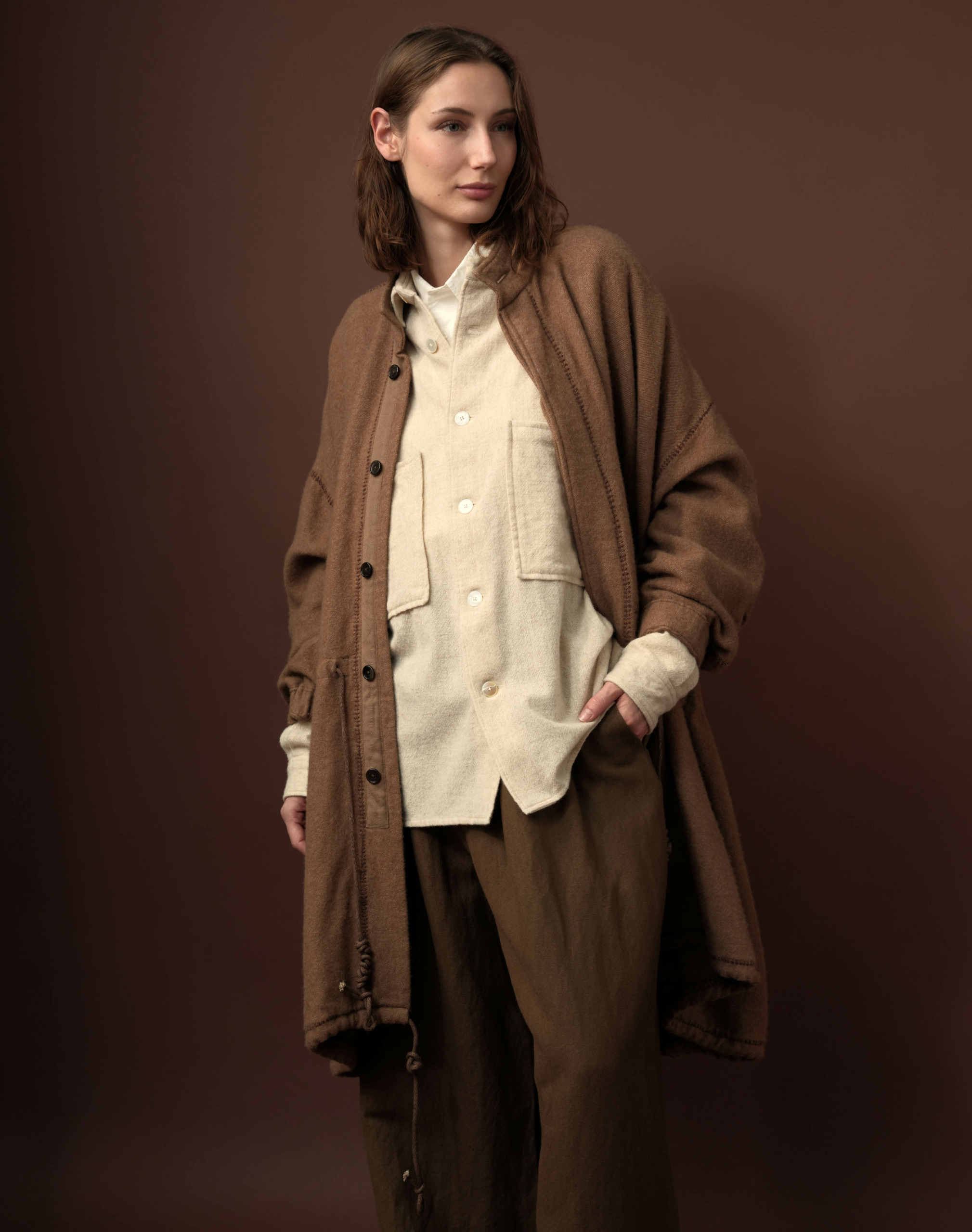
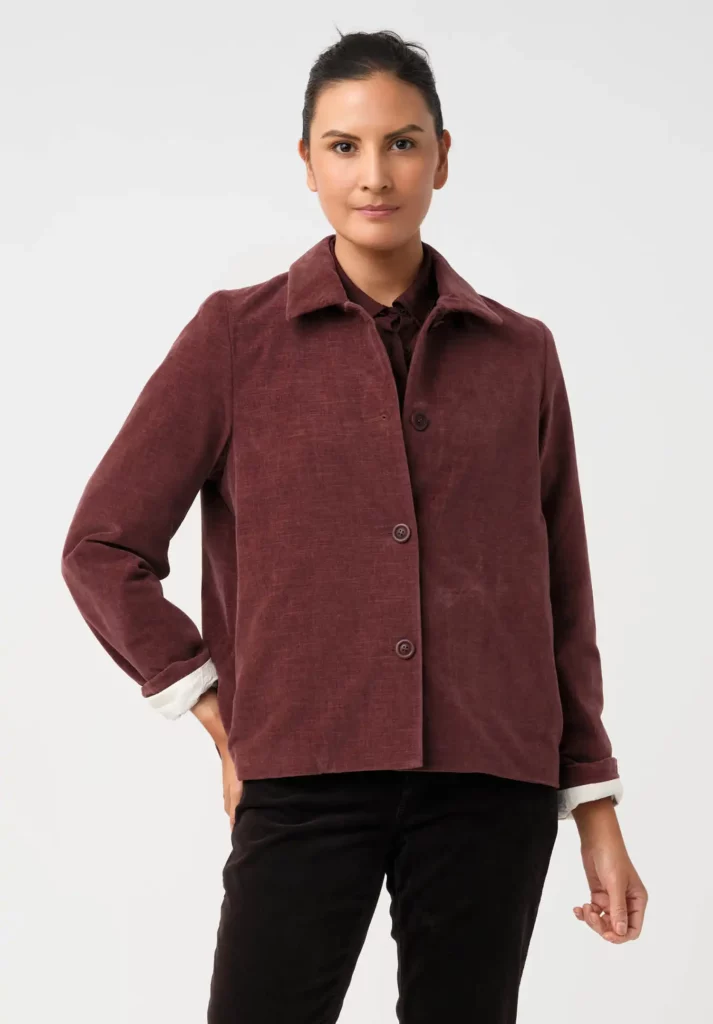
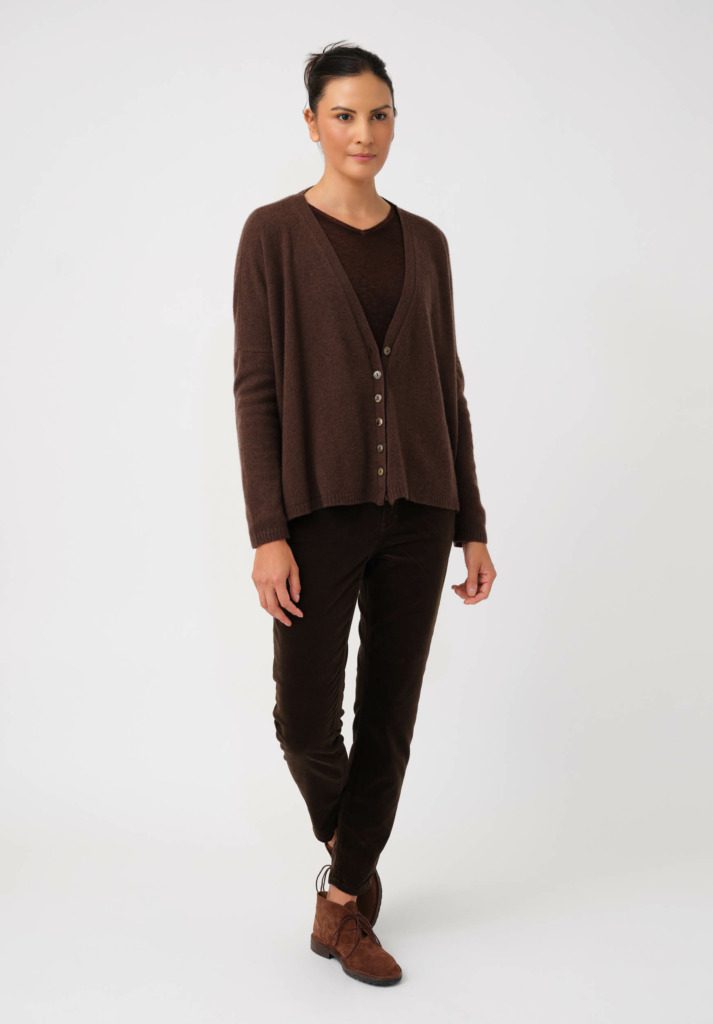
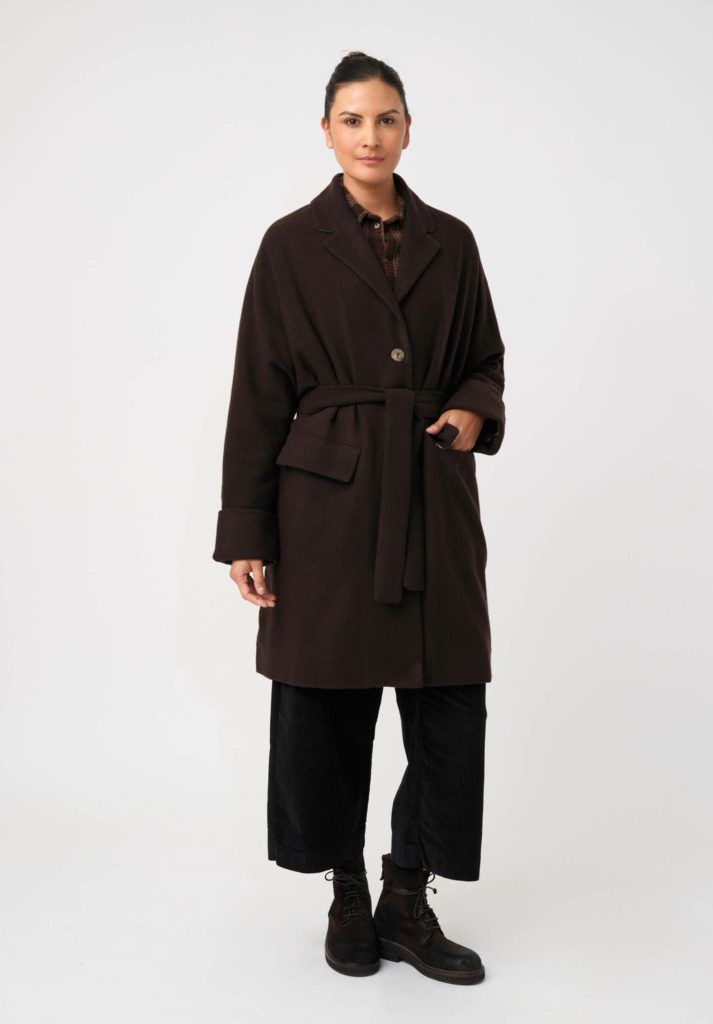
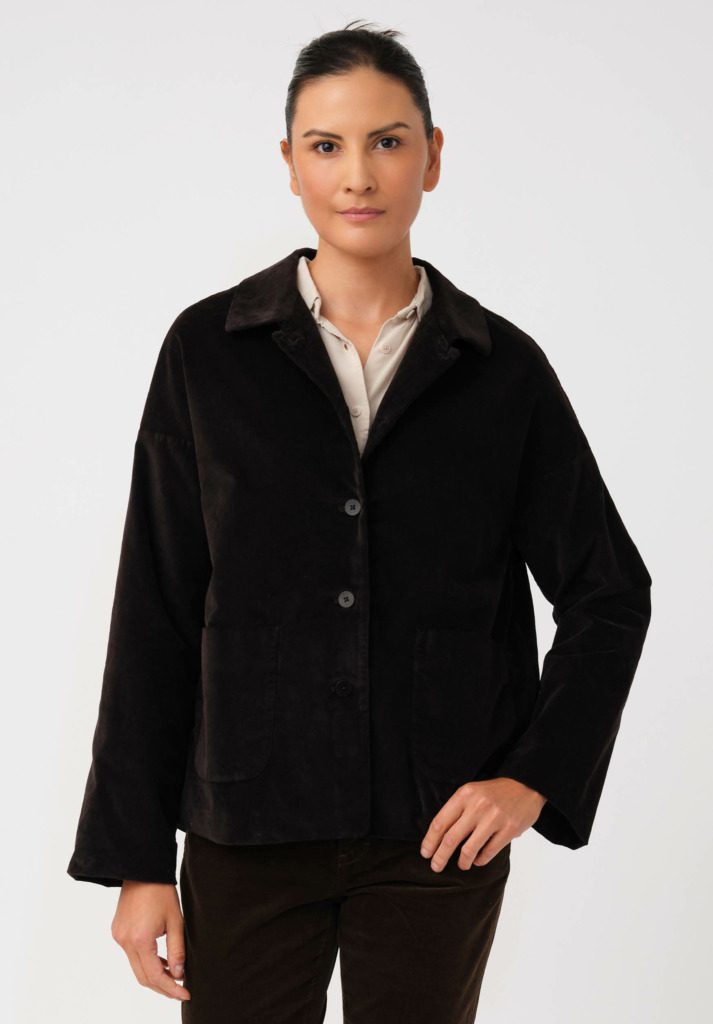
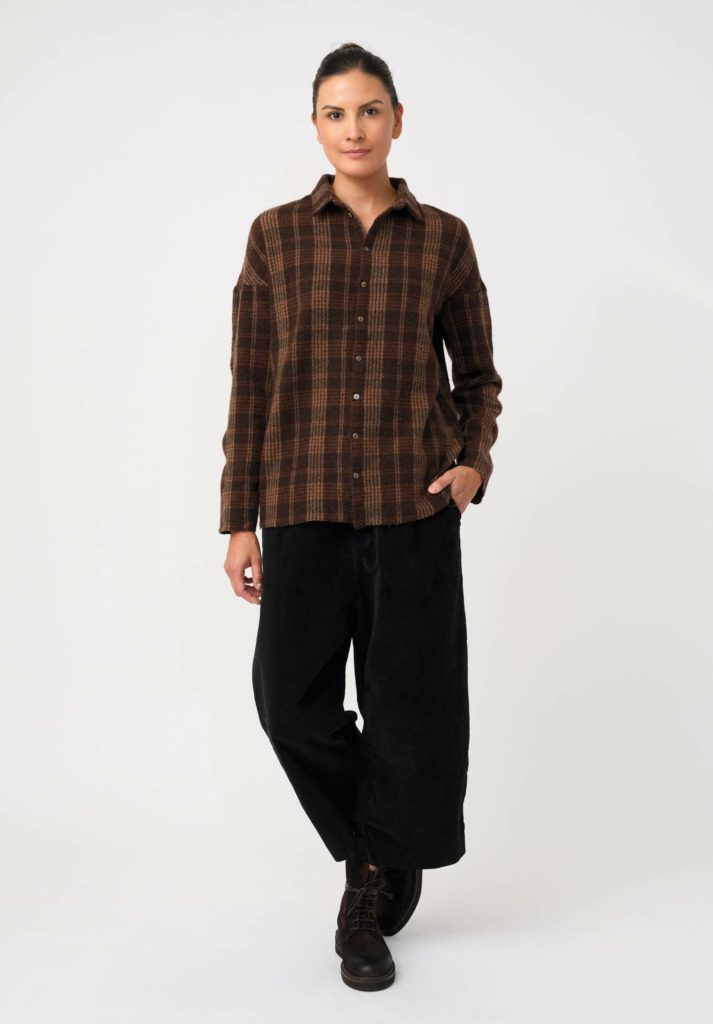
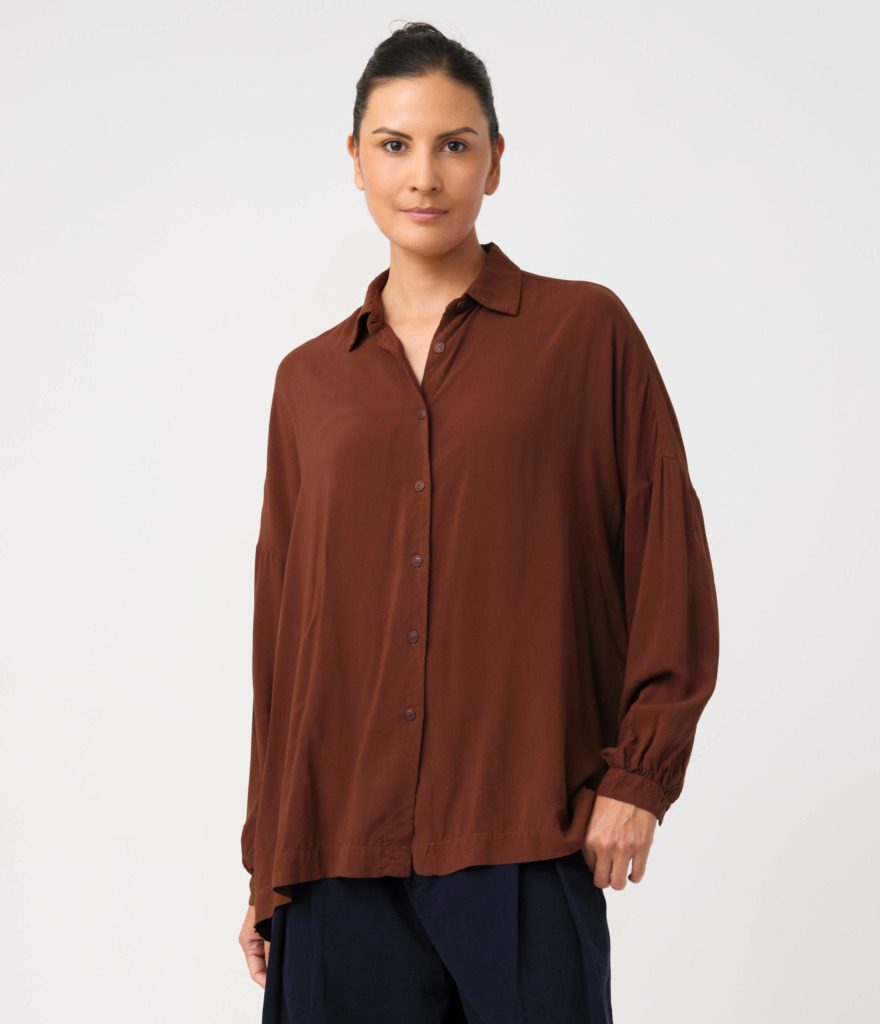
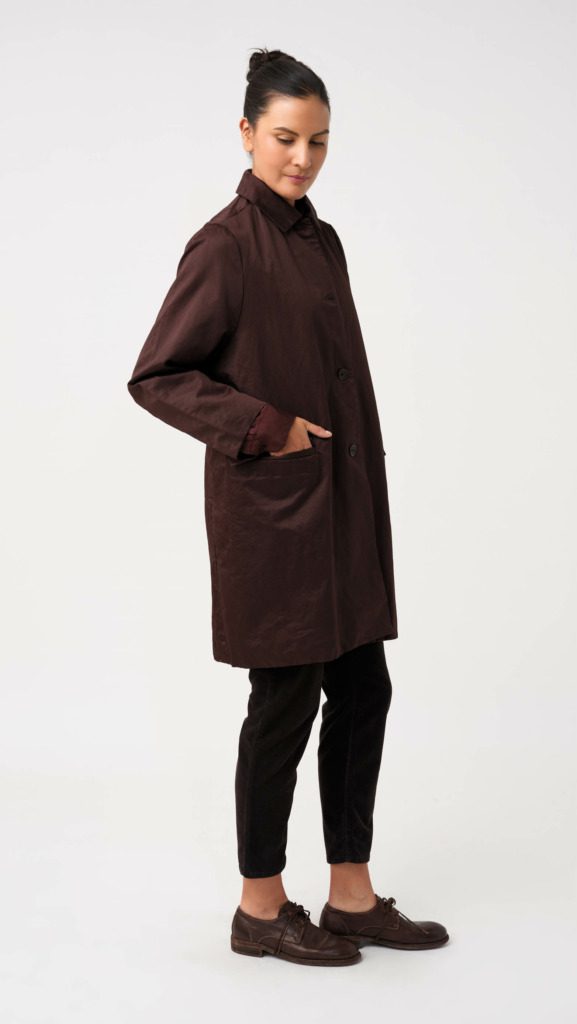
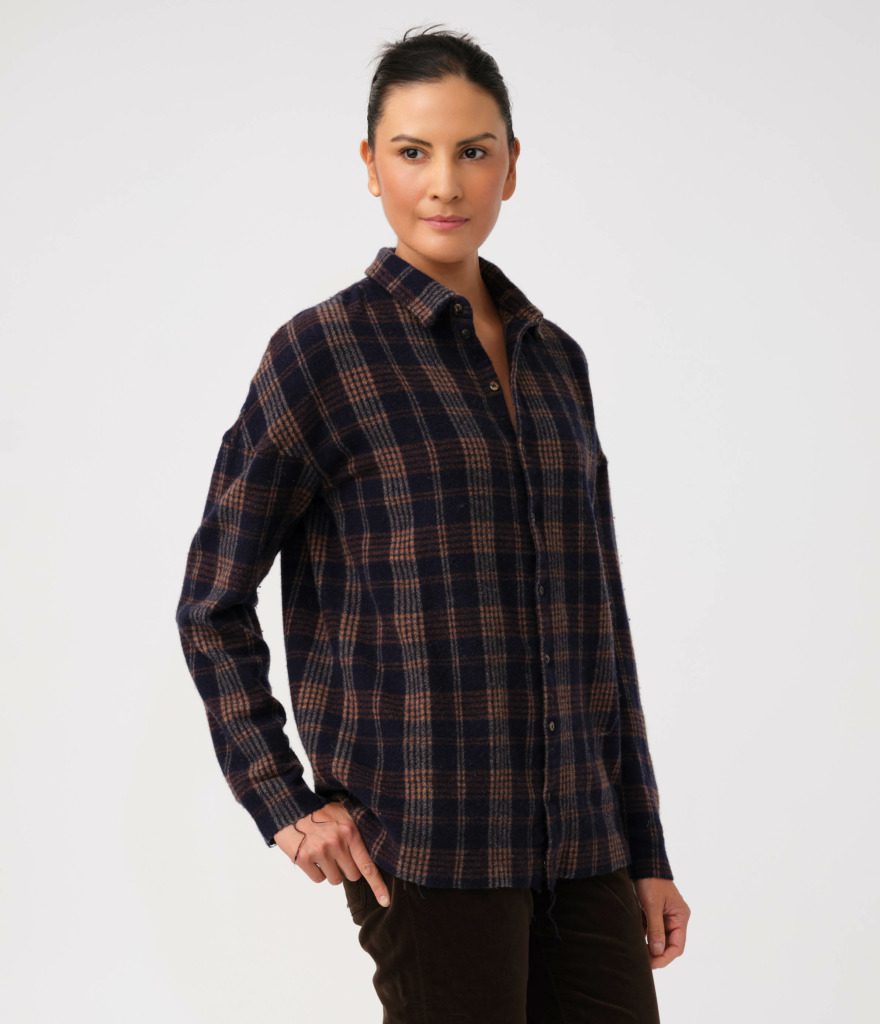
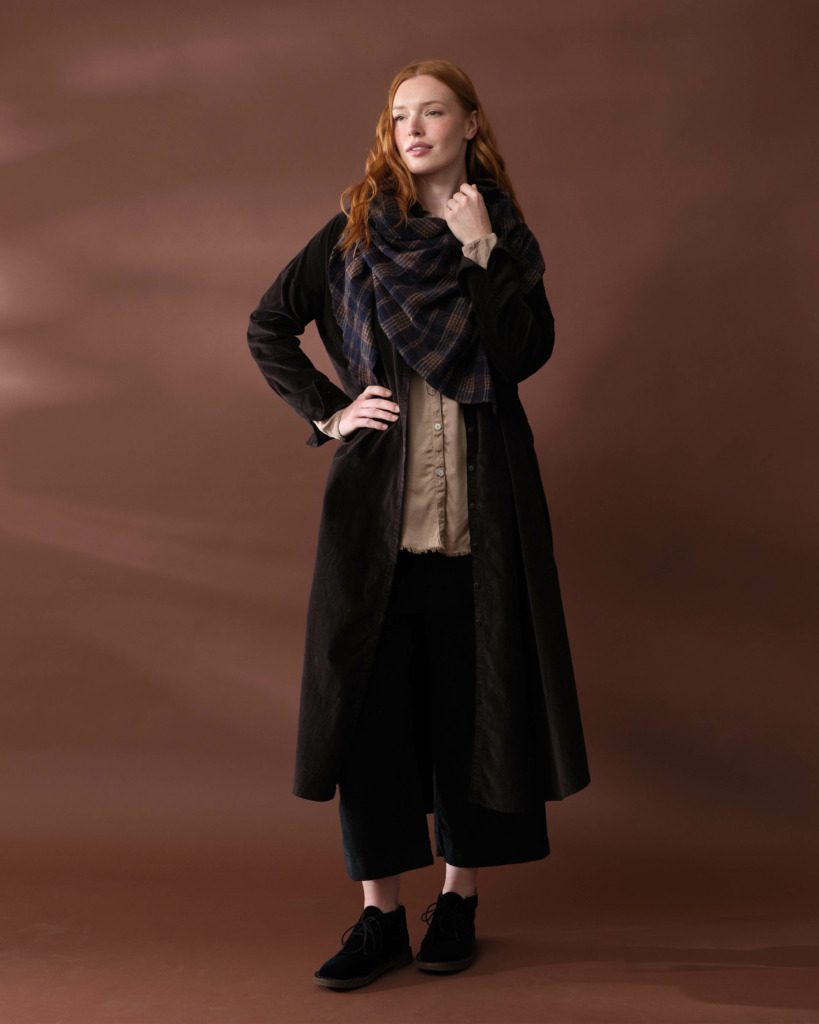
When Pantone selected Mocha Mousse as their color of the year, many people dismissed the choice. Brown was derided as “boring” and “demure.” However, as 2025 has unfolded, it’s become clear how much staying power this particular color family possesses. Its earthy character evokes a sense of resilience, comfort and stability. Not to mention that it is the natural state of many luxury materials, such as suede and yak, which opens the door for tonal depth without additional dyes. Truthfully, brown is one of our favorite colors to work with… not only for its styling versatility, but also for its quiet power.
With visual roots in the natural world, brown has a particular way of making us feel grounded. Described as a color with a “sensorial richness,” it speaks to both the luxury sophisticate and the humble nomad. A range of moods lives within this color family, from the inquisitive depths of dark espresso to the sophistication of camel to the warm, near-red tones of mahogany and umber. An intensely versatile hue to style, the golden undertones of brown work well as a foundation for jewel tones and neutrals alike.
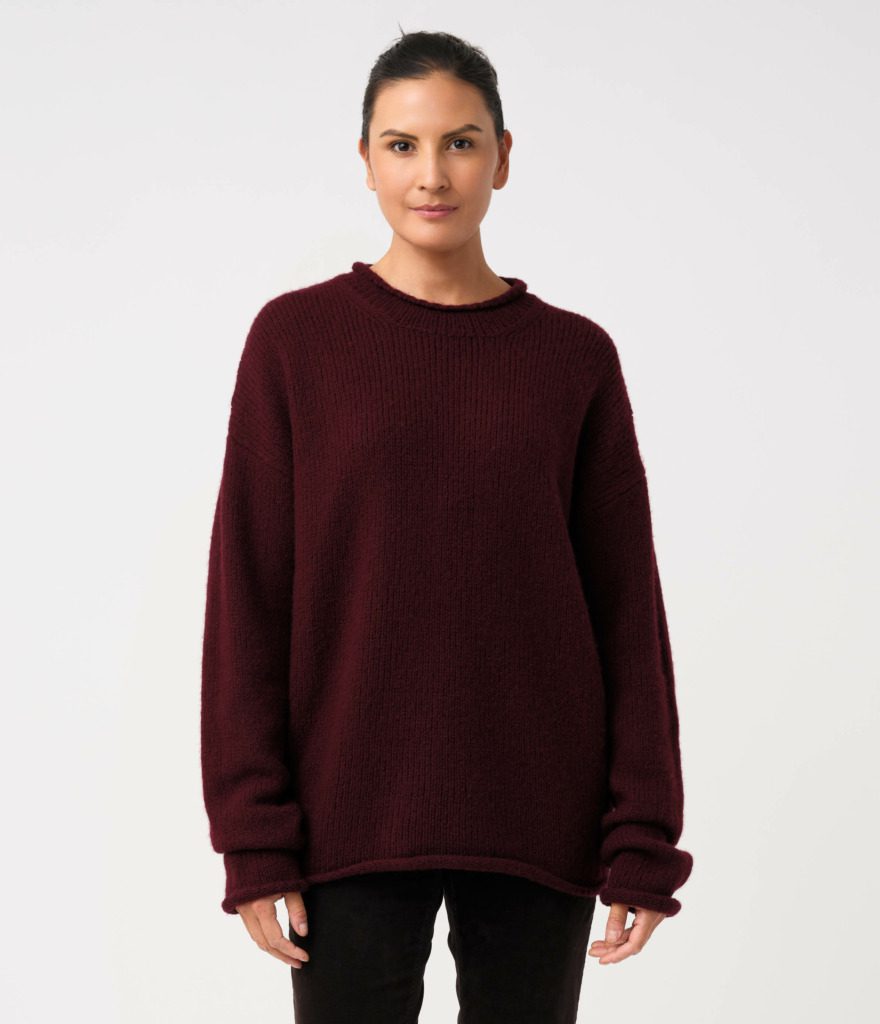
This time of year, we tend to reach for browns in the mid-range—the chocolates, cinnamons and caramels of the bunch. Unsurprisingly, we tend to favor these in our kitchens too… but will enjoy them equally in a high-density knit or a bit of brushed cashmere. Need a bit of contrast in your wardrobe? Try layering a jammy, plum-tone sweater or a classical navy coat to diversify and heighten a primarily brown look.
“The color brown, I realized, is anything but nondescript. It comes in as many hues as there are colors of earth, which is commonly presumed infinite.”
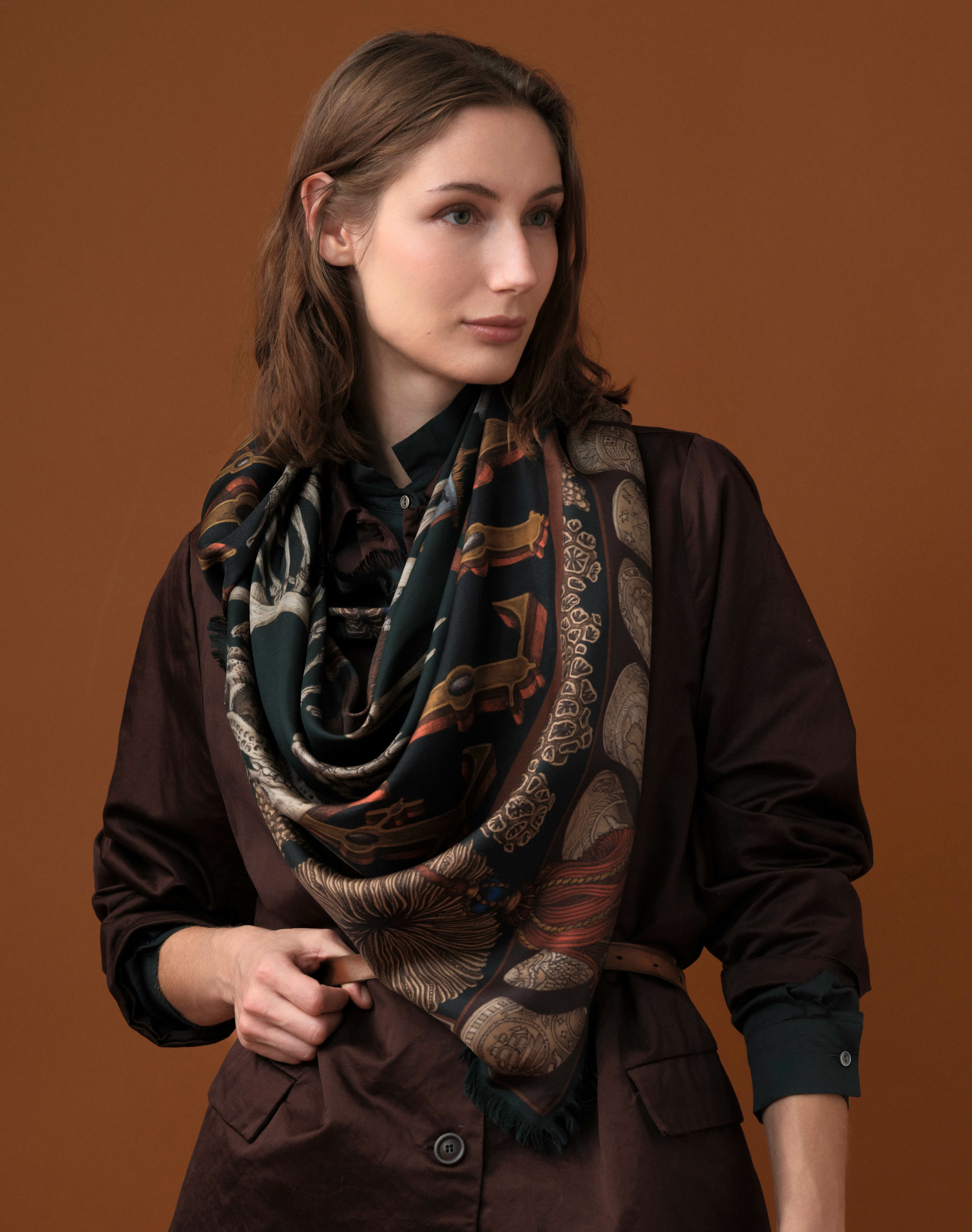
In Sabina Savage’s newest collection, Wild Americana, the British designer follows the travelling naturalist Alfred Swift through the rugged landscapes of North America. Selected for Santa Fe Dry Goods in earthy palettes of pine, russet and navy, these pieces work seamlessly with a wardrobe of brown.
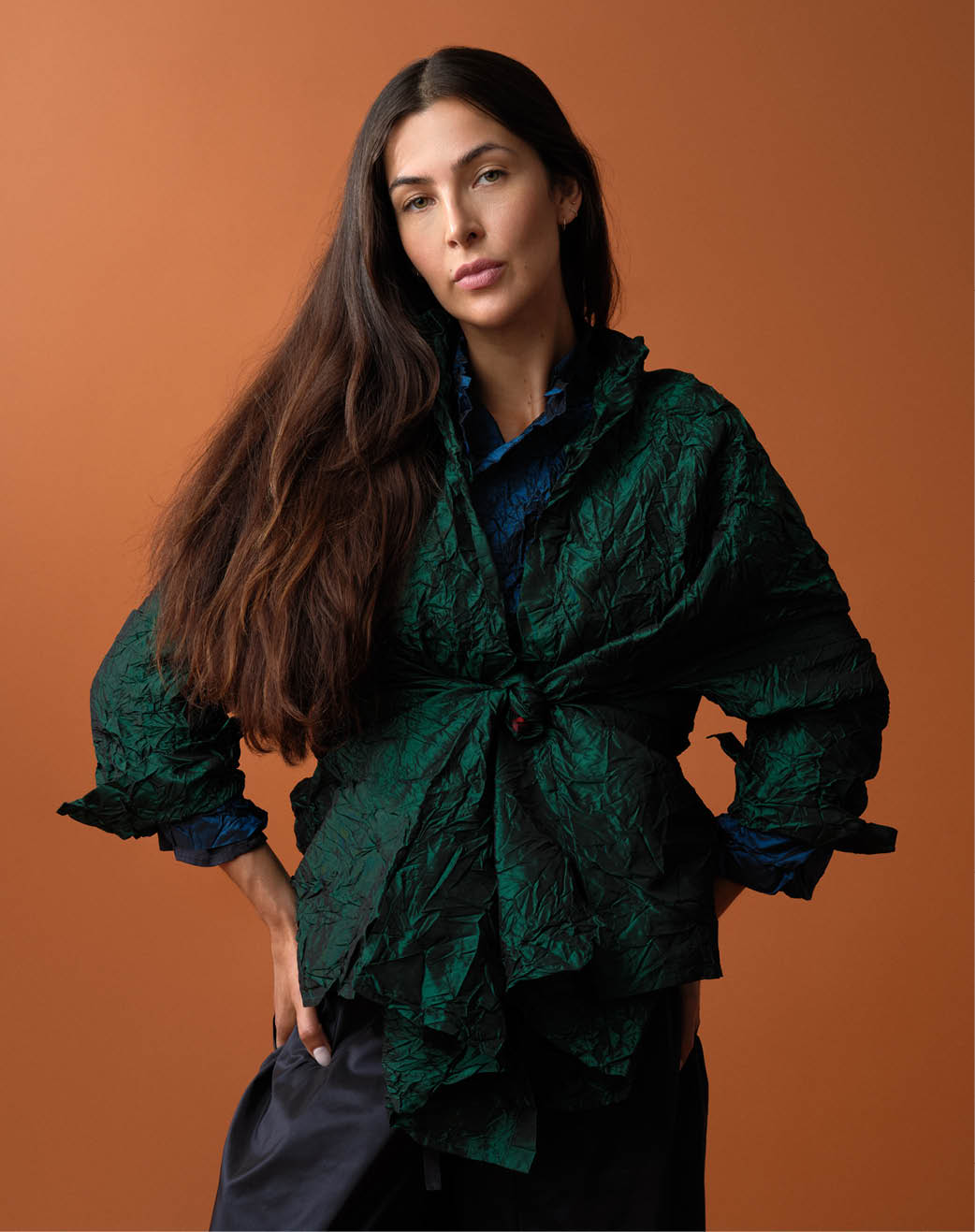
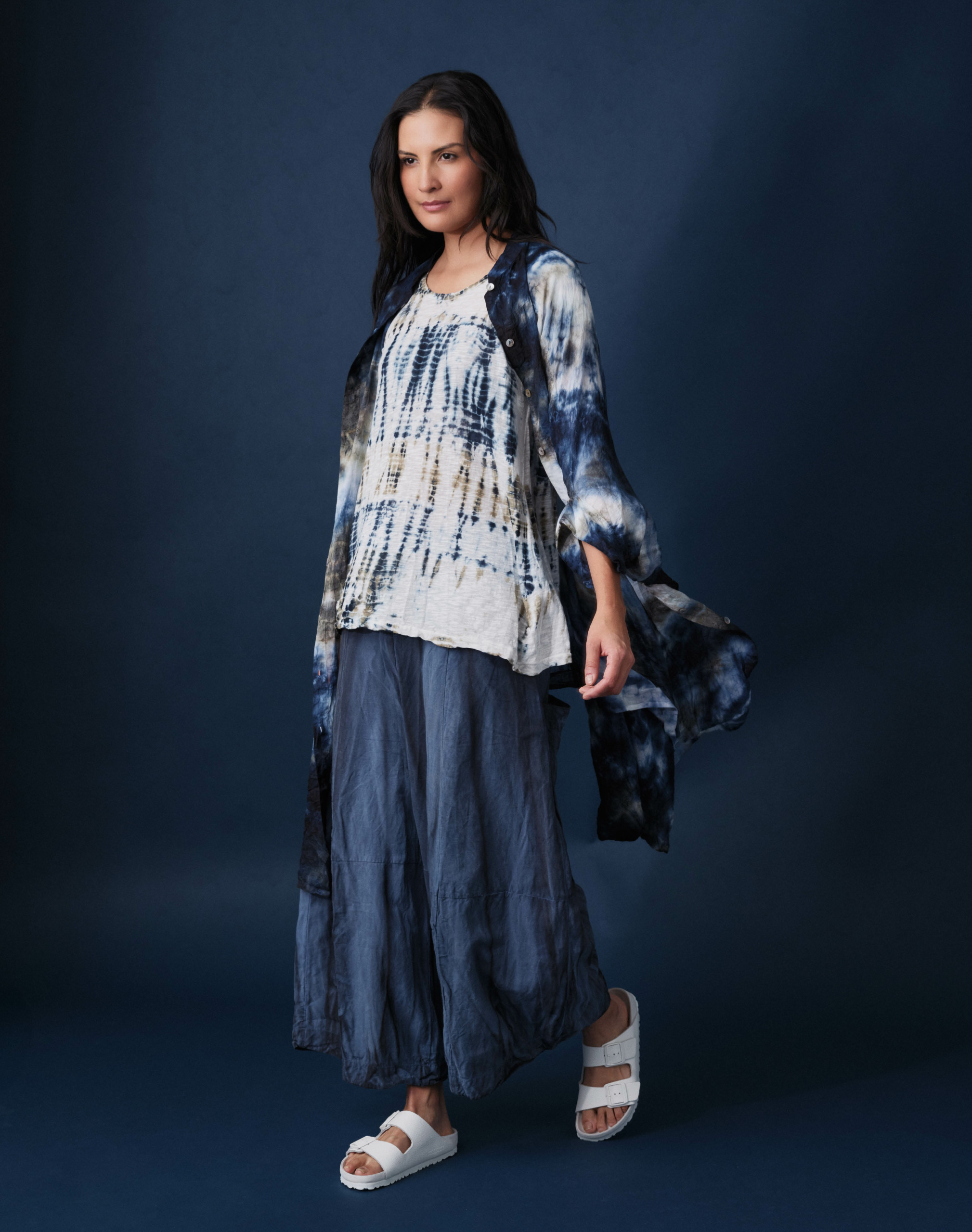
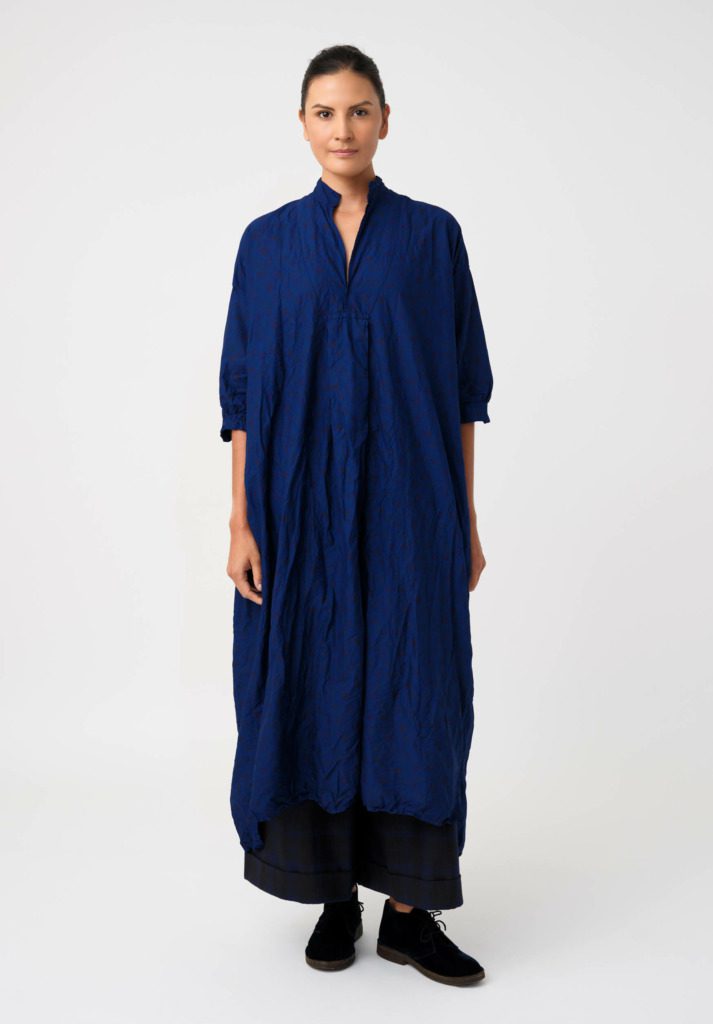
Winter can feel like a time when everything fades and softens into gray, but Gilda Midani makes blue hues shine with verve and creativity. Her resort collection evokes images of the archipelagos, white seafoam and deep mineral tones of Fernando de Noronha, Brazil, allowing us to imagine that we’re lying on a pristine beach, even as we head into the chilly months.
Gilda’s latest offerings marry unique versions of her signature free-form dye techniques with a color story crafted exclusively for Wild Life. The line is awash with crimps, geometric patterns and artsy splashes in oceanic tones. Patterns which mirror schools of Blue Tang fish, waves crashing upon the shoreline and dappled light beneath the water float dreamily across the body.
Simple silhouettes make an appearance in airy linens, soft cottons and silks that feel as effortless as snorkeling through crystalline seas. Each piece drapes and takes on dye in a different way so every garment is a one-of-a-kind wearable getaway.
This collection from Gilda evokes both the tranquility and playfulness that we desire from a tropical vacation. Clothing that captures the essence of blue in all its forms: splashing, calm, luminous and full of possibility.
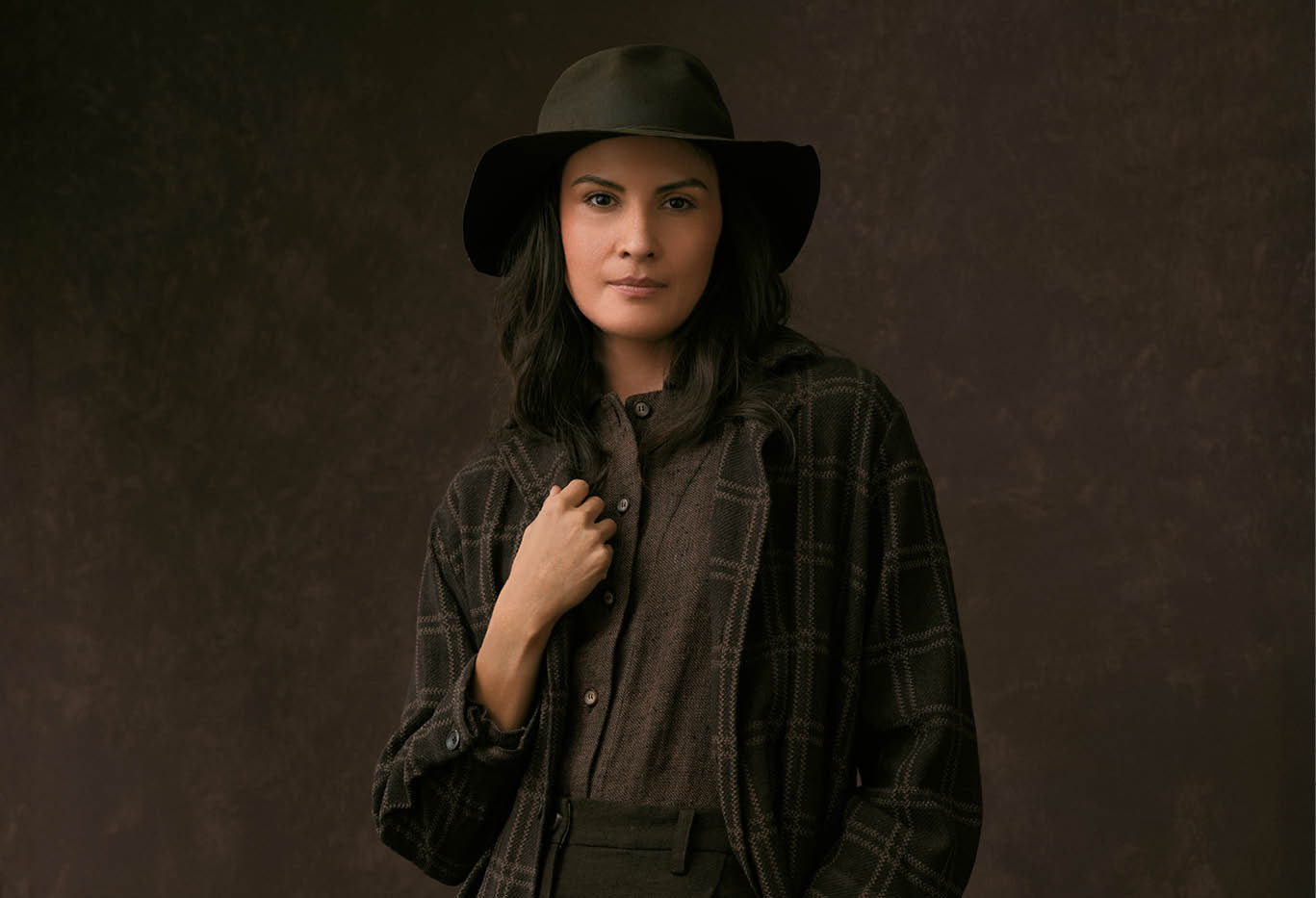
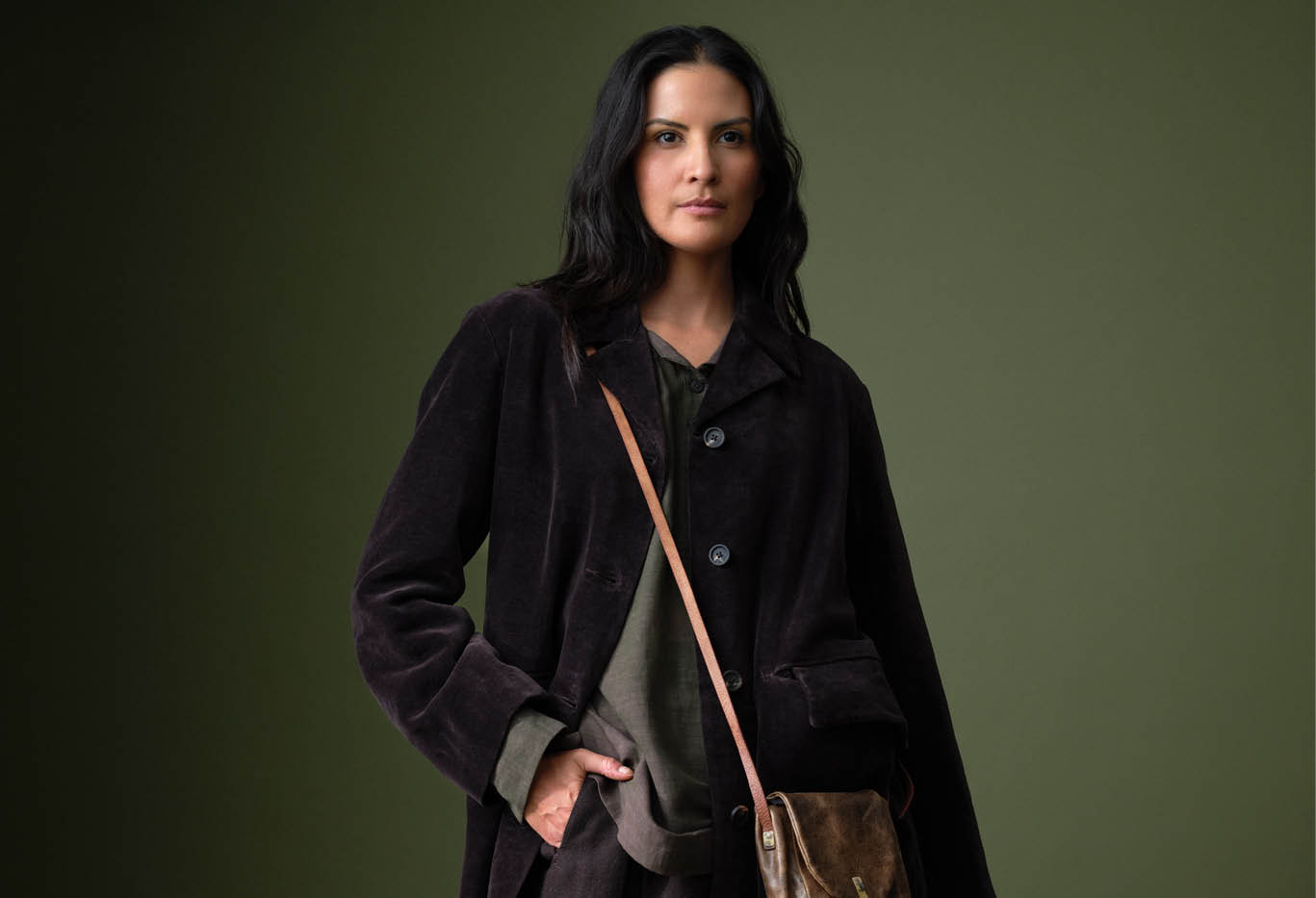
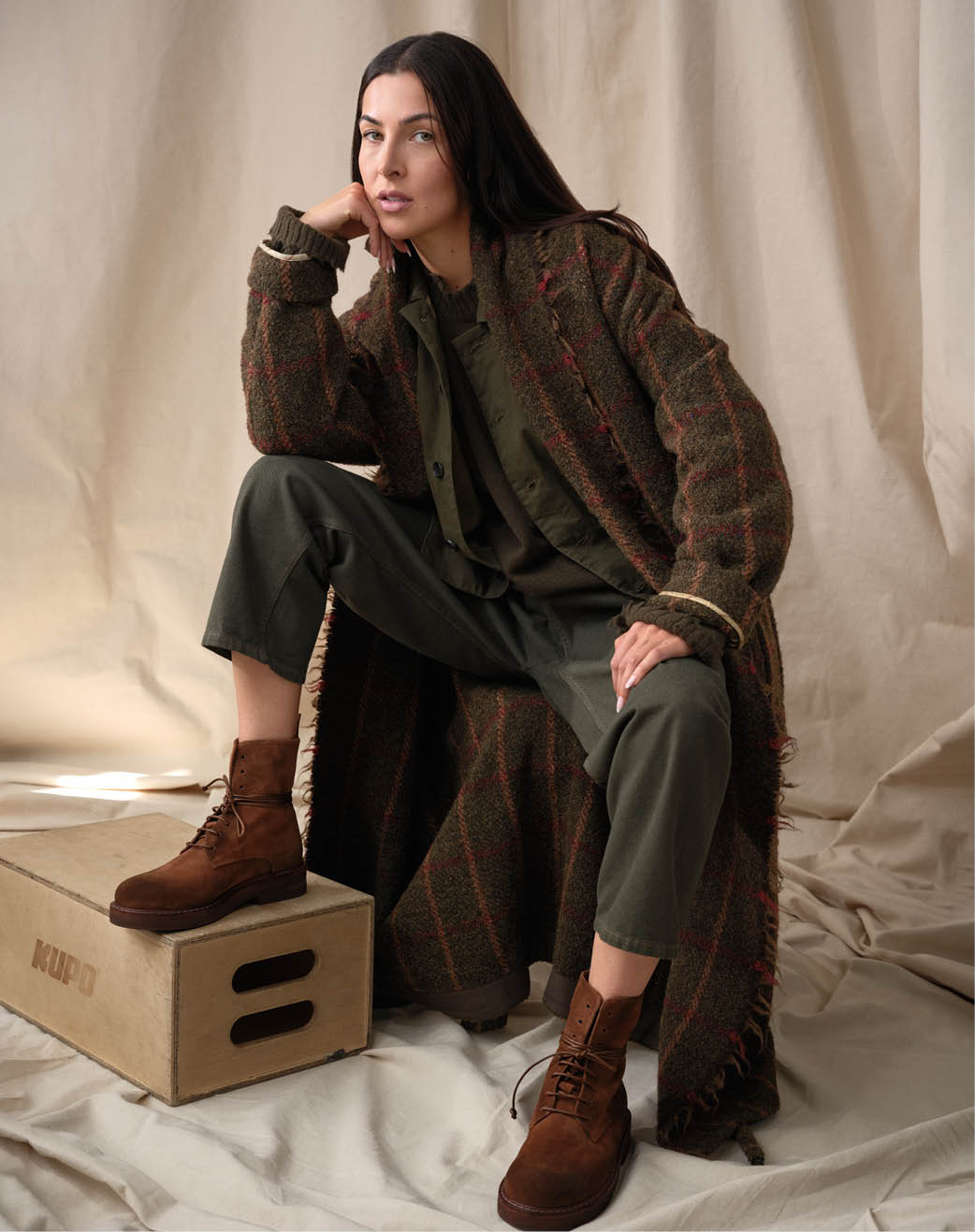
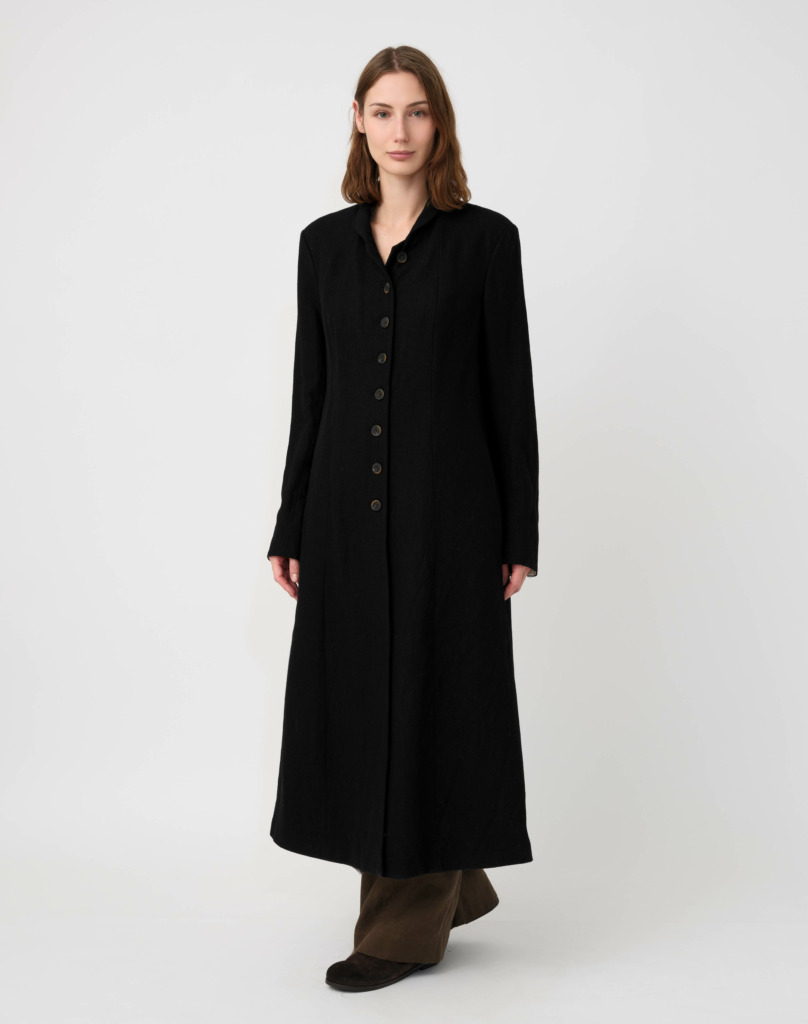
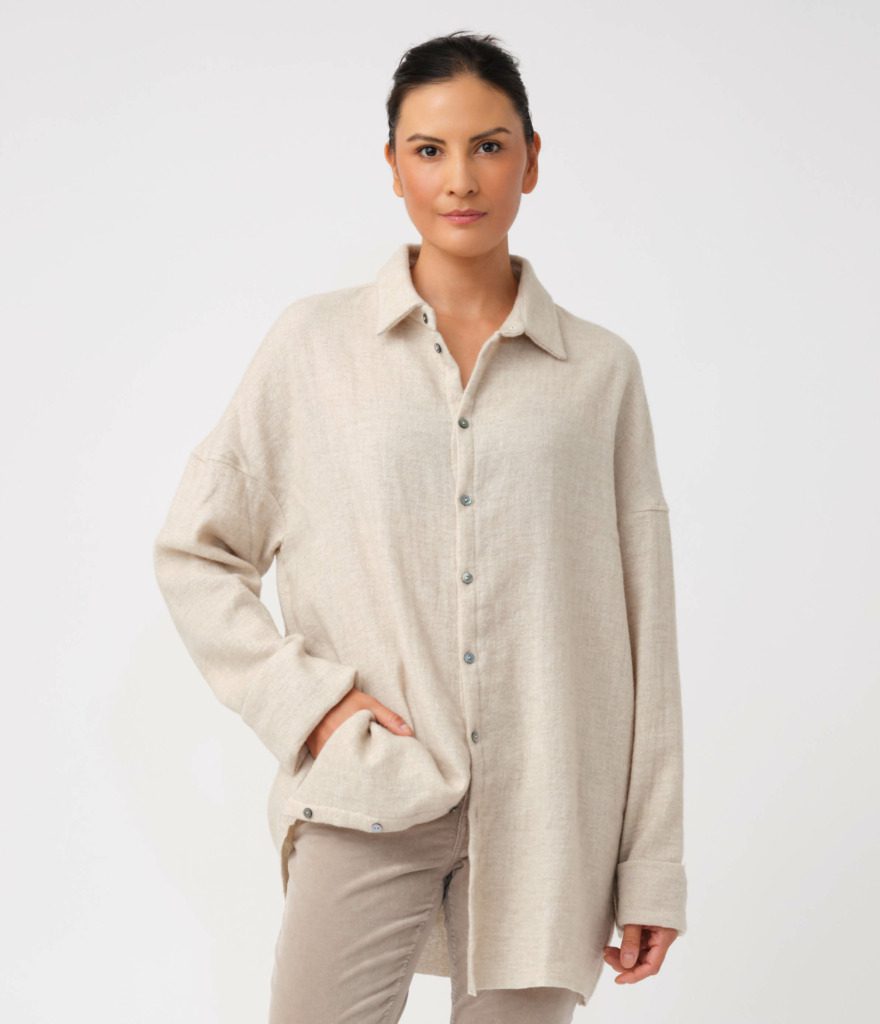
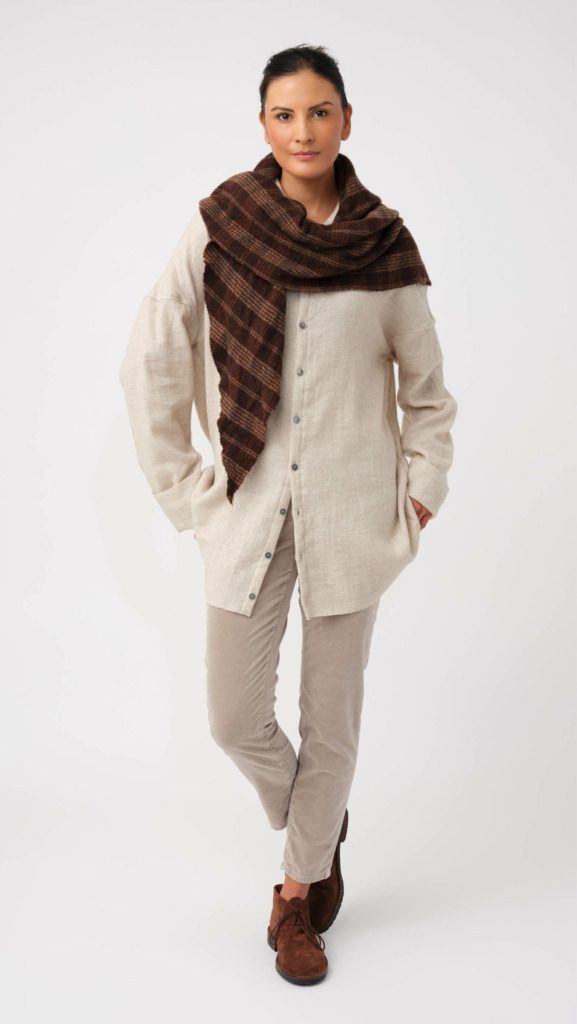
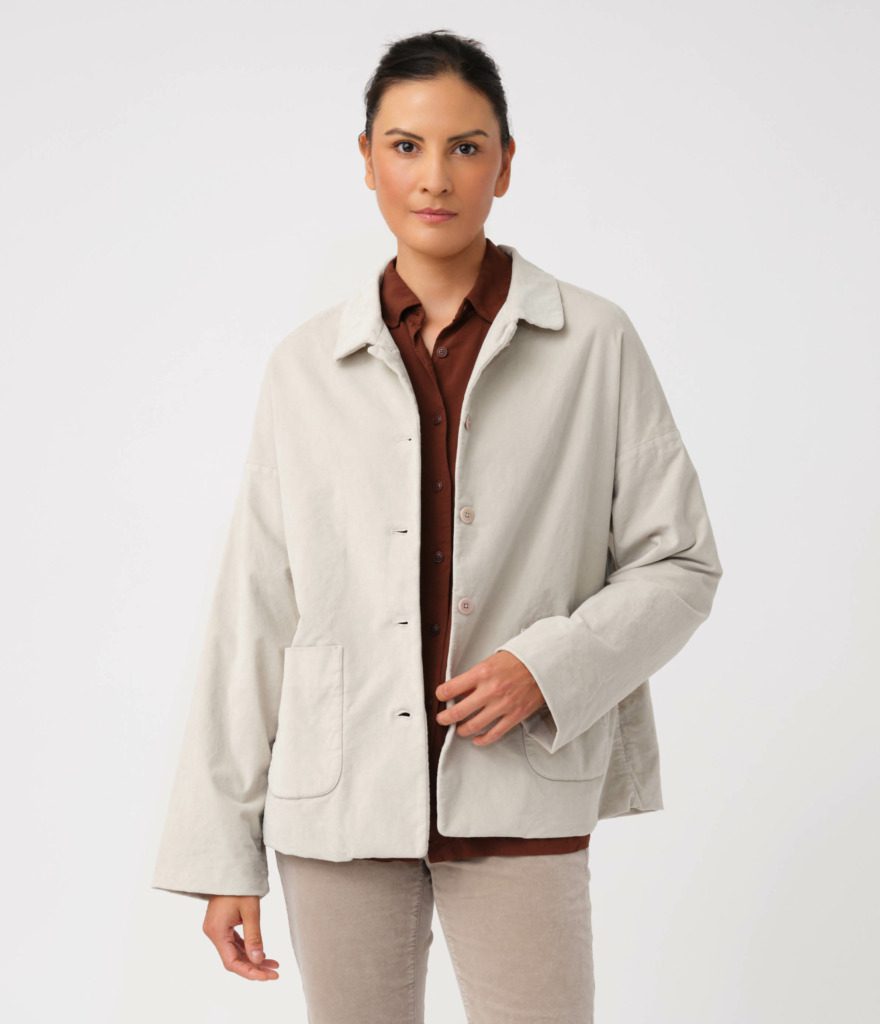
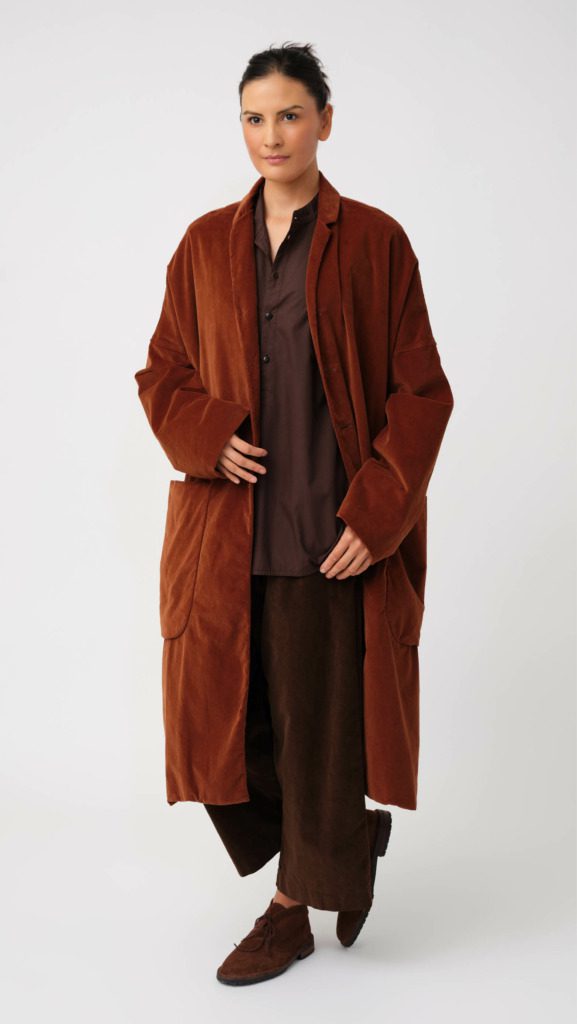
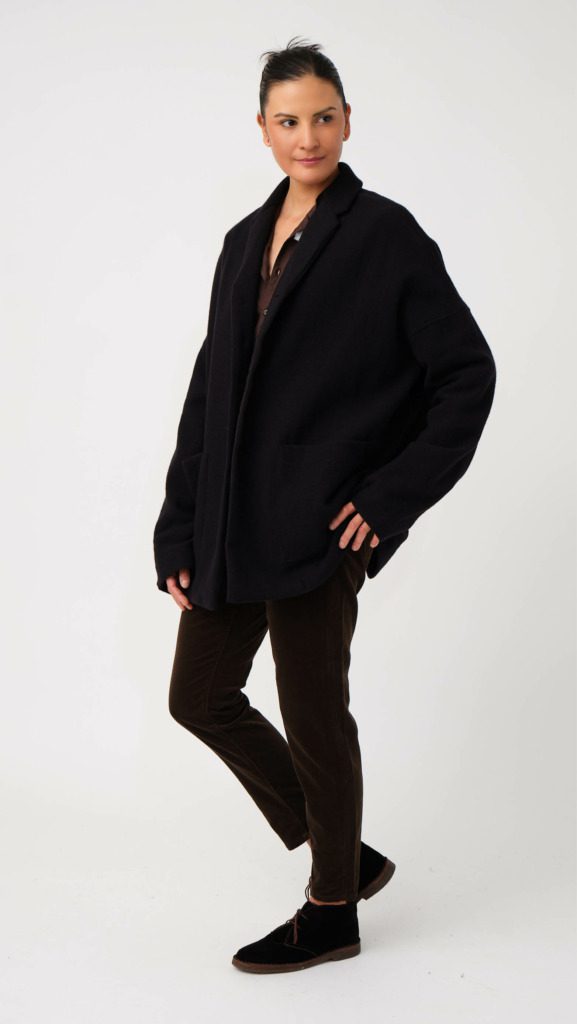
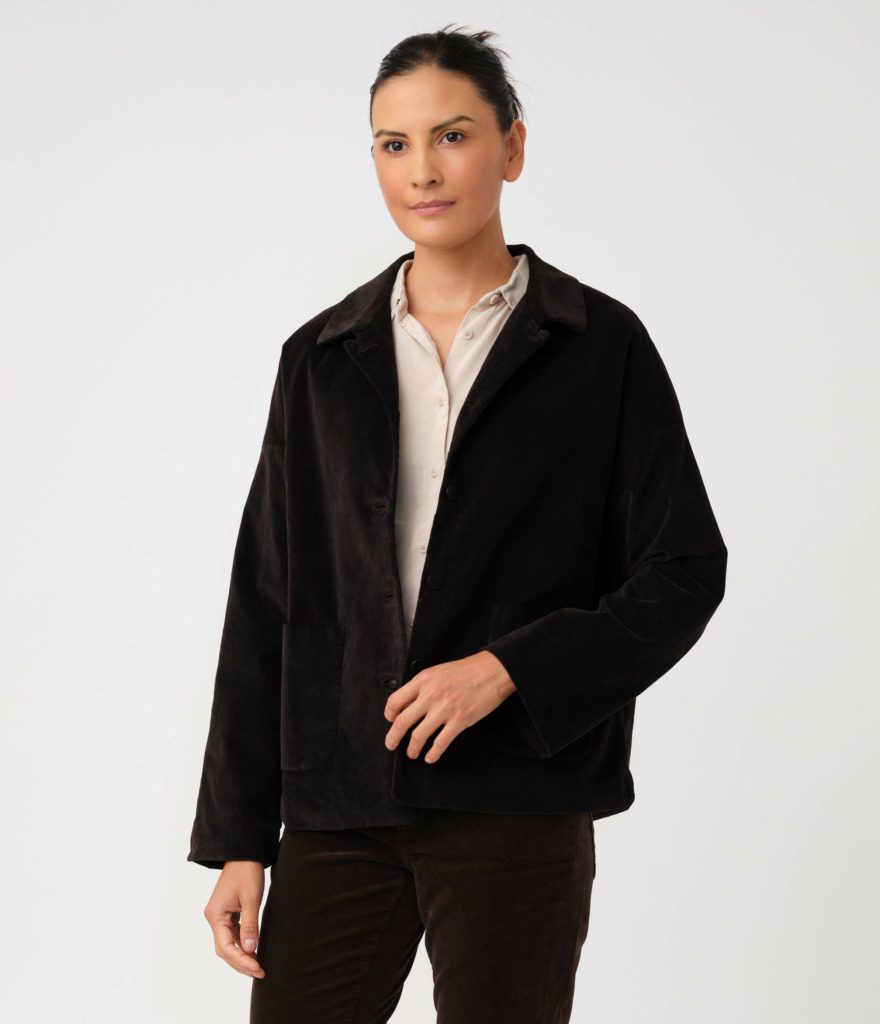
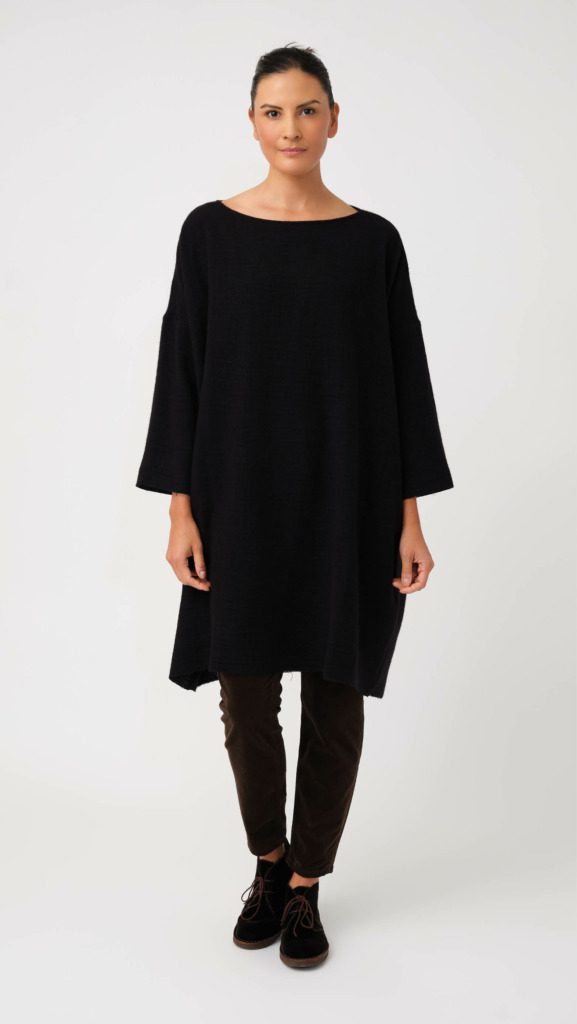
For Fall/Winter 2025, designer Koeun Park presents a wardrobe built on the power of reduction. Each silhouette for her label, Forme d’Expression, is built up in layers before being pared back. Familiar elements of tailoring—lapels, clean seams, fluid drape—are refined until they feel effortless. Her palette remains anchored in the deep neutral tones we loved for spring, with monochromes and muted earth tones that lend strength without the need to shout. The result is a collection that trusts silence—honoring the absence of excess as much as the presence of design.
Though the silhouettes are oversized, Koeun still emphasizes the female form. Each piece feels particularly sculpted, with shapes that follow the body and tailoring that frames the shoulders. The garments are organic and deconstructed, however free movement is paramount to the Forme aesthetic—anything that constricts flow is removed early in the design process.
Throughout the collection, Koeun’s couture training is on full display: attention to construction, layering of post-work, fabrics chosen for how they move throughout wear. A drape of linen blends into soft stitching and a jacket’s off-center closure speaks of intention rather than theatrics. This combination of wearability and quiet purpose lends the collection its timelessness.
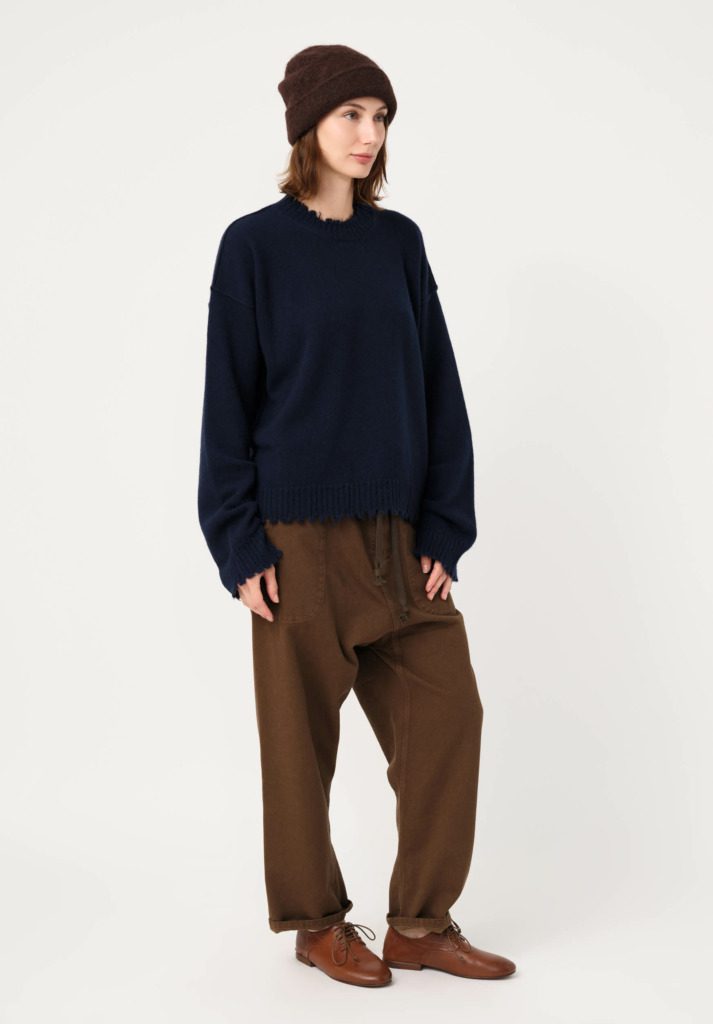
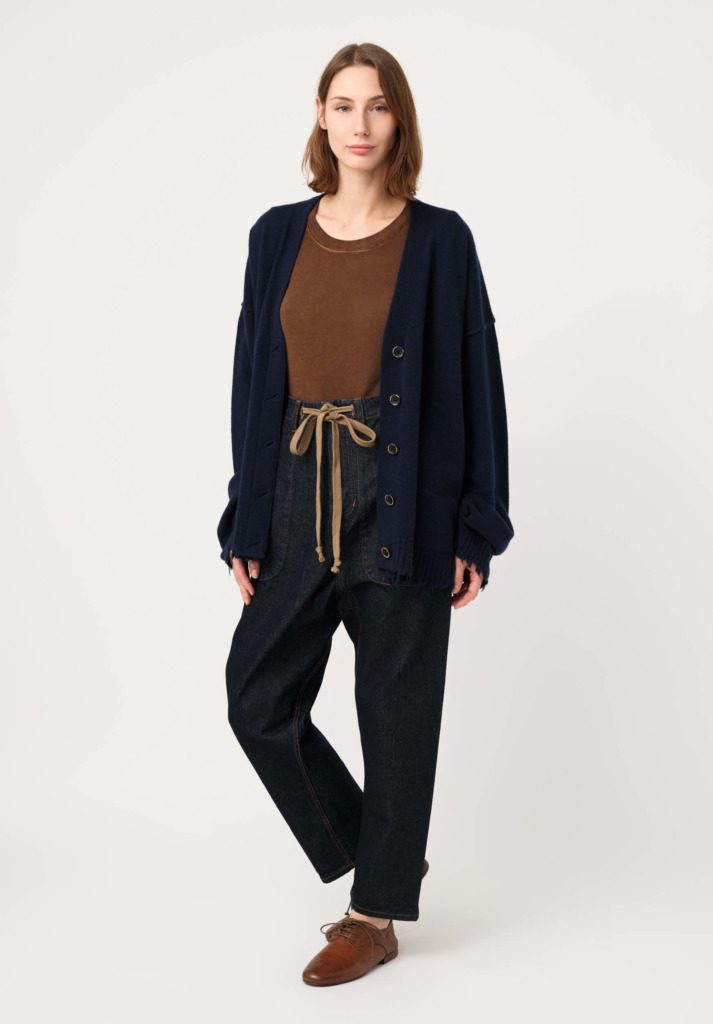
We often seek Forme d’Expression for pants, but are finding ourselves most drawn to Koeun’s selection of sweaters for the season. Rendered in a fine blend of yak fibres, these knits are substantial but plush in the hand for a subtle mix of minimal and rustic.
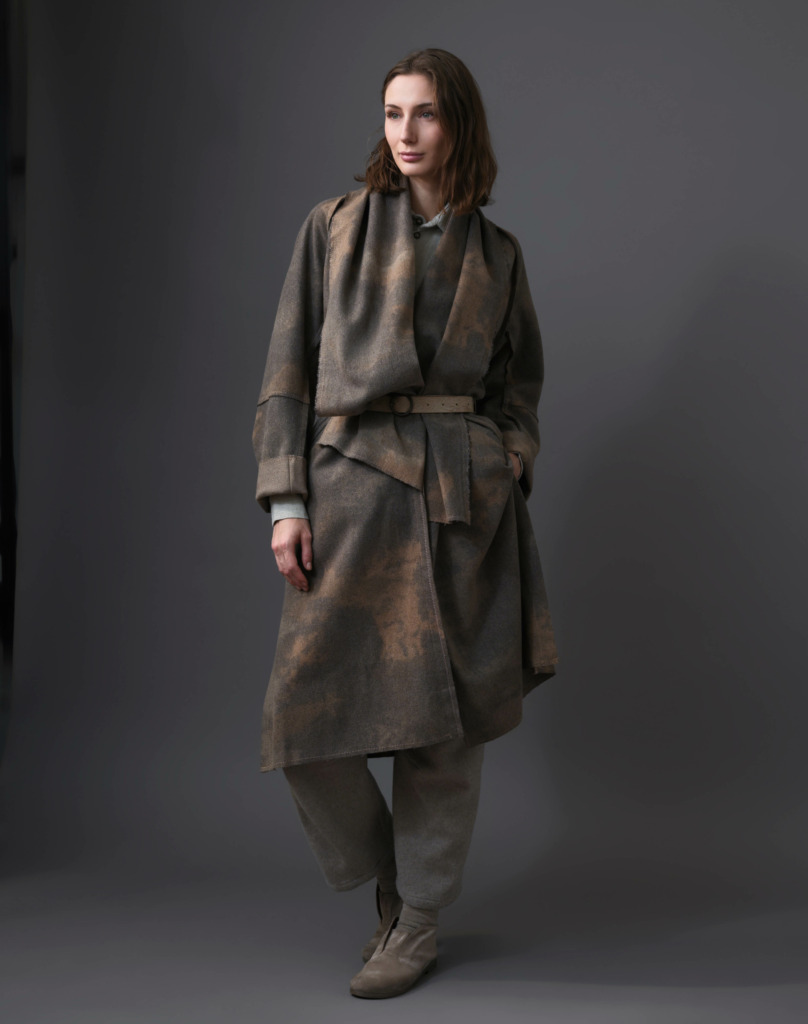
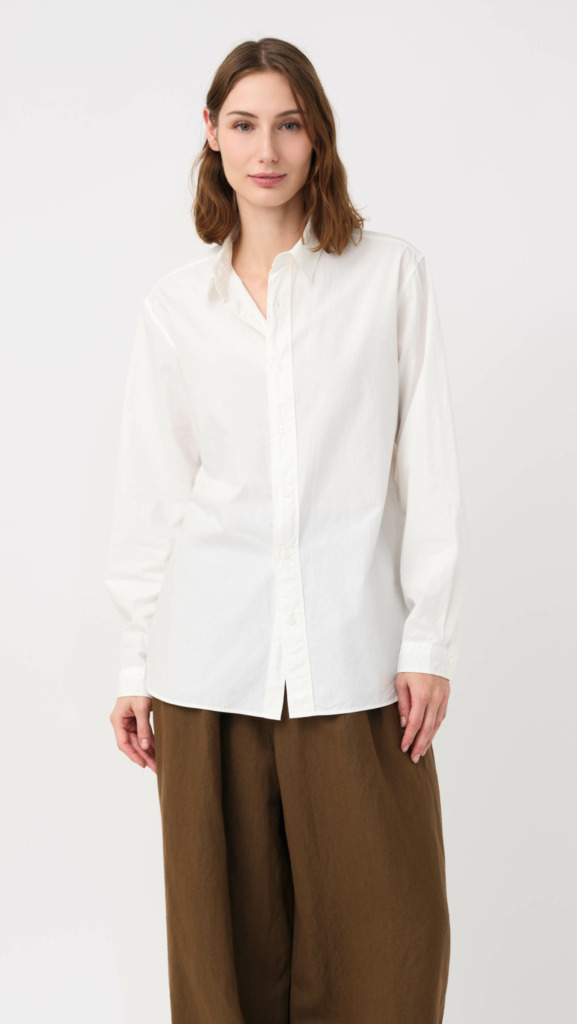
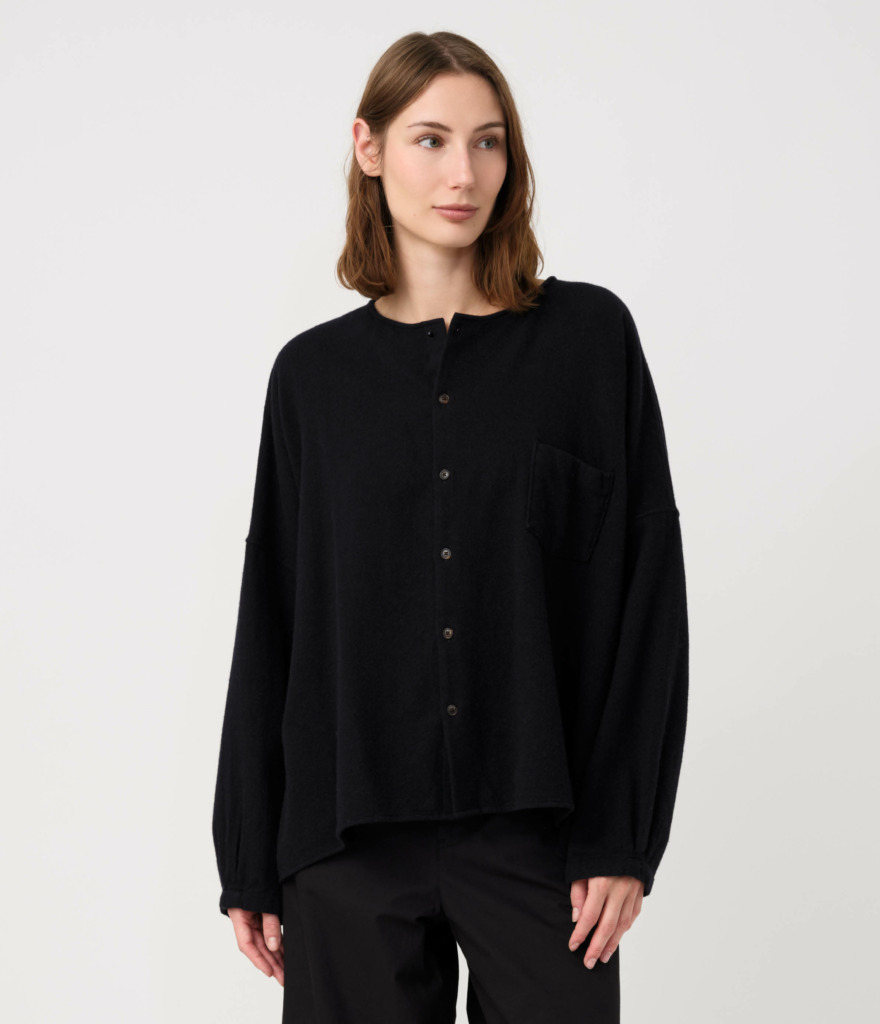
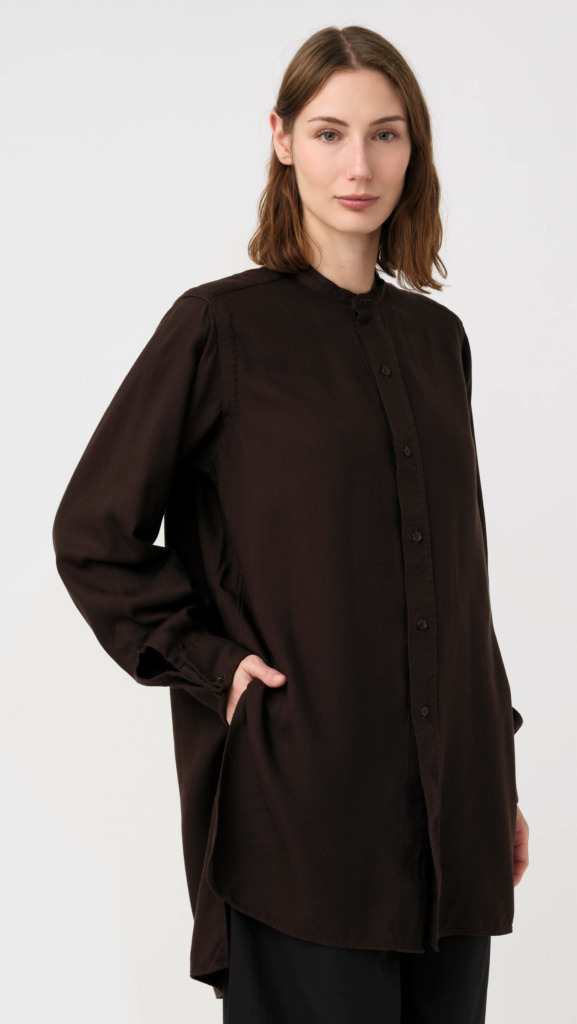
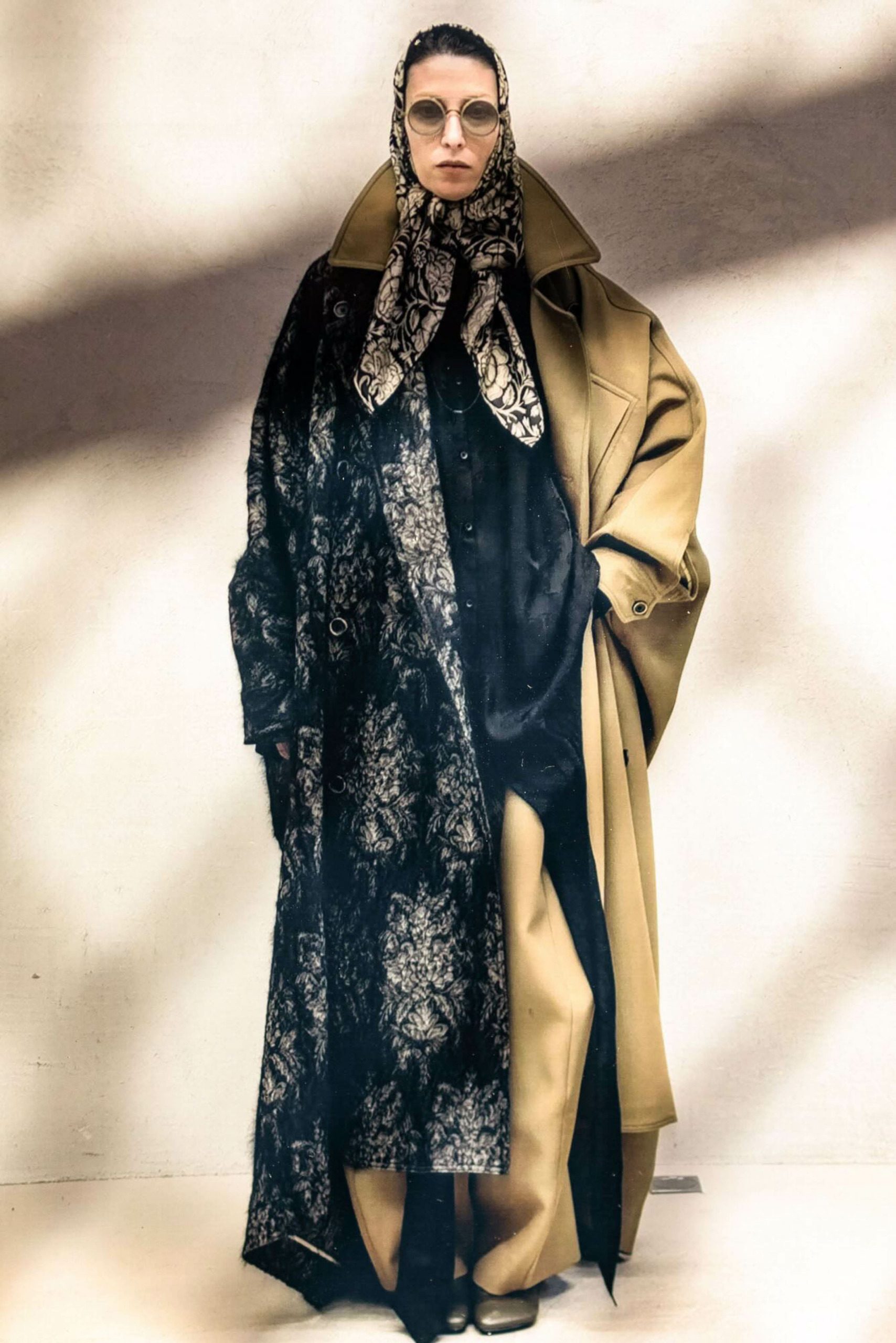
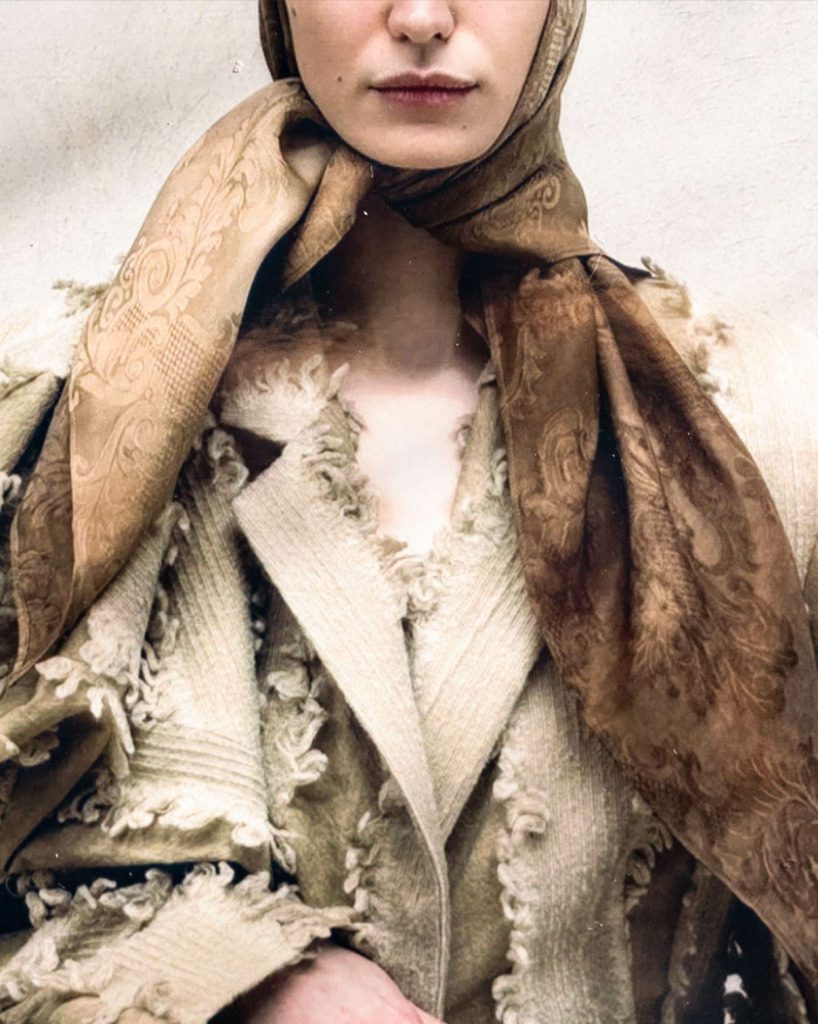
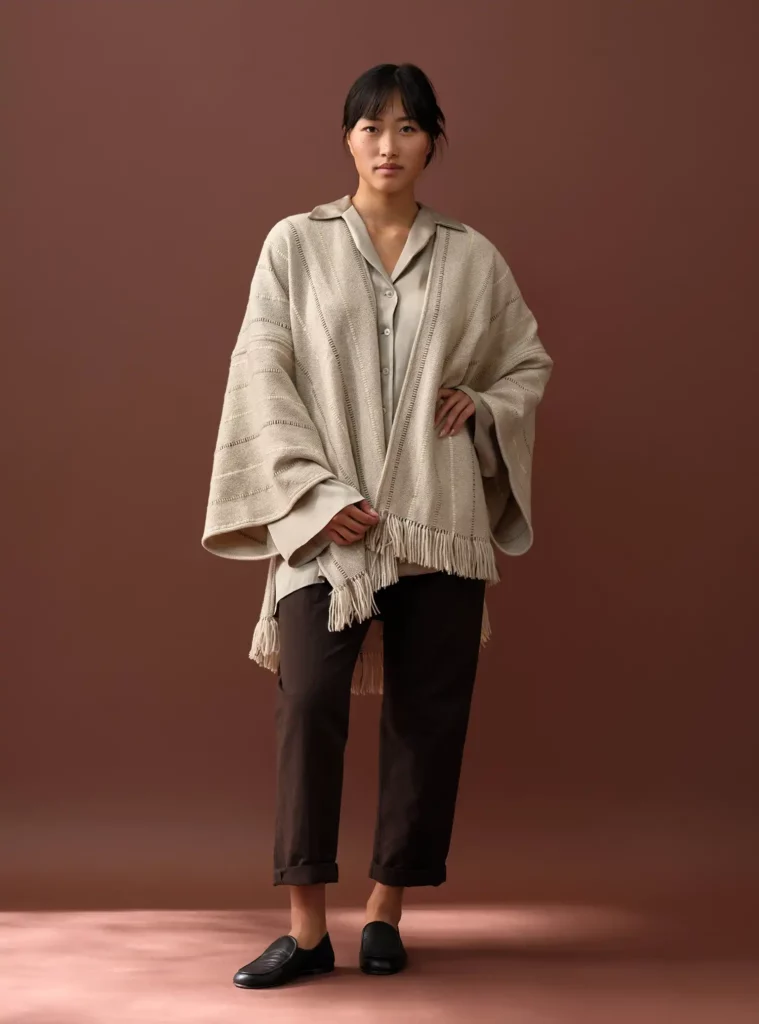
Here in one of our favorite palettes for fall, Kaval has arrived to Workshop with quiet power. Rendered with deft skill, the studio coalesces cashmere, washi and smooth silk twill into a collection of soft structures that speak to the brand’s intellectual minimalism. This patiently awaited delivery centers around deep chocolate browns and earthy neutrals counterbalanced against a handful of cashmere-forward winter whites.
Each Kaval piece is assembled on antique sewing machines–a crafting peculiarity that not only allows for better consistency when working with handwoven fabrics, but lends every seam a unique tension and finish that modern machines can’t replicate. This old-world-meets-new approach embodies the core of a slow fashion wardrobe, highlighting the potency of even the smallest design decisions.
Kaval marches to the beat of their own drum: we do not receive their deliveries on the same prescribed schedule as the larger houses. Instead, this studio sends us their collections as they are ready. This means that we may get a few coats in the middle of April, a handful of gorgeous shirts in July… and sometimes we may not receive their full Fall/Winter collection until we are deep into the season, as is the case now. However, this is hardly a dark mark on the studio. By taking their time and perfecting every detail, Kaval reminds us that the best things really are worth waiting for.
In the city of Kobe, Japan, designer Junji Koike creates pieces that honor both the past and the planet. Since 2002, his label, Christian Peau, has reshaped the space where tradition meets innovation, blending precise craftsmanship with a contemporary edge.
Each bag tells a story of European craftsmanship intertwined with Japanese philosophy where Sabi (the beauty of aging) and Yūgen (subtle grace) find form in sumptuous, hand-treated leathers. Junji’s approach is one of reverence: for nature, tradition and the enduring touch of the human hand.
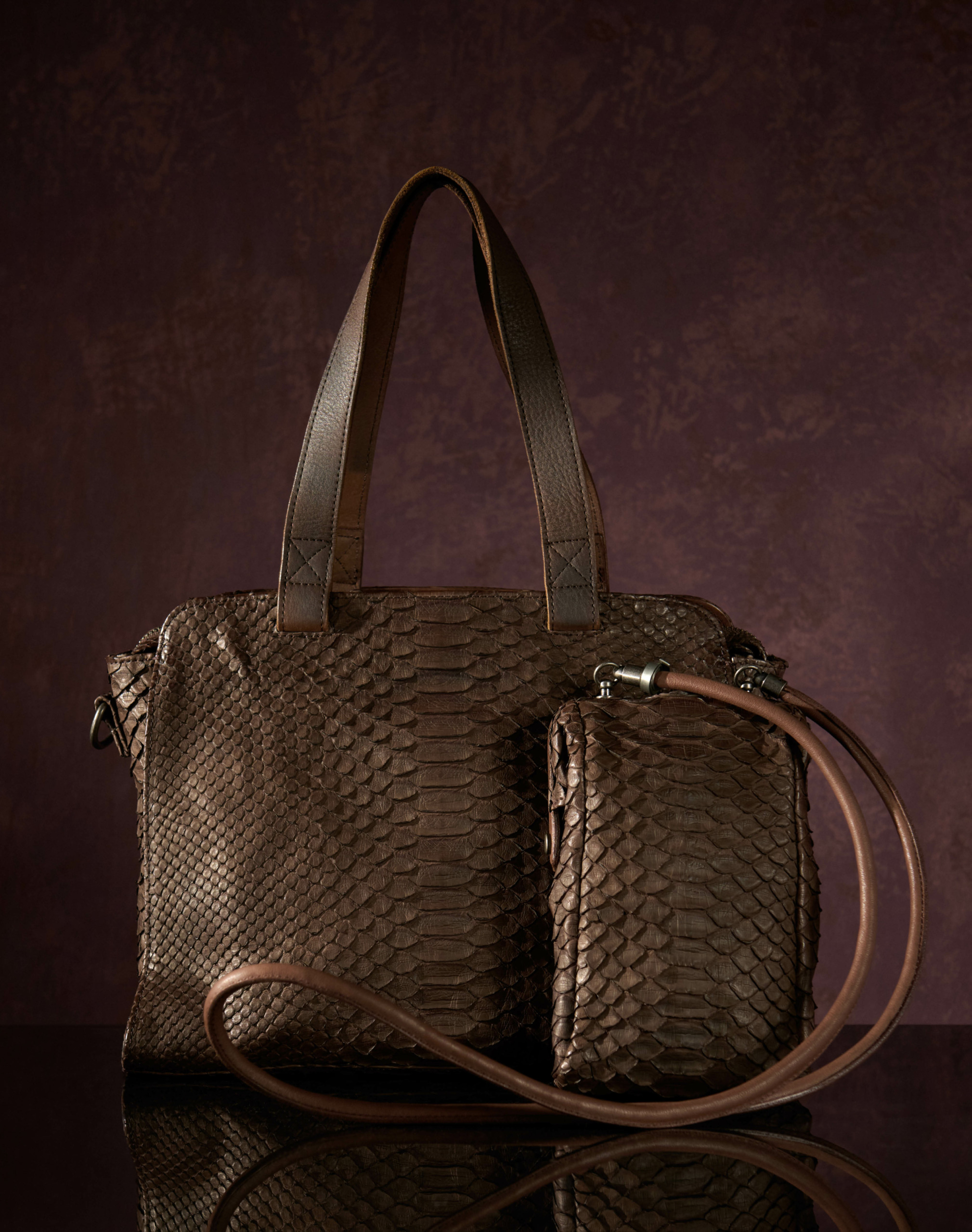
Christian Peau’s creations feature exotic hides of python, crocodile, or lizard, all of which are ethically sourced and used in their entirety. What begins as material becomes meaning—hand-dyed, hand-stitched, hand-finished. This serves as a dialogue between the old world and the new. Materials are chosen not for extravagance, but for sustainability and longevity, creating a modern heirloom.
No two bags are quite the same. Over time, their surfaces evolve: deepening in tone, softening in texture and carrying with them the quiet presence of history.
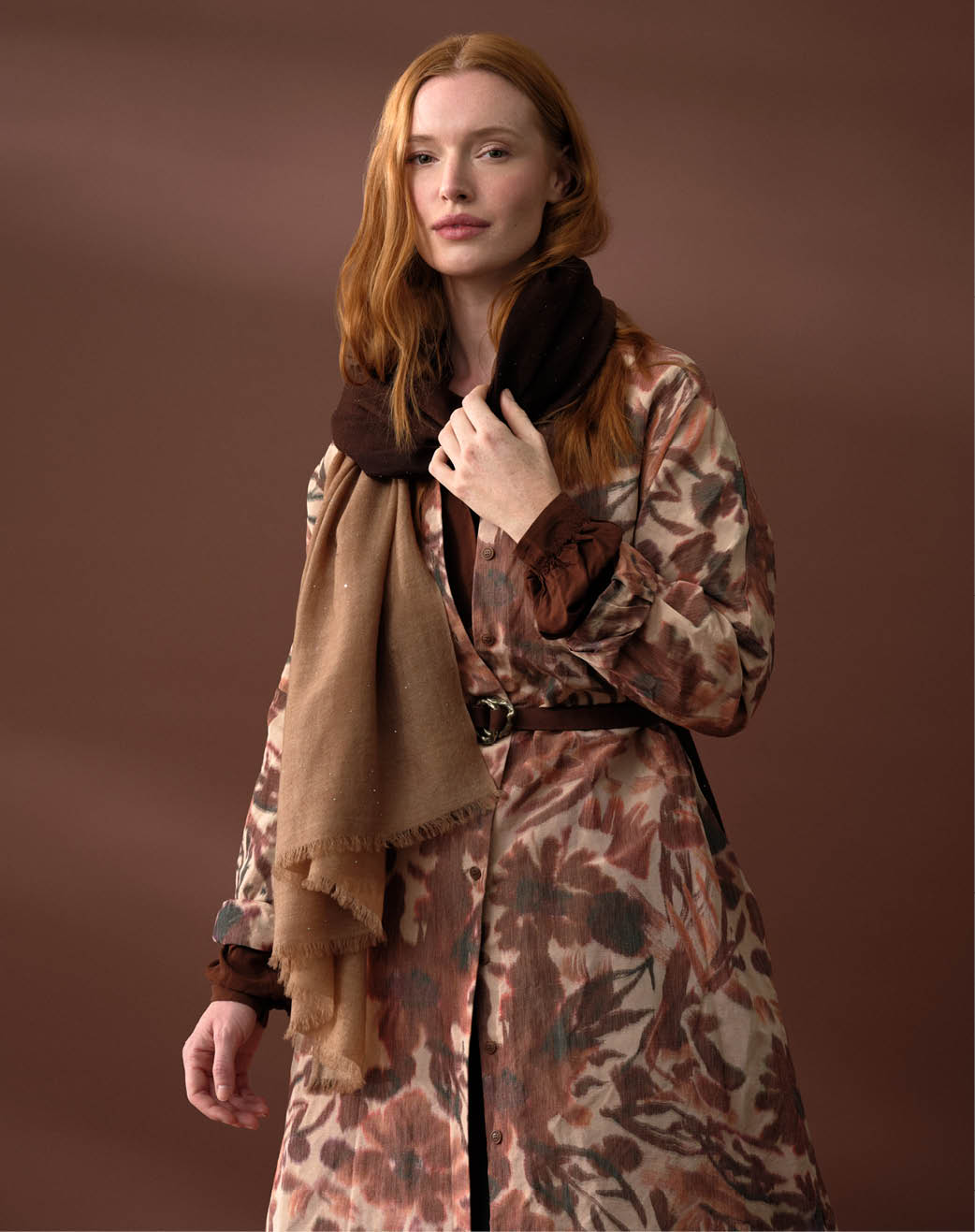
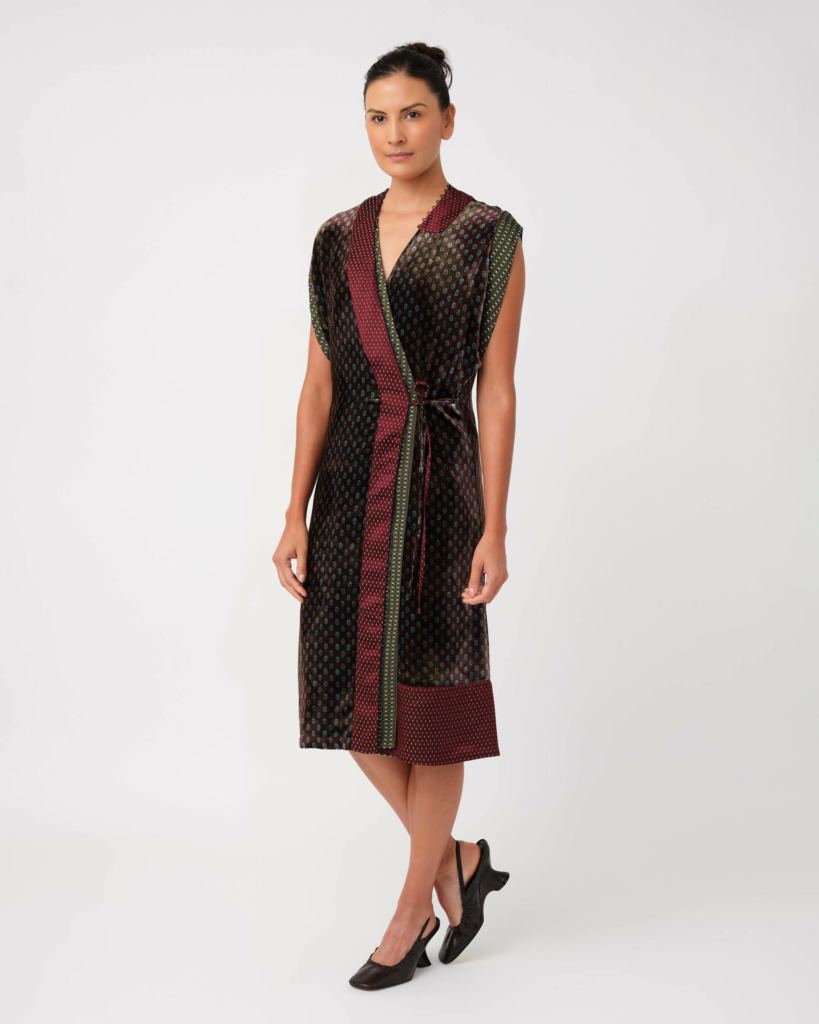
Similarly, Junji’s apparel collection uses repurposed Japanese silk ikats in bold colors to create feminine, unassuming silhouettes that lay lightly against the skin. It’s not imperfection, but evolution: a reflection of the philosophy that beauty lives in transformation.
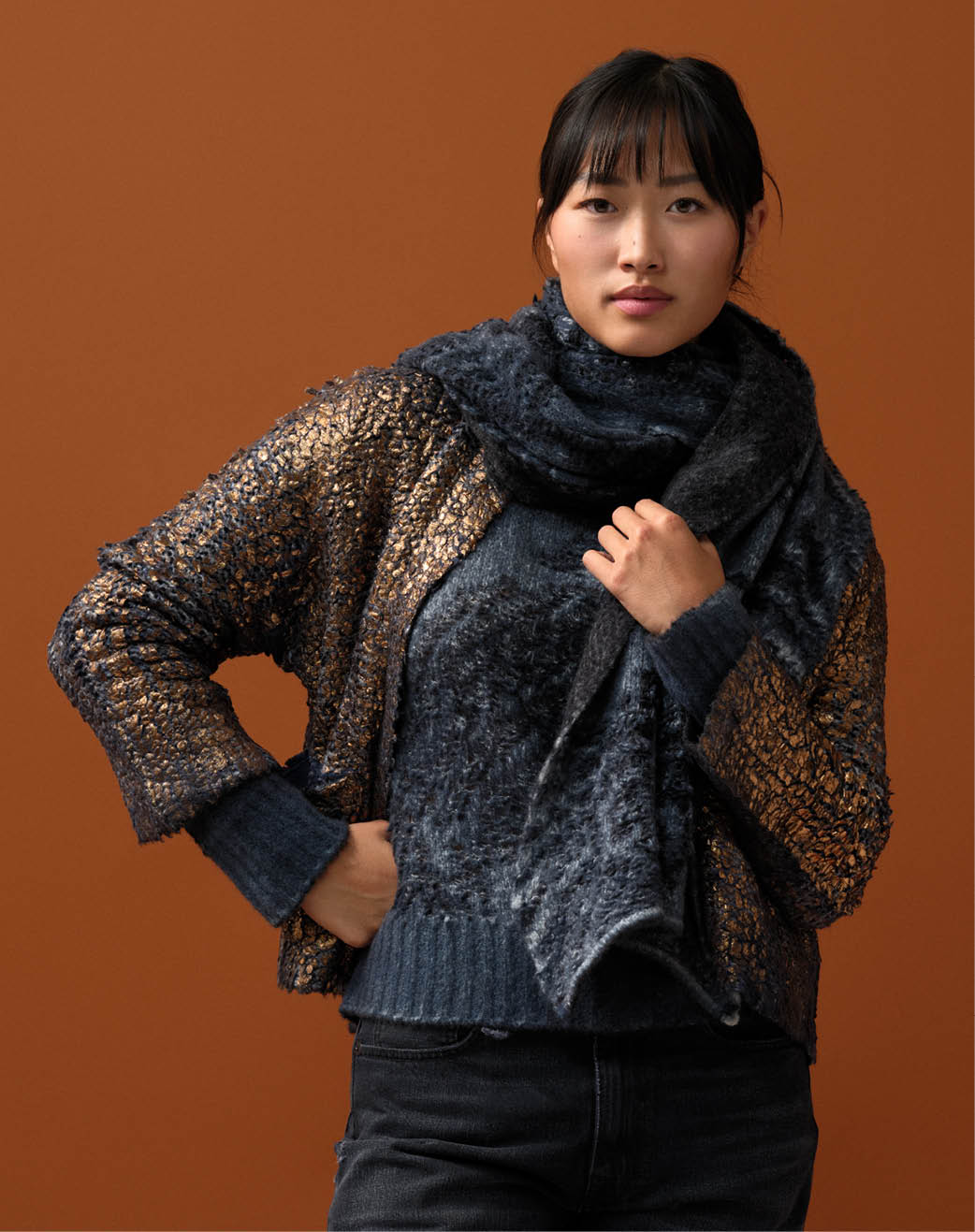
In the words of Iris von Arnim, her design is a tribute to “the confident style of strong women.” True to this ethos, her collection of knitwear for Fall/Winter 2026 speaks to the needs of modern wear—ease, comfort, versatility—in a way that lays the foundation for its wearer’s composure. Not only are the pieces subtle and well made, but each is rendered with the laid-back classicism the brand has been revered for nearly 50 years.
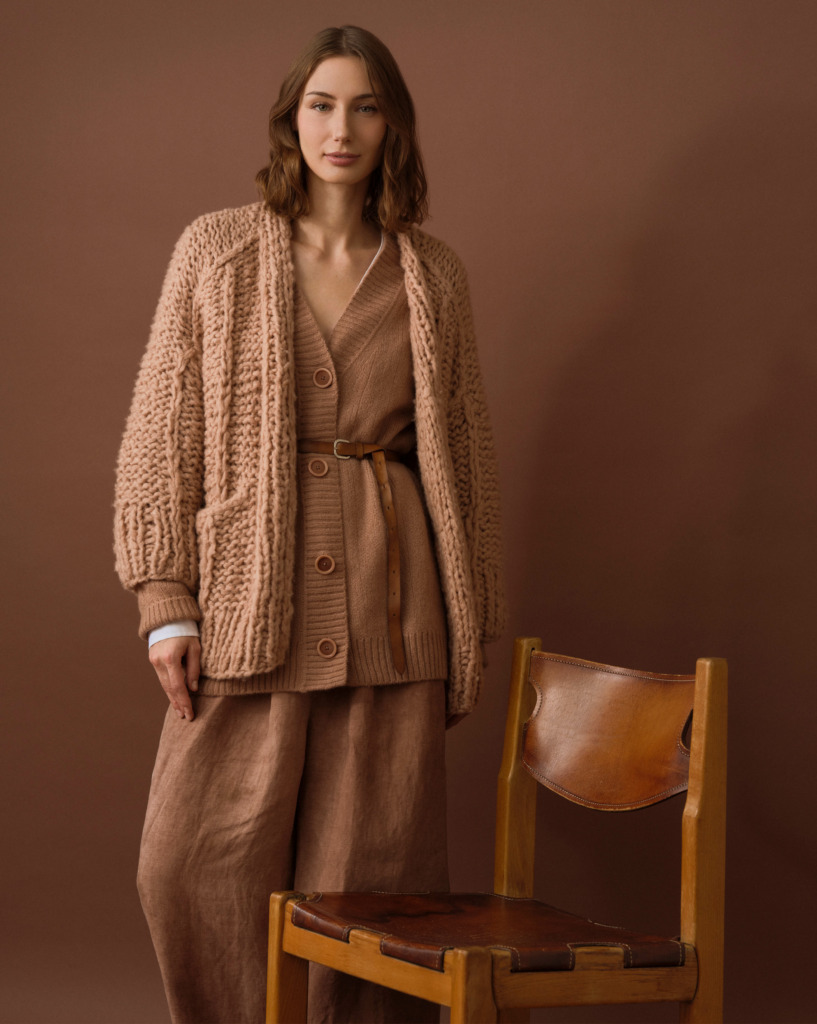
The silhouettes hold the clean refinement of classic European garmentry while staying true to the humility of heritage knitwear. Of note in the materials are the multiple treatments of super-soft cashmere—present in chunky hand-knits, flatweave shirting and smooth, brushed cashmere cardigans alike. The brushed cashmere in particular is exceptionally light while retaining its warmth. The fibers on these pieces are kept deliberately long to lend the silhouette a tactile, soft focus.
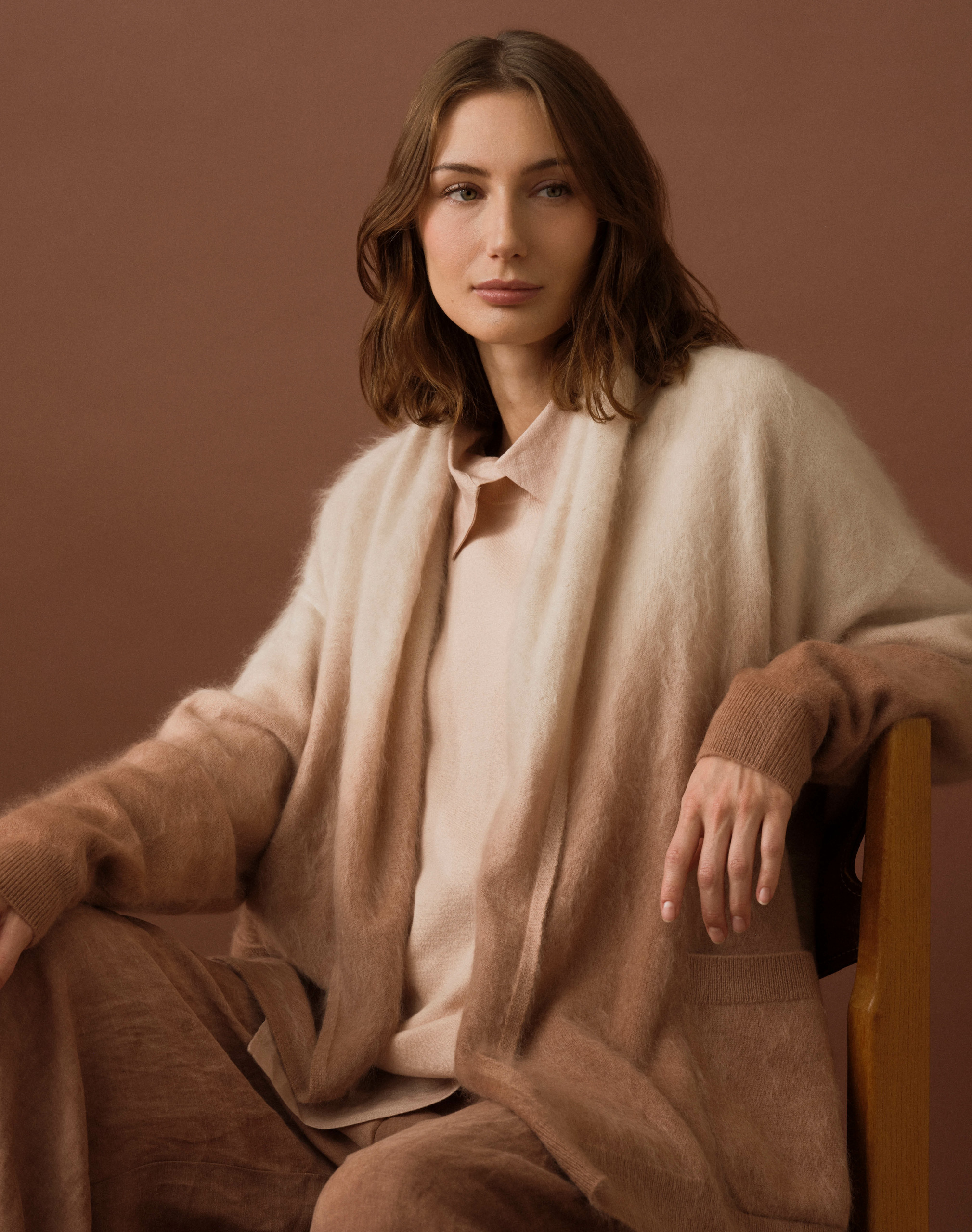
In a take on neutrals without the moniker, Iris sticks to a limited palette of earth-adjacent tones: a muted pink called Rosewood is the stand-out in the offering, presented alongside classical Navy and Alabaster. The ombre pieces that make up the core of the collection are one-of-a-kind. Each garment is knit, dip-dyed and then brushed by hand to create the unique color gradients.
Fashion is a conversation that allows designers like Biyan Wanaatmadja to share thoughts directly with those who wear his work. Through needle and thread, Biyan muses upon the mundane and the fantastical: the smooth finish of shell buttons and the practicality of a hidden zipper meeting strong opinions on the strength of nature and the magic of light. It is not difficult to discern Biyan’s point of view from his dramatic, highly-stylized collection: sometimes beauty should exist purely for beauty’s sake.
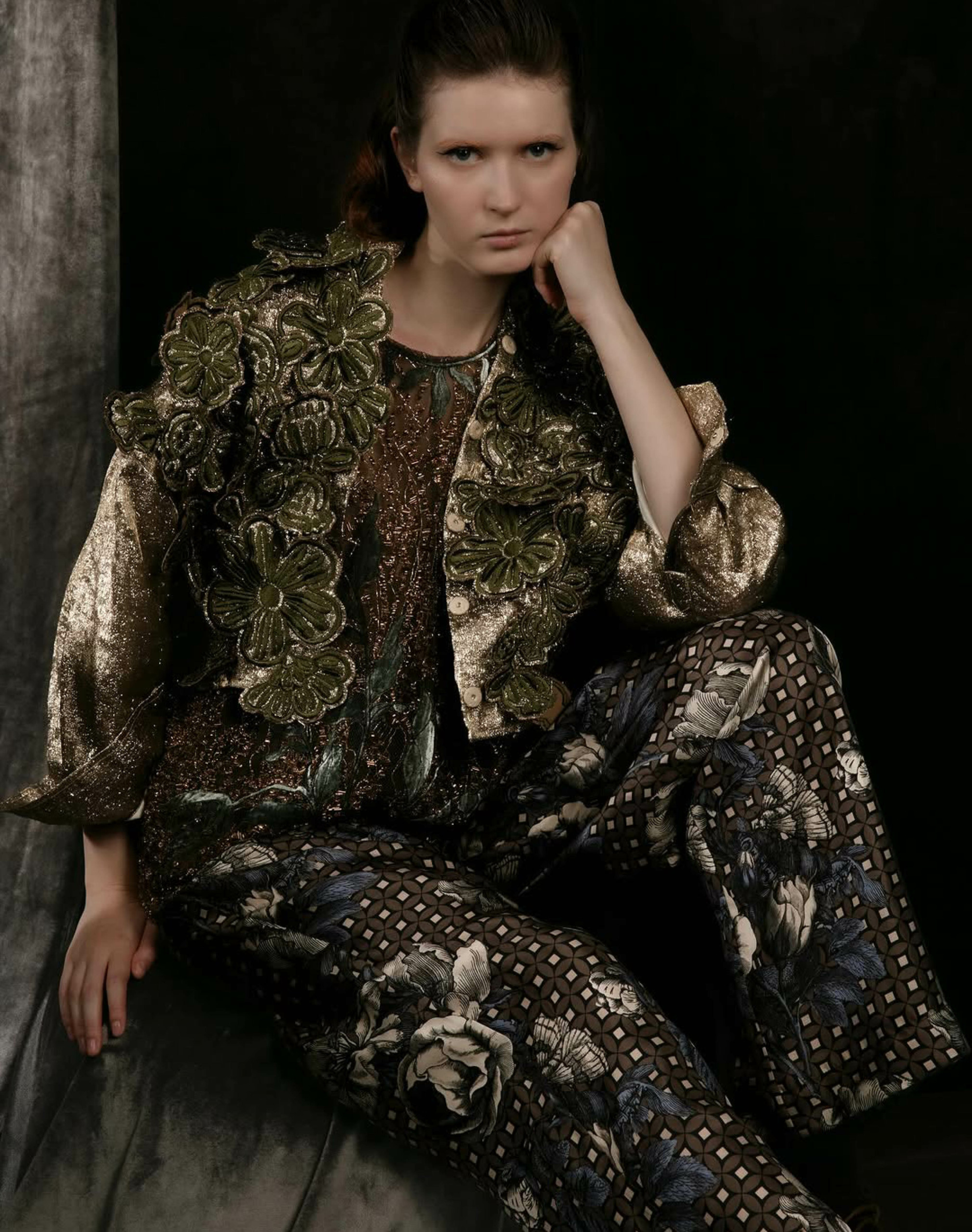
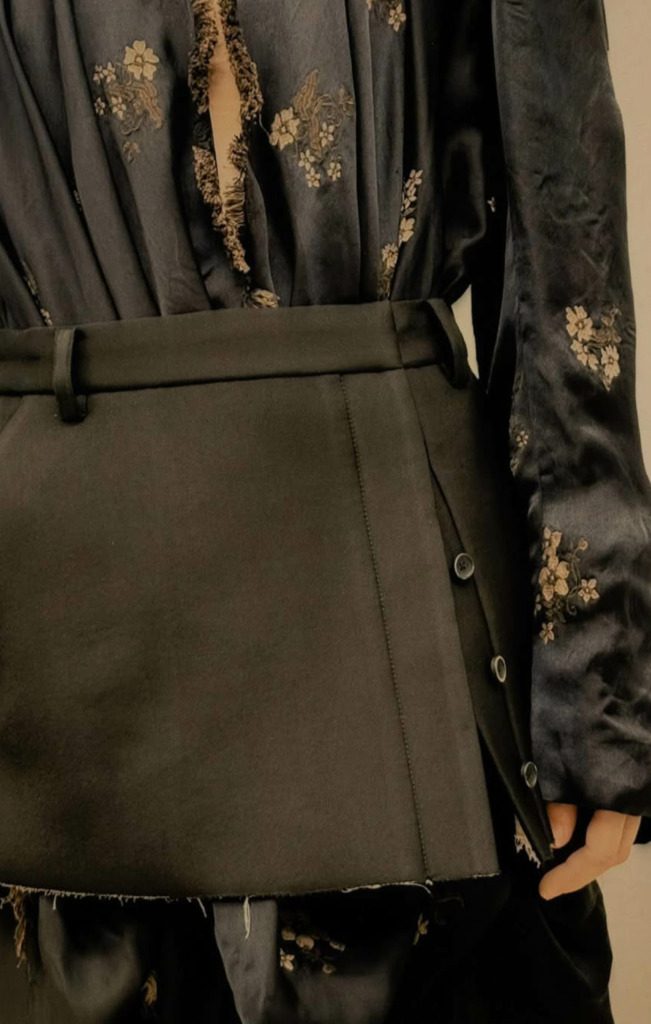
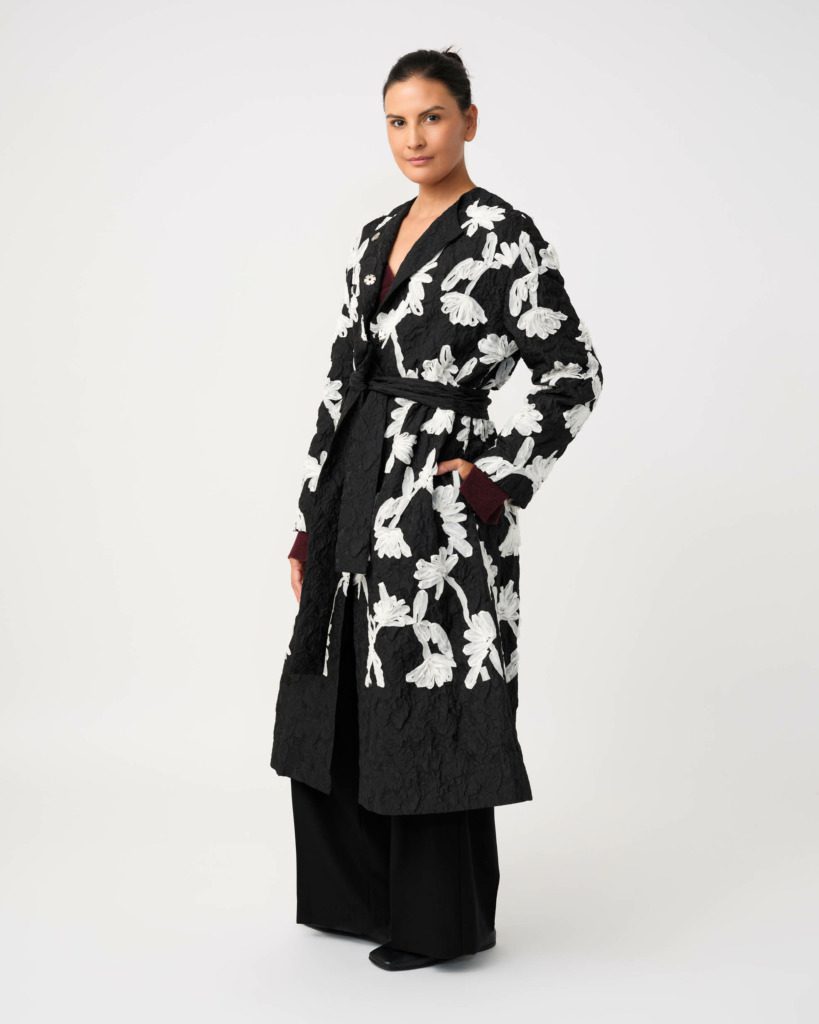
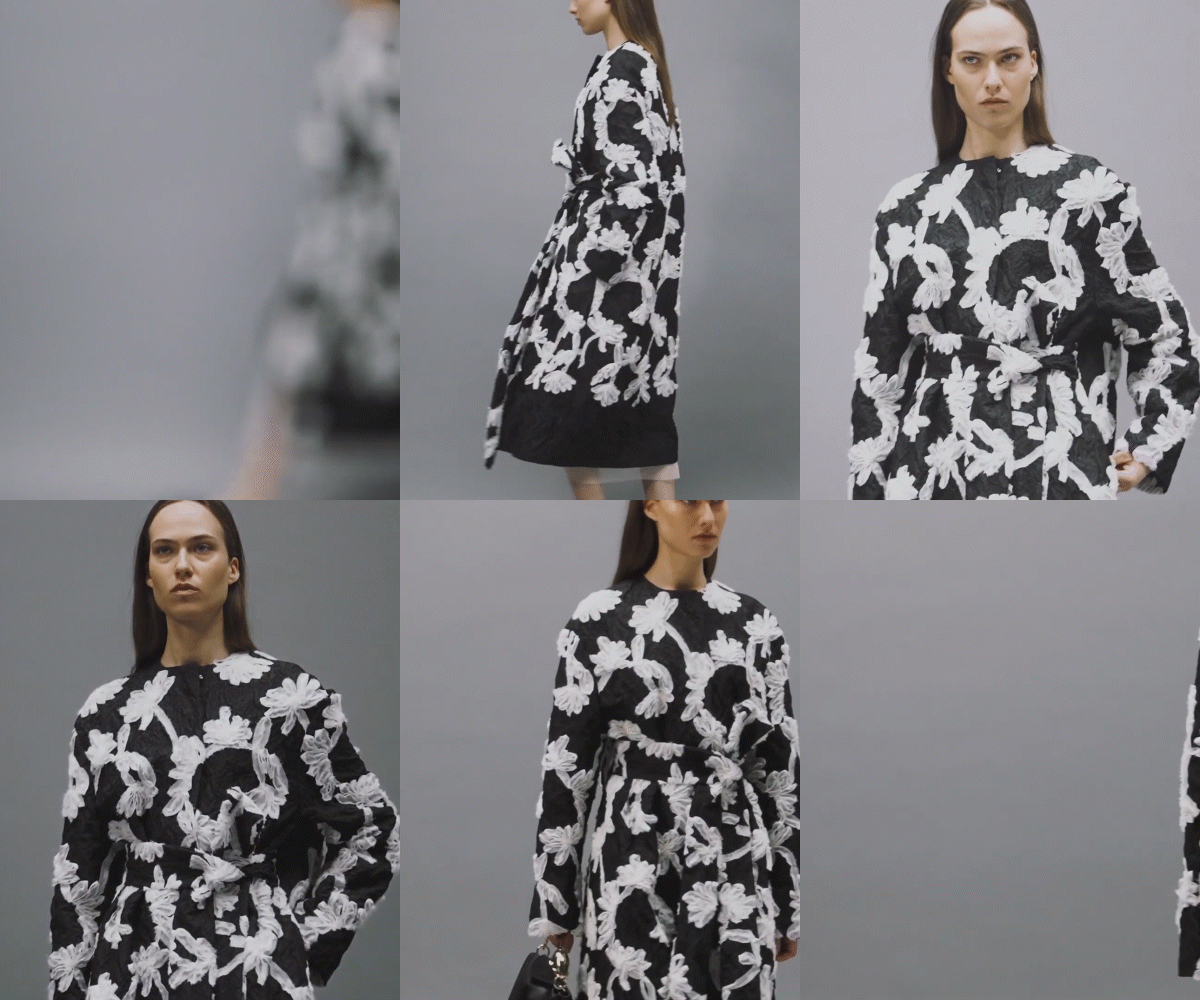
For Biyan, embroidery is a particularly powerful method of storytelling—embodied in a skill that represents the character and circumstances of its creator. In this delivery for Fall/Winter 2026, his stitching is instinctive and organic, as if the embellishments were rooted and growing in vines from the fabric itself. Even on the black silk of his jacket and coat selection for the season, light picks up across the glossy hand-beaded florals for a bas-relief effect. While we have seen Biyan play many times with appliqué… here, he seems to be working with light itself.
Notable in this collection is the presence of kain songket, a traditional woven fabric from Indonesia made by hand-weaving silk or cotton with gold threads to create intricate patterns—a technique similar to jacquard. This technique creates a “jeweled” effect without the need for additional embellishment, allowing Biyan to play with light without weighing down the draping. blah.
In the words of the designer, the pieces of this collection “[carry] sophistication with a playful ease and elegance that speaks with clarity, without pretense.” By combining Indonesian crafting traditions, such as fine applique, batik and woven motifs, with European tailoring and couture references, Biyan crafts a collection that is all at once out of this world, and at the same time the very essence of it.
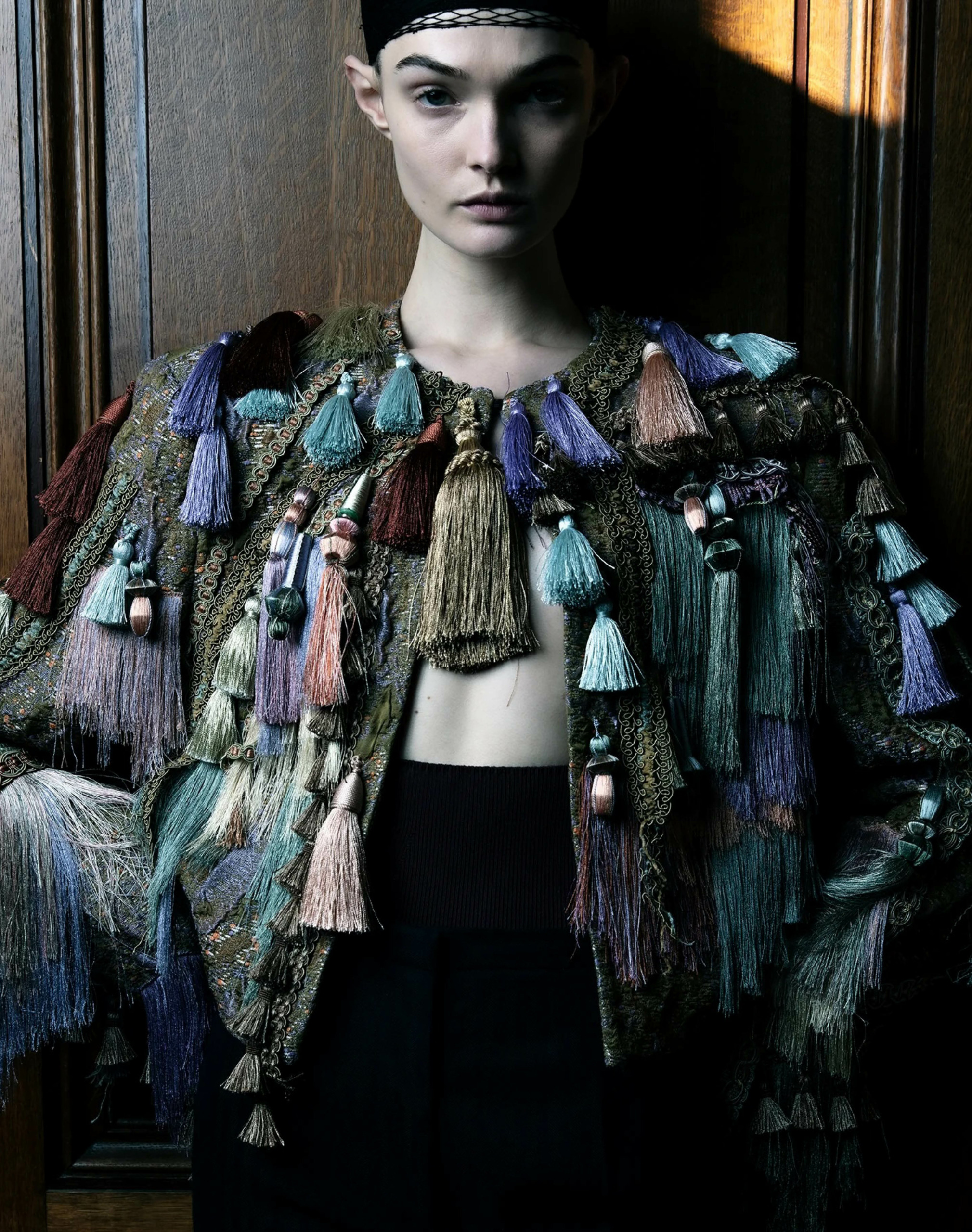
In the Fall/Winter 2026 collection for Dries Van Noten, Creative Director Julian Klausner beckons us closer. The theme of the collection, Behind the Curtain, references all things stage and spectacle, interpreted through the archetypical Dries Van Noten aesthetic. However, rather than zoom out into the grandiose, Julian takes a micro approach… turning a magnifying glass on the unseen elements that layer a memorable experience. Think the plush, silken tassels that hold back the curtain, the gilded backplates of the sconce lighting, the arabesque patterns on an aisle rug worn soft by years of faithful attendance. These elements come to life in Julian’s hands, forming a collection rich, tactile and dripping with character.
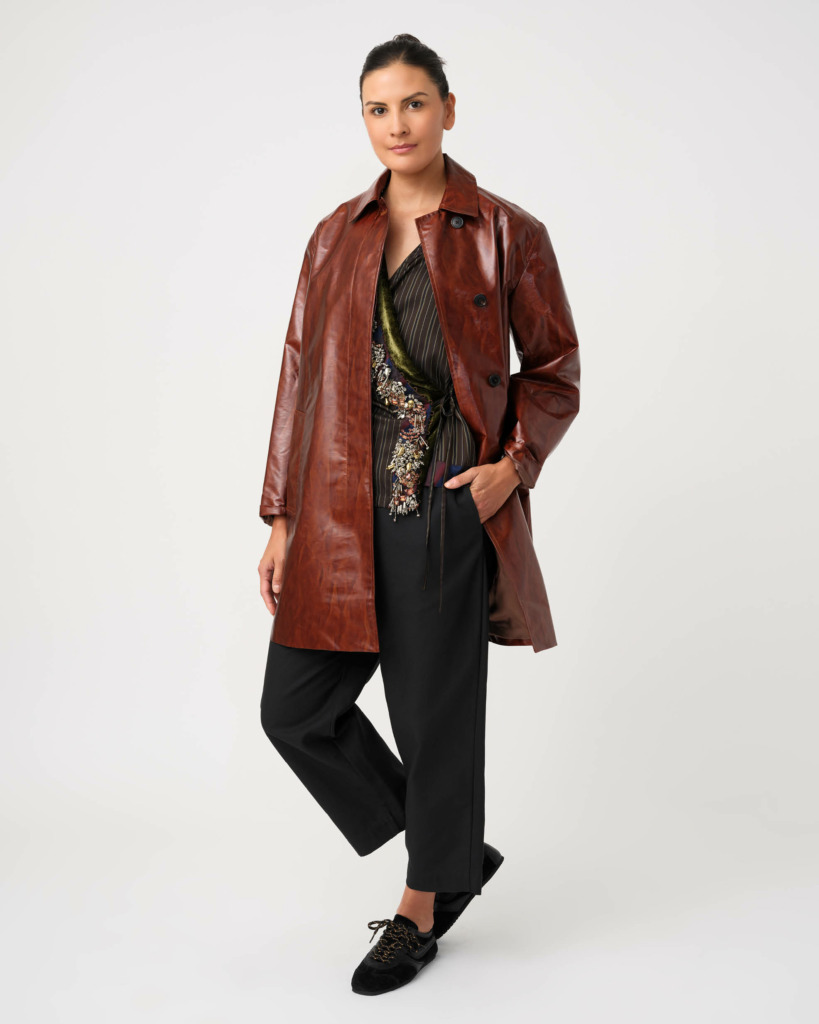
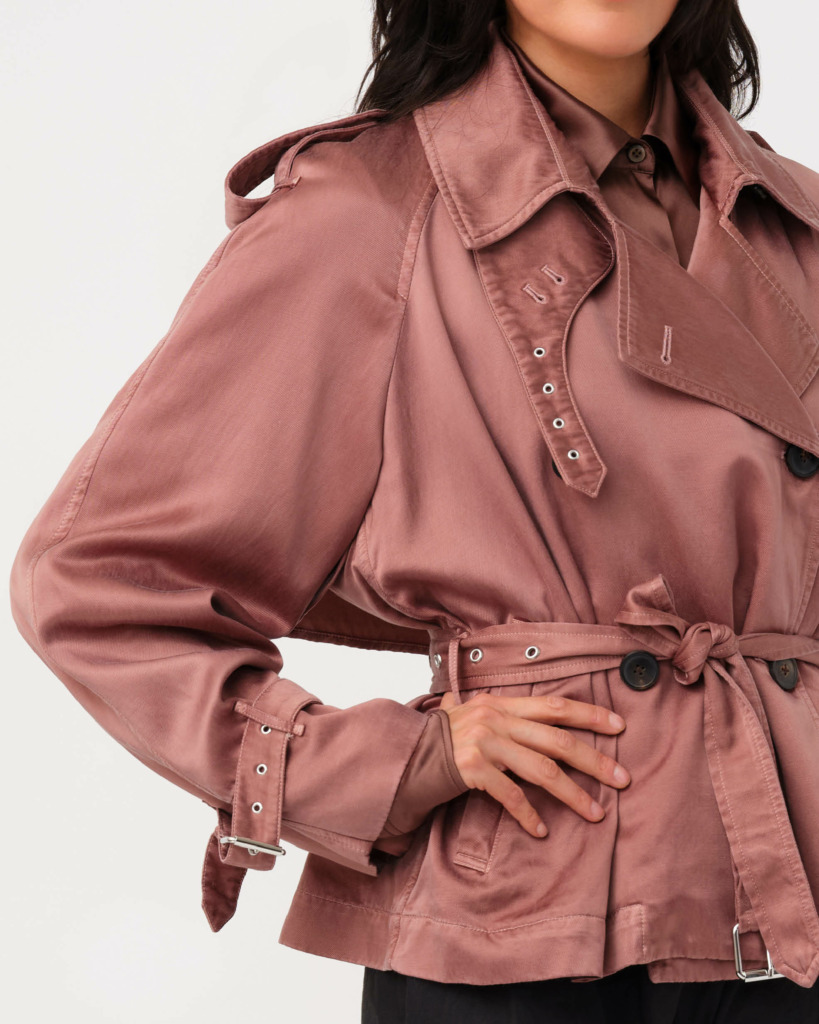
For Julian, the details not only come from the accessory treatment for the season (believe us when we say the kitten heel included in this collection is intensely stylish) but from the smallest decisions in his designs. The length of a wrap tie that drapes along the backside, the cut of a trench coat’s yoke that hangs just so off the body, the cut leather tie that structures a silken tunic. These elements are minute, intimate, and oft overlooked by the untrained eye… but are crucial in taking a design from ho-hum to “Where did you get that?”
On the buying side, we enter the world of Dries with a puzzle in mind. Attending a couture runway is terribly fun, but translating what we see on the catwalk into a functional, buyable capsule is a another matter. We spend a lot of our time not only considering what is the coolest and best designed for the season, but also what is ultimately the best fit for those who shop our stores. (As much as we like them, floor-length, crystal-stitched trousers are hardly practical for the day to day!)
Our people, much like ourselves, are discerning, pragmatic go-getters with a lot to accomplish and not a lot of time to sit around and look pretty. So that is what we like to bring you—beautifully-made things that can be easily styled and lived in, while still embodying the core aesthetic of the brand. For panache and a bit of inspiration, we invite you to immerse yourself in the beauty and flash of Julian’s vision—please click below to watch the runway show!
: a project that is not yet finished : a concerted effort to make things better, brighter and more beautiful : our weekly updates on retail to detail and everything in between
Fashion may be aspirational, but it’s ultimately reflective of the times we live in. The way we dress, both as individuals and as a community, inevitably evolves as we ourselves grow. With so much to accomplish in-store and in the world, there is hardly time to rest on one’s laurels. Like all things, it takes concerted effort to move the bar forward.
This comes quicker and quicker each year, but come it must: the next season’s buy! Time flies faster than the planes we travel on—it feels like just yesterday we were sharing our thoughts on the future of FW25. Over the course of the last three weeks, Shobhan and Phat navigated the earth, trekking from New Mexico to New York to France to Italy to Japan and back to see all of our vendors and friends. Through dozens of appointments, they distilled what the stores will look like for spring… there is lots of color, print and lush texture to come. To sate our appetites, they picked up a few small things to bring back early, such as Yaser Shaw scarves and Anaconda jewelry, but we will have to bide our time to see the rest… Something to look forward to!
Pierre-Louis’ latest collection is a patchwork of identities that honors the imperfect–giving us free license to just roll out of bed and embrace life’s creative spark.
Rendered in lush velvet and silk, each garment drapes gently along the form—intended to “envelop the body like a second skin.” This is a visual language heightened by its contrasts: shiny and dull, fancy and modest, archetypical and very, very cool.
Designer Monica Rossi uses metal and gemstones as a medium through which to tell the story of a beloved person or thing. Her pieces marry intricate techniques, such as the filigree-like openwork metal method of ajouré, with minimalistic shapes for an aesthetic imbued with history and precision.
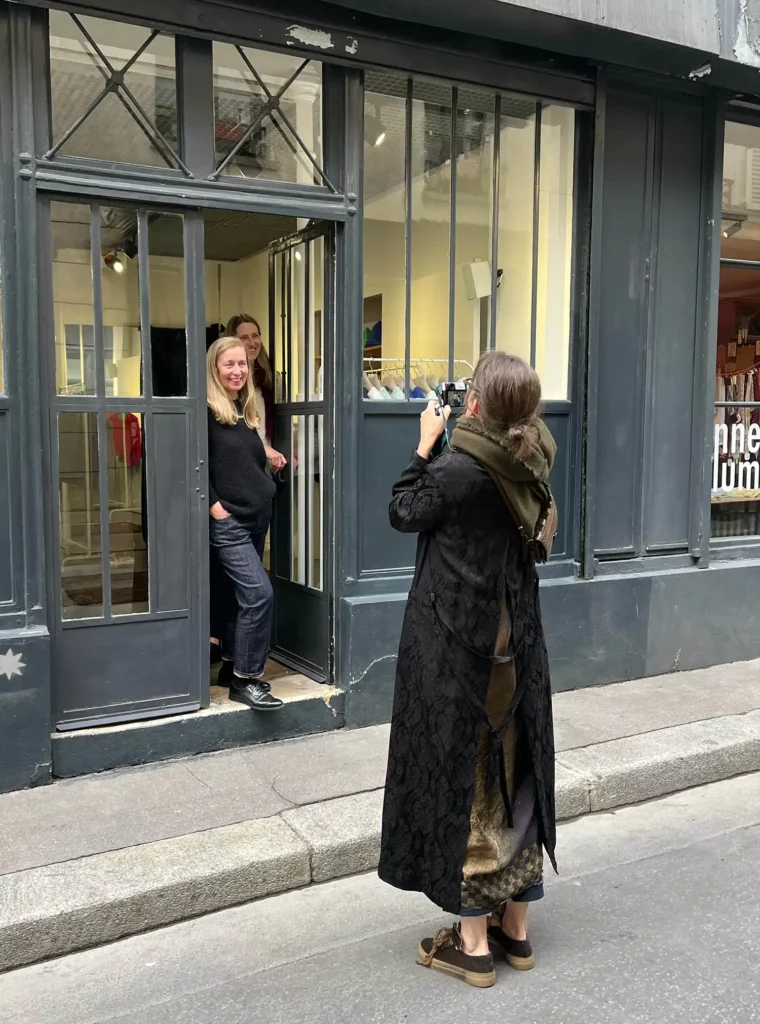
One of the best parts of the buy is the opportunity to see our favorite people. So much of retail is built on relationships, both with those who collect these goods and those who make them. Truthfully, many of these relationships are as old as the business itself. Marsèll comes to mind, especially when we get the chance to hug our old friend Andrea Rossi in the brand’s Paris showroom. This is a label we started carrying some 15 years ago, took a break from, and returned to in 2022. They have since risen to be one of our favorite brands in Workshop. The Marsèll crew ”grew up“ in this industry alongside us, watched the rise and fall of the avant-garde and the subsequent focus on intellectual minimalism. All throughout, they have remained a steadfast partner in the pursuit of beauty, sharing our reverence and dedication for the way good things can be made.
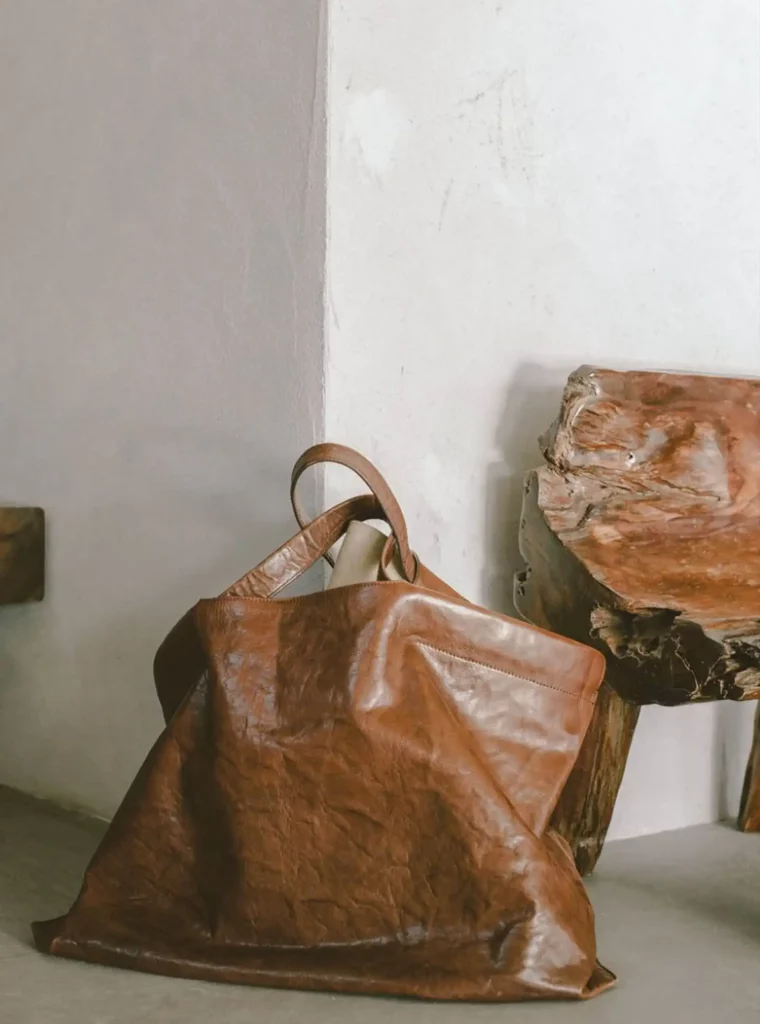
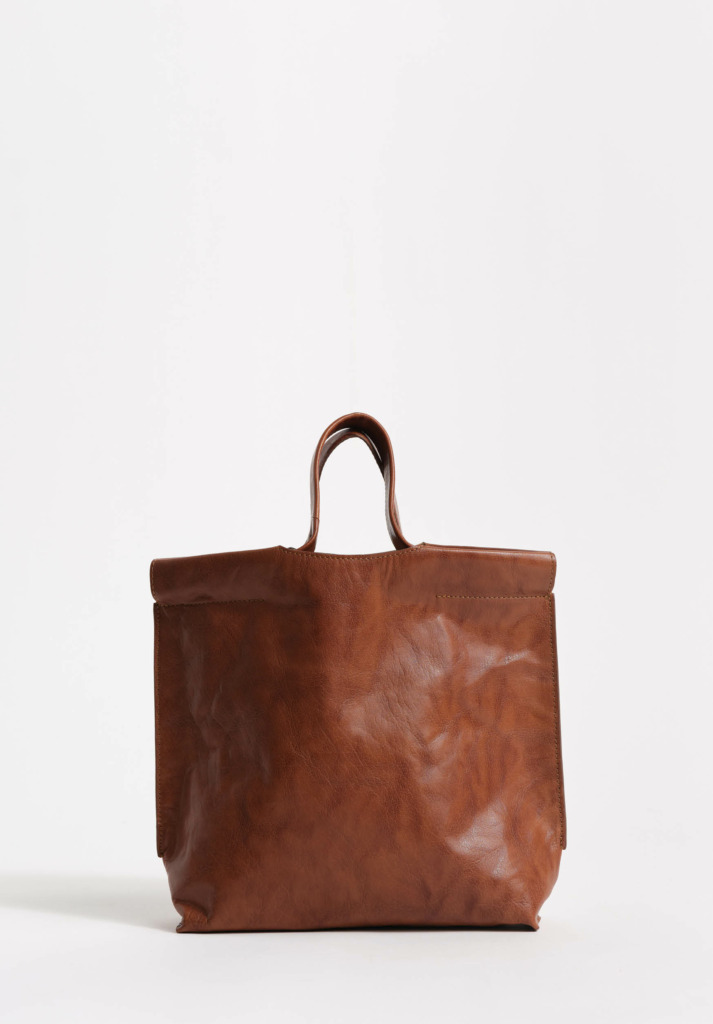
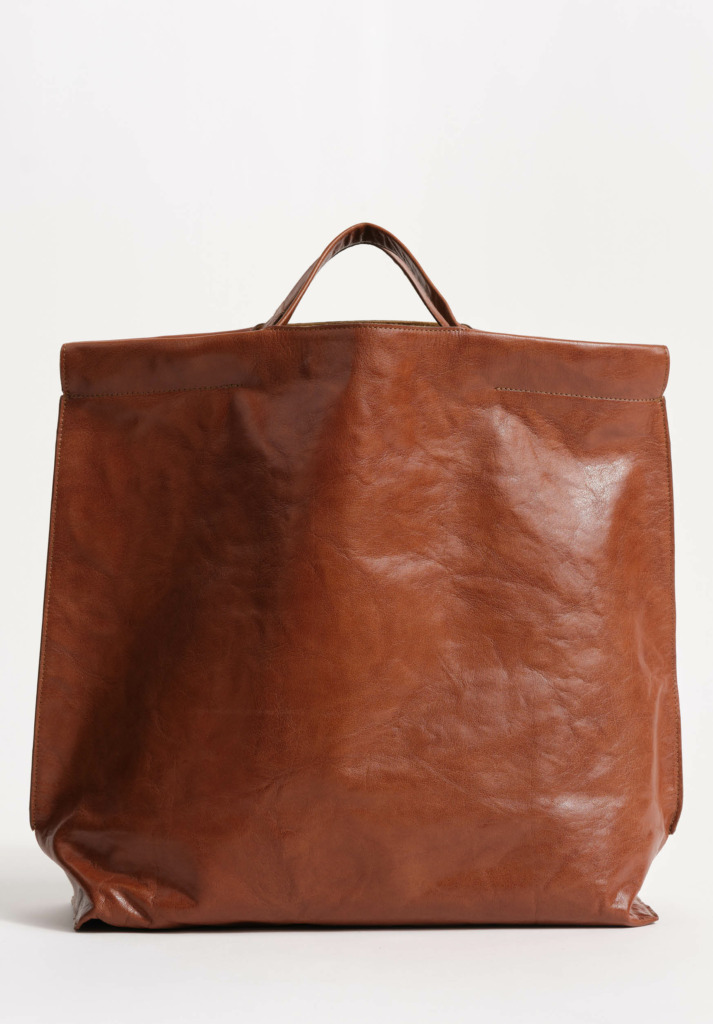
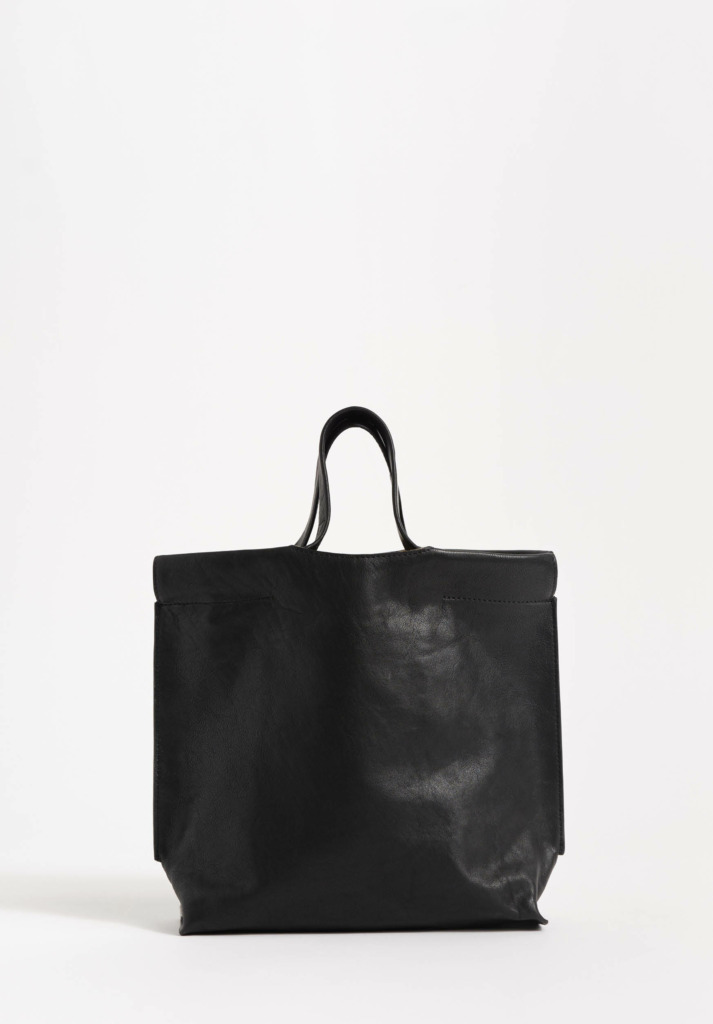
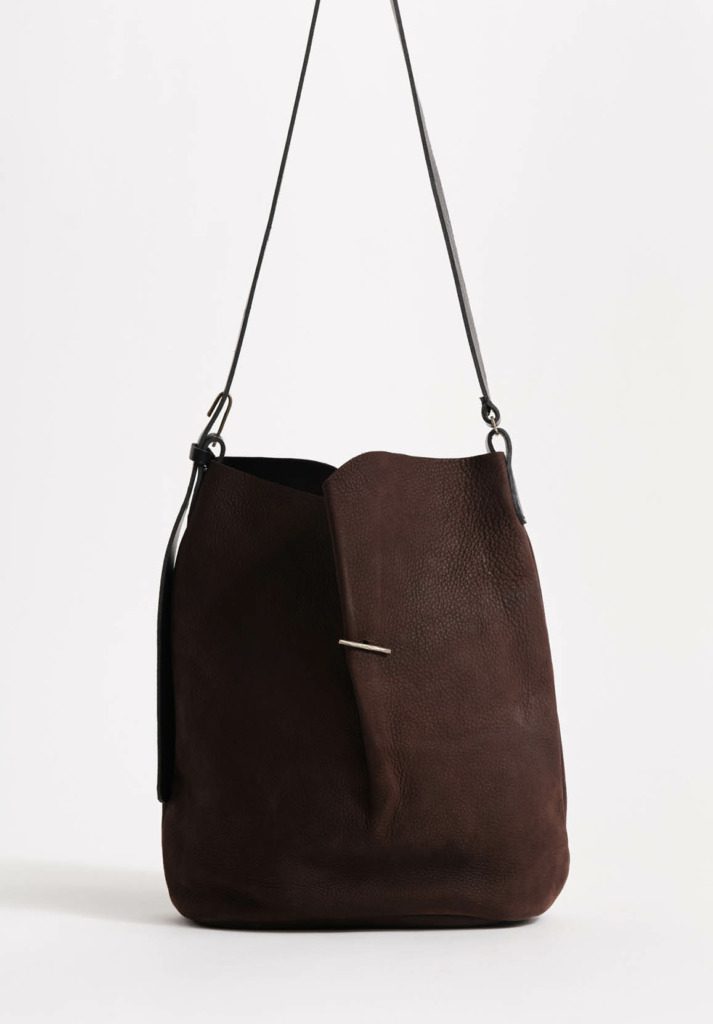
New to Santa Fe Dry Goods and Wild Life is a collection of timeless functional bags that blend tradition with modern elegance. Bea Mombaers bags are designed in collaboration between two Belgian designers—Bea Mombaers and Liesbet Verstraeten.
With shared backgrounds in fashion and design, the duo harnesses a creative vision that seamlessly blends minimalism with versatility for their line of essential handbags. Bea and Liesbet work with a small specialty leather workshop to produce each piece with the utmost care.
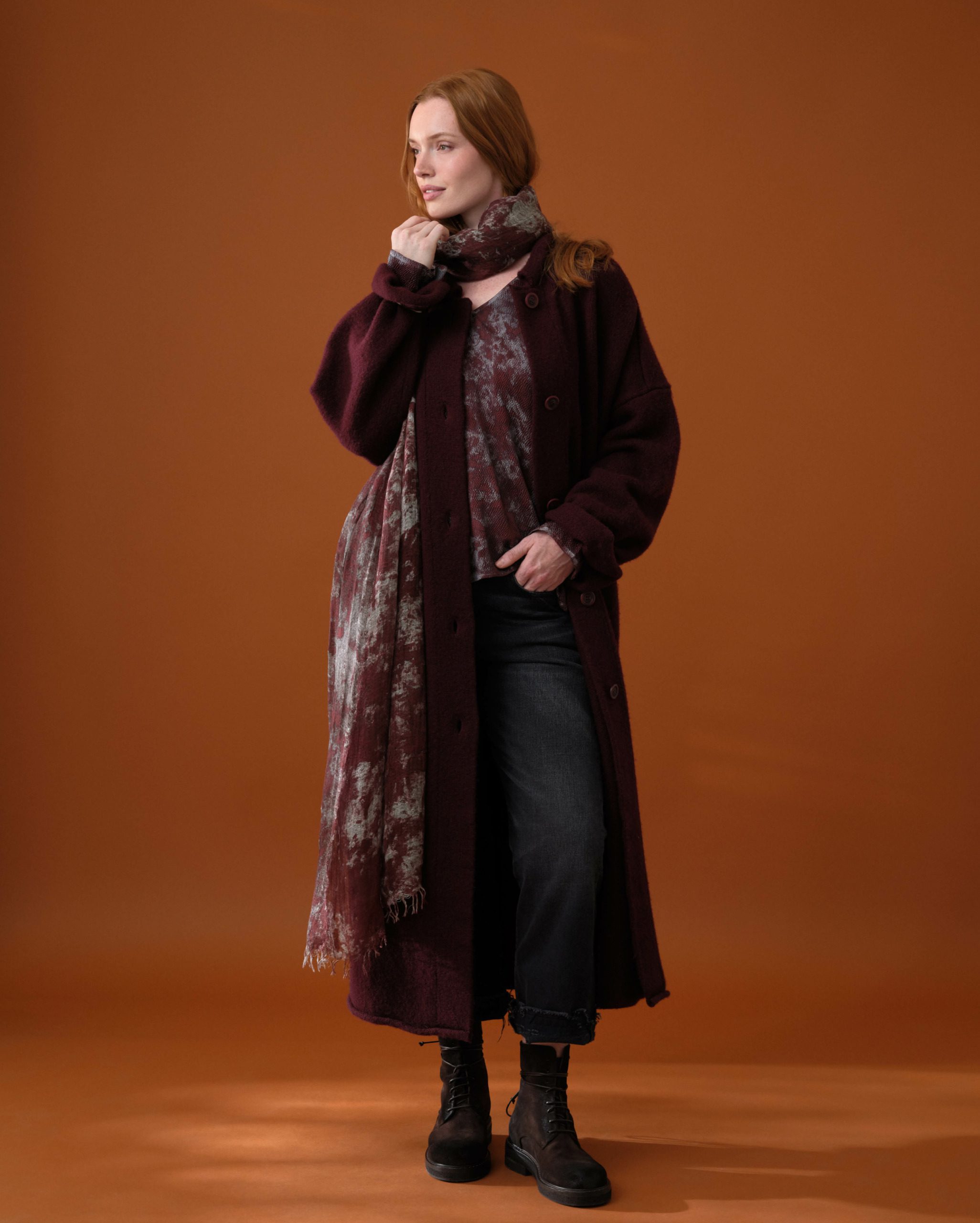
This fall may be all about chocolate brown (the Pantone color of the year is mocha mousse after all,) however a one-note wardrobe misses out on the fabulous possibilities of this earthy color. As a dark neutral, chocolate brown is well suited for jammy pairings and jewel tones—try out a plum jacket or rose scarf for some extra panache going into winter.
One of the last stops on our world tour was the Wommelsdorff showroom—with a lot of laughs shared with designer Anne Schramm and her team. This brand is a relatively recent addition to Santa Fe Dry Goods, however in just two years Anne’s sensibility for softness has raised our standards for high-quality cashmere. Her handspun yarns are cloud-like, handknit together with a low gauge needle to create an unparalleled loft in each sweater. We have secured more of her work for spring (including a fun raspberry color called Bamboozle,) but in the meantime… find us squishing our hands into her current Fall/Winter collection in Dry Goods.
For Pierre-Louis Mascia, this past year has called him forth to provide levity—to be a flame of color and joy in a landscape of drab. His latest collection, Bright Star, is a celebration of the tireless pursuit of beauty in all the forms it exists. Through delicately sewn, gathered shapes, Pierre-Louis deconstructs the “classic” and invites a softer interpretation for living—encouraging us to indulge in the sweeter side.
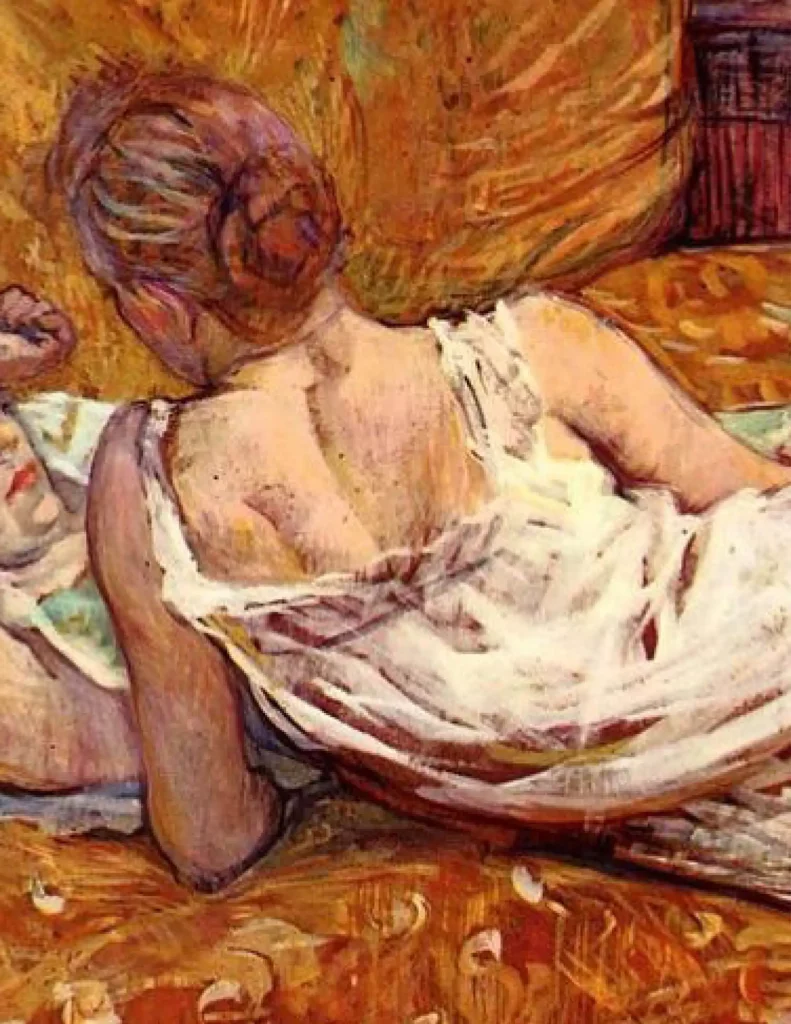
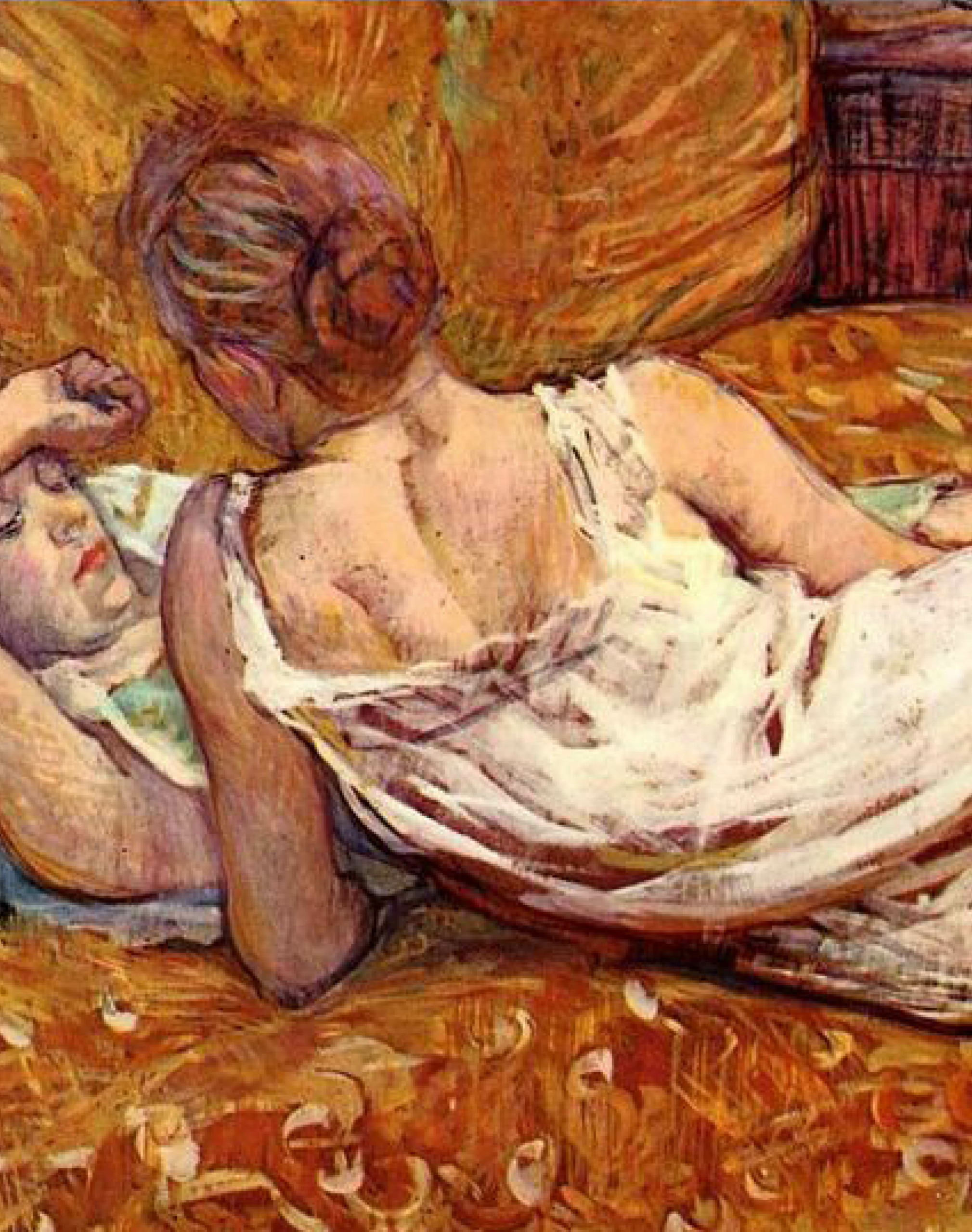
Pierre-Louis Mascia hails from Toulouse–the famed bohemian Parisian city. There he was undoubtedly influenced by the city’s thriving music scene, the colorful pink brick architecture, spectacular cuisine and art rooted in the likes of Henri de Toulouse-Lautrec and Henri-Jean Guillaume Martin. With Lyon (the silk Jacquard capital of Europe) and Milan within reach, Pierre-Louis got started developing a patchwork of identities that play in contrast. His hope is that we feel free to mix the shiny and dull, the vivacious and modest, the fancy and the most ordinary into an idiosyncratic cool style.
Working closely with Achille Pinto—the famed Italian mill that also creates the goods for Alonpi—Pierre-Louis has created 20 new prints for this season’s collection. The motifs range from venerated paisley and faux embroidery to Etruscan frescoes. While the palette remains maximal, the overall is subdued compared to his previous collections, moving into a much more tonal play of color.
The silhouettes are sensual and approachable, with touches of Baroque accents that heighten each piece’s individual character. As with all of Pierre-Louis’ work, this collection is best suited for mixing and matching. When layered, the pieces meld into a bombastic whole greater than its parts, allowing the wearer to envision their own style of dressing… one as complex as their soul that lies beneath.
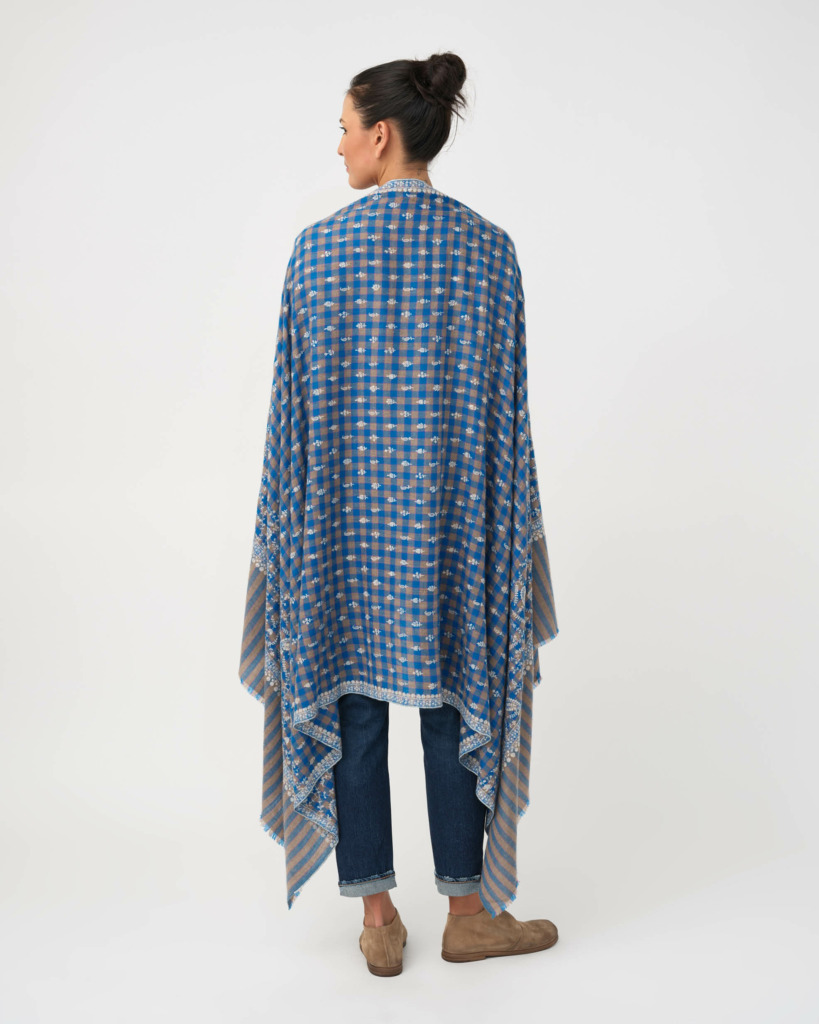
If you can’t find Yaser Shaw along the colorful streets of Srinagar, perhaps you will have better luck in the wild. For a buzzing creative mind, nearby Mount Mahadev and the picturesque sweep of Dachigam National Park provide an oasis—a three-day uphill trek among the natural flora and fauna of Kashmir.
On the way up the mountain, Yaser passes fellow wanderers, pastoral nomads tending to cattle and herds of Hangul stags migrating to a lower elevation for the winter. Grey langur monkeys chirp through the autumnal canopy, and in the distance, a snow leopard weaves quietly among the trees.
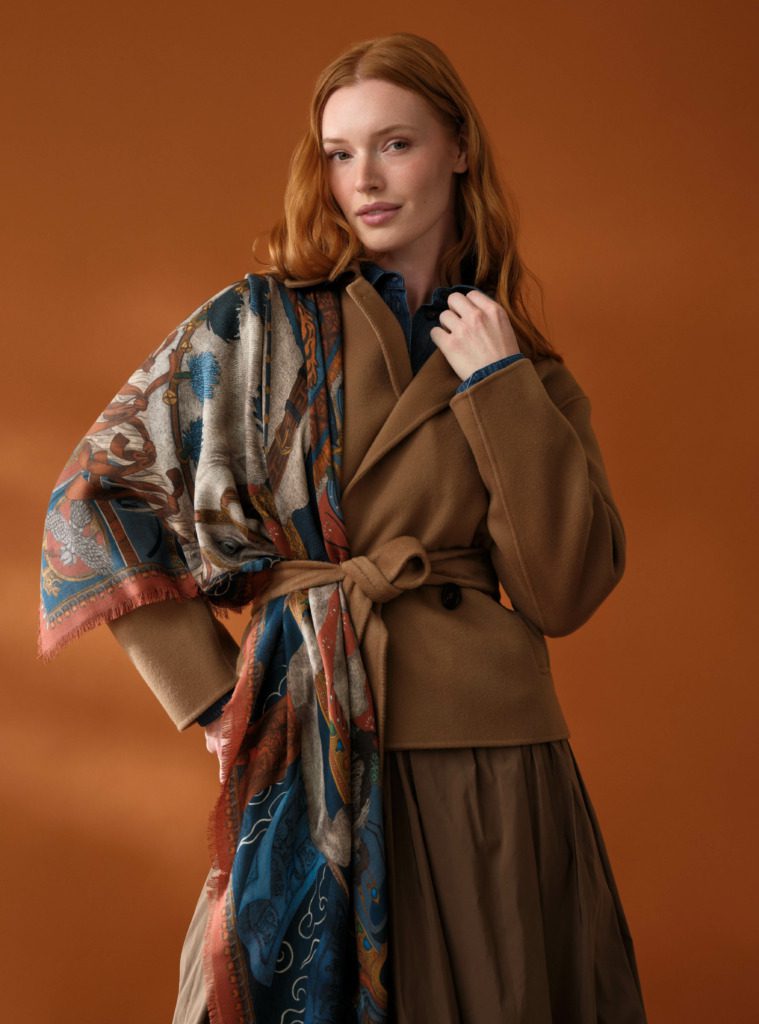
Called the “Guardian of Srinagar,” Mount Mahadev sits an imposing 13,000 feet above sea level. Yaser slowly makes his way up the rocky scramble, accepting this challenge with the same restraint and intention he demonstrates when working with cashmere. At the peak, he can see it all: the gentle spread of Srinagar, the Tarsar and Marsar lakes, the Greater Himalayas in the distance. From this vantage point, inspiration comes as naturally as breathing.
After each trip, Yaser returns to the studio and unpacks his mind along with his rucksack. The things seen and felt are tangible and vivid: Delicate wildflowers along the trail, windswept grasses sheltering against limestone, a glimpse of the soft, hypnotizing spots on that snow leopard. With a needle, silk thread and a great deal of patience, he sets about capturing the beauty of this wild world—imbuing each shawl with a bit of magic from the mountains.
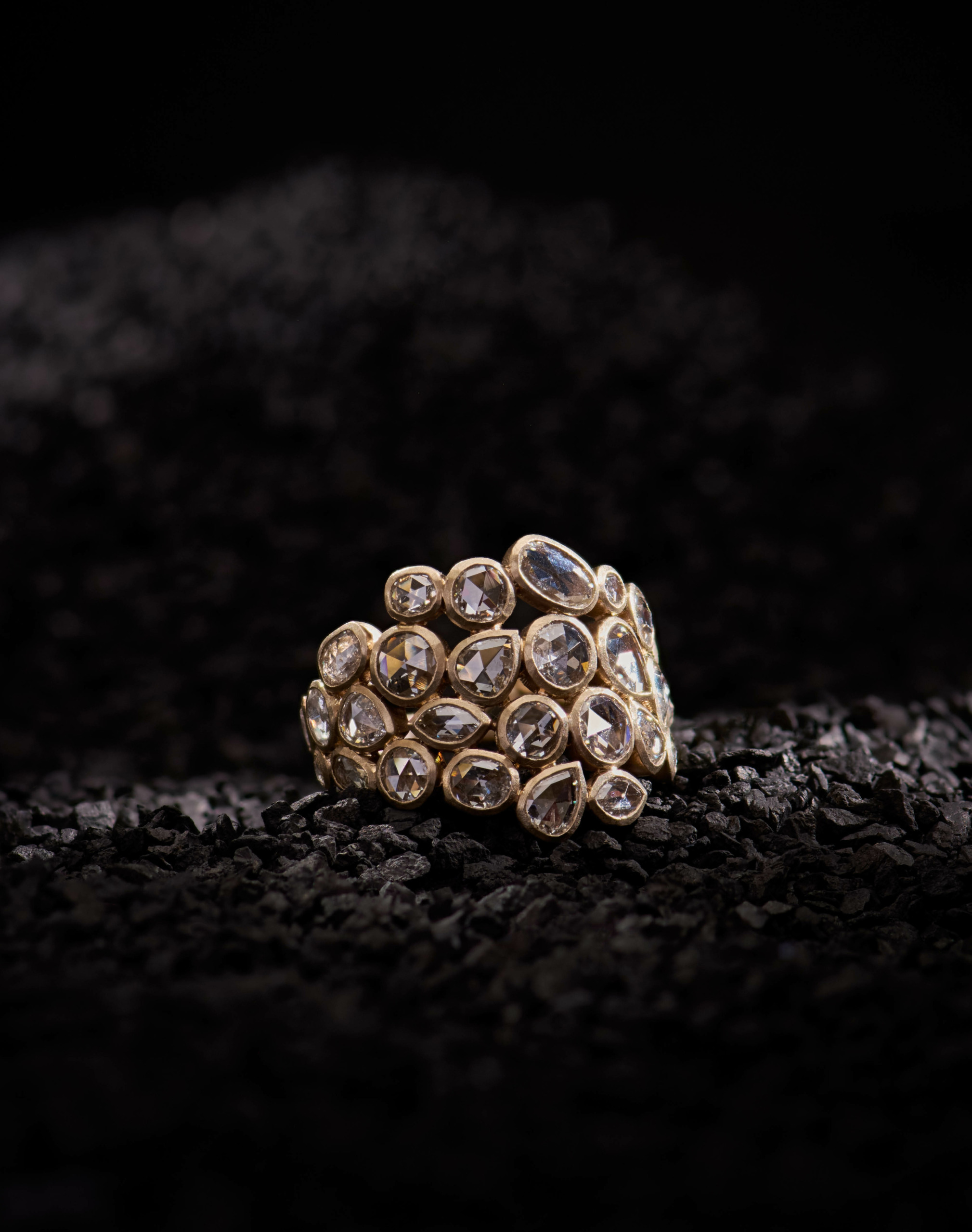
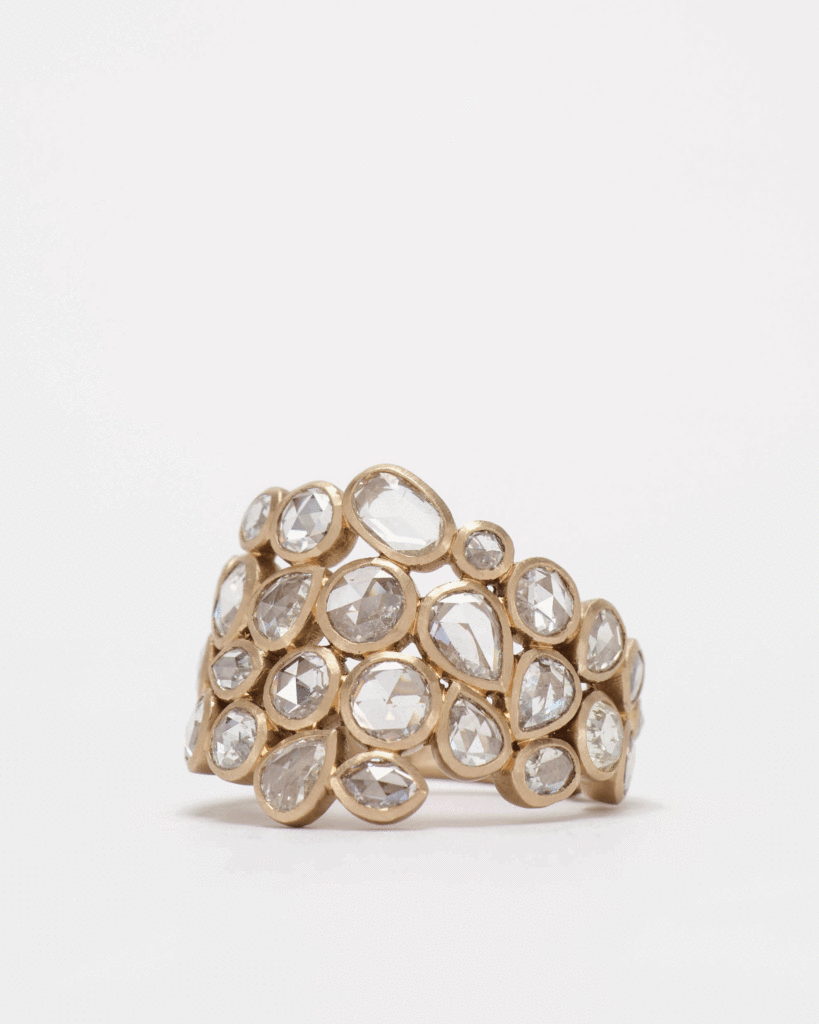
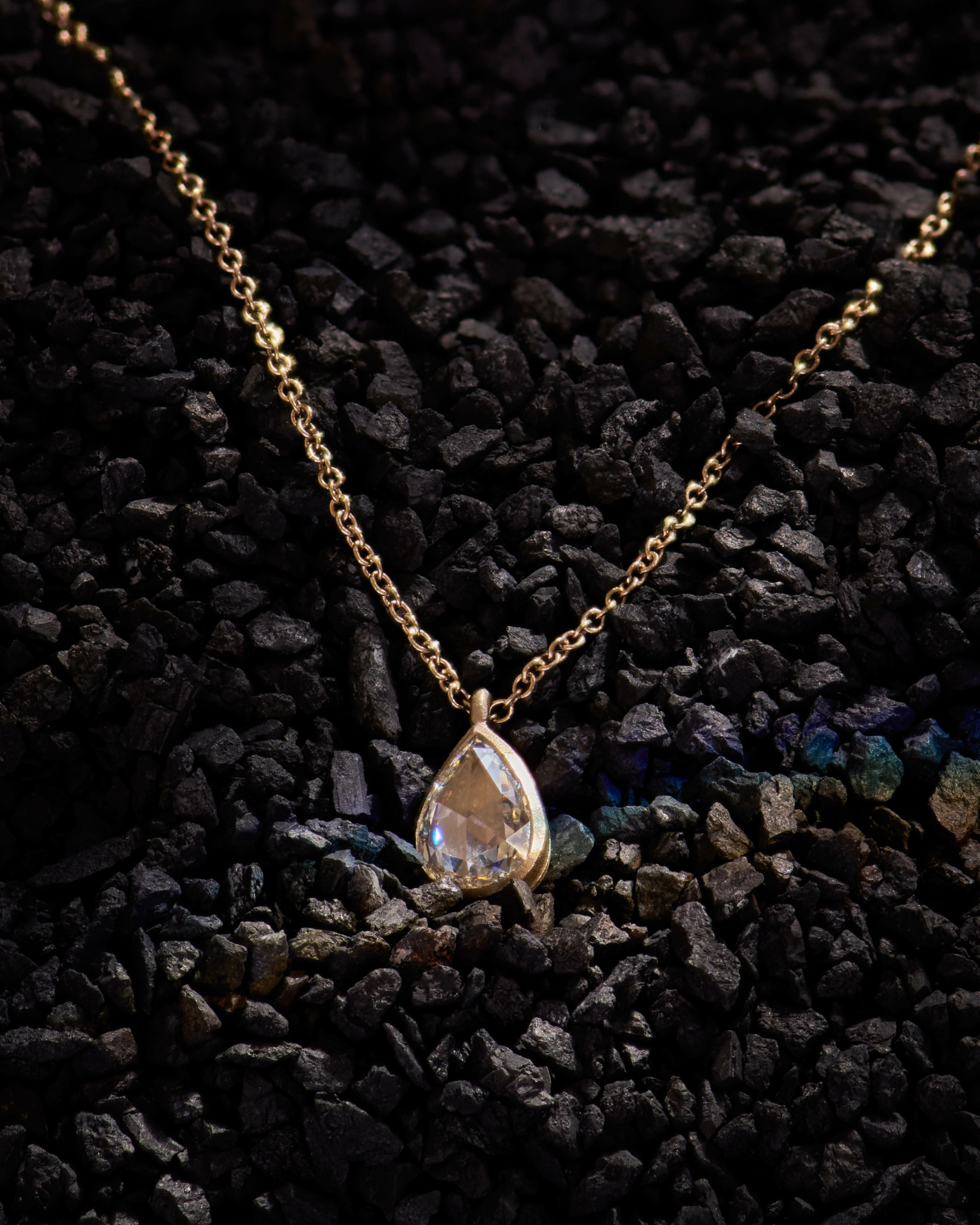
For over thirty years, jeweler Monica Rossi, has been crafting Anaconda from her Milanese studio. Her process is spontaneous and unbridled, while remaining in harmony with an overarching story. A reverence for history and painstaking attention to detail is evident throughout her work.
Monica uses metal and gemstones as a medium through which to tell the story of a beloved person or thing. Her pieces marry intricate techniques, such as the filigree-like openwork metal method of ajouré, with minimalistic shapes. In doing so, she honors the beauty of the natural materials, forming a living dialogue between the human, the elemental and the eternal.
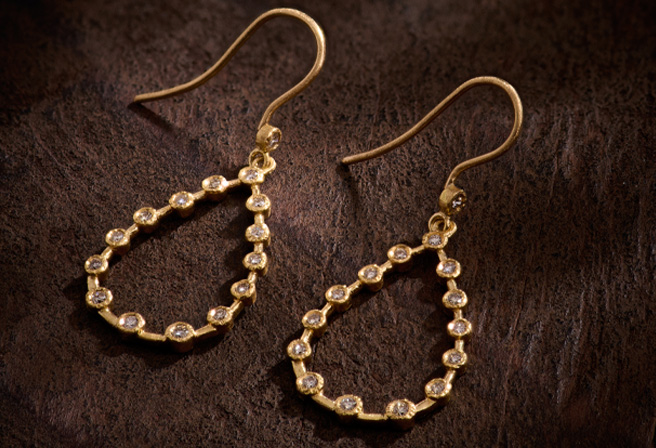
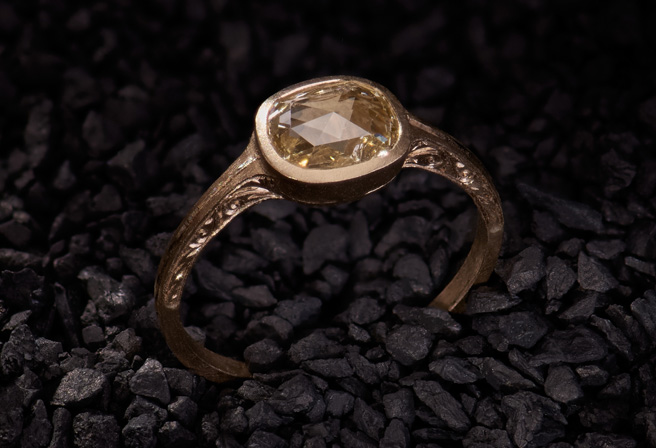
Monica’s creations flow effortlessly from a primitive aesthetic to swirling filigrees evocative of Italian Baroque style. Refined deliberation and a reverence for time-honored craftsmanship set Anaconda’s featherweight champagne gold and vintage hand-cut diamonds apart. These are works made to gather warmth and story, becoming not adornment but presence.
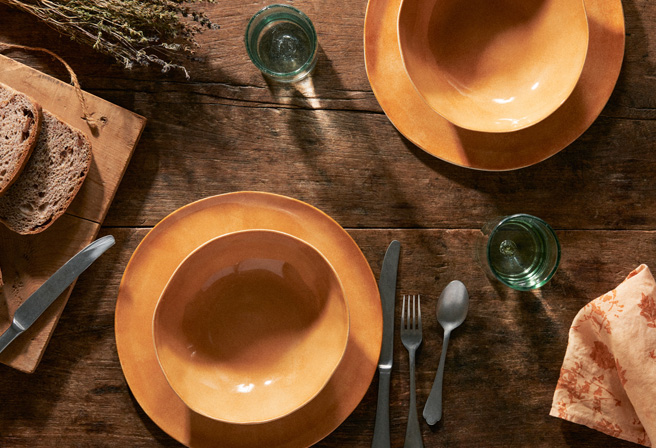
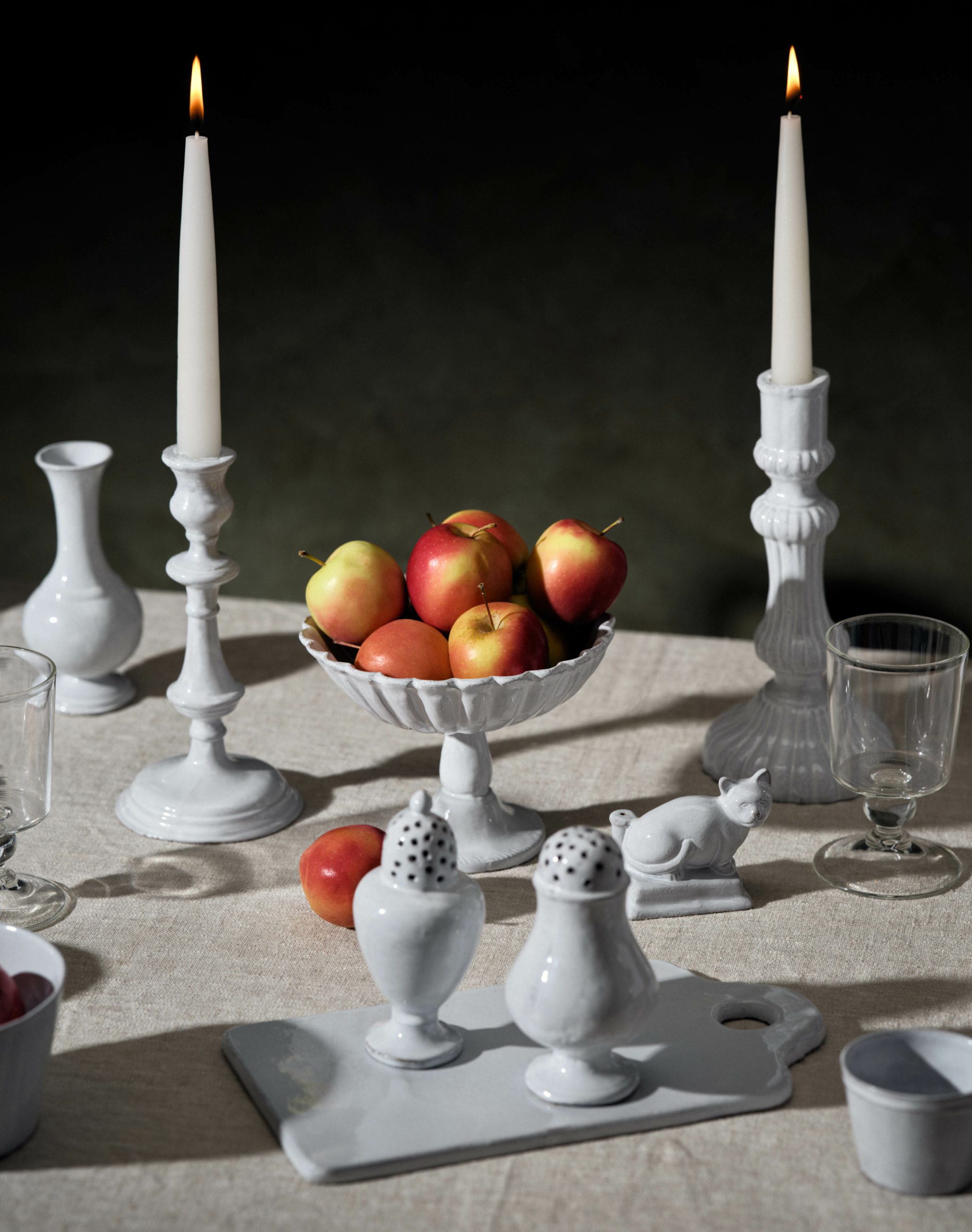
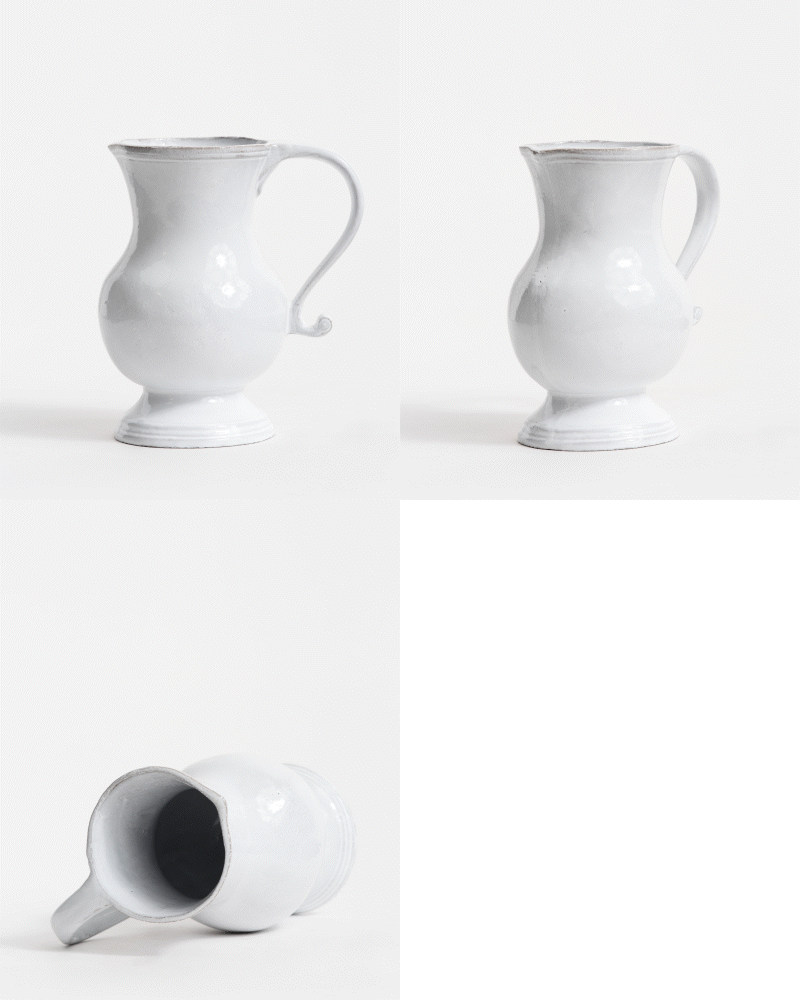
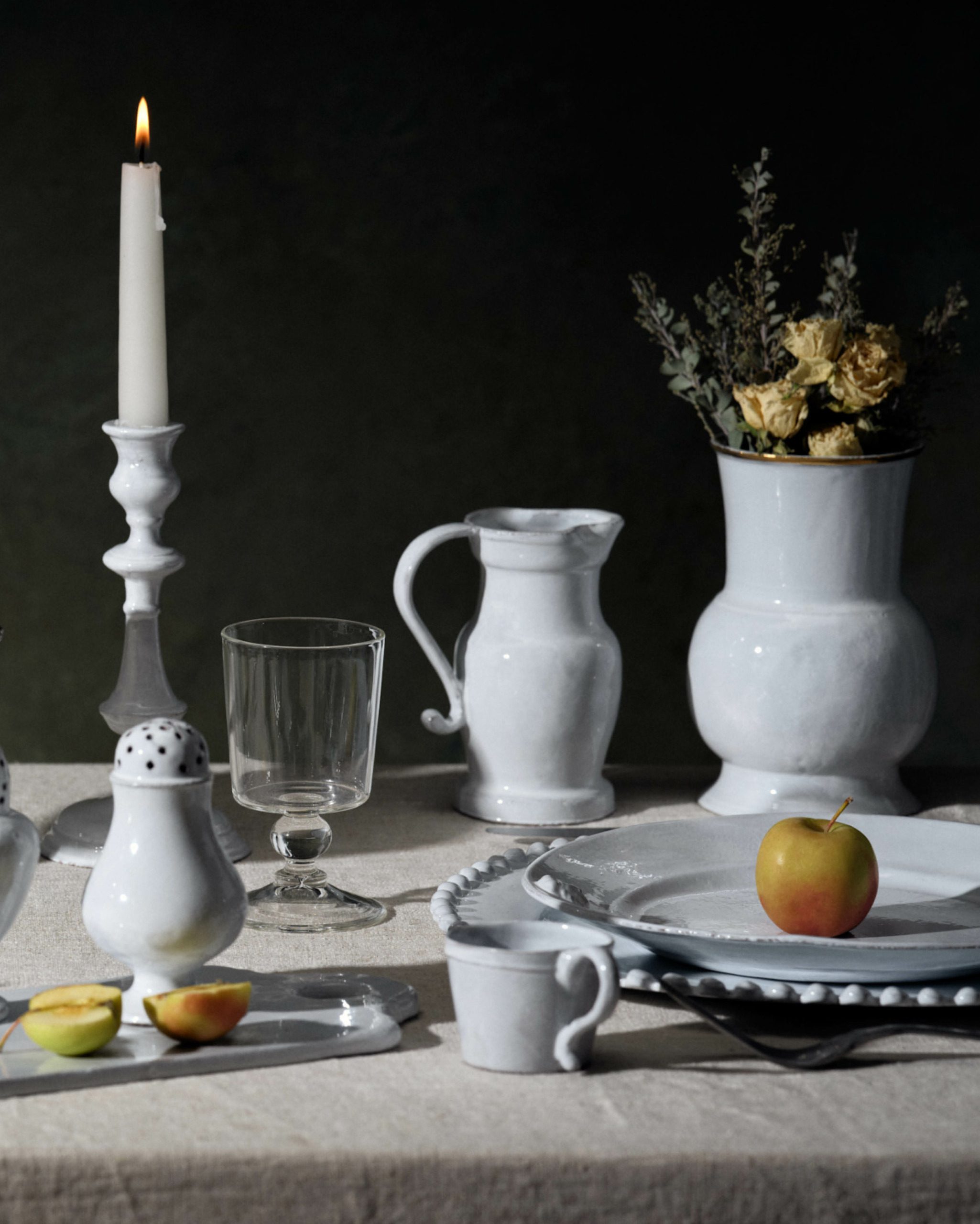
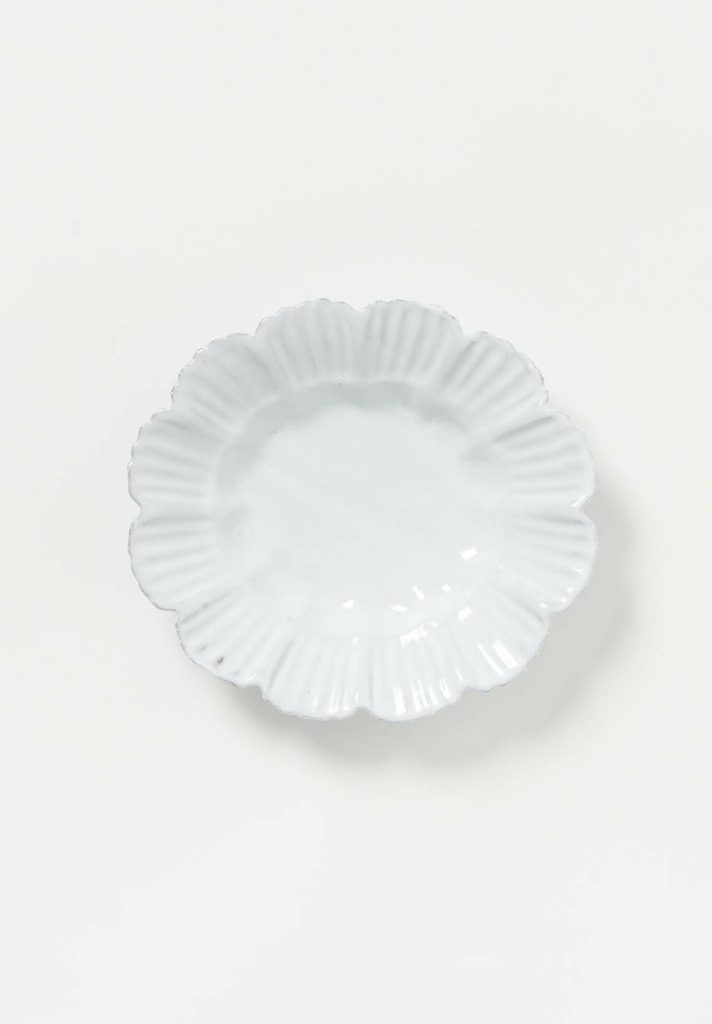
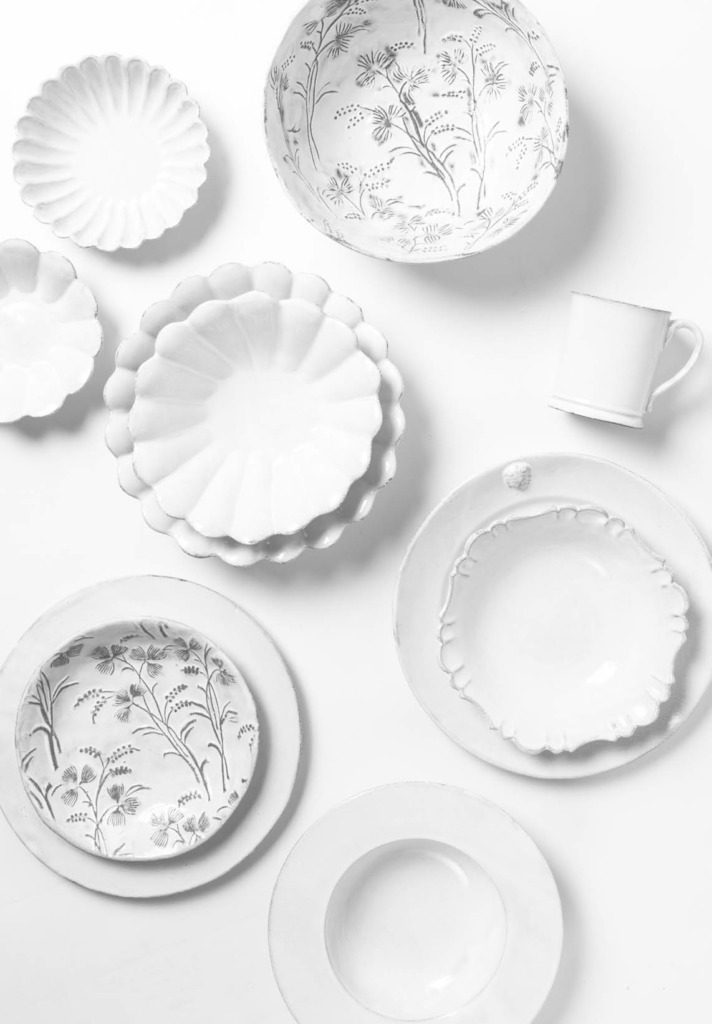
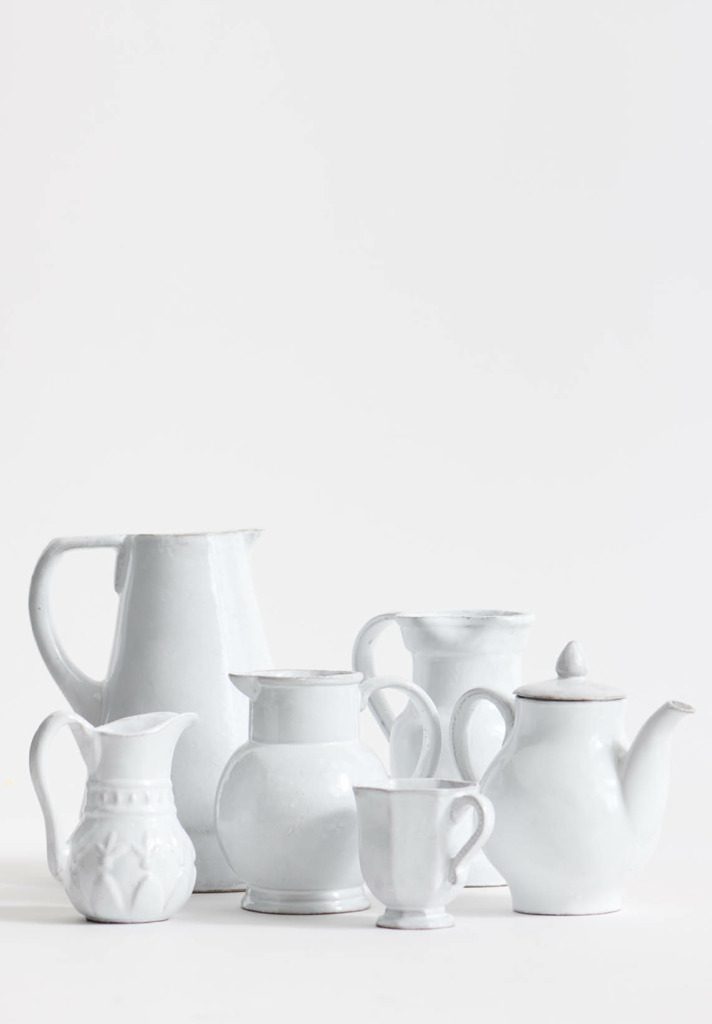
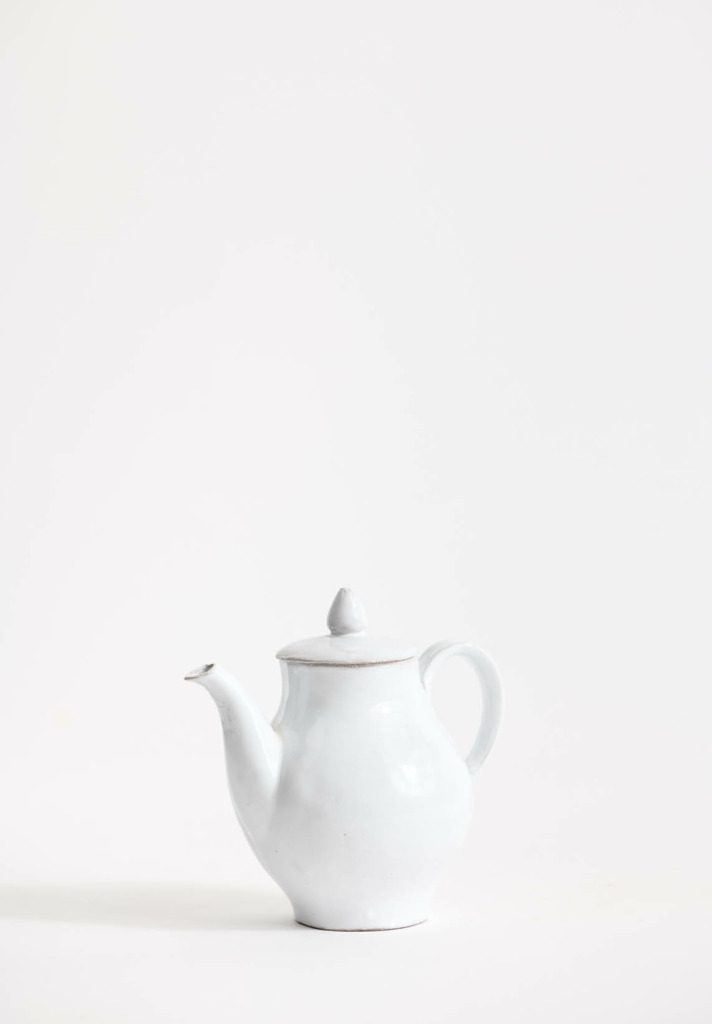
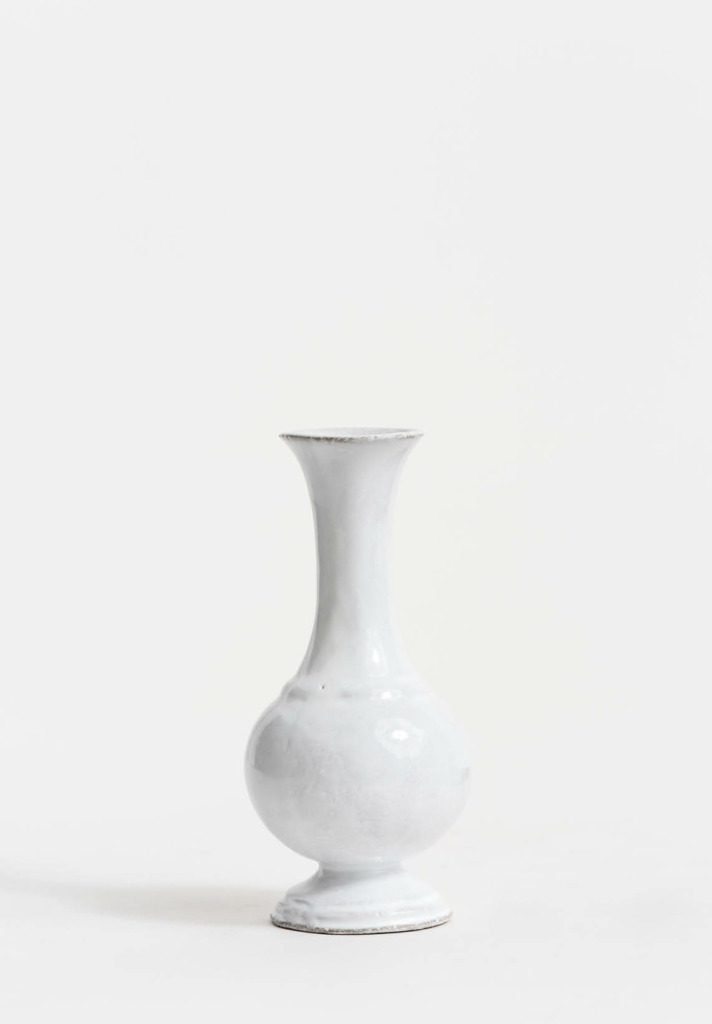
So much of our time in autumn and winter is spent inside—doesn’t it make sense to spend it together? Perhaps that is why so many of our end-of-year holidays center around the dining table. Little is as enjoyable as a celebratory meal shared with friends and family… especially if the laughter is in good supply! For Benoît Astier de Villatte and Ivan Pericoli, hosting requires only a little joy and effort. Within the walls of their small, Parisian atelier, they create striking, ultra-collectible ceramics that make every meal served feel like a five-course feast.
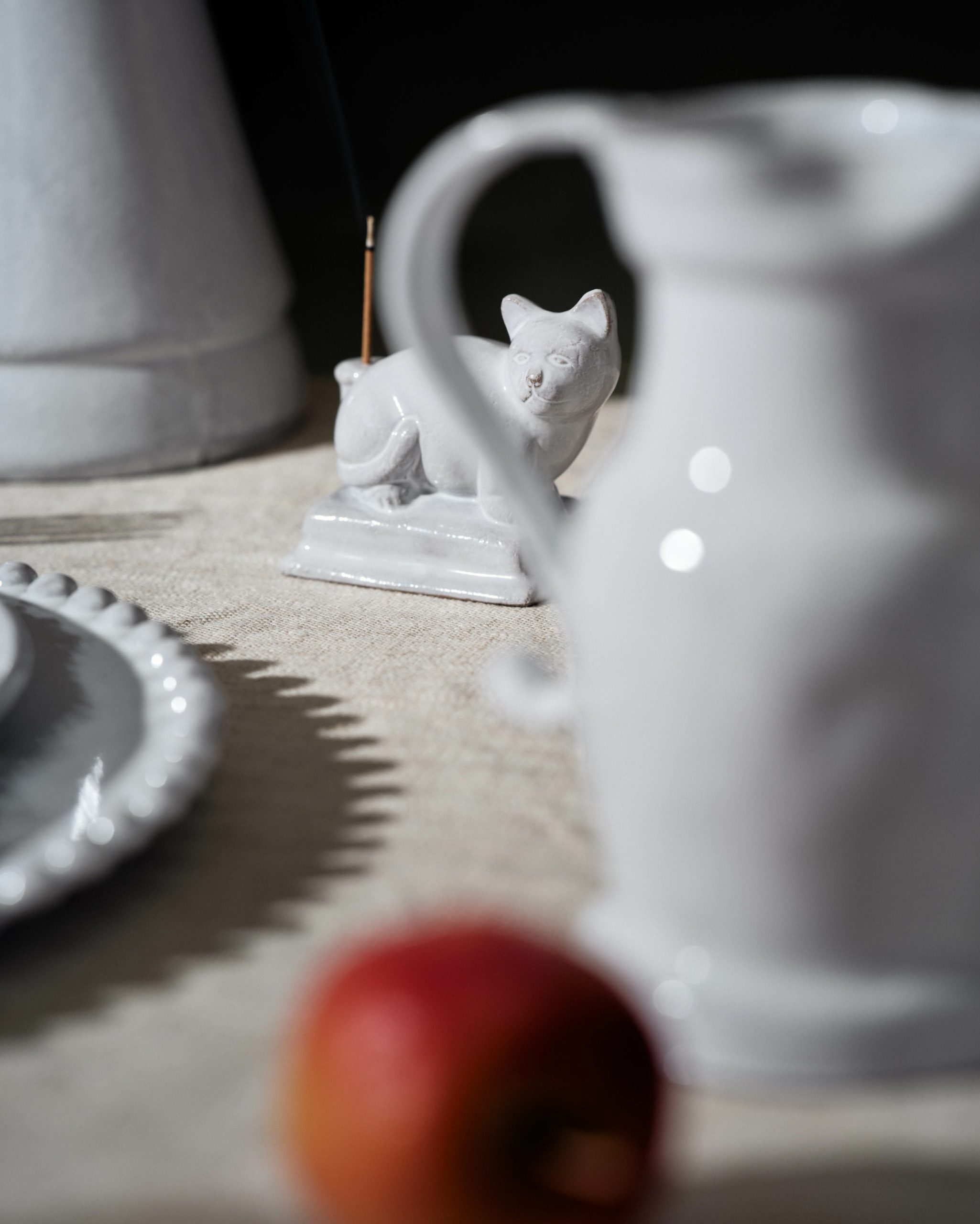
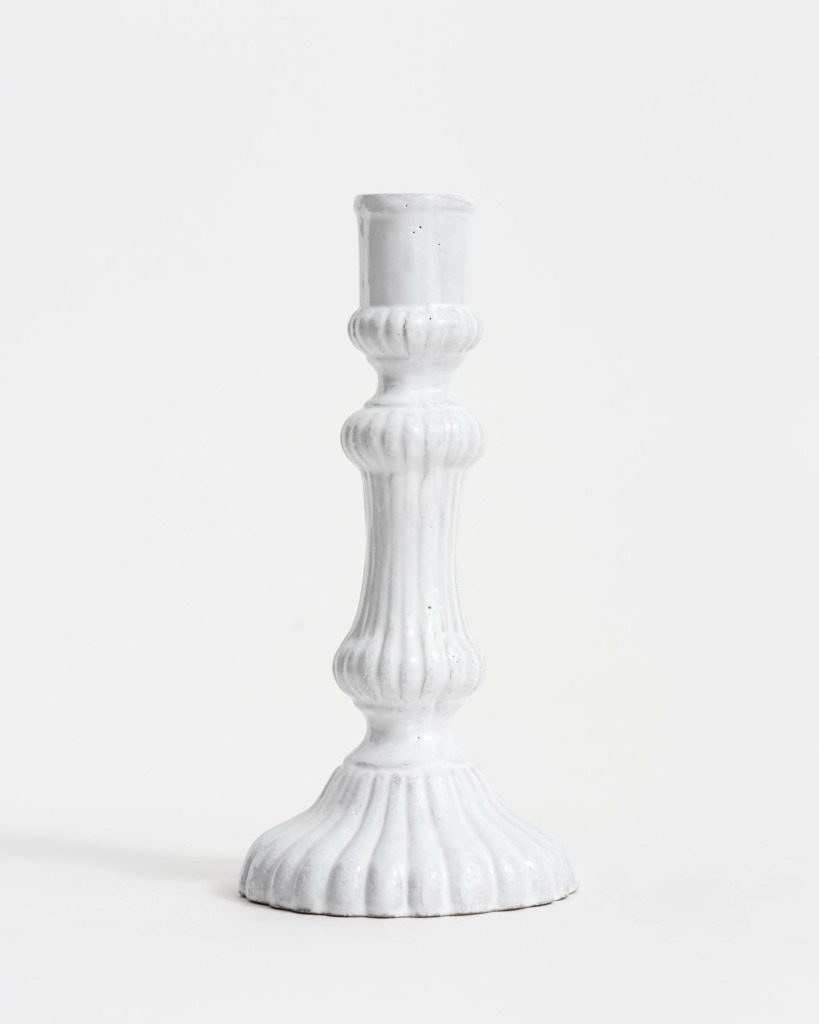
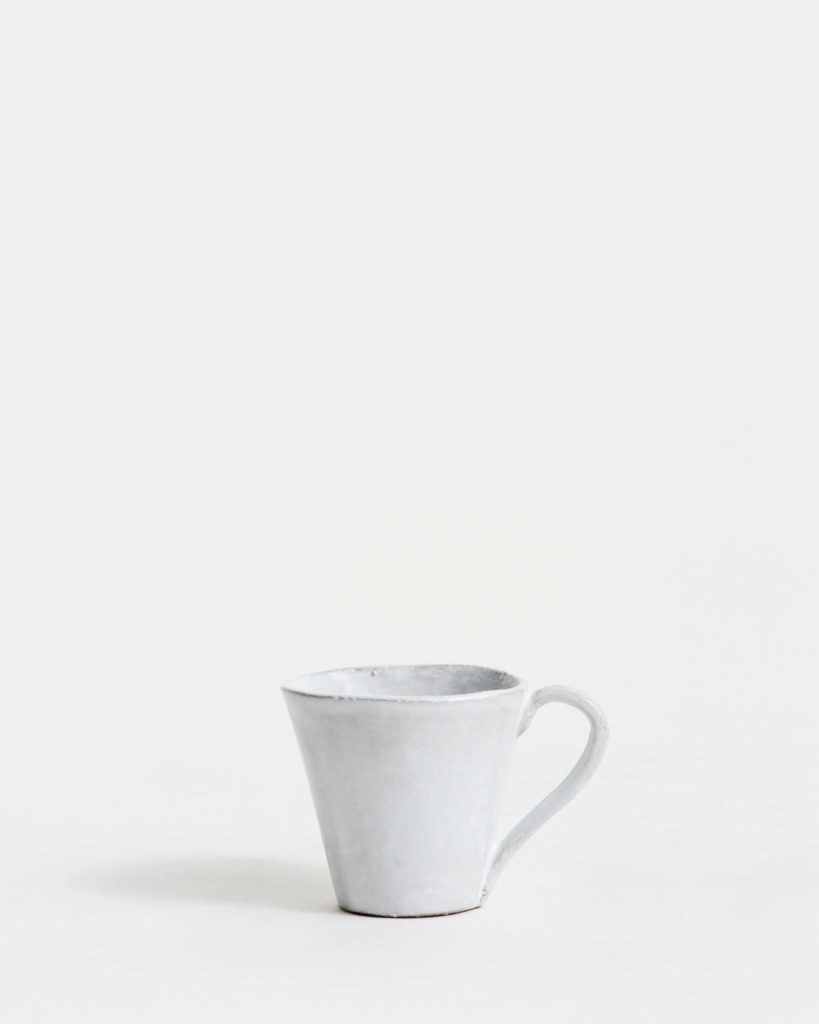
A blend of antique references and artisanal craft, the Astier de Villatte aesthetic holds lived-in imperfections in reverence–such as a plate with an irregular hand-pressed edge or the milky finish thinner near a handle to imply wear. Each piece, no matter how small, possesses the curio-like quality of a beloved family heirloom or a found treasure at the flea market.
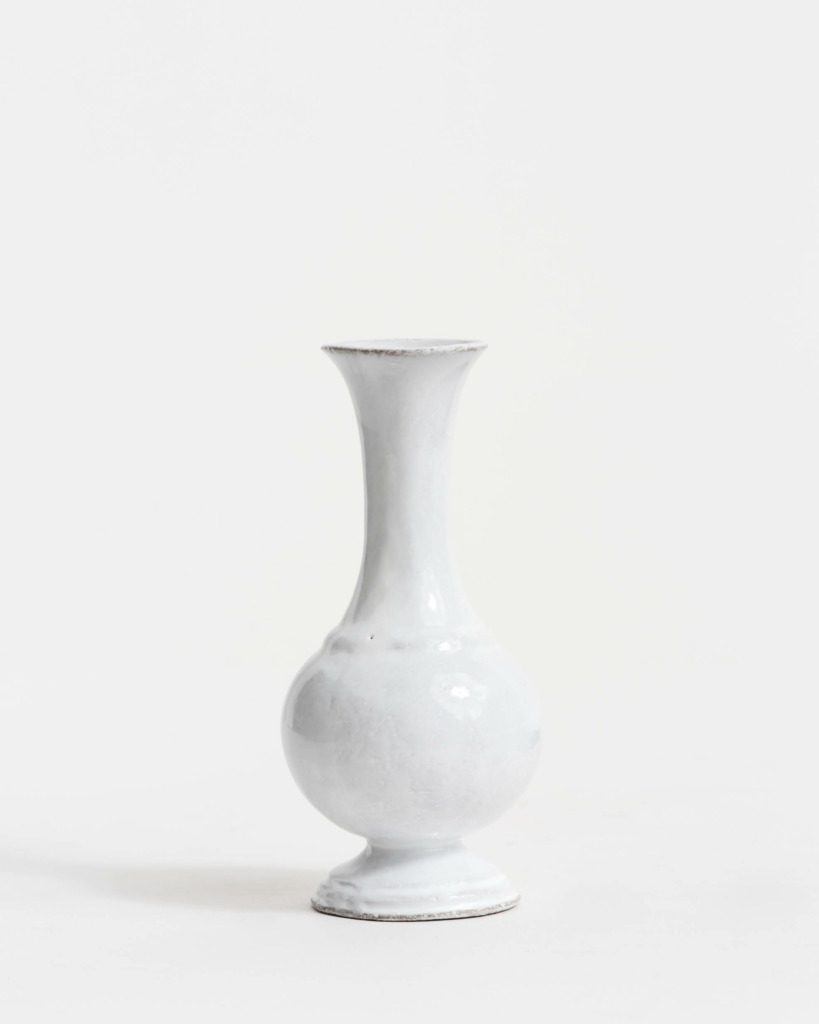
This is a collection best suited for mixing and matching—the Astier table prefers a sundry presentation. This look develops over time, as one style or another piques interest. Add a bowl here, a serving platter there…. a fluted Marguerite plate for summer, a simple Colbert vase for an anniversary… and watch your collection flourish into something as unique as your guests.
We moved our Astier de Villatte work to the front of Santa Fe Dry Goods back in April–not only to make room for Daniela Gregis’ arrival in Wild Life, but also because of the brand’s close ties to the larger world of fashion. They’ve collaborated with Chitose Abe of Sacai, illustrator John Derian and former Vogue creative director Grace Coddington to create unique, sculptural additions for their collections.
Fashion has long been a bastion for free expression. One of the (many) reasons creatives flock to this industry is the opportunity to challenge conventional rules… and in doing so, turn a mirror on the culture at large. Think Claire McCardell advocating for daily practicality in women’s clothing or Yohji Yamamoto liberating the French runway from strict genderism. Good designers understand the way we dress informs how we are perceived in the world… great designers understand it can revolutionize how we show up.
As indicated by the name, these pieces are made in very limited quantities—just 50 to 100 per style. A small number is printed on each tag to indicate its place in the sequence. Like exclusive editions of artwork or books, these pieces are infused with heightened skill and care—few in the larger fashion market have access to them. We are lucky to have several of these styles in Workshop to share.
For Uma Wang’s Fall/Winter 2025, the designer called upon Piero della Francesca’s Madonna del Parto, a Renaissance-era fresco depicting the pregnant Madonna in a stance of strength. A powerful symbol for the divine feminine, Uma muses on the painting’s motifs to define her own concepts of grit, presence and the responsibility of “bearing”—burdens, authority and babies included. As cleverly noted by Wang Zhi for Vogue, this collection seizes on the idea of women ‘taking up space’ and creates the armor ideal for doing so.
To emphasize this concept, Uma plays with the dials on volume, proportion and gesture to manipulate the possibility of form. There is a strong play between expansion and contraction in this season’s shapes. Exaggerated hips and shoulders sweep into elegantly cinched waists and softened torsos. The oversized tailoring is tempered by clean, flowing lines that lend each look its signature architecture. The clothes are soft and feminine, but with distinct power, implying strength as nuance and intuition rather than brute force.
Most salient in Uma’s ouvre is her interplay of modern and historical aesthetics. Hoop skirts and riding coats meet the cropped knitwear and distressed denim of contemporary design. On the runway, she augmented the collection further with sculptural silver jewelry and handmade hats from Karin and Makoto of Horisaki Design & Handel. While the silver was a clear nod to futurist design, the mushroom-like accessories from Horisaki evoked the hennin, the voluminous, steeple-shaped headwear preferred by European women in the Middle Ages.
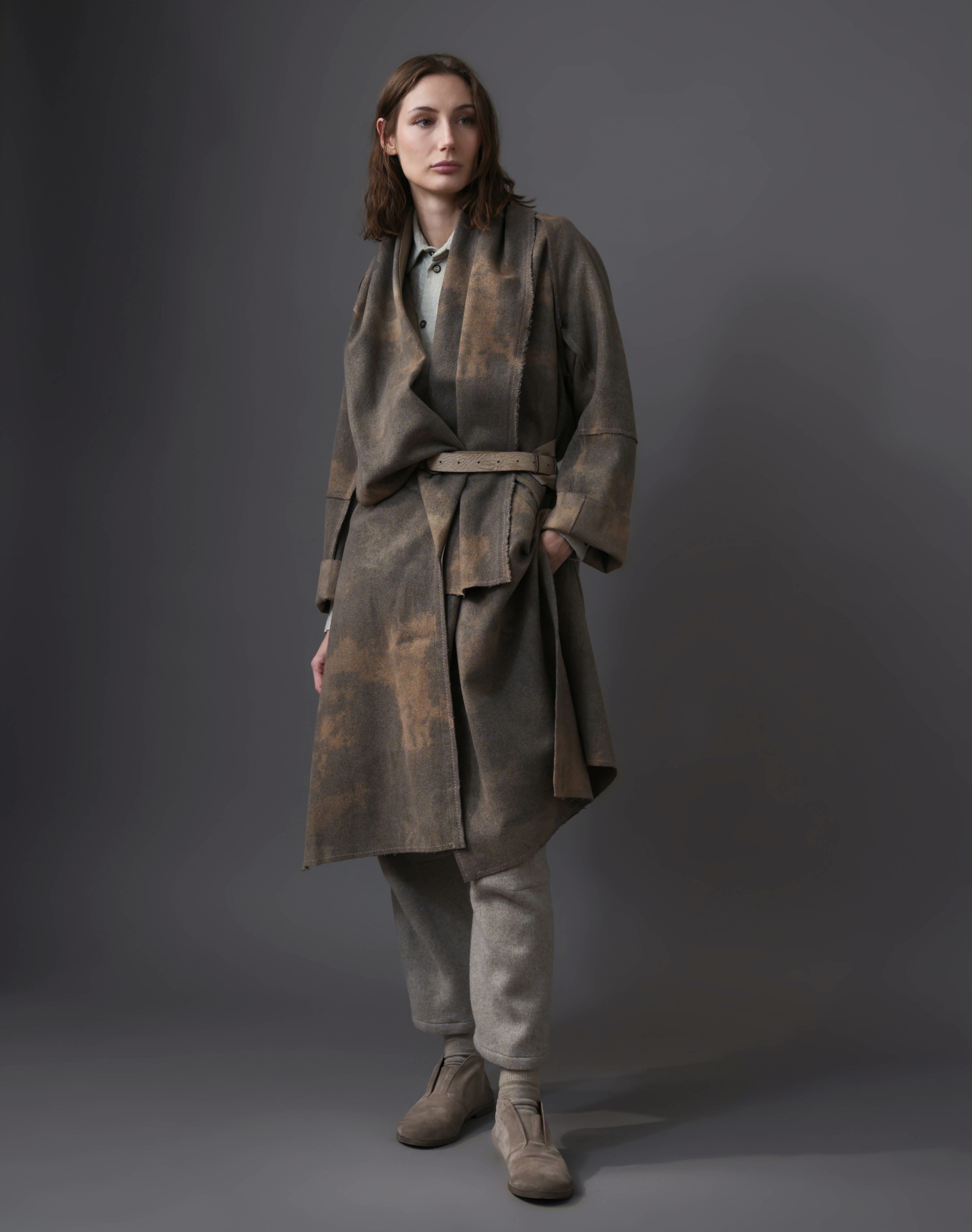
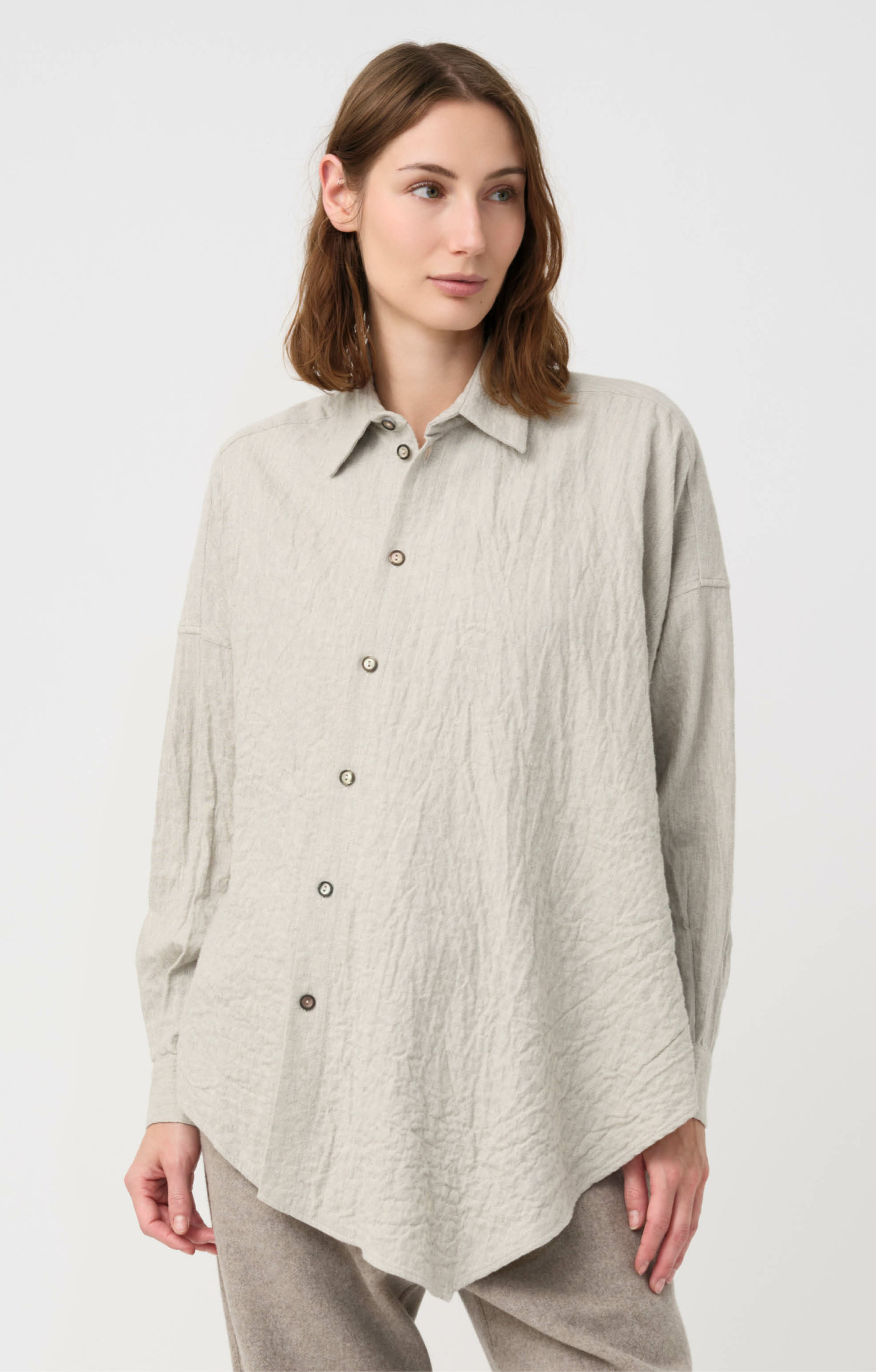
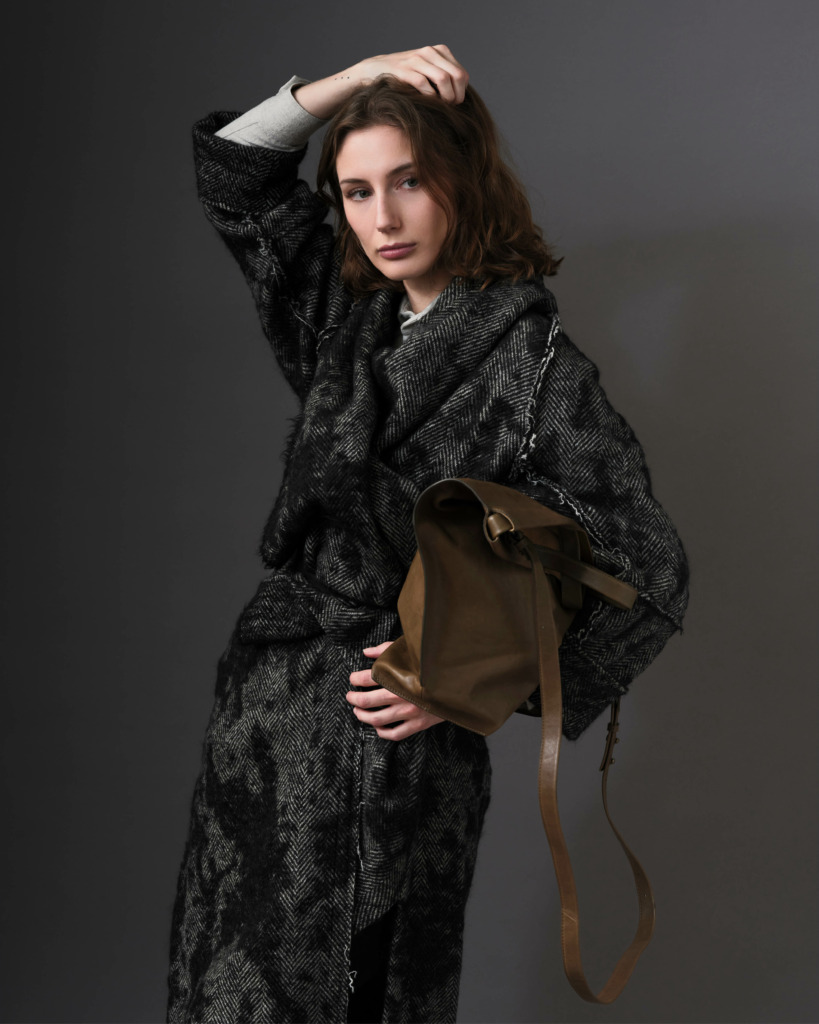
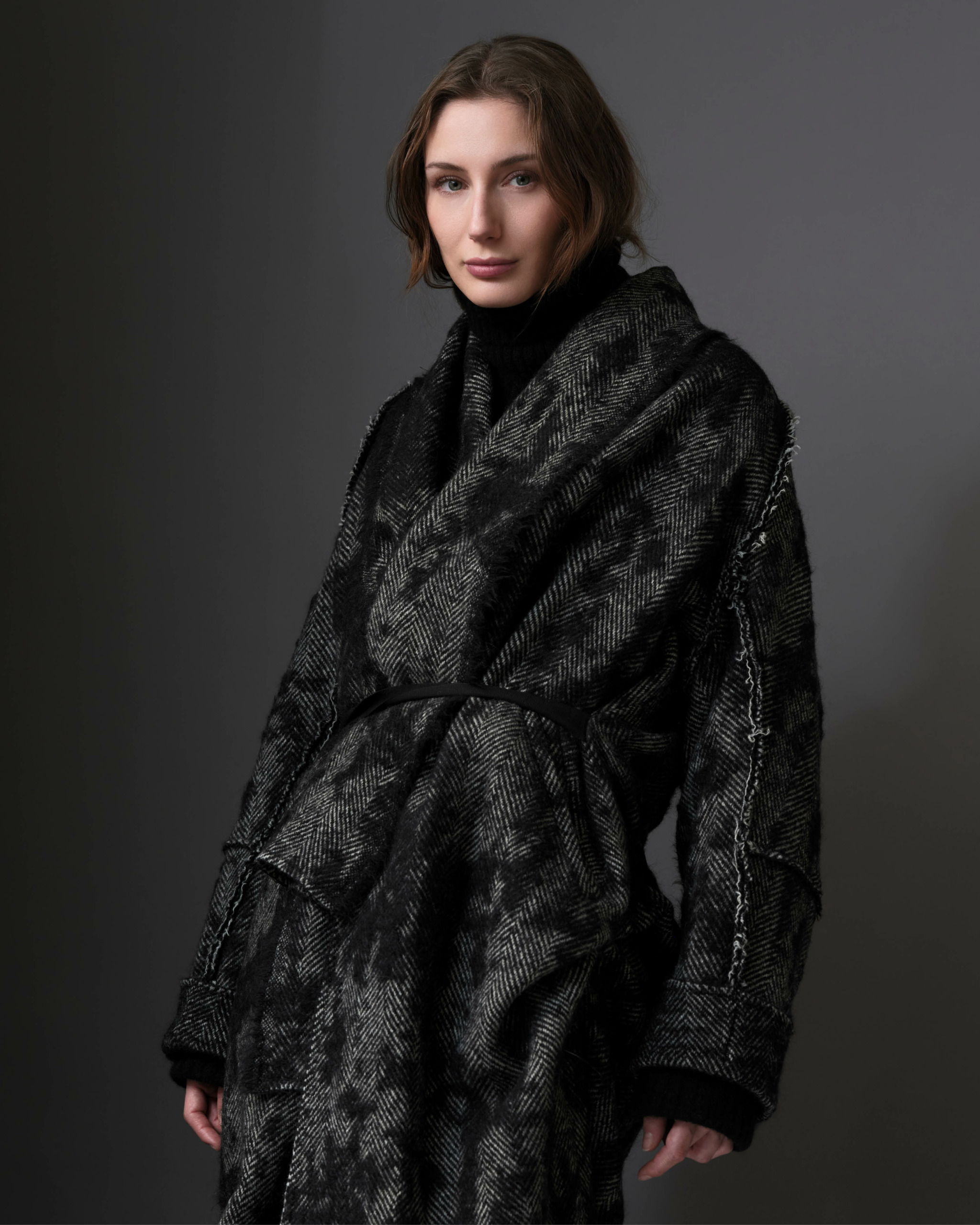
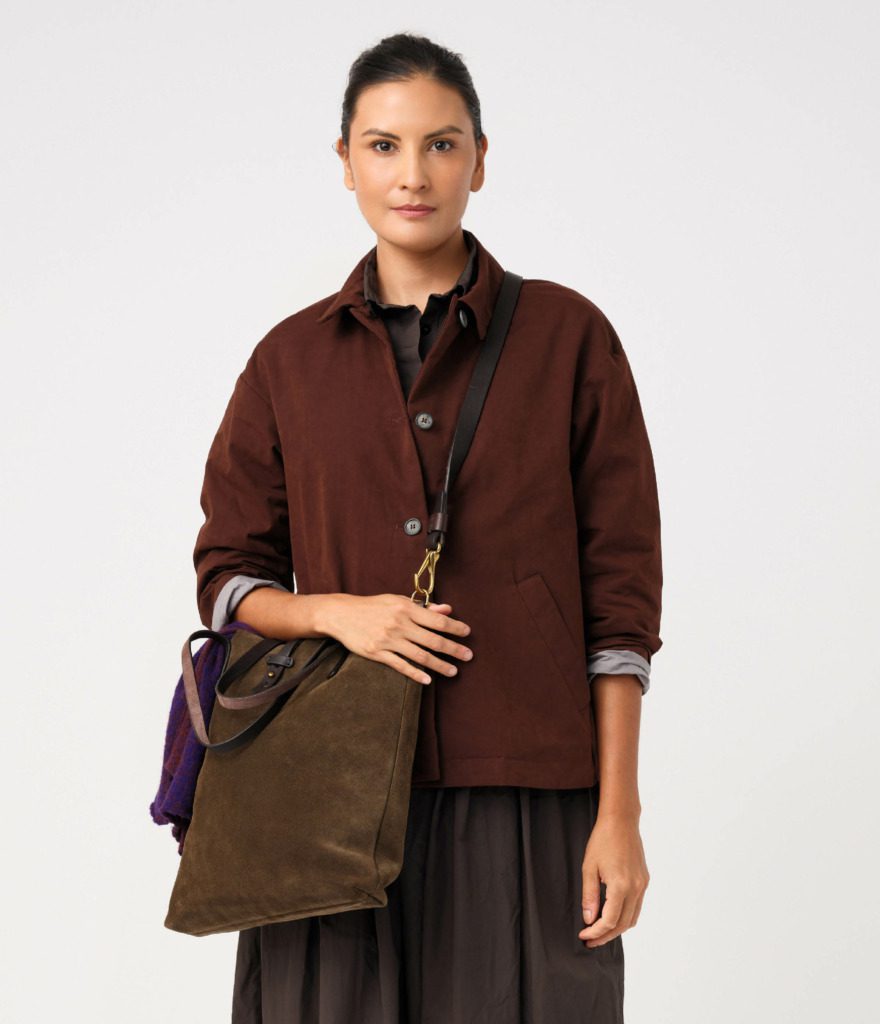
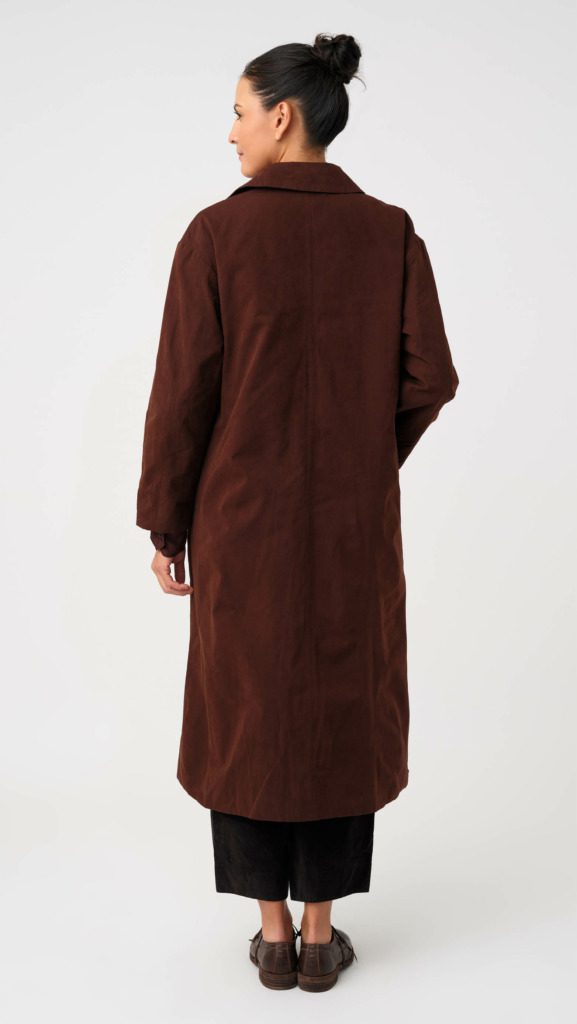
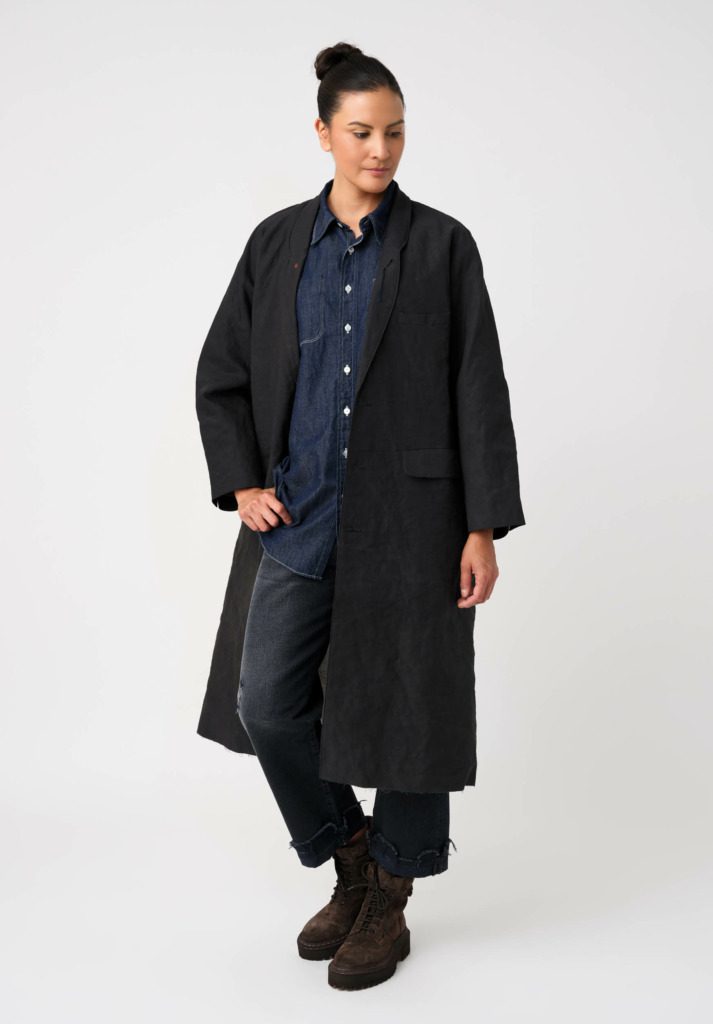
The wardrobe envisioned by Klaus Plank and Barbara Cavalli is one to be assembled over time. The designs for their Italian label, Bergfabel, are classical and seasonless. Crumply, tailored jackets, knife-pleated shirting, trousers with a traveler’s crease… all are made with the care and precision of the small, special ateliers of centuries past. This is an aesthetic outside of contemporary trends, intended to let its wearer revel in the simple pleasure of dressing well without fuss.
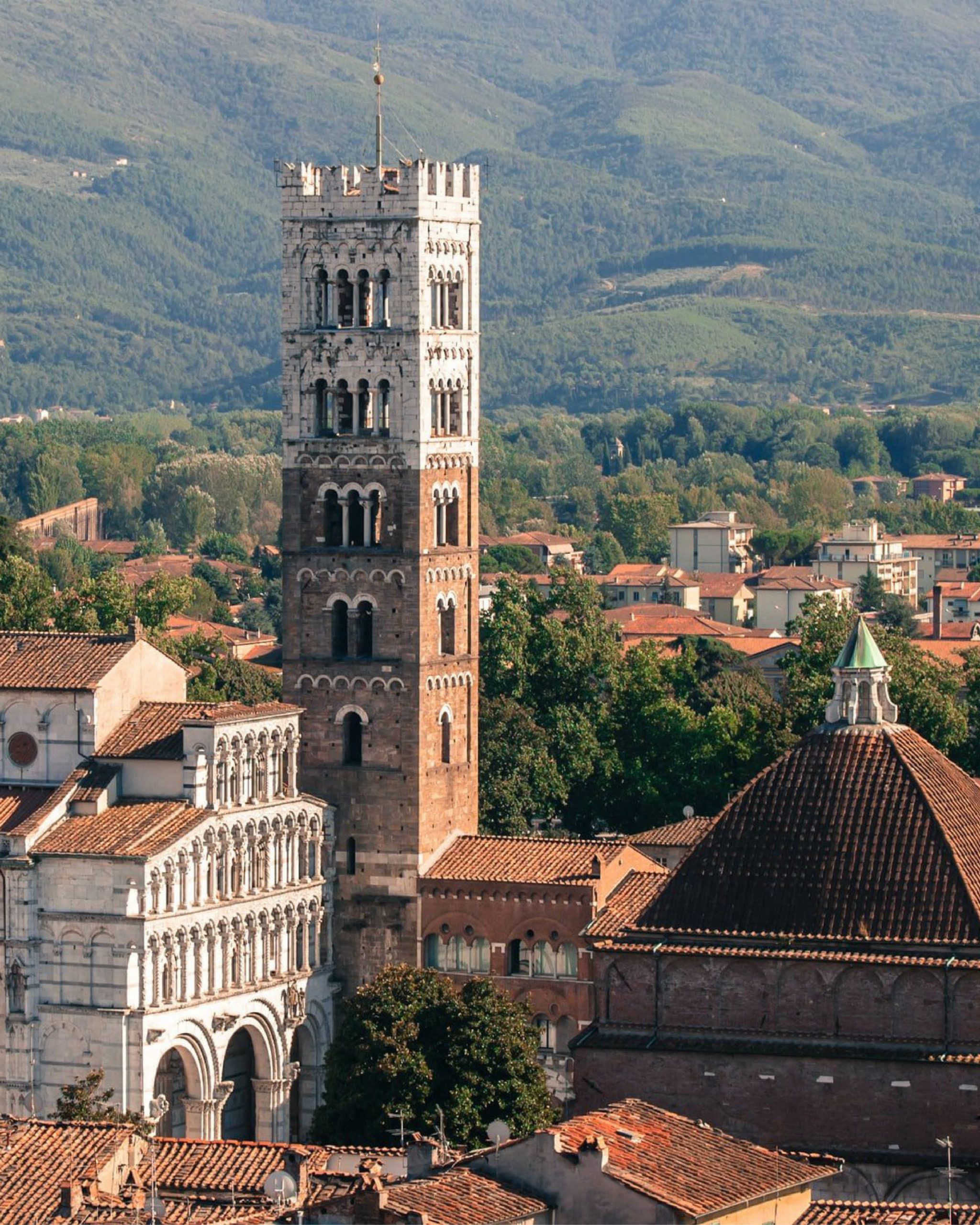
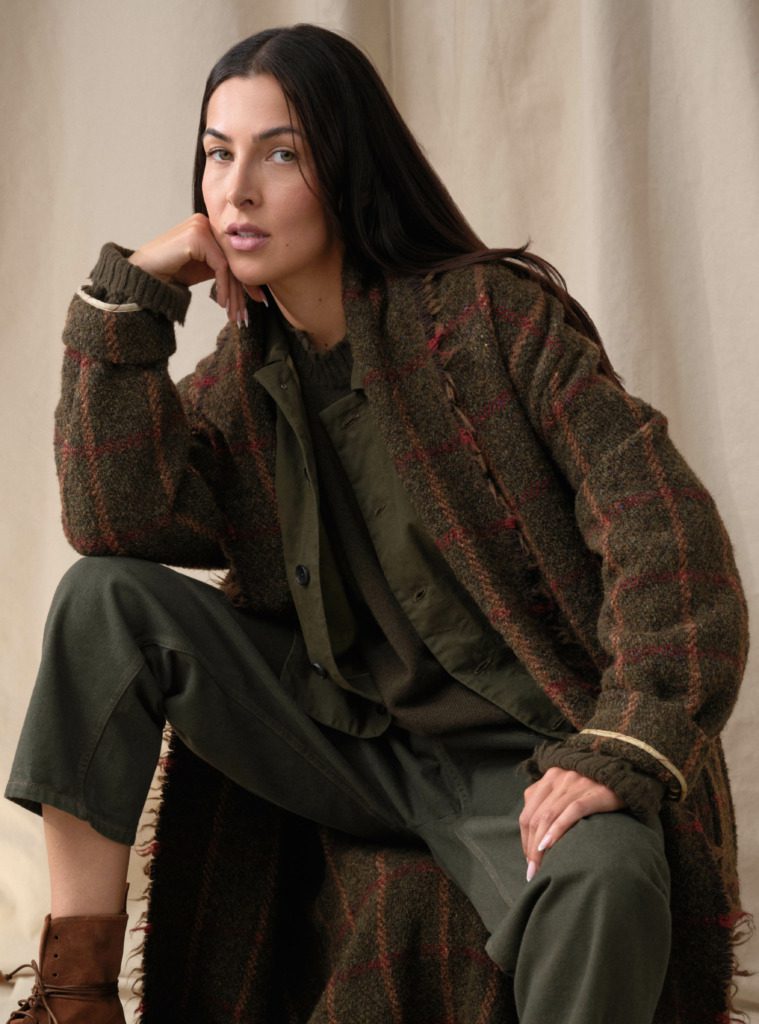
Muted earth tones dominate the studio’s collection for Fall/Winter 2026, sweetened by the additions of navy blue and eggplant. The brand’s storytelling is rooted in the places its made: a blend of pastoral and artisanal touches influenced by the studio’s beginning in the mountainous Italian region of South Tyrol and its now-home in Lucca, near Florence. Our buy focuses on Bergfabel’s jackets and coats, which are not only incredibly easy to wear and style but über comfortable to boot.
The past few weeks have been buzzing with activity. Between sending Shobhan and Phat off on the buy, navigating the busy events on the Plaza and unpacking the boxes arriving from all over the world, we’ve barely had a moment to think! However, the changing leaves have a way of nabbing our attention—encouraging us to slow down and enjoy the abundant textural inspiration of the season.
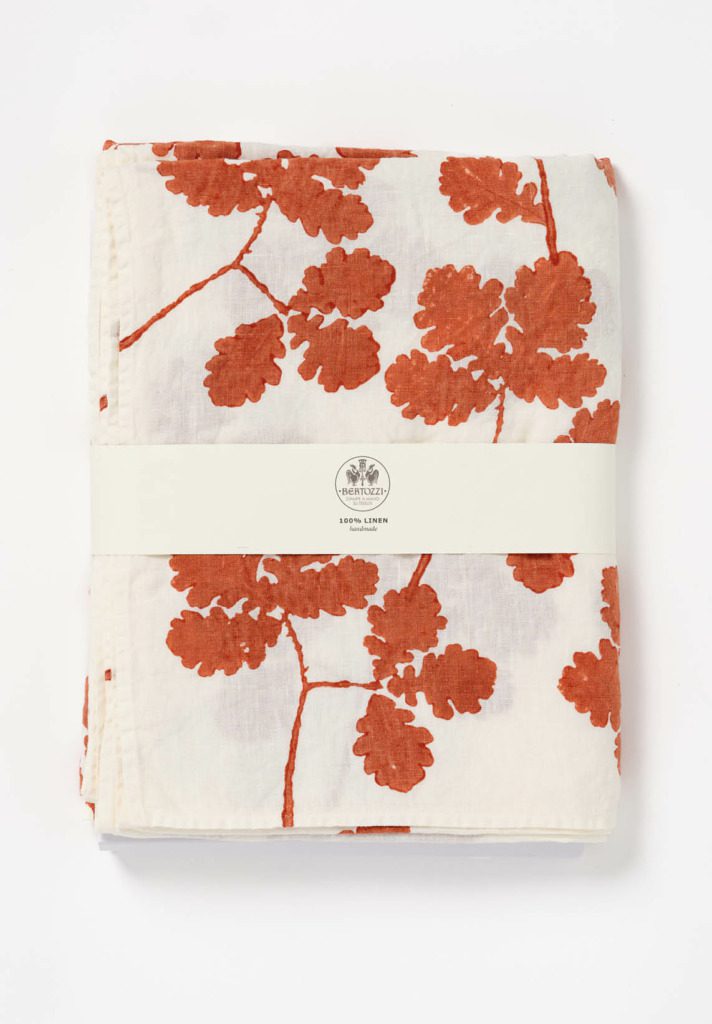
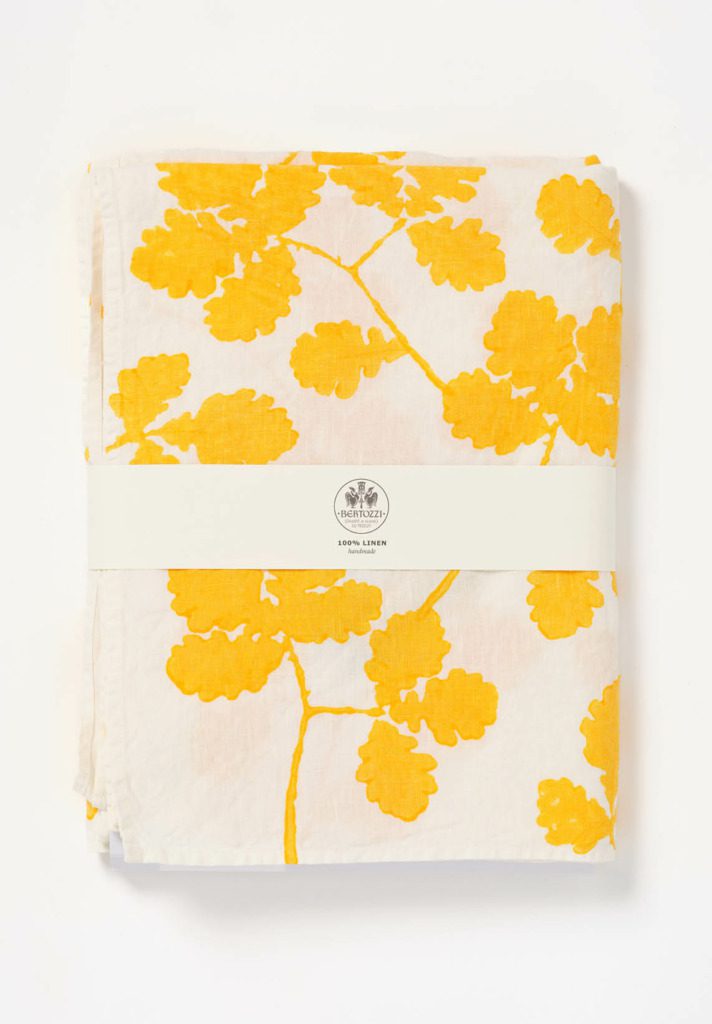
Our newest collections to Wild Life include core autumnal looks from Casey Casey, dashing blues from Daniela Gregis, the most delicious cashmere wraps from Alonpi and a host of handmade goods for the home from our friends at Stamperia Bertozzi and Maison de Vacances. If you will be walking the Plaza in the next few weeks, please join us in-store to dive into all this favorite time of year has to offer.
The latest from Paris-based Casey Casey emphasizes the studio’s penchant for natural materials. Rendered through designer Gareth Casey’s most iconic shapes, such as the Pwet jacket and the Waga button-down, cottons of all types are made soft and ultra-wearable. Of note are Gareth’s use of blended yarns—dual fiber constructions that introduce a subtle complexity of texture in each design.
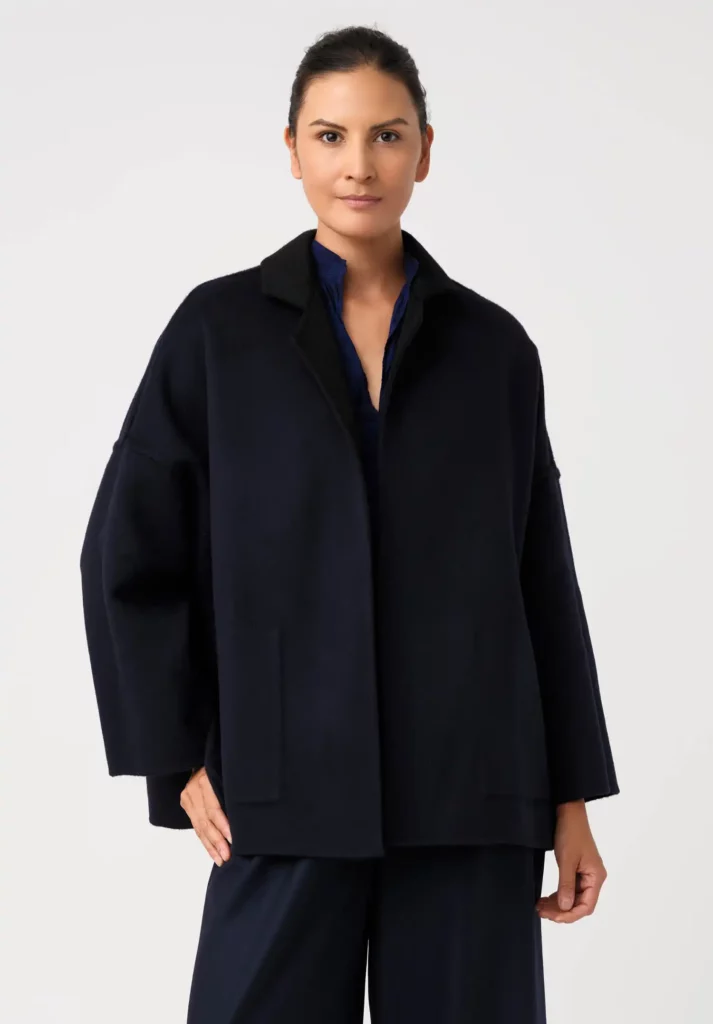
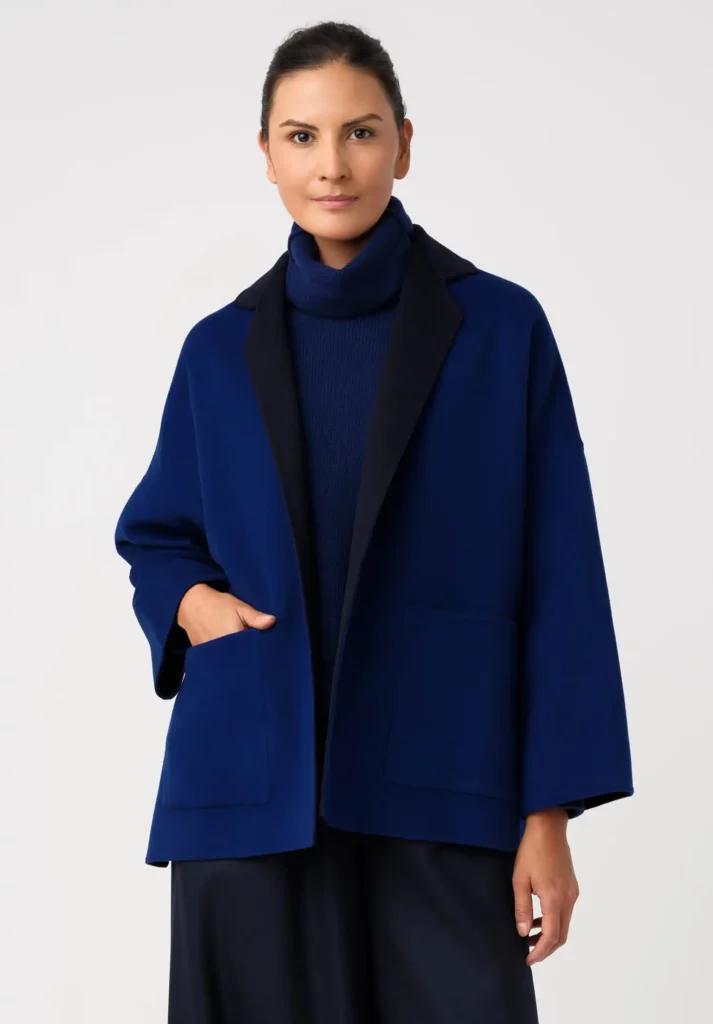
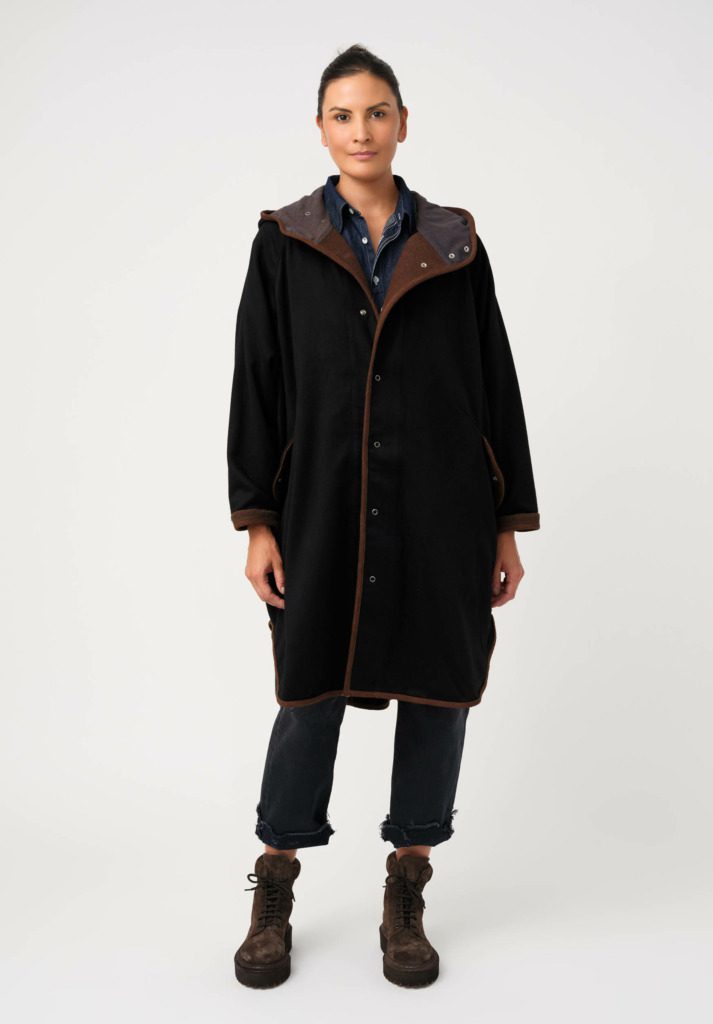
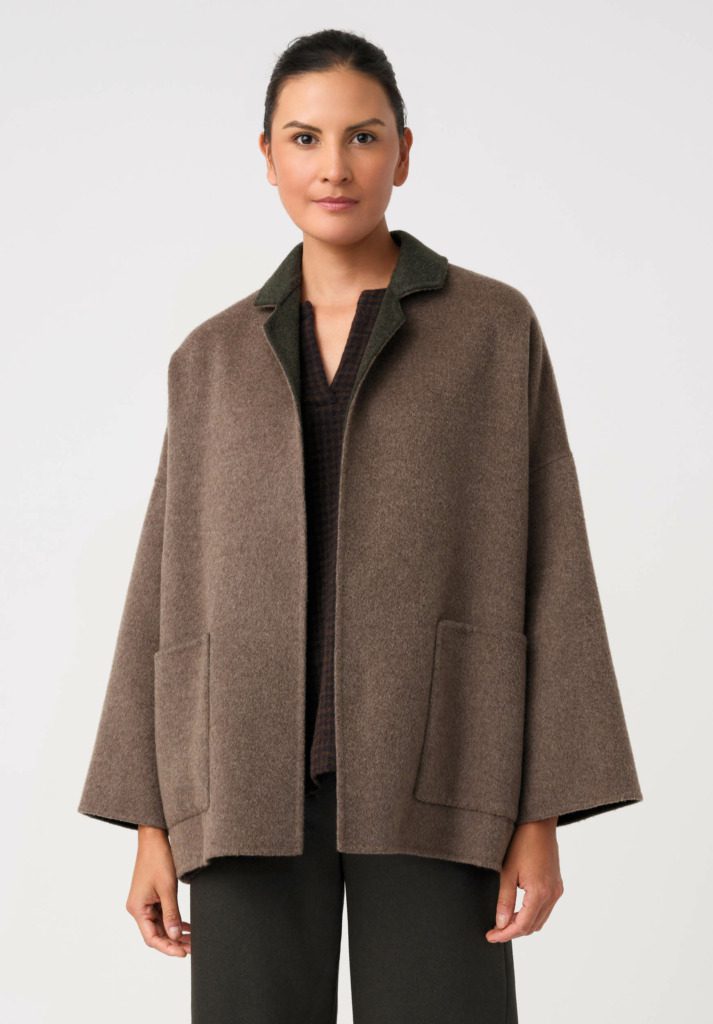
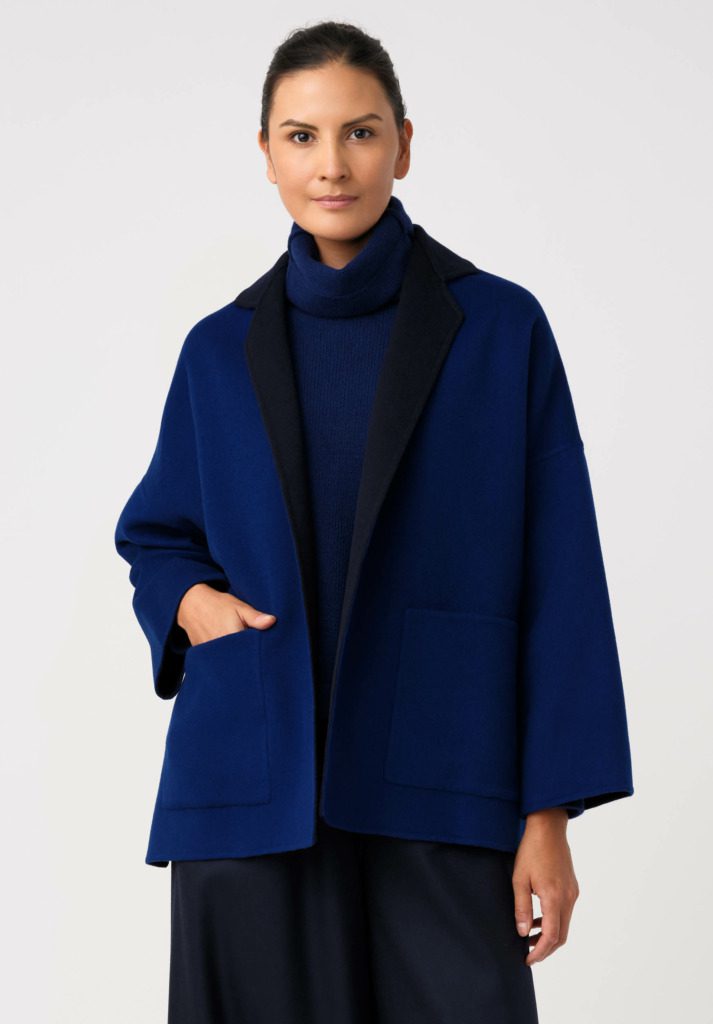
Daniela’s first arrivals for Fall/Winter have graced our stores in a rush of navy and black. Her efforts focus on soft, cold-weather essentials as we end the year, such as relaxed woolen coats and double-faced cashmere jackets. Many of the pieces in this first delivery are reversible and come with an optional tie for easy, flexible dressing.
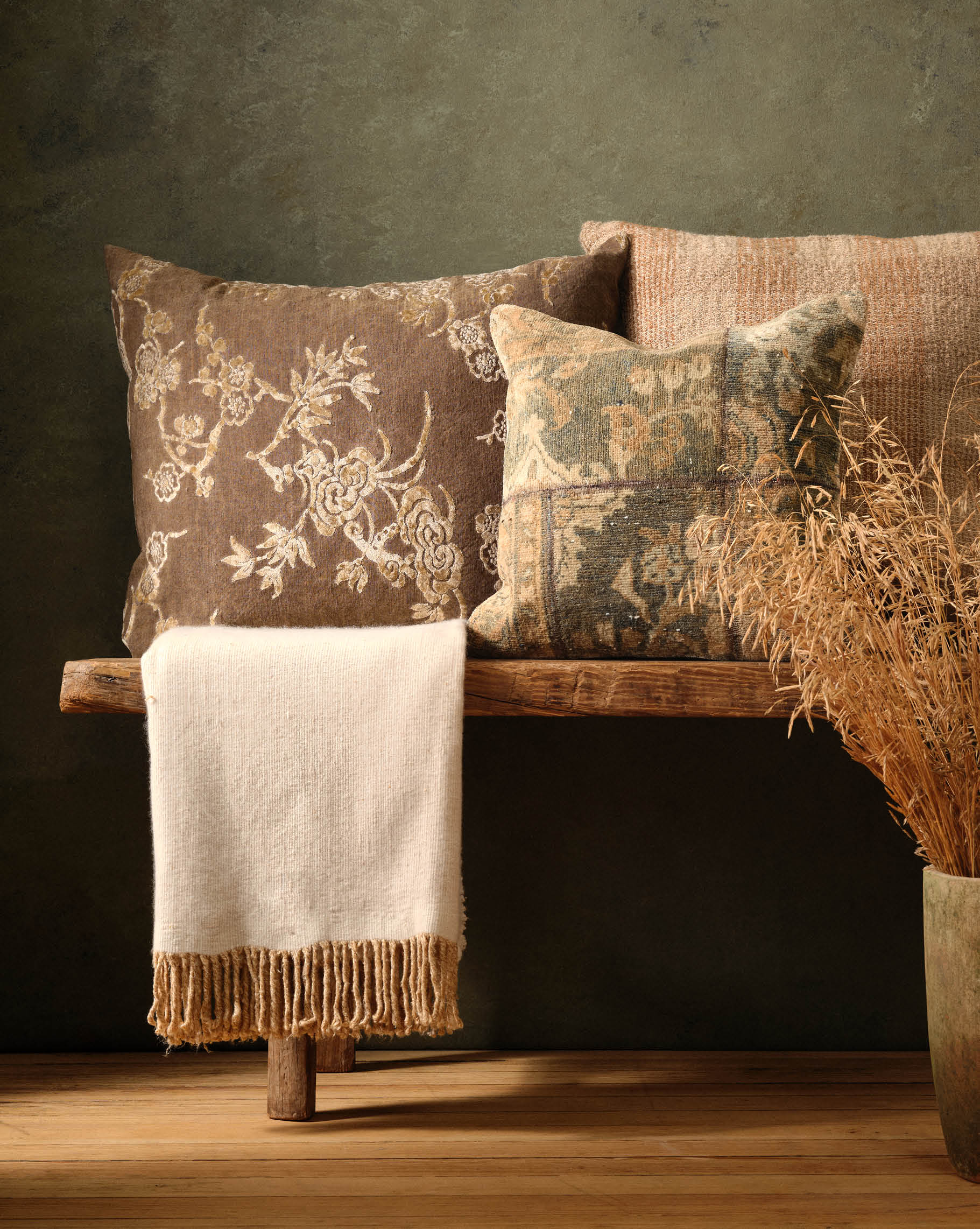
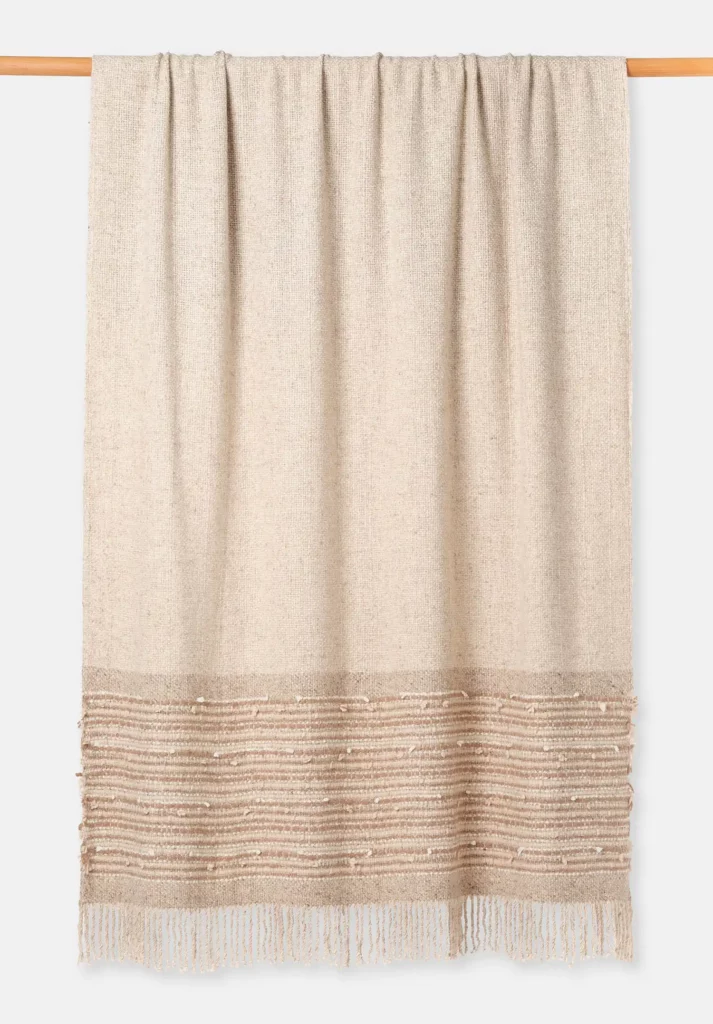
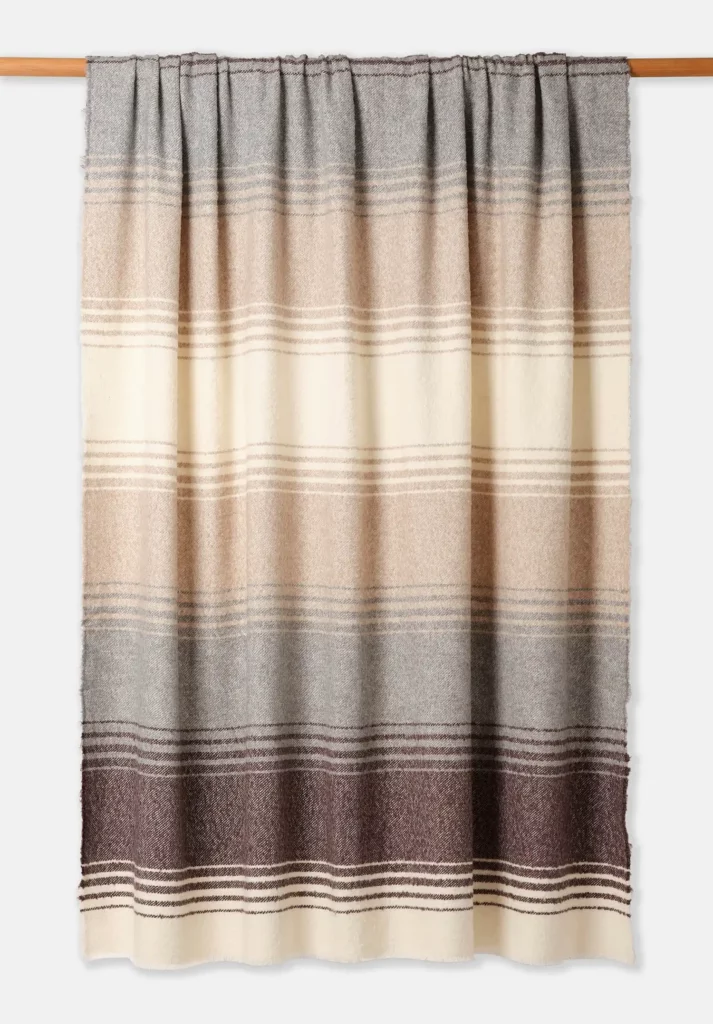
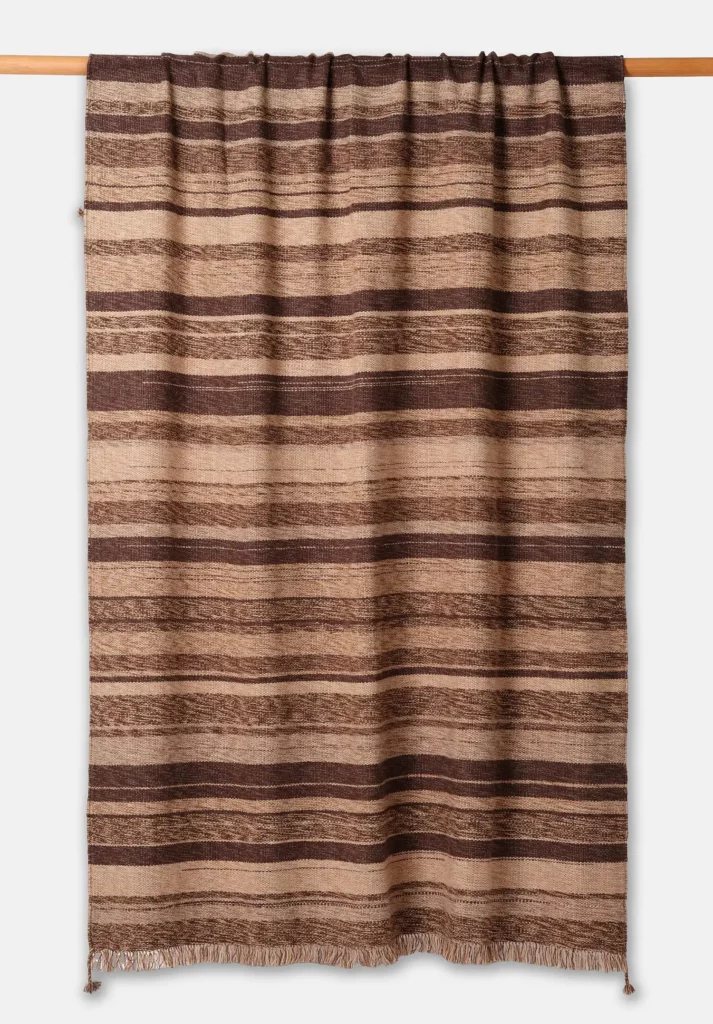
The lush homegoods of Alonpi offer a vision for softer living from the mountainous village of Biella, Italy. A staple of Wild Life, this small, artisanal mill is the source of some of the world’s best cashmere—of which they hand make a special, exclusive collection just for our stores. Our acquisitions for fall are for both the home and body, loomed with the incredible softness we’ve come to love from this heritage brand.
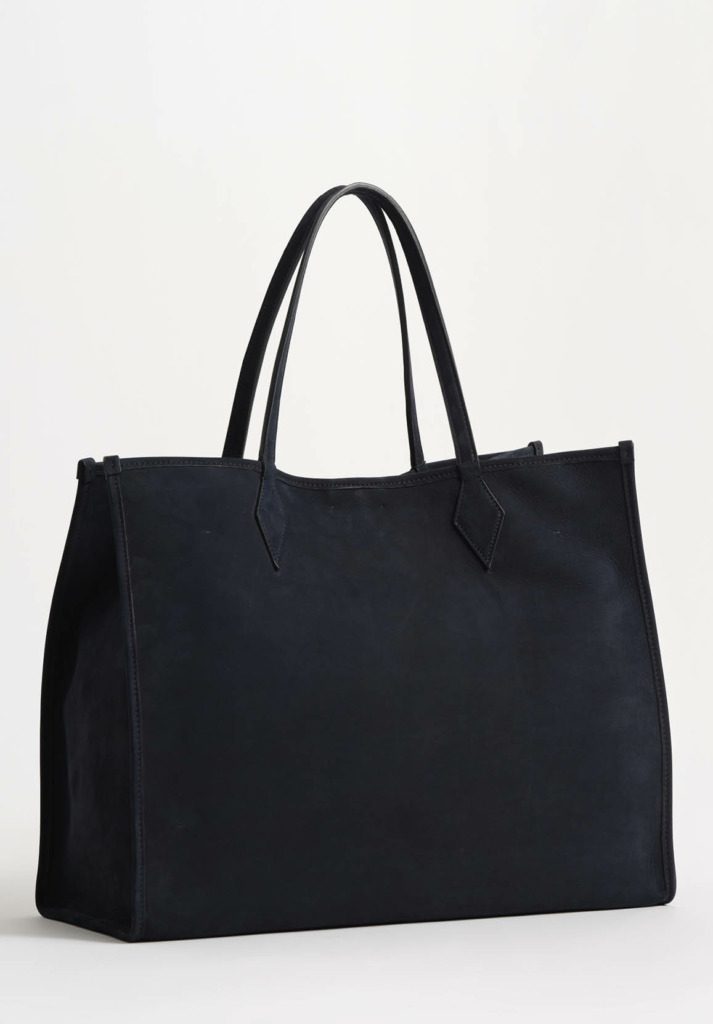
Modular and functional, Métier’s handbags embody the ideals of high-taste accessory design—exceptional leather craft, elegant brass details and a trendless longevity. Designer Melissa Morris describes herself as “passionate about creating elegant solutions for modern problems,” such as a bag that carries everything, everywhere for years and still looks great.
While color and tone define the overall mood of a room, the true soft goods experience is characterized by the way a piece feels. Designed by Michèle Fouks in Paris, these versatile soft goods come in a luxuriously wide range of textiles and finishes intended to be layered to taste. Their style, characterized by a simple approach to pattern and finish, is ideal for those who enjoy dynamic color options without sacrificing the virtues of natural materials.
Our quiet powerhouse for shirting and pants, Album di Famiglia’s latest delivery is defined by the inclusion of designer Monica Rusconi’s limited edition line, Serie Numerata. As indicated by the name, these pieces are made in very limited quantities—just 50 to 100 per style. Like exclusive editions of artwork or books, each is infused with special skill and care.
The past few weeks have been buzzing with activity. Between sending Shobhan and Phat off on the buy, navigating the busy events on the Plaza and unpacking the boxes arriving from all over the world, we’ve barely had a moment to think! However, the changing leaves have a way of nabbing our attention—encouraging us to slow down and enjoy the abundant textural inspiration of the season.
Our newest collections to Workshop include rugged coat designs from Cottle, limited edition cashmere from Album di Famiglia, super soft knits from Uma Wang and the distinctive minimalism of Daniele Basta’s lambskin handbags. If you will be walking the Plaza in the next few weeks, please join us in-store to dive into all this favorite time of year has to offer.
A meld of Europe’s couture sophistication and the cool, contemporary style of avant-garde Japan, Cottle’s high-caliber creative team creates pieces that are as at home on the runway as they are out in the wild. The studio’s newest designs for Workshop are texture-forward—a selection of distinctive coats made from felted cashmere, knit cotton and crisp hemp with silk.
Our quiet powerhouse for shirting and pants, Album di Famiglia’s latest delivery is defined by the inclusion of designer Monica Rusconi’s limited edition line, Serie Numerata. As indicated by the name, these pieces are made in very limited quantities—just 50 to 100 per style. Like exclusive editions of artwork or books, each is infused with special skill and care.
Returning to her love of knitwear, Uma Wang focuses primarily on alpaca and cashmere fibers for this latest delivery to Workshop. Cushy sweaters complement the tones of her cut-and-sewn for the season: a muted selection of earthy jacquards that harken to her earlier work. The romantic, semi-Victorian aesthetic is a cult favorite from the brand… one that has been reshaped and deepened by Uma’s further exploration of textile.
Modular and functional, Métier’s handbags embody the ideals of high-taste accessory design—exceptional leather craft, elegant brass details and a trendless longevity. Designer Melissa Morris describes herself as “passionate about creating elegant solutions for modern problems,” such as a bag that carries everything, everywhere for years and still looks great.
Not just new for the season but wholly new to the stores are the designs from Max Mara’s capsule collection, ‘S Max Mara. To creative director Ian Griffiths, a coat is “like nothing else in your wardrobe… It offers protection, comfort and, of course, prestige.” True to the ethos, a brushed cashmere coat in camel is practically a staple of this brand… we just had to acquire a few for our first foray.
The past few weeks have been buzzing with activity. Between sending Shobhan and Phat off on the buy, navigating the busy events on the Plaza and unpacking the boxes arriving from all over the world, we’ve barely had a moment to think! However, the changing leaves have a way of nabbing our attention—encouraging us to slow down and enjoy the abundant textural inspiration of the season.
Our newest collections to Santa Fe Dry Goods include the distinctive designs of Dries Van Noten, classical neutrals from ‘S Max Mara, totally bohemian cardigans from Alanui and a small selection of high character handbags from Metiér. If you will be walking the Plaza in the next few weeks, please join us in-store to dive into all this favorite time of year has to offer.
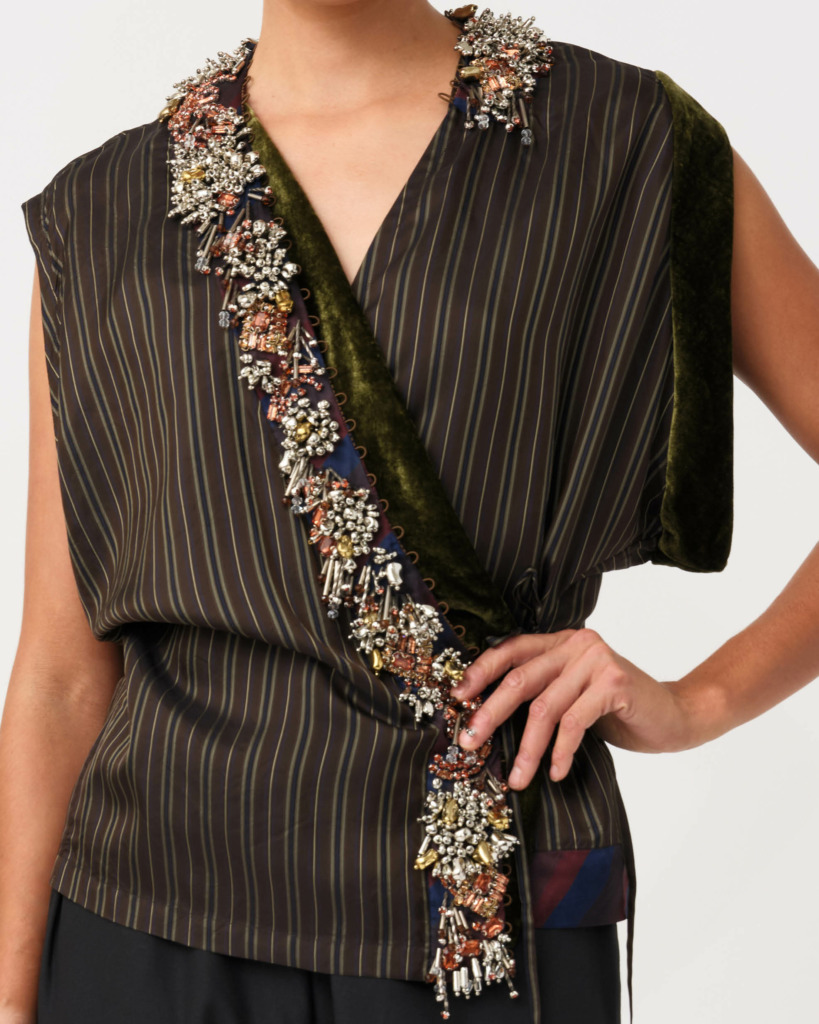
Rich in tactile contrast, Julian Klausner’s first collection for the famed house explores tension between shimmering versus matte, structured versus fluid and austerity versus exuberance. Deep jewel tones define the palette, alongside dramatic metallics and crystalline beads.
Not just new for the season but wholly new to the stores are the designs from Max Mara’s capsule collection, ‘S Max Mara. To creative director Ian Griffiths, a coat is “like nothing else in your wardrobe… It offers protection, comfort and, of course, prestige.” True to the ethos, a brushed cashmere coat in camel is practically a staple of this brand… we just had to acquire a few for our first foray.
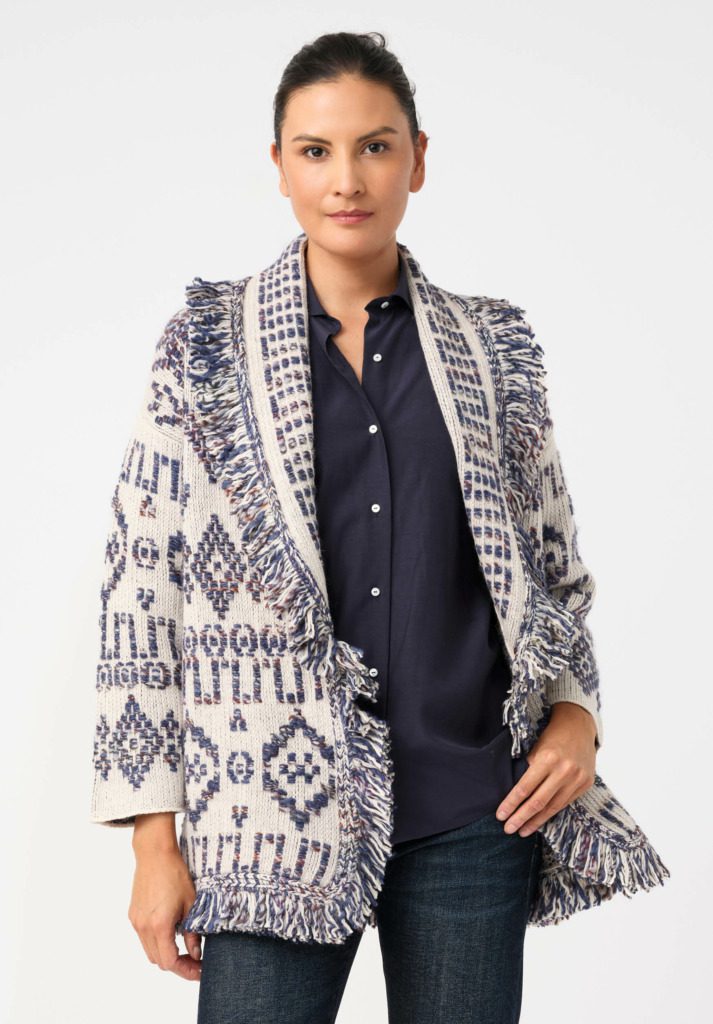
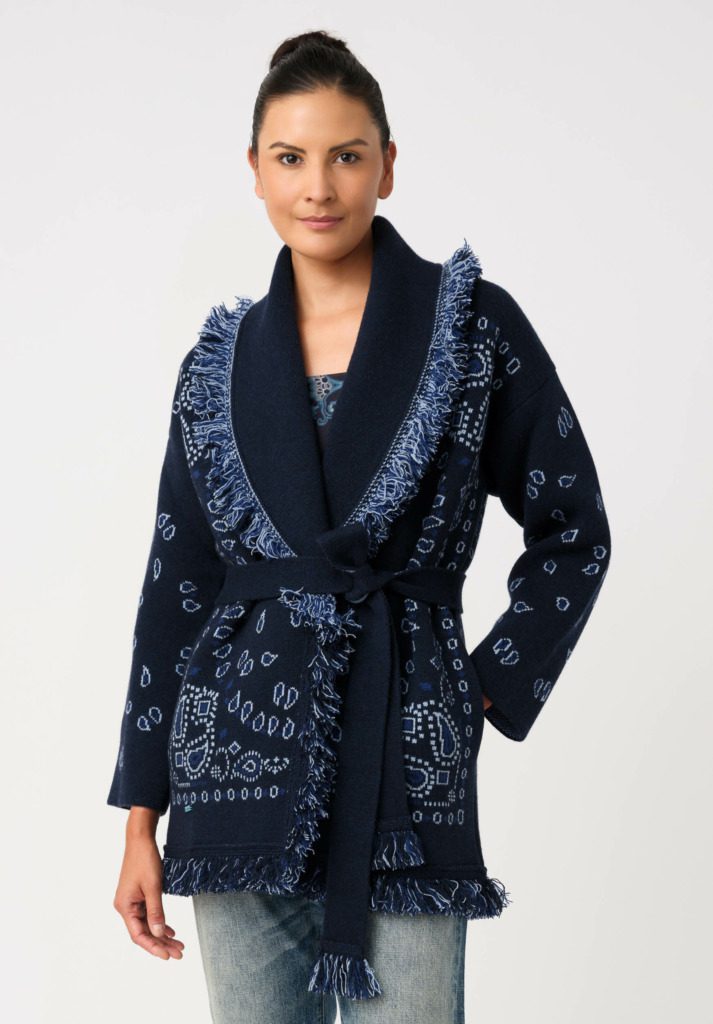
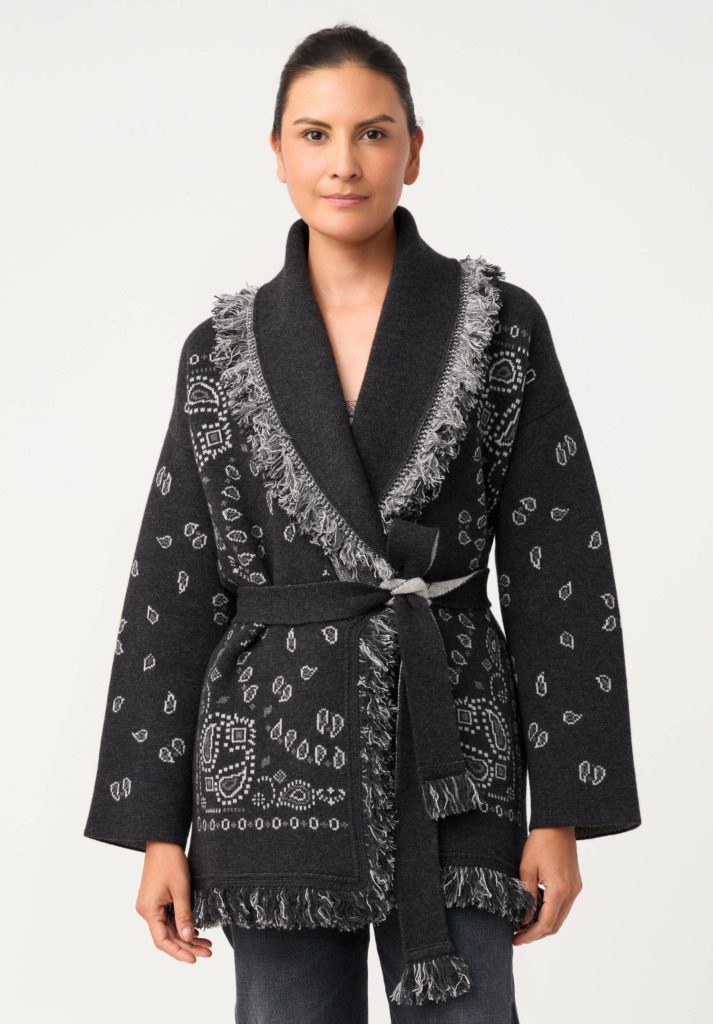
Another new-to us label is the stylings of Alanui—a small, Milan-based studio with a penchant for meticulously knit cashmere cardigans. Influenced in equal parts by California surf culture, Native American design and the annals of high fashion, these pieces are distinctive, decorative and very fun to wear.
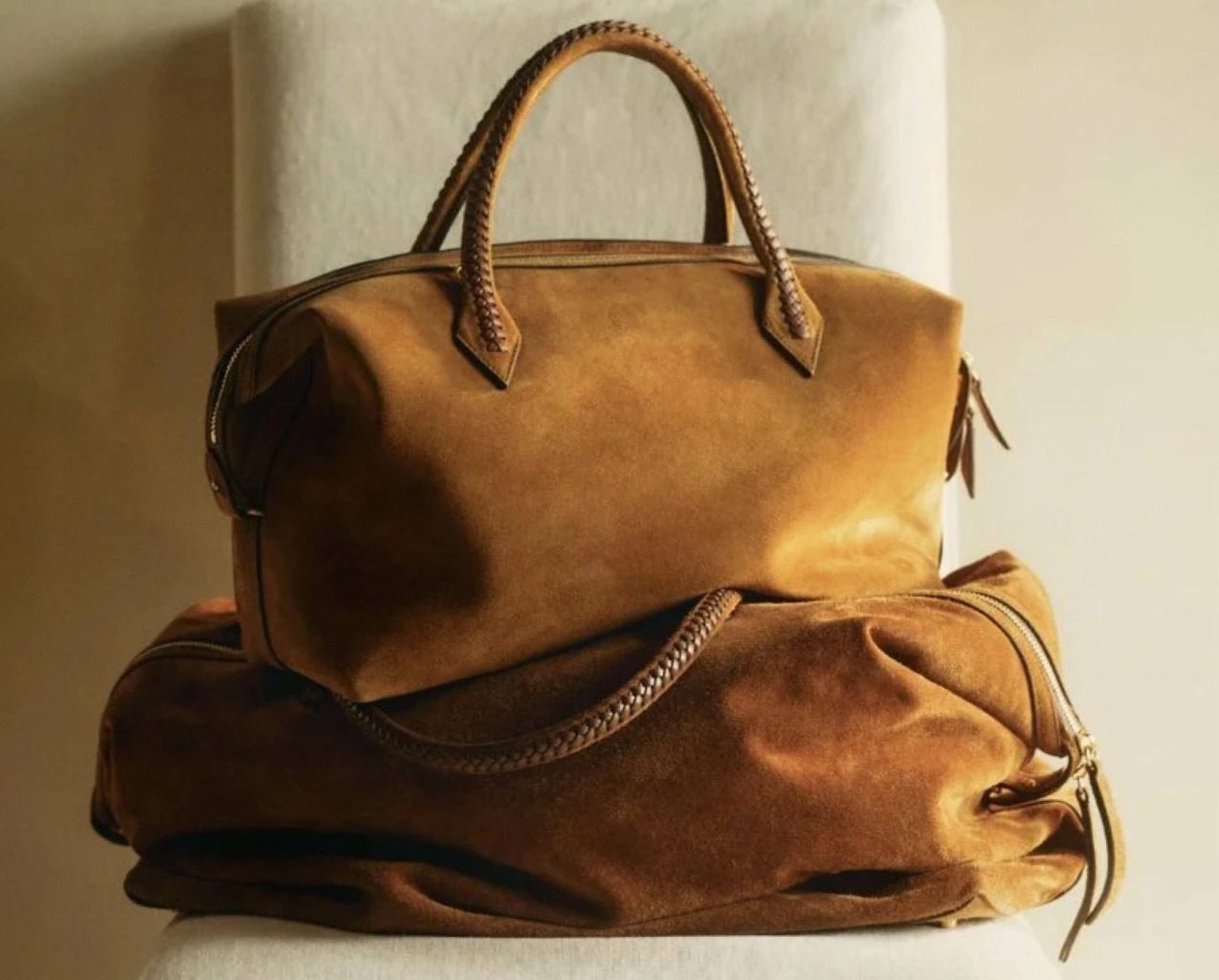
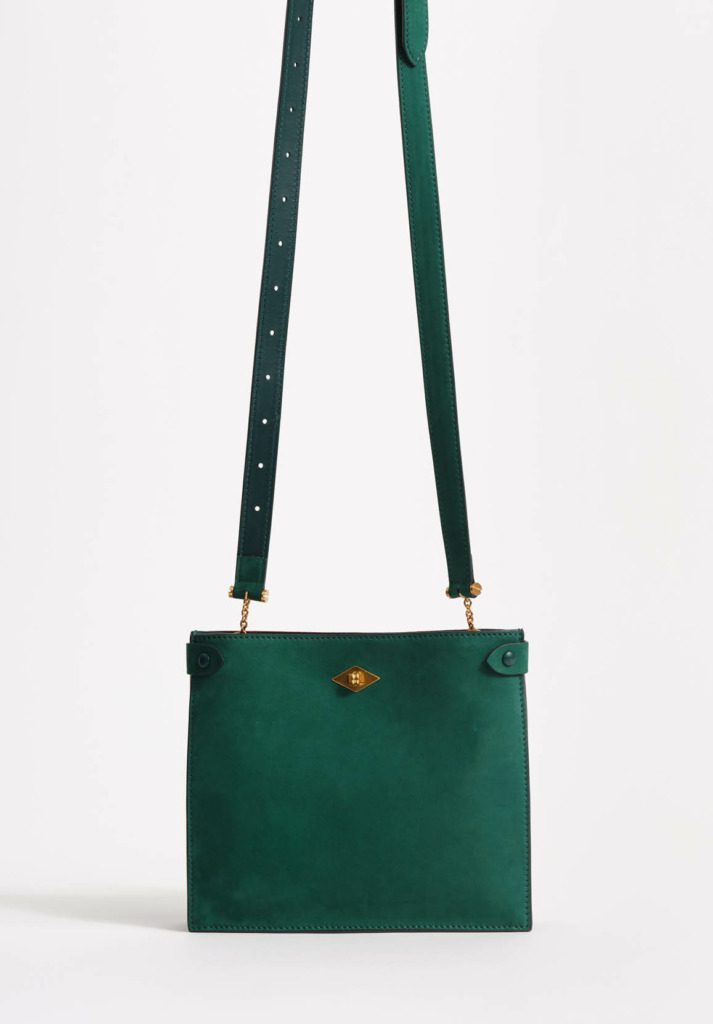
Modular and functional, Métier’s handbags embody the ideals of high-taste accessory design—exceptional leather craft, elegant brass details and a trendless longevity. Designer Melissa Morris describes herself as “passionate about creating elegant solutions for modern problems,” such as a bag that carries everything, everywhere for years and still looks great.
Daniela’s first arrivals for Fall/Winter have graced our stores in a rush of navy and black. Her efforts focus on soft, cold-weather essentials as we end the year, such as relaxed woolen coats and double-faced cashmere jackets. Many of the pieces in this first delivery are reversible and come with an optional tie for easy, flexible dressing.
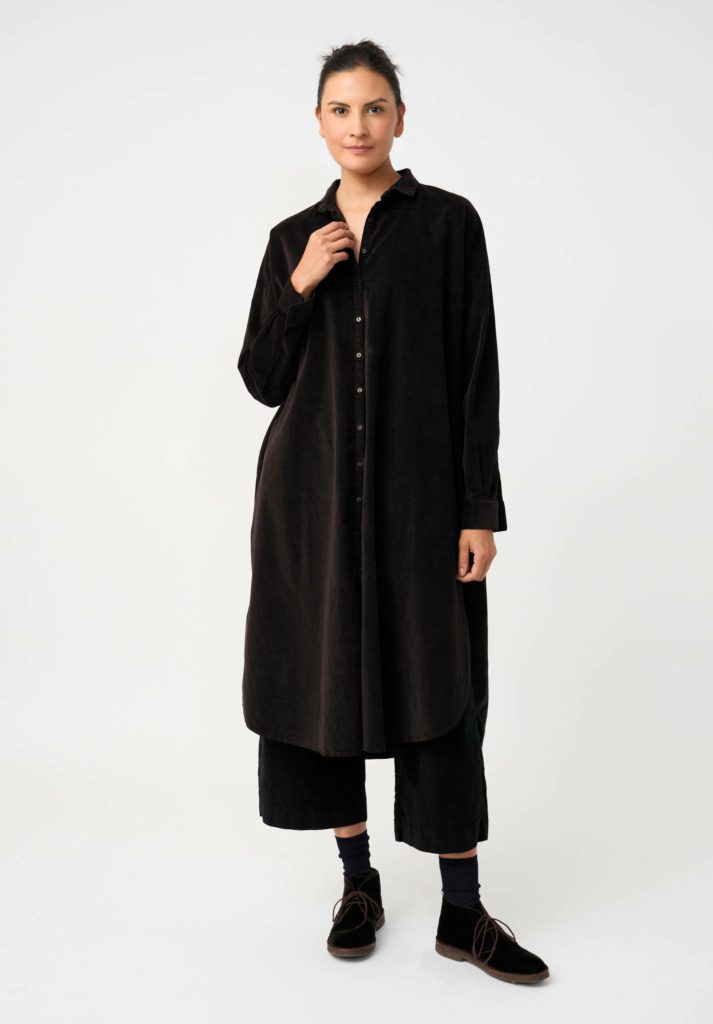
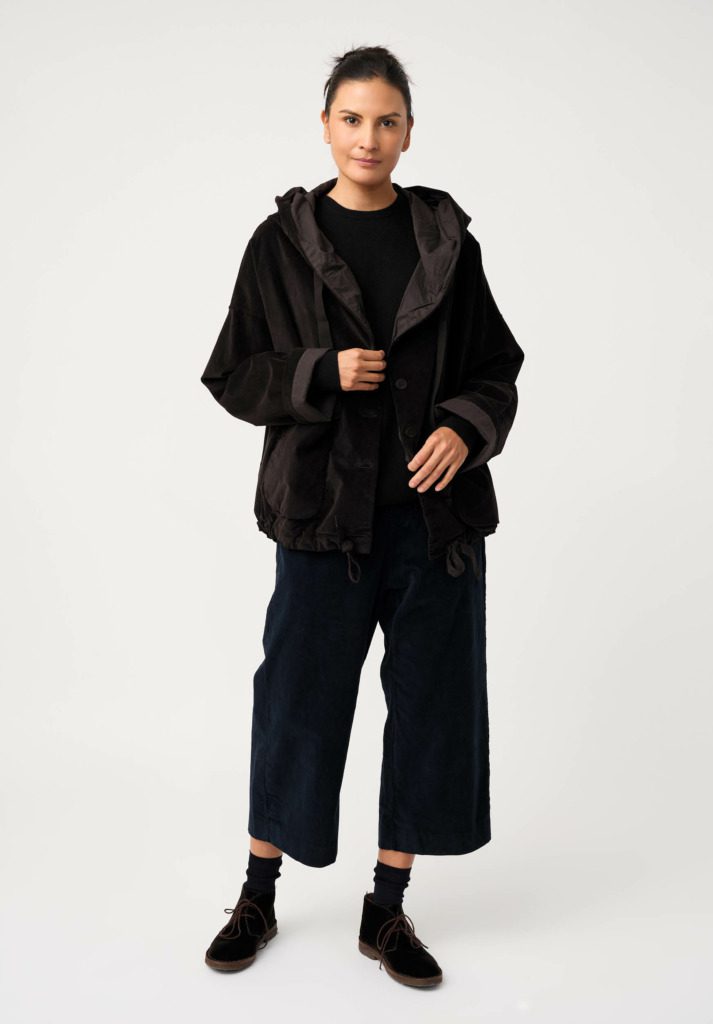
Casey Casey for Fall/Winter 2025 is here in a flurry of fallen leaves—this time, captured across ikat and rich cotton velvet. This season dives deep into the studio’s textile expertise, expressed across designer Gareth Casey’s most iconic shapes, such as the Pwet jacket and the Waga button-down. Of particular note in this collection is Gareth’s penchant for blended yarns—dual fiber constructions that introduce a subtle complexity of texture in each design.
At his core, Gareth is reinterpreting classic, rigid shapes with a softer touch for the modern wardrobe. The garments, while minimal, are far from sterile or pristine. Stiff workwear, hardy overalls and tailored car coats turn soft and ultra-wearable under his touch. The Casey Casey aesthetic is one as layered and lived-in as the environment wherein it develops—the verdant, ancient hills of middle France. Ripe with a humble character, the artisanal simplicity of these pieces will only become more lovely with time.
Our focus during the buy is most often texture—if we gasp a little when running our hands across the fabric, we know it’s something we need to bring into the stores. Our time with Casey Casey exemplifies this experience, and is one we look forward to each time we return to Paris. On our mind for this season are their plush velvets, the rugged tweeds and their re-envisioned paper cotton shirting, which has a thicker hand to be warming for winter.
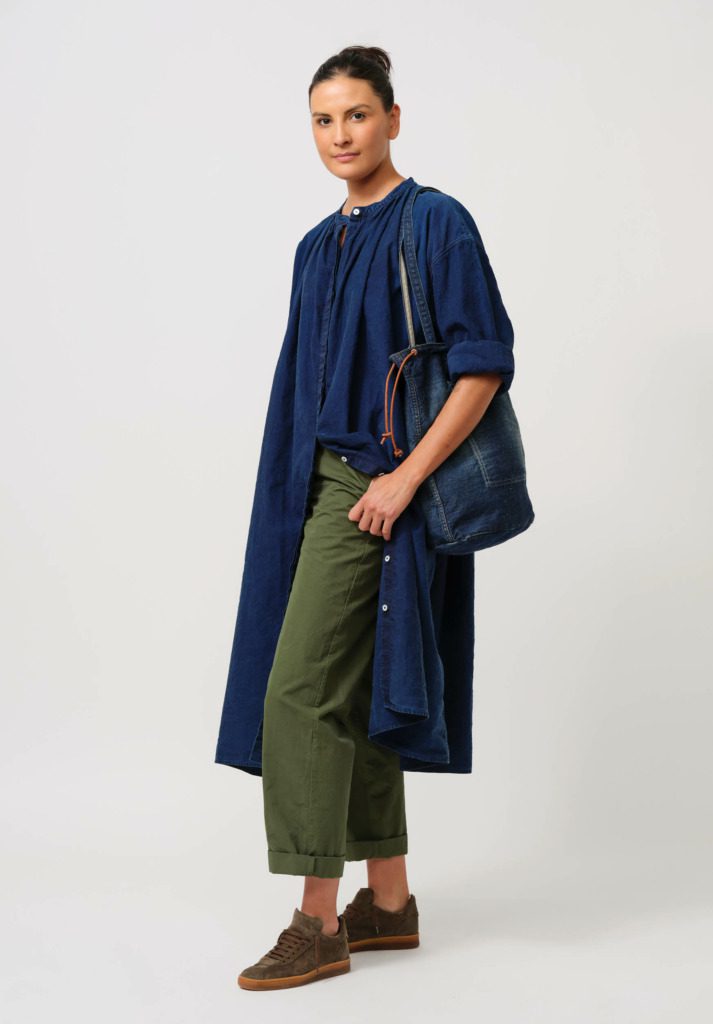
The newest capsule collection from Casey Casey, Orsan, emphasizes the brand’s intensive relationship to material, particularly cotton and heritage indigo. The simple, pastoral designs are inspired by Gareth’s life at Le Prieuré d’Orsan, a former 12th-century priory turned garden and studio nestled in the hills of France’s Loire Valley. As described by Gareth, Orsan is “something old, something new, something reinvented, something blue…” This special collection is available in-store only—please join us at Wild Life to explore the offering.
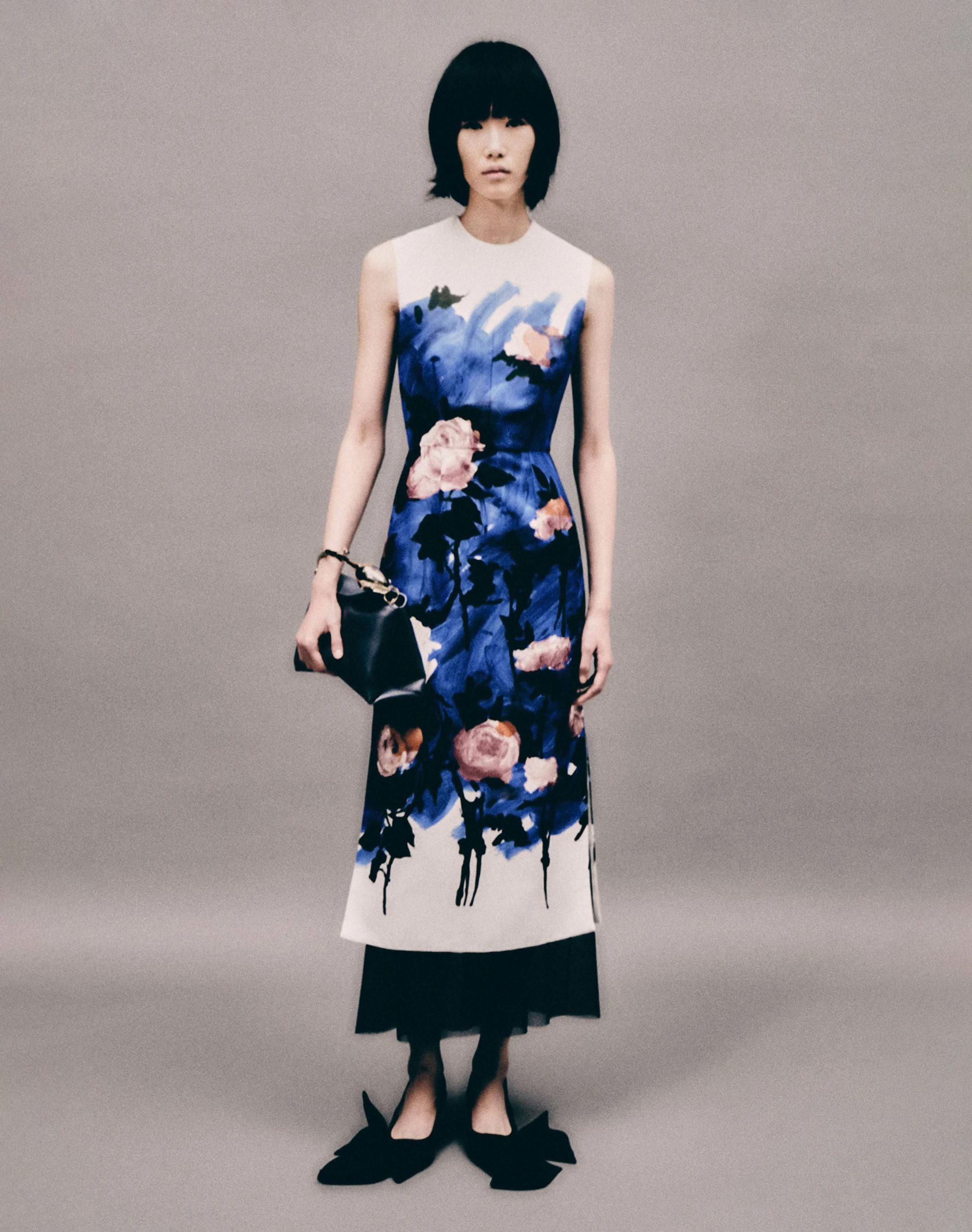
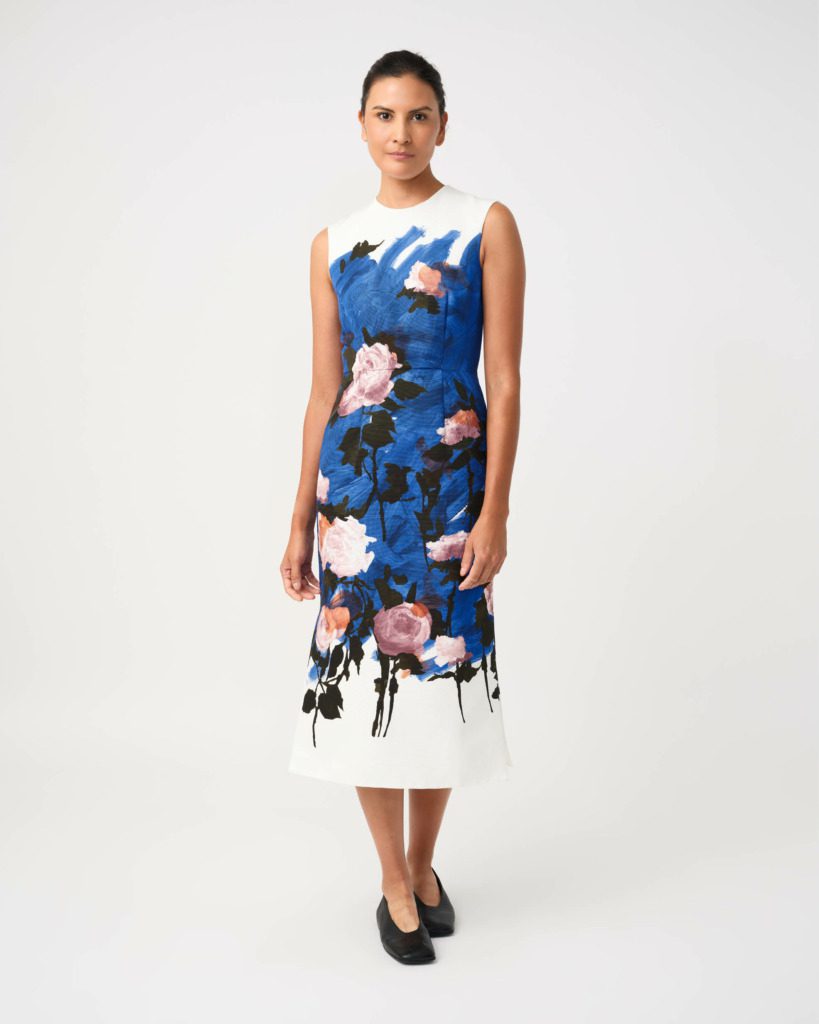
Art and life often serve as a prima materia for one another, feeding and inspiring each other in an infinite loop. Erdem Moralıoğlu’s first collaborative collection embraces this interplay, combining the distinctive silhouettes of his self-named label with the expressive brush strokes of Scottish artist Kaye Donachie.
Erdem’s connection to Kaye began with their shared education at London’s Royal College of Art. Their creative partnership was born after he commissioned a portrait from the painter. Through broad washes of oil paint, Erdem saw the soul of his mother captured on canvas—an effect Kaye describes as recording “footnotes in time.”
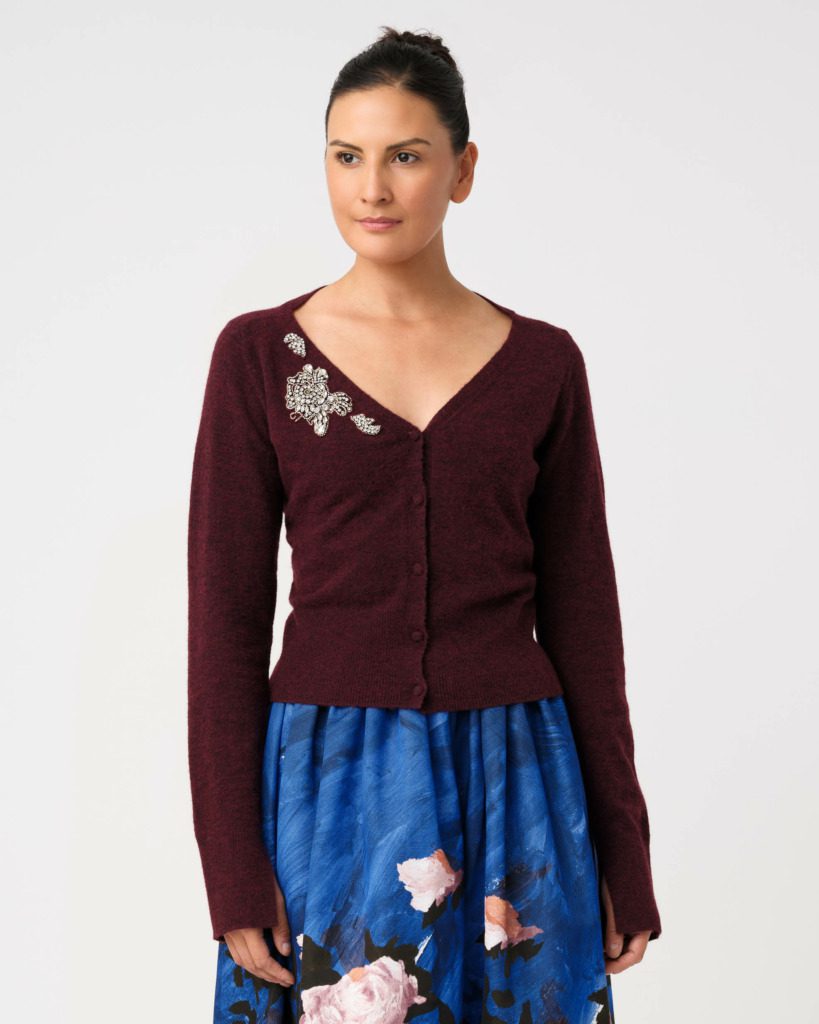
The striking, melancholic beauty of Kaye’s practice is splashed across Erdem’s designs this season. Quiet romance is woven into the impressionistic florals through dreamy satin prints, cloqué jacquards and tops with intricate crystal embellishments.
This collection embodies the aspirant and romantic qualities of fine art. By blurring the boundary between subject and muse, memory and material, Erdem pursues the height of creativity: where art becomes life, and life, once again, becomes art.
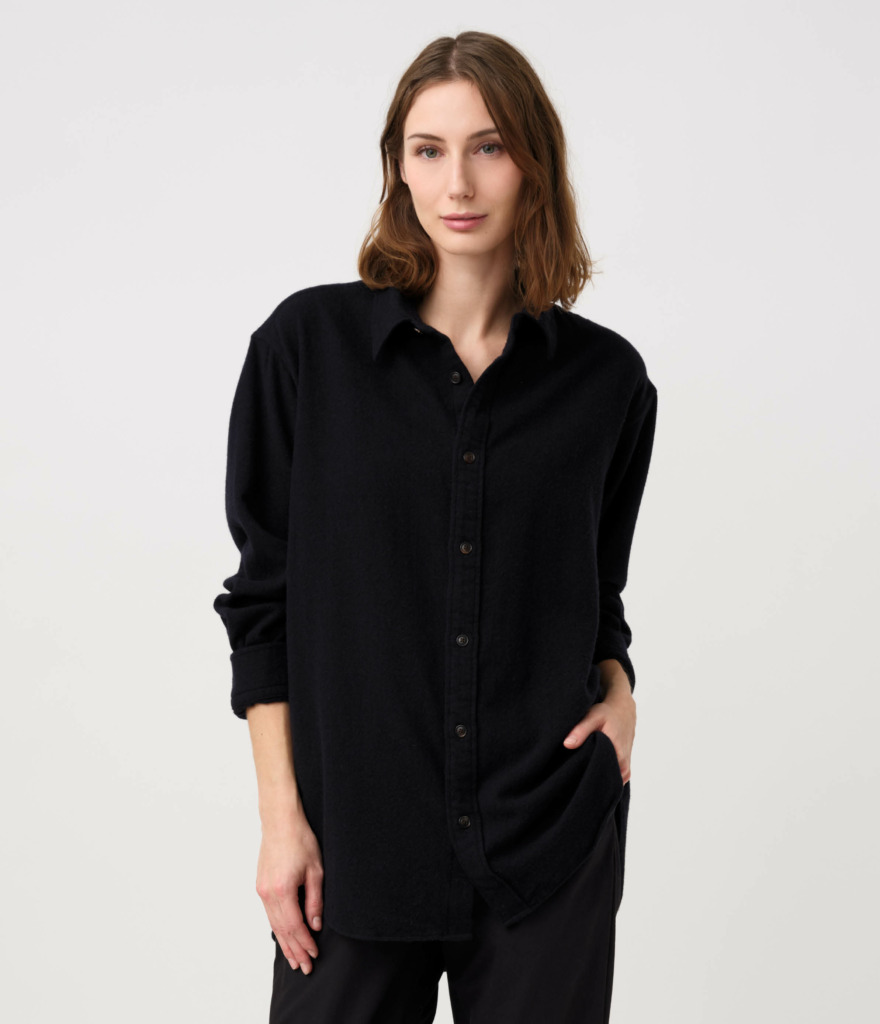
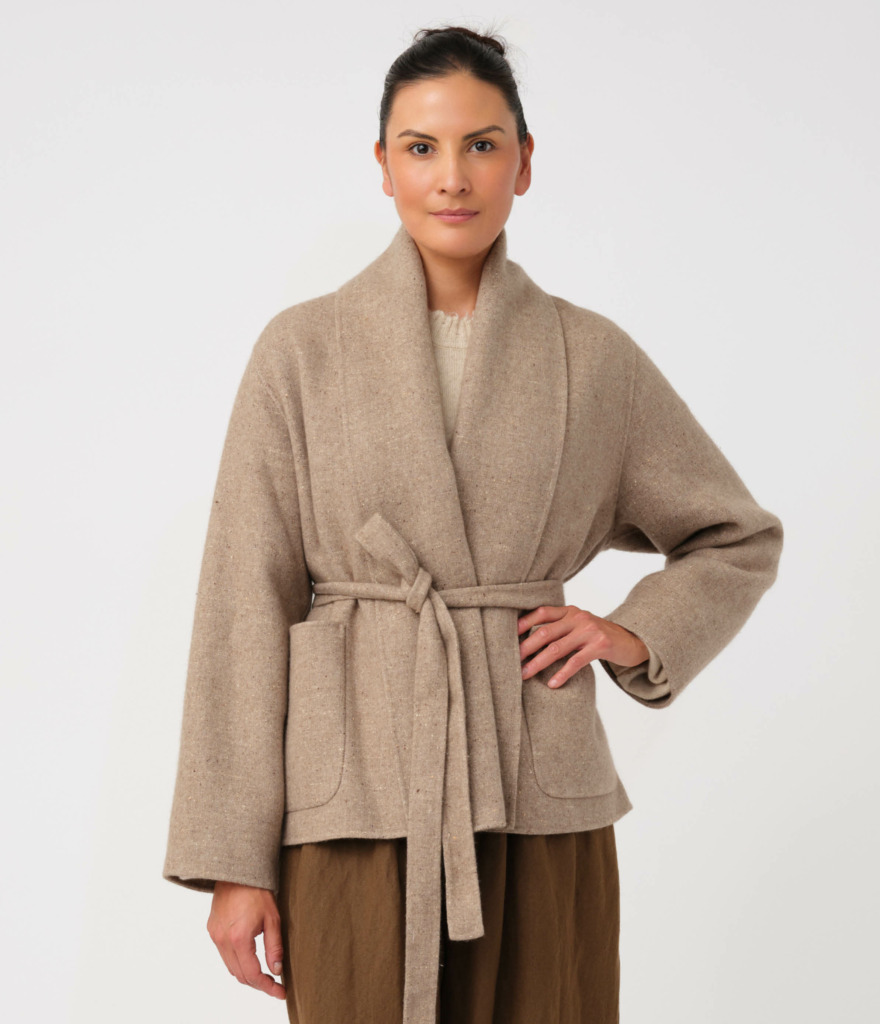
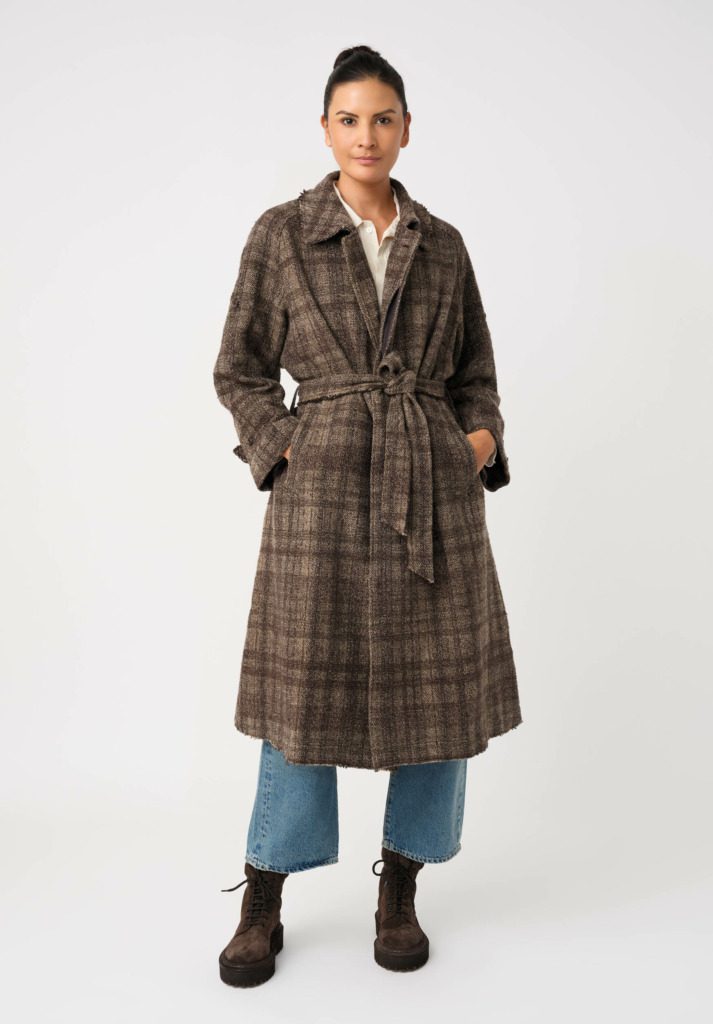
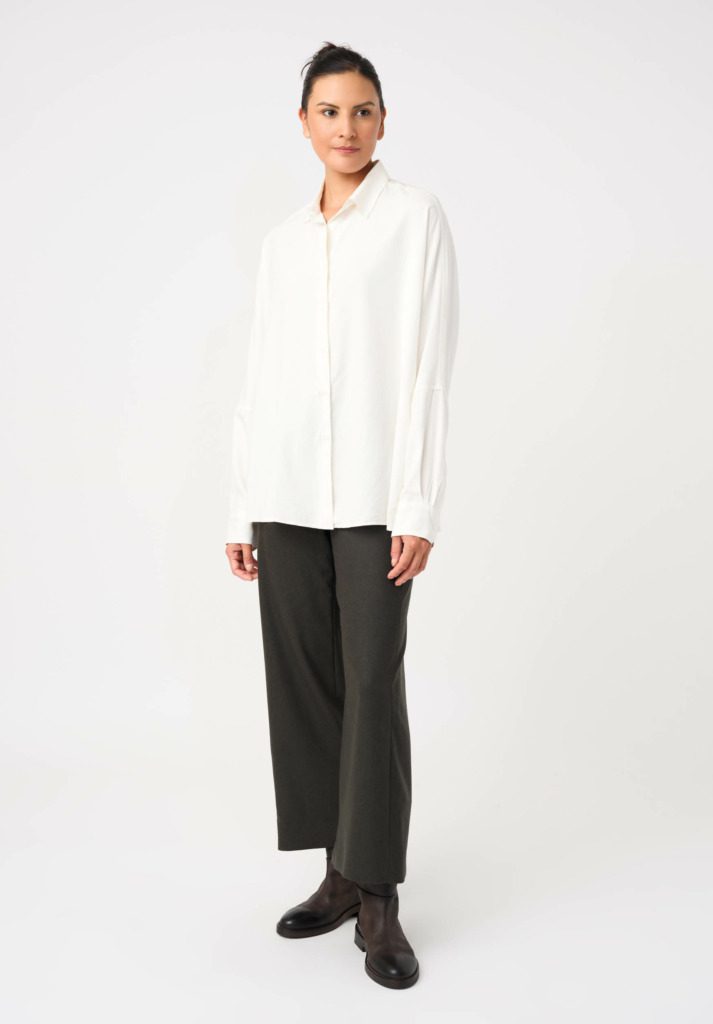
If you have visited Workshop, you know the impact of Album di Famiglia. A quiet powerhouse for shirting and pants, this is our core intellectual workwear brand—and our go-to if we need something cool but comfortable for a day on the move. Typically celebrated for their crispy cottons and clean, minimal silhouettes, designer Monica Rusconi and her family have moved into the specialty realm over the last few years with their new capsule label, Serie Numerata.
As indicated by the name, these pieces are made in very limited quantities—just 50 to 100 per style. A small number is printed on each tag to indicate its place in the sequence. Like exclusive editions of artwork or books, these pieces are infused with heightened skill and care—few in the larger fashion market have access to them. We are lucky to have several of these styles in Workshop to share.
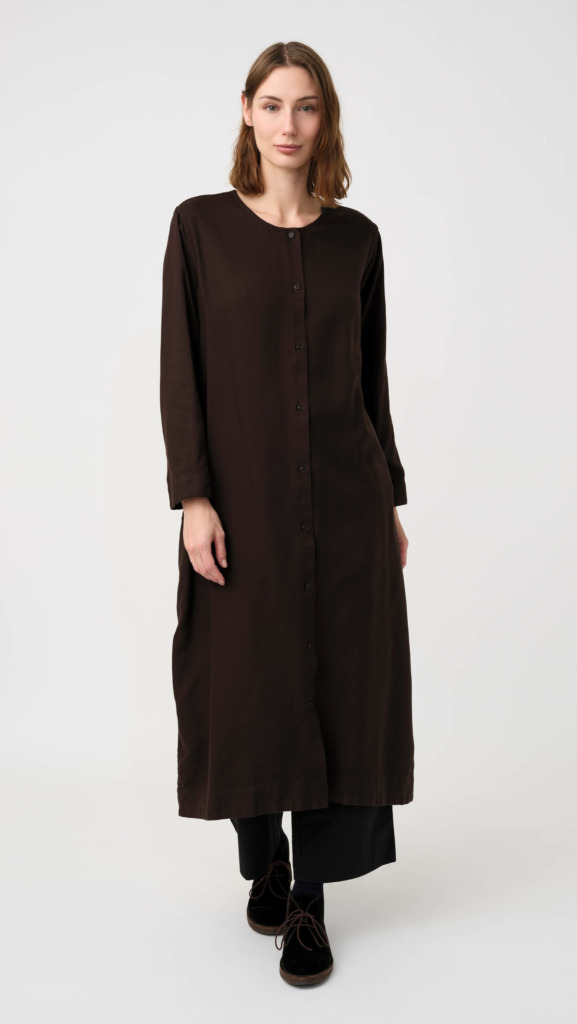
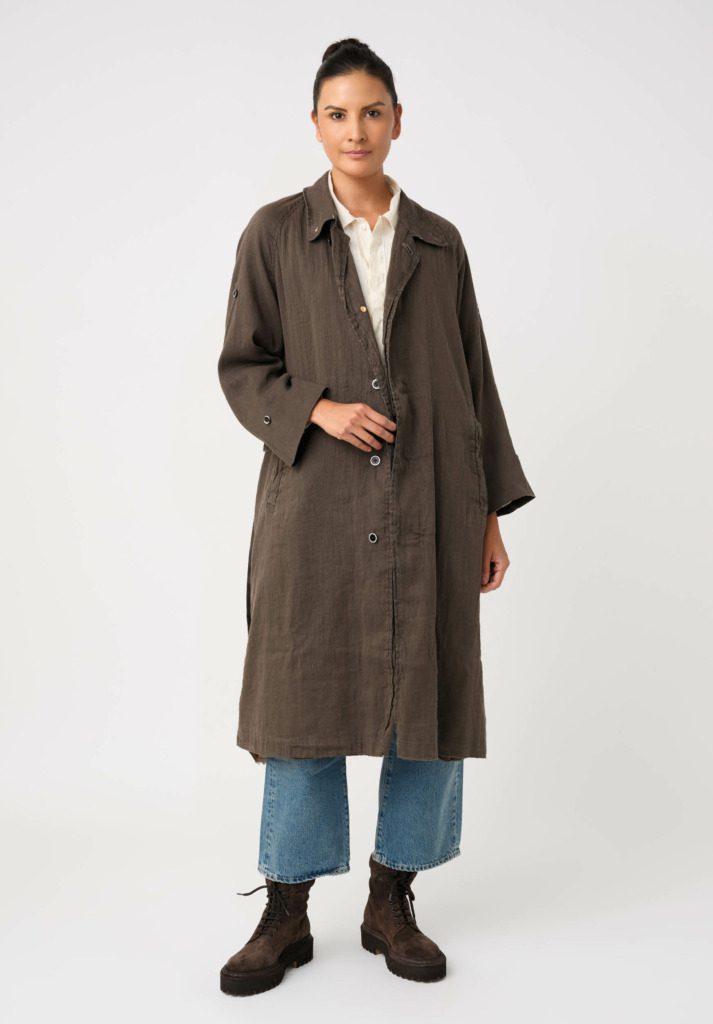
As with all things the Album di Famiglia family makes, texture is key. This season utilizes notable amounts of cashmere, a material we have yet to enjoy from this studio in large quantities. Most favored is the special twill weave of cashmere and linen—a lightweight but cozy textile Monica uses to create wrap coats, shirting and dresses alike.
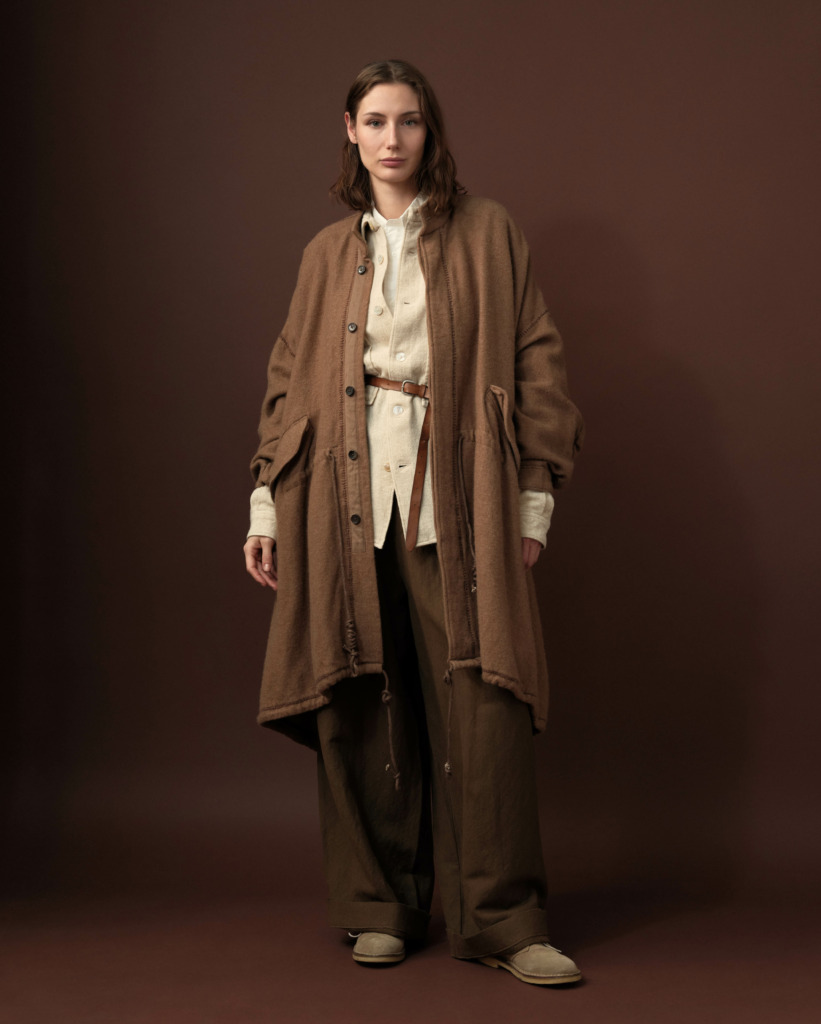
Serie Numerata, much like works in Album’s main offering, is designed to exist “beyond fashion.” A timeless quality permeates Monica’s design decisions, from earthy patterns that fit seamlessly into the fall wardrobe to carefully distressed edges that will evolve uniquely with wear. You may find us living in these coats over the next few months… all in dark brown, our favorite color this time of year!