Editorials


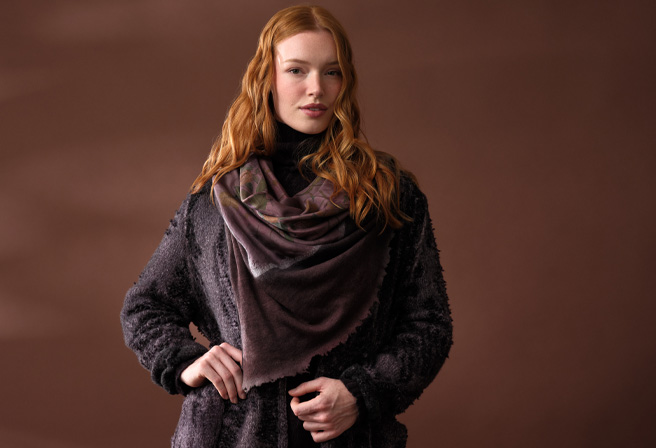
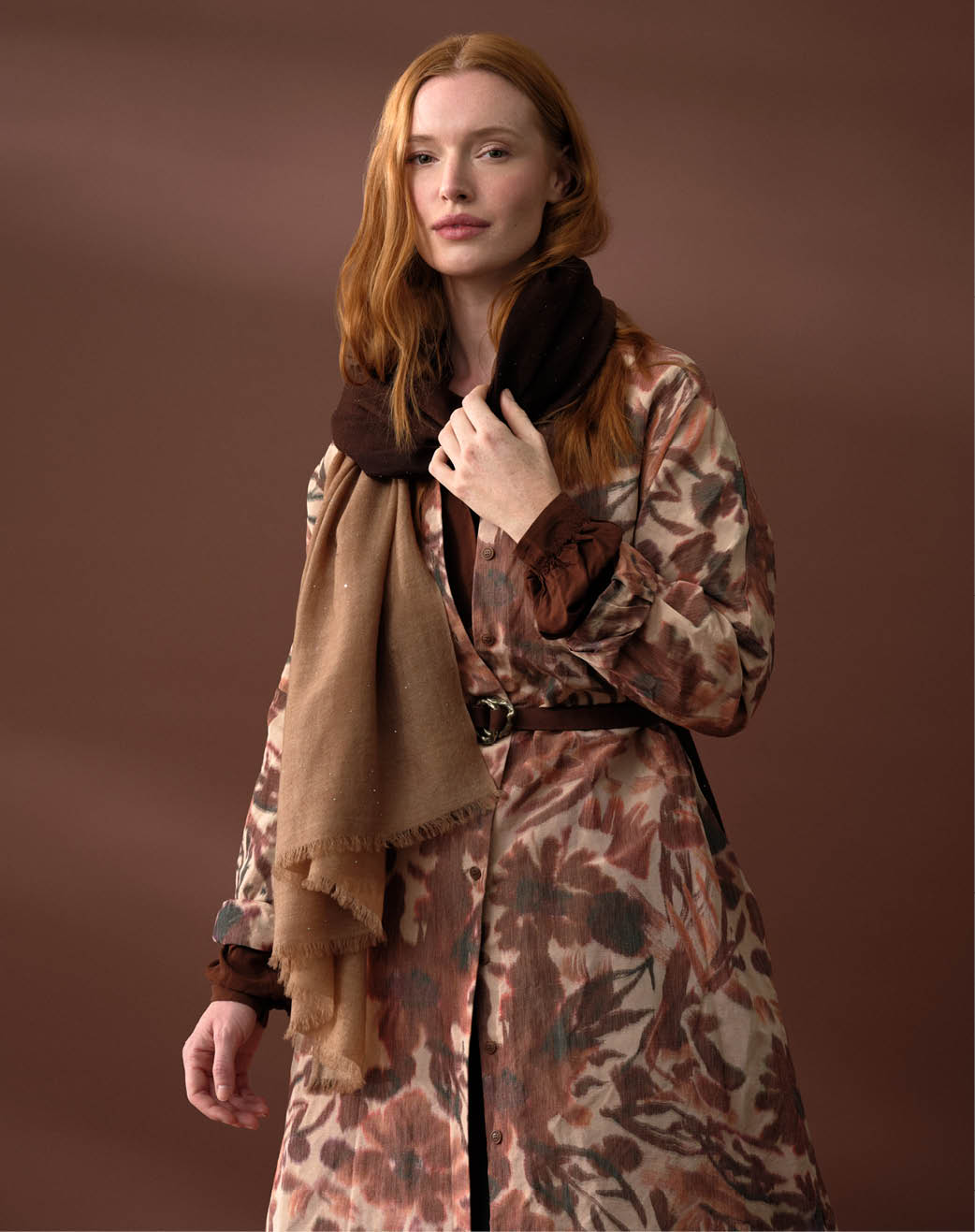
Ümit Ünal: Bridging Style, Culture and Function
Istanbul, home to clothing designer Ümit Ünal, is many things including the city of bridges. The city is split into 3 zones connected by Galata and Atatürk bridges, as well as three of the world’s longest suspension bridges: Bosporus I, Bosporus II, and Bosporus III — all spanning over 3,000 feet. Istanbul is also the […]
View Editorial

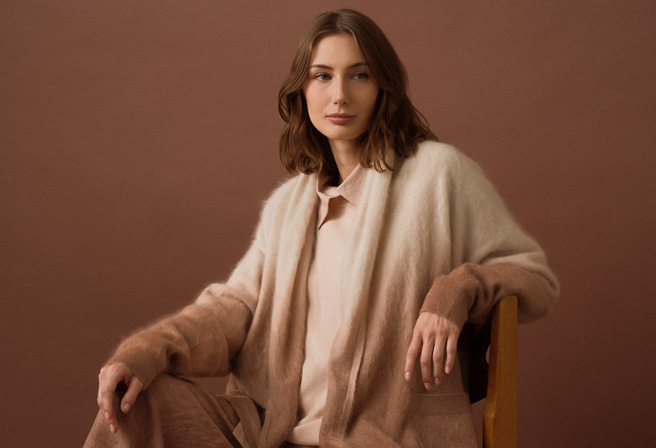
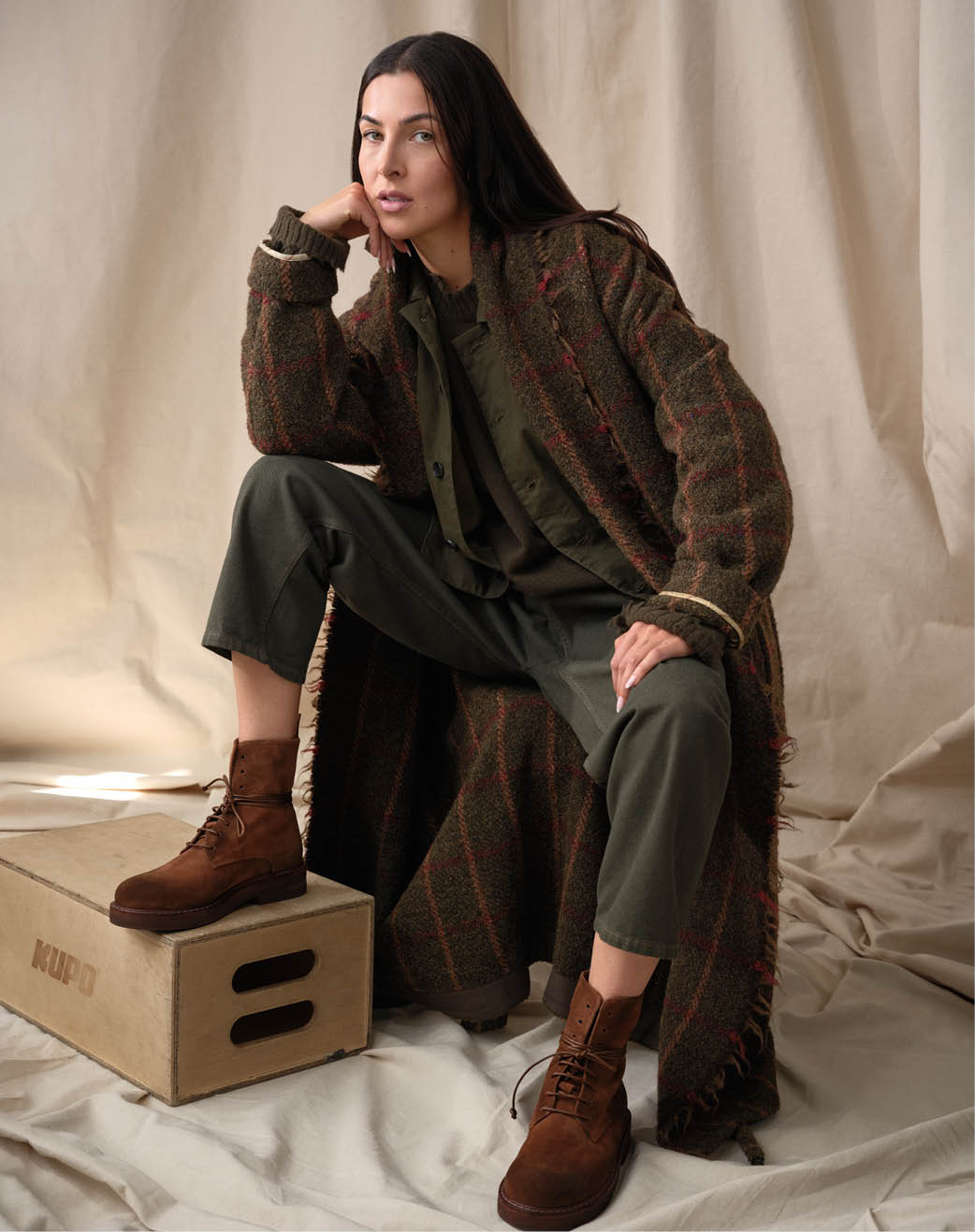
Ümit Ünal: Effortless Duality
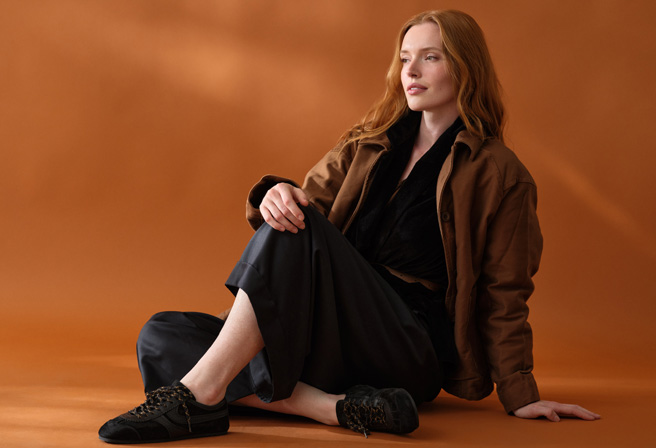
Ümit Ünal has established a successful brand, working with a small team of artists and craftsmen. With an emphasis on techniques done by hand, such as embroidery, hand stitching and overdyeing, there is an additional layer of rich sophistication added to his fluid and often monochromatic collections.
View Editorial

Sacai: Asymmetry and Abstract Florals
View Editorial

Introducing: Jan-Jan Van Essche
Jan-Jan Van Essche was born in Antwerp, Belgium where his design studio is currently located. A 2003 graduate of the Antwerp Royal Academy of Fine Arts, he is an alumnus along with many other designers like Dries Van Noten.
View Editorial
Introducing: Vita Kin
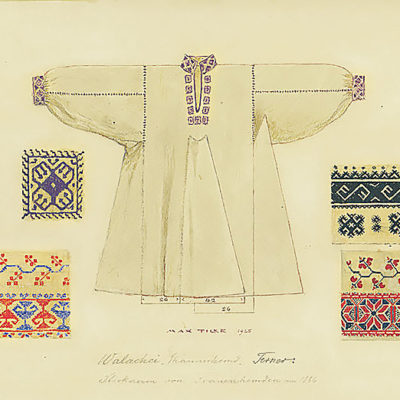
It was during Paris’ fashion week in 2015, that Vita Kin was originally featured in Vogue and Harper’s Bazaar for introducing vyshyvankas to modern fashion design. She primarily advertises her designs through her Instagram account, where she showcases her take on traditional Ukrainian design painted in a contemporary context.
View Editorial

Introducing: Lauren Manoogian
A sense of honest simplicity is visible in each of Lauren Manoogian’s pieces, as she lets the material speak for itself. Her work features a variety of knits with sculptural cuts that remain loose in order to place an emphasis entirely on the textiles and how they feel.
View Editorial

WEHVE: The Thread of Human Relationships
Created by social entrepreneur Gesine Holschuh and designer Marine Halna du Fretay, WEHVE is a brand dedicated to women. She was inspired to begin her adventure into the world of fashion during her visit to South America, when she encountered weaving collectives spread throughout her travels.
View Editorial
Introducing: A Tentative Atelier
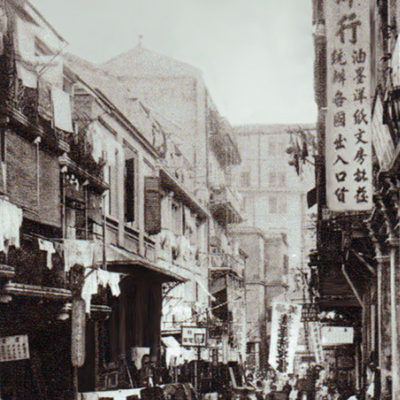
With their work, A Tentative Atelier have maintained a contemporary sense of luxury while creating a timeless vintage look. The SS 2019 collection, titled “La Rencontre”, focuses on garments with patchwork elements, embroidered and patterned fabrics, as well as eclectic buttons.
View Editorial

What Inspires Marni?
Amidst the research process for Resort 2019, Francesco Risso came across an astonishingly meticulous book handmade in 1856. From this heartfelt compilation of memories, Risso assembled a collection that simultaneously incorporates and rebels against Victorian aesthetics, bourgeoisie dressing, sportswear elements, and an almost cartoonish experimentation with scale.
View Editorial
Daniela Gregis: Salt and Pepper
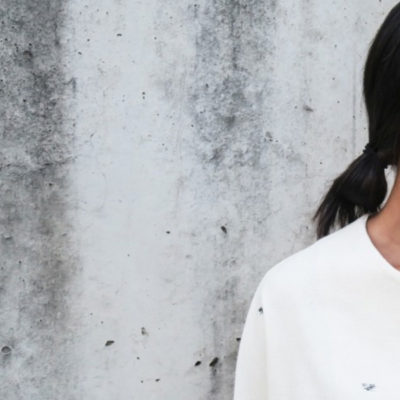
In her latest collection, Daniela has been particularly focused on the relationship between opposites. SS 2019 is simply titled, “Salt and Pepper”. It is not necessarily referencing the seasoning itself, but rather the idea of contrasts, and how they are also inherently complementary because of their differences.
View Editorial
Sabina Savage: The Noh Playbook
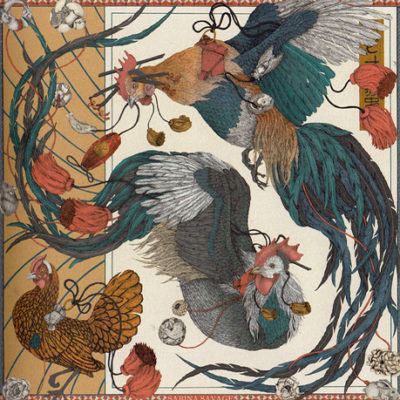
This year Sabina’s collection references the costumes, masks and plays of ancient Japanese Noh theatre. Along with antique woodblock prints, kimono patterns and tales from folklore, she has handcrafted another adventurous story.
View Editorial

TAP by Todd Pownell
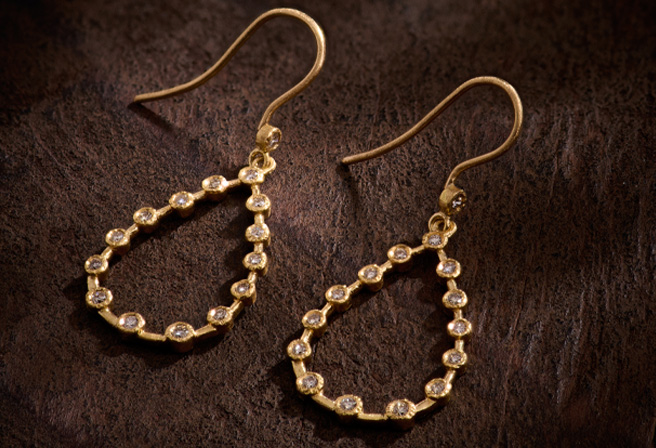
Todd Pownell’s aesthetic is enchanting, sophisticated, and a celebration of the natural elements. Jewelry has been regarded through history as trophies and tributes, critical in the celebration of beauty in many cultures and events in history. Harmony, mystery, and the universe are other themes within each of his pieces.
View Editorial

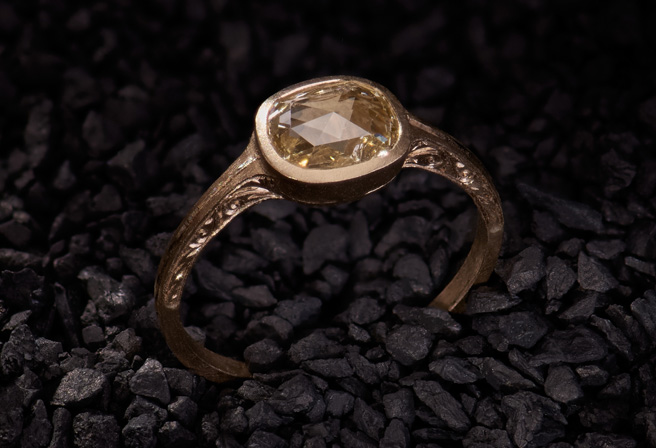
Pippa Small: Stone Stories
Pippa places a lot of importance on the meaning of her stones and materials. With each piece, there is an accompanying story, and some believe that stones can even have an effect on our emotional state. Pippa embraces this idea with her Stone Stories.
View Editorial

Bertozzi: Family-owned since 1920
Family-owned since 1920, Bertozzi works closely with artisans who are skilled at block printing. Luigi Bertozzi is the grandfather of the current owner and the one who originally started this business.Since then the business has been passed down from Luigi to his son, Pier Paolo, and from Pier to Gianluigi.
View Editorial
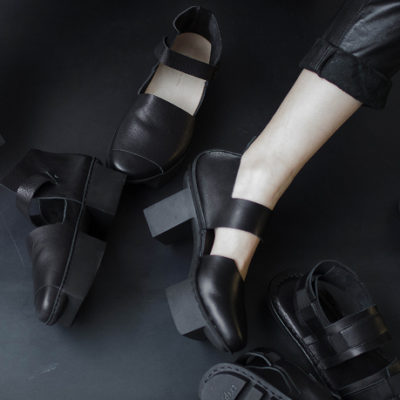
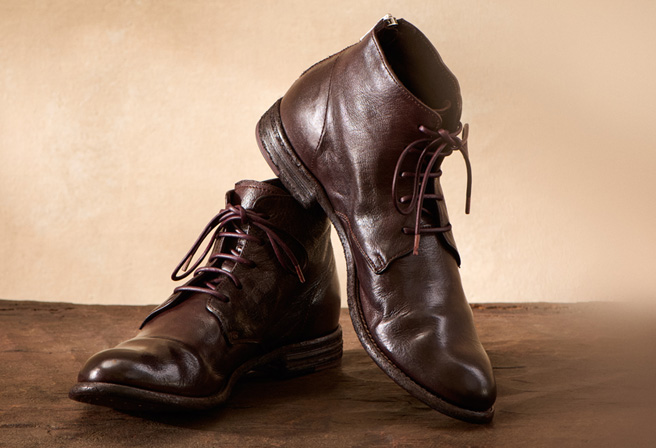
Trippen: Soles for Every Style
Trippen has a unique way of manufacturing their shoes. Each of their designs are dependent on the production process, which determines what they can create that will simultaneously counterpoint issues like irresponsible resource use. In addition they offer over 2000 models available in 30 different materials and colors, many of which can be customized to fit anyone’s aesthetic.
View Editorial

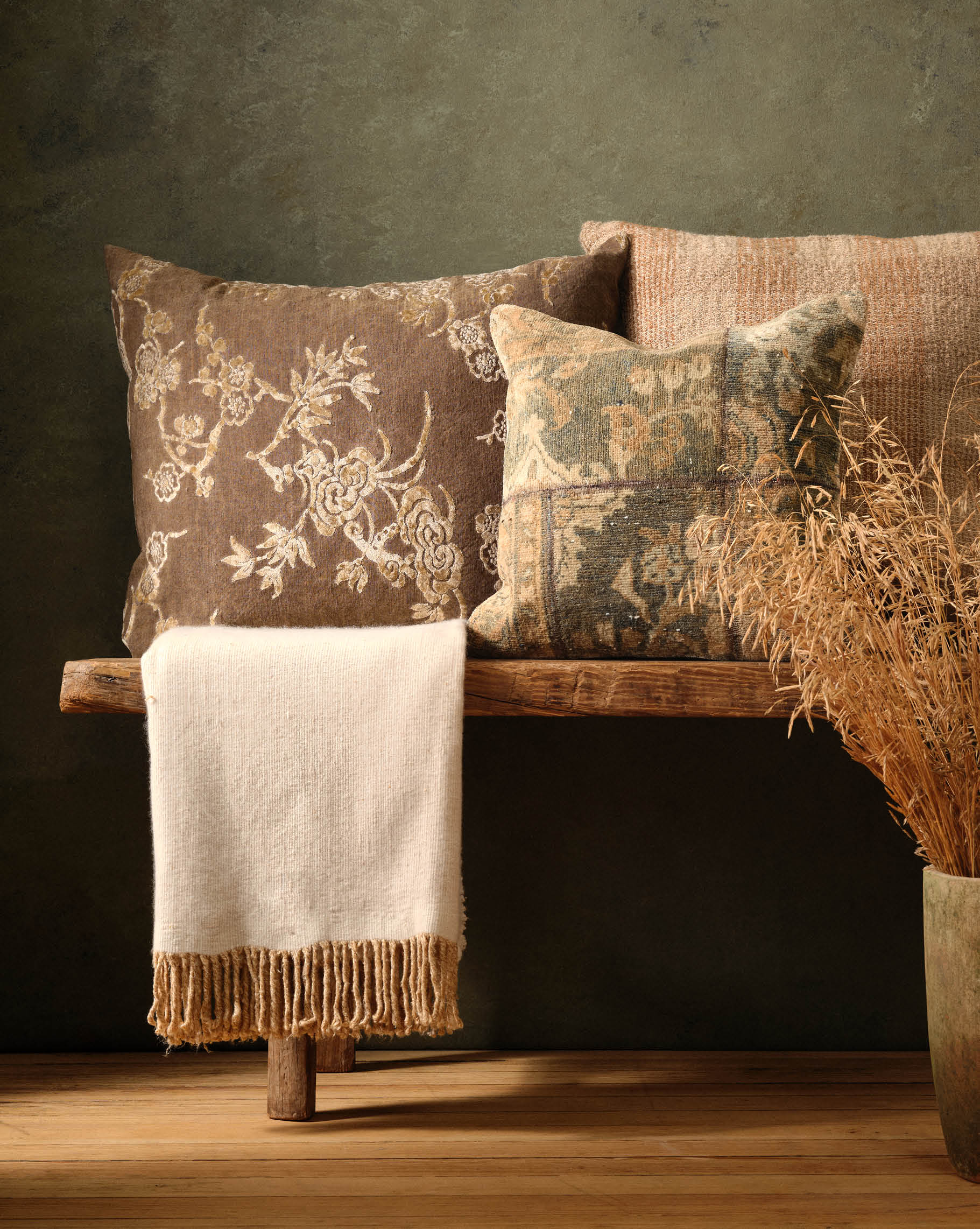
Teixidors & Too Good: A Domestic Anthology of Fabric Textures
Teixidors and Faye Toogood collaborated to design an ecological throw that is described as a “domestic anthology of fabric textures.” The panels in the blanket are all of slightly different proportion and hue—achieved through the natural coloring of the 100% merino and yak wool and eco-friendly dyeing.
View Editorial

Closed Denim: Finding Your Perfect Fit
Closed Denim’s philosophy essentially boils down to family, trust, and diversity. Many denim brands exist today, and it can be overwhelmingly difficult to sift through the options. Finding the perfect pair of jeans is no easy task, and it’s not always the most uplifting. But there’s no better feeling than finally discovering your perfect fit, and we’re here to help.
View Editorial

A Brief History of the Handloom in India
Not only is handlooming important because of its cultural connotations, it also plays a vital role in the economy, because it is the second largest economic activity after agriculture. As one of the most important industries in India, working with handlooms has provided employment to at least 4.3 million people. There are production hubs scattered along the length of India, and each specializes in a particular type of textile production.
View Editorial

Maison de Vacances: Nestled in the Heart of Paris
Maison de Vacances is now run as a collaboration between Michèle’s daughter Emmanuelle Fouks and her partner Nicolas Mauriac, with the motto to “dress your house as you like to dress.” Their high-quality products have a direct connection to personal style—not fleeting trends. Instead of being wrapped up in the cycle of fast production, Maison de Vacances prioritizes the use of the finest linens, cashmere and knits.
View Editorial

Avant Toi Resort 2019: Endless Possibilities
View Editorial

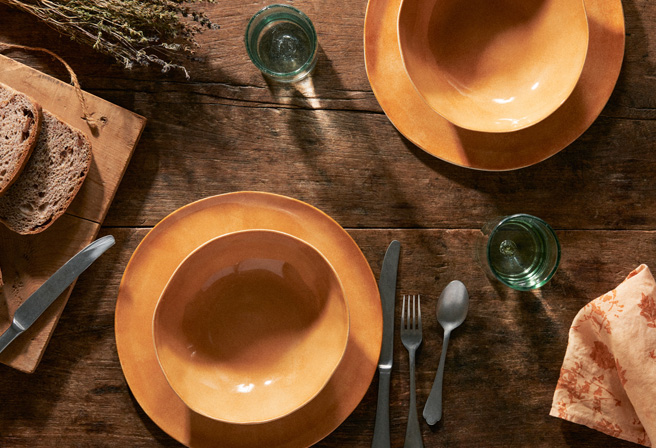
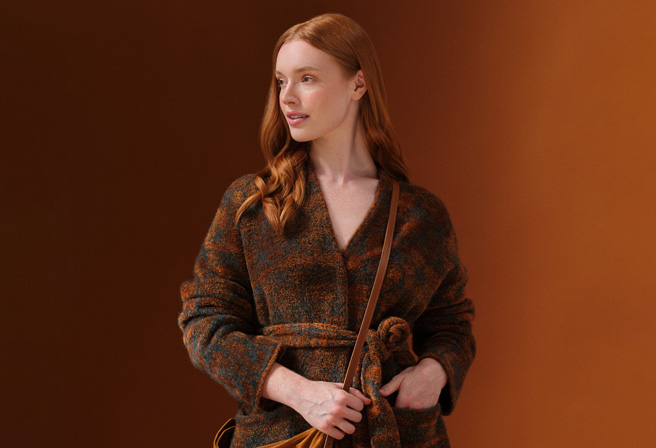
Péro, Marni and Etro: Shades of Aspen Gold
Péro, Marni and Etro: Shades of Aspen Gold Looking toward the Spring/Summer 2019 season, there’s a visible desire to enter the new year with empowering colors. Pantone’s reflection on last year’s New York Fashion week indicated a myriad of colors in the upcoming season that are guaranteed to enhance our spirit and confidence. The report […]
View Editorial

Issey Miyake & Trippen: Artistic Influences
At a moment in time where everything is mass-produced and people’s tastes often hinge on recommendations produced by algorithms, there are few designers focused on creating work that is truly unique. There are not many who have mastered the process of creating work that is essentially timeless, in the way Issey Miyake and Trippen have either.
View Editorial
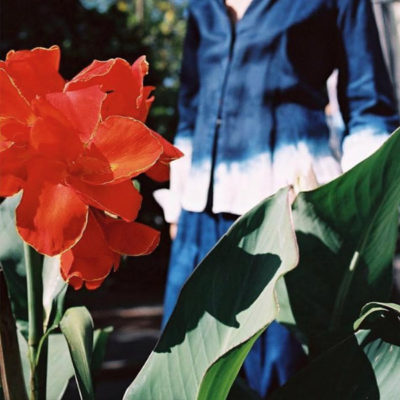
Sophie Hong: Undeniable Reverence and Quiet Power
Sophie Hong’s unique design sensibility comes from a desire to merge the organic lines of the East into the more tailored style of Western fashion. When encountering one of her garments, one cannot ignore its undeniable reverence and quiet power. Sophie often finds herself looking to history to develop her own view and create contemporary, original collections.
View Editorial

A Brief History of Paisley
The world discovered and obsessed over paisley as it swept from the East to West, appearing in Indian prints and Celtic embroidery where it was a symbol of fertility and eternal life. In Europe, some believe the pattern had the power to ward off bad luck, and others saw it as a symbol of rebellion.