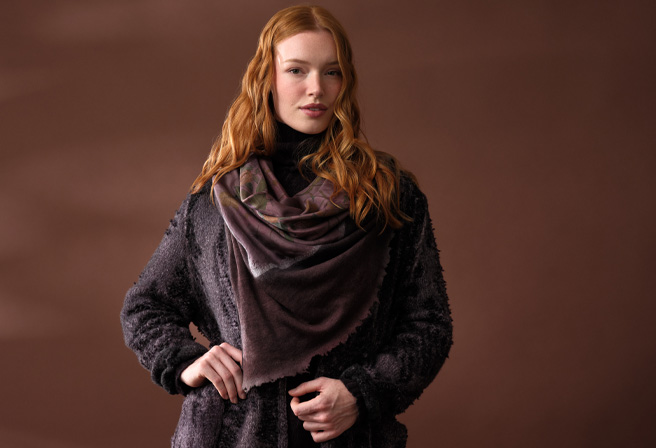
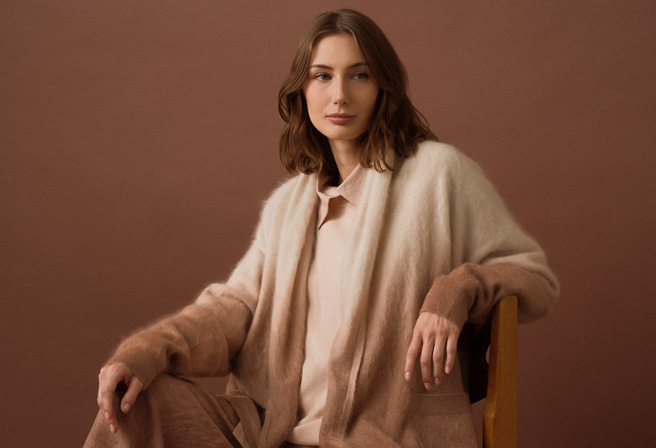
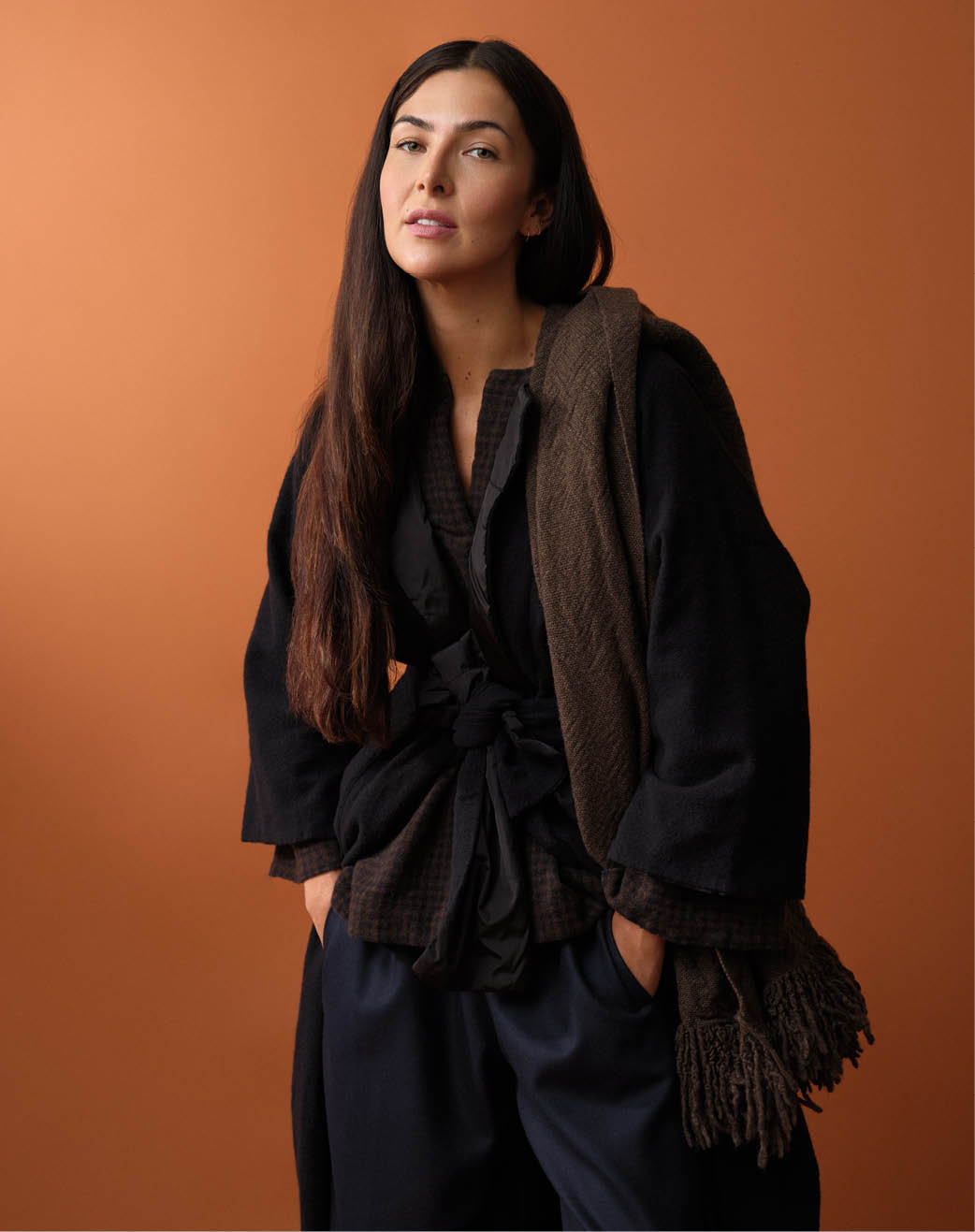
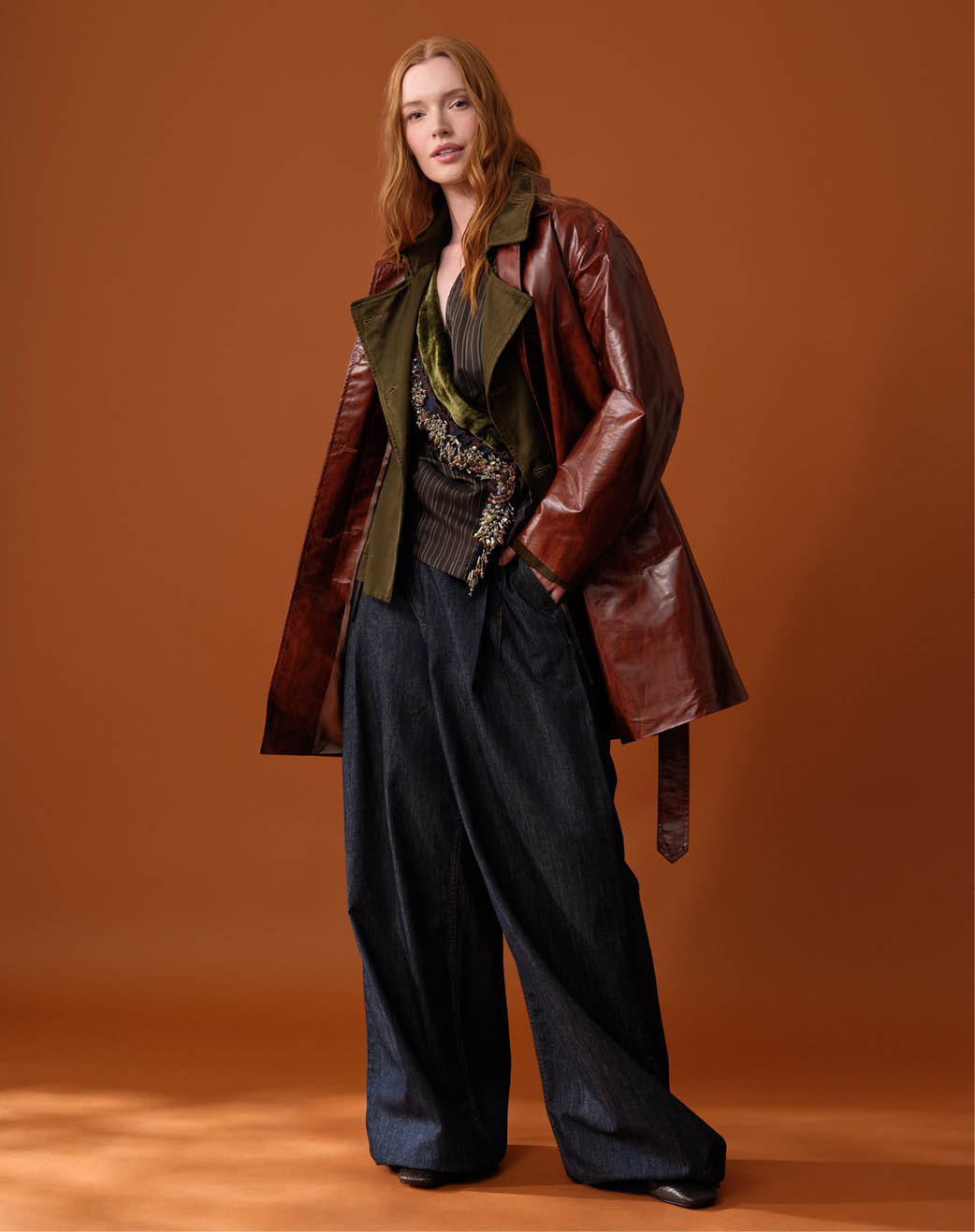
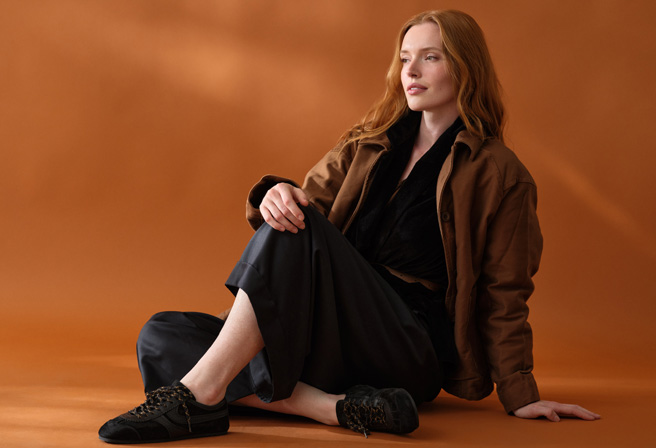
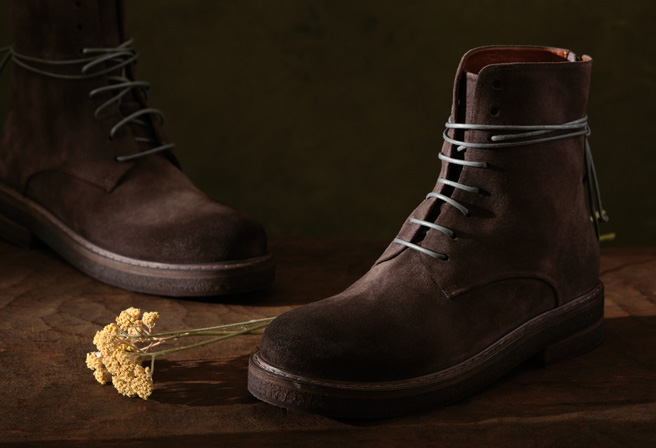
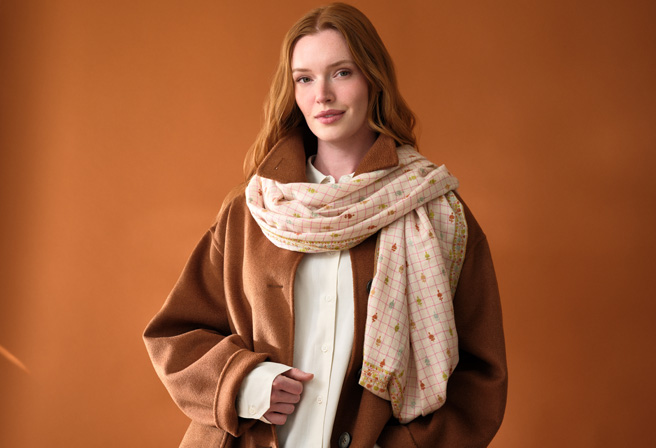
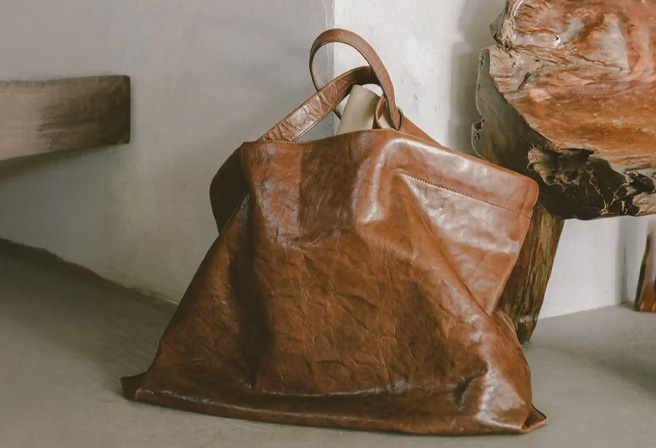
There’s a pulse to things made with intention, a palpable spirit that hums from a piece touched by skilled hands. It’s a very different kind of energy than the one emanating from the vast, clattering maw of an industrial factory. In certain circles, one finds a profound appreciation for this distinction – a belief in the inherent value of the making itself. Few brands embody this philosophy as deeply as Kaval, particularly in their latest collection where a quiet yet profound detail speaks volumes.
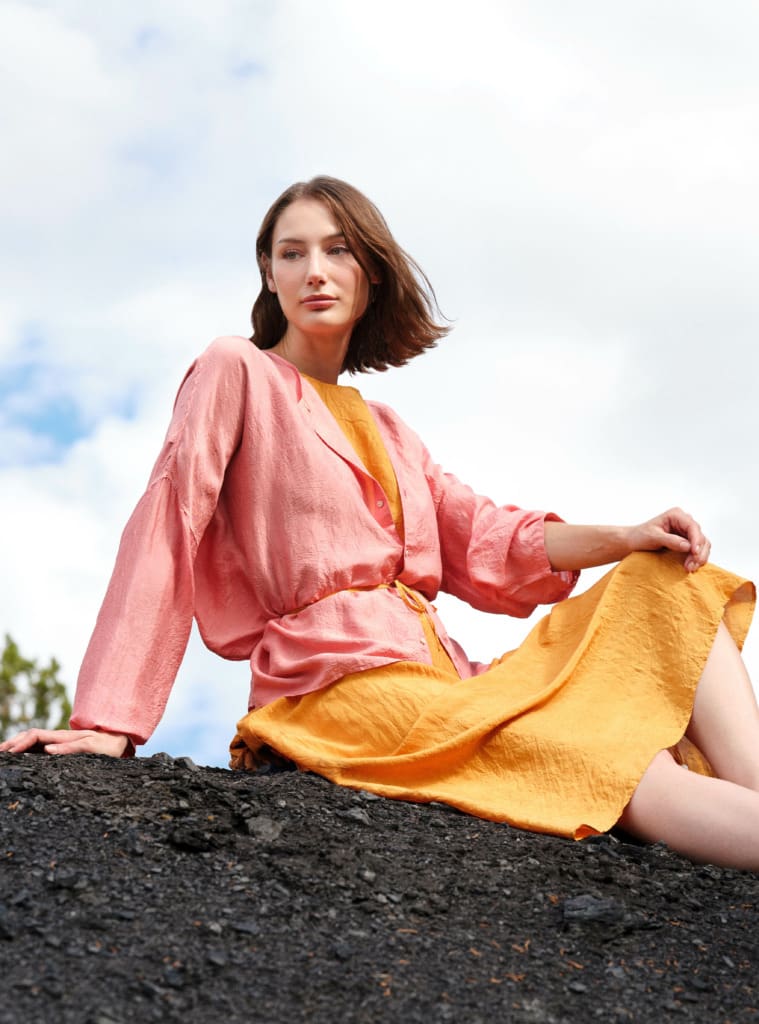
For those of us who appreciate the subtle language of construction, the senui stitch (背縫い) is a detail that immediately calls to mind a legacy of meticulous craftsmanship. Simply put, it’s that vertical seam running down the center back of a garment, a foundational element in traditional Japanese apparel, most famously the kimono. But beyond its function, this unassuming seam carries centuries of wisdom, whispering tales of fabric economy, thoughtful drape, and a timeless approach to garment longevity.
The Kanji Unveiled: 背縫い (Senui)
To truly appreciate senui, one looks to its characters, each a tiny poem in itself:
- 背 (se / sen): This first kanji speaks of the “back”—literally, the back of the body, but also the idea of the rear, or a foundation. One might imagine a figure with its back to the moon, or perhaps simply turning away, establishing a boundary. This character anchors the seam to the very core of the wearer’s posture, a line of inherent strength and support.
- 縫い (nui, from 縫う – nuu): Here, we find the action: “to sew,” “to stitch.” Look closely at its components. There’s 糸 (ito), that ever-present radical for “thread”—the very essence of textiles, the slender strands that connect and create. And then 奉 (hō / bu), which can mean “to offer” or “to serve.” Think of the careful offering of thread to fabric, the meticulous service of needle to cloth, building something with intent and dedication.

Together, 背縫い gives us “back stitching” or “back seam.” But more than a mere translation, it’s a concept: the deliberate, central seam that provides structure while allowing fabric to flow, minimize waste and maximize grace. It’s a seam designed not just for present wear, but for a future life—easily undone for repair, resizing, or even entirely new creations, echoing a deep-seated respect for resources and the longevity of materials. This is wasai, Japanese tailoring, where durability and adaptability are as crucial as aesthetics.
Kaval’s Latest: The Artistry of Senui in Khadi Silk and Beyond
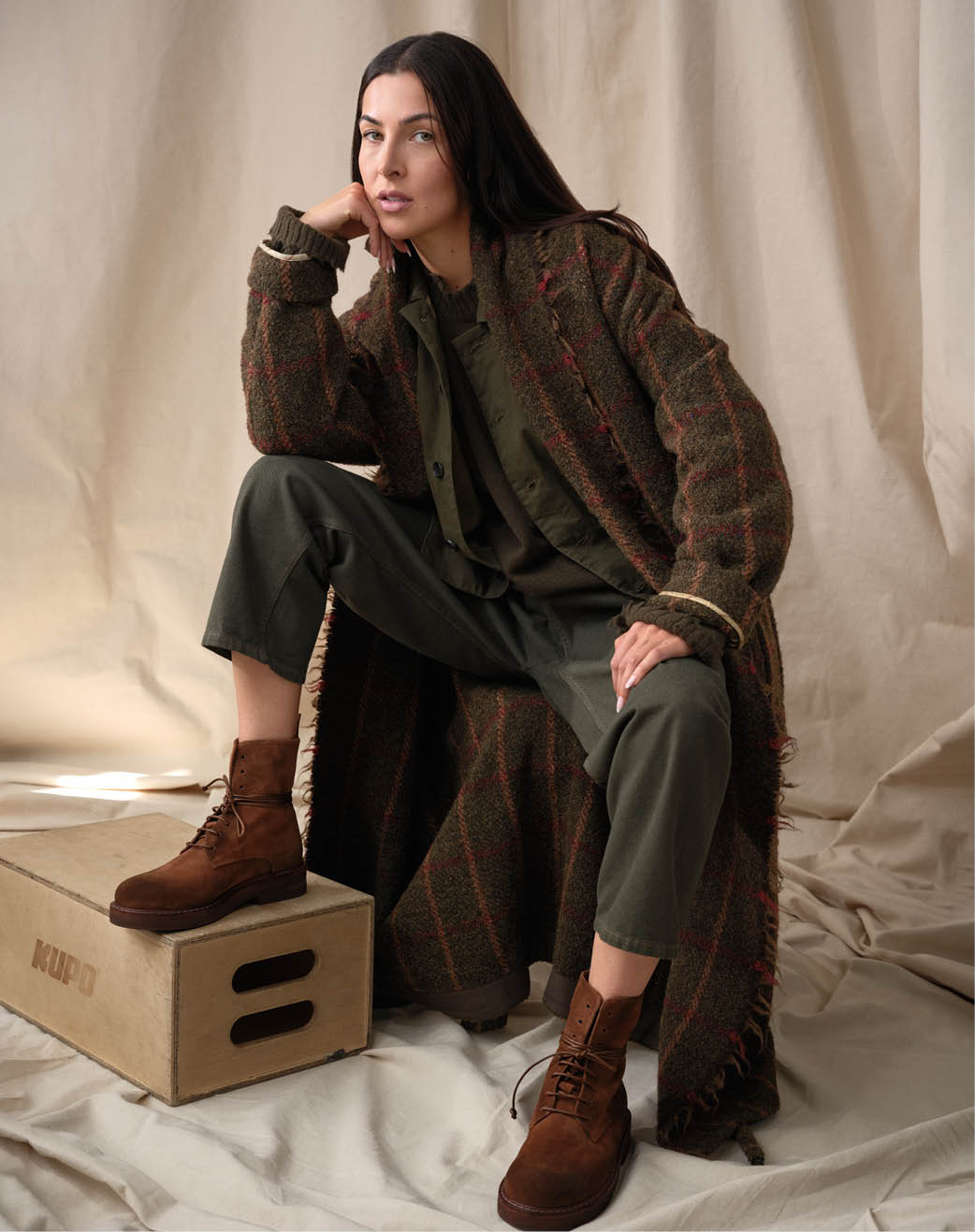
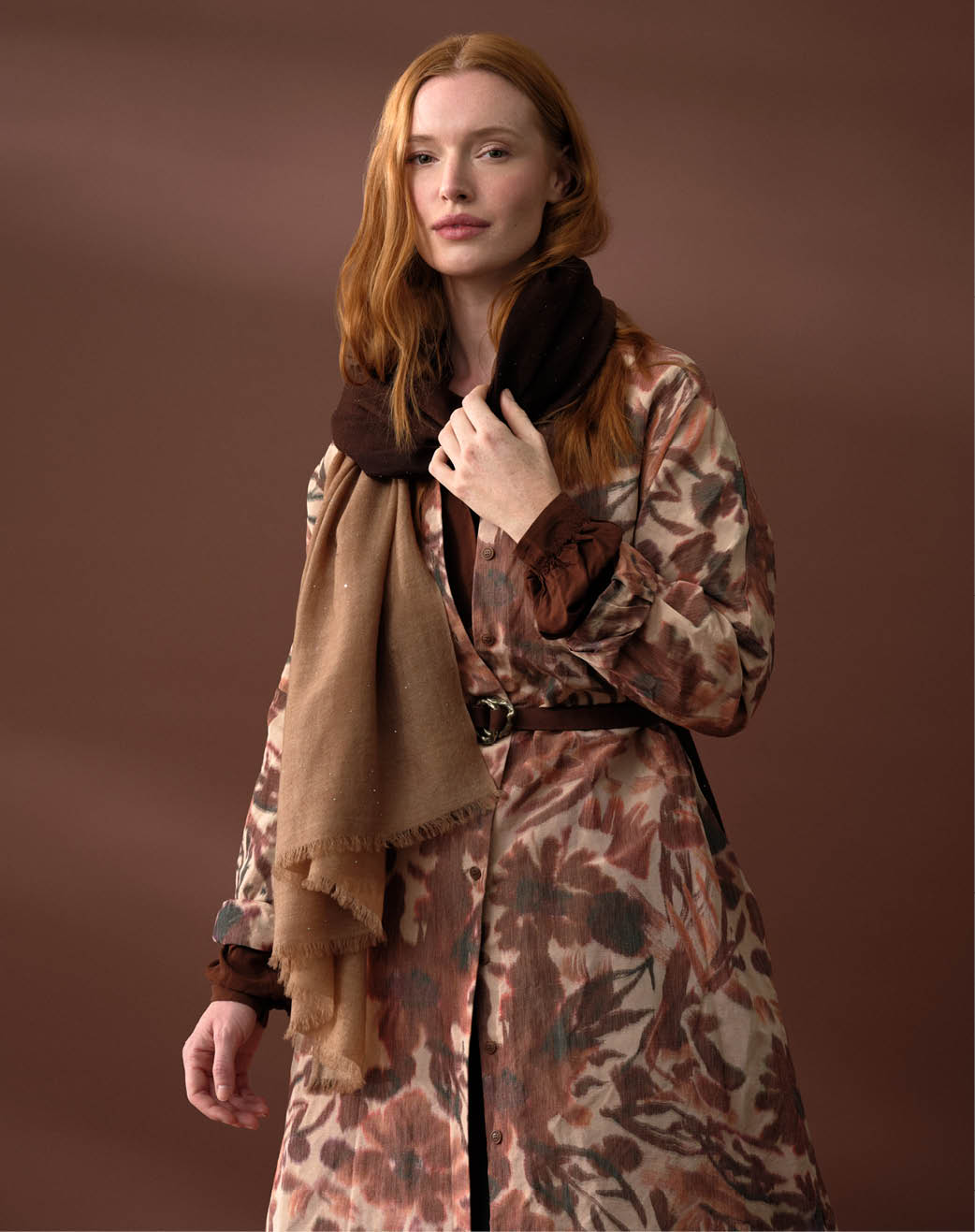
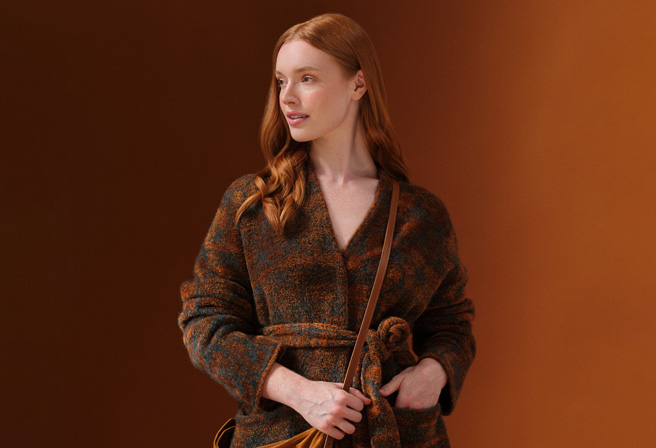
This season, Kaval’s collection beautifully highlights the thoughtful integration of the senui stitch, showcasing how a traditional detail can elevate a contemporary garment. Its presence in key items underscores Kaval’s deep commitment to artisanal production over industrial, commercial factory output.
Kaval doesn’t just cut and sew; they cultivate. Their approach to fabric is particularly telling. Unlike commercial brands that simply buy fabric off a bolt, Kaval takes control from the very thread, often weaving and dyeing their own fabrics in their Tochigi atelier. This intimacy with the material means they understand how best to cut and join it, allowing a detail like the senui seam to truly shine.
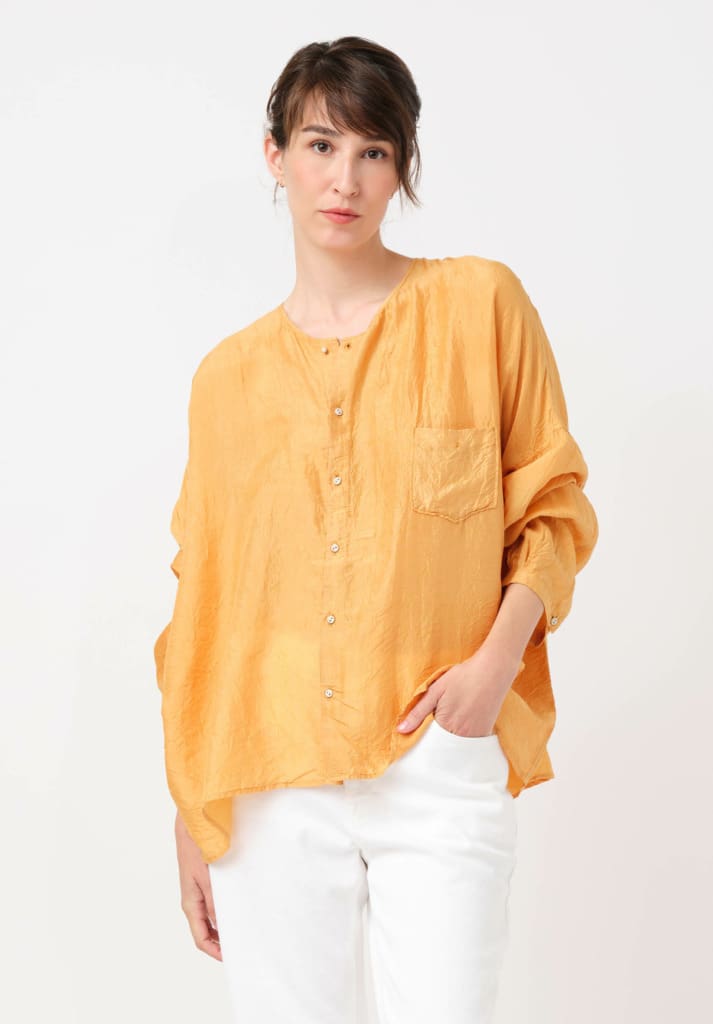
And here, we often encounter the whisper of Khadi silk. For the uninitiated, Khadi is not just a fabric; it’s a philosophy, originating from India as part of Mahatma Gandhi’s swadeshi movement. It refers to hand-spun and hand-woven fabric. While often associated with cotton, Khadi can be made from silk, wool, or a mix.
Khadi silk, then, is silk that has been hand-spun into yarn and then hand-woven on a loom. This laborious, human-powered process results in a fabric with a distinct, organic texture, subtle slubs and an irregular beauty that is utterly charming. It breathes beautifully, feels wonderfully soft against the skin and possesses a singular character that machine-made fabrics simply cannot replicate. It’s a textile born of patience, skill, and human touch, carrying the subtle “imperfections” that are, in fact, its greatest virtues.

When Kaval selects a fabric such as Khadi silk, and then applies the meticulous detailing of the senui stitch, the garment transcends mere clothing. The soft, breathable nature of Khadi silk, with its inherent give and gentle drape, is perfectly complemented by the clean, flowing line of the senui. The stitch becomes less about joining two pieces and more about guiding the fabric’s natural expression, allowing its unique texture to sing without interruption.
- The Master’s Hand, Not the Assembly Line: At Kaval’s atelier, the skilled hands crafting the precise senui seam are often involved in multiple stages of production. This ensures that a seam isn’t just sewn, but placed with care and understanding, allowing the inherent qualities of a fabric like Khadi silk to be fully realized.
- Tools with Stories, Stitch by Stitch: Kaval’s use of antique sewing machines isn’t a quirk; it’s a deliberate choice. These machines, often slower and more nuanced than modern industrial ones, produce a softer, more flexible stitch—the kind that holds a senui seam beautifully, allowing it to move with the body and the living fabric of Khadi silk. It’s a quality that feels distinctly “handmade,” even if machine-assisted.
- The Unhurried Pace of Excellence: From the meticulous execution of a simple, straight senui seam to the careful hand-finishing, every detail whispers of unhurried attention. This slow, deliberate process ensures that each Kaval piece possesses a “soul”—a depth of character that simply can’t be replicated on a mass scale.
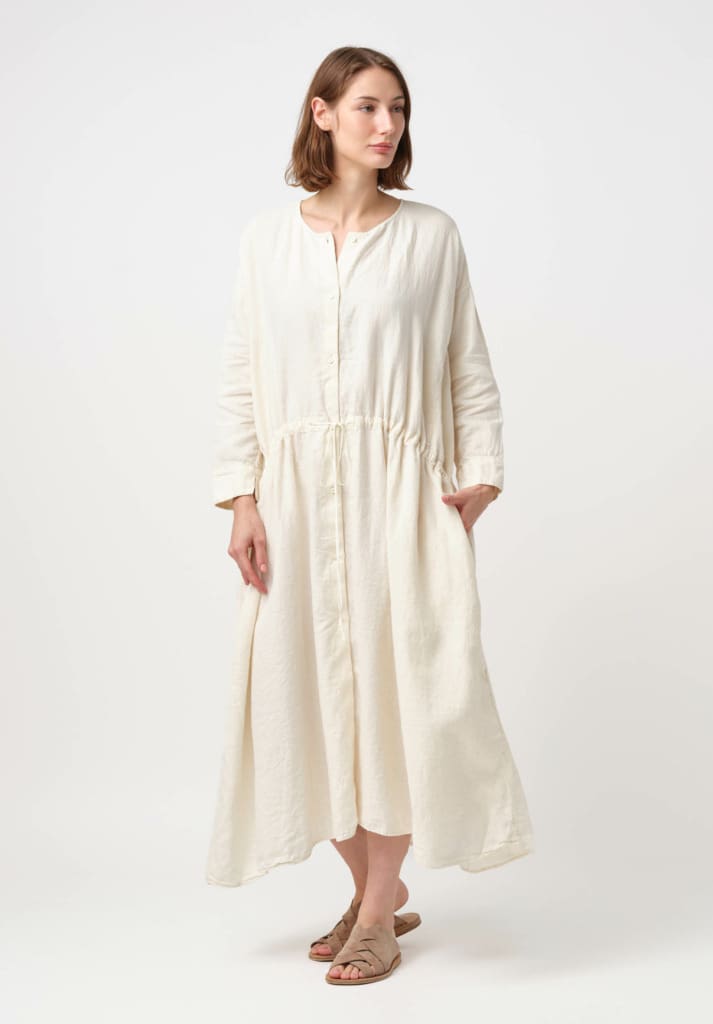
Kaval, with its deep commitment to artisan production, its control over every fiber (from the weaving of its own fabrics to the selection of hand-spun Khadi silk) and its dedication to creating timeless, cherished garments (often highlighted by the elegant senui stitch) is exceptional. It reminds us that the truly wild and beautiful things are often the ones nurtured by human hands, not stamped out by machines. It is a testament to the quiet roar of stitching, the luxury of quality fabrics, and the enduring allure of subtle artistry.
Perhaps, if you’re ever in Santa Fe, you might feel that whisper yourself, running your hand down the beautiful backbone of a Kaval garment.


