




The world is overwhelmed with fast fashion and its consequences. Landfills are overflowing and beaches are choked with discarded clothes made halfway around the world, while unfair exploitation of low wage laborers and unsustainable use of disposable materials continues. These practices necessitate a change. The slow fashion movement is a response to these issues which encourages mindfulness when making purchasing decisions. Buying less, but better quality items and considering the environmental impact of your clothing are the key tenets that identify slow fashion.
Consequences of Fast Fashion
Fast fashion refers to the rapid production of low-cost, low-quality garments, typically made from synthetic, non-biodegradable materials. As the fashion industry is among the most polluting sectors globally, with fast fashion being a major contributor these items consume significant energy and resources. Additionally, labor conditions in fast fashion factories are often harsh, with workers receiving minimal pay and enduring unsafe environments.
In recent years, major fashion brands have typically released two main collections annually—Spring/Summer and Fall/Winter. However, the industry has rapidly evolved, now introducing dozens of micro-seasons each year, reflecting a constant churn of trends. Fast fashion is intentionally designed to make clothes feel outdated after just a short time, encouraging continuous consumption driven by fleeting fads. This focus on the temporary is heavily influencing current consumer behavior in the US.

What Does Slow Fashion Stand For
The ideas that formed slow fashion date back to the 1960s when designers became skeptical of wasteful fashion processes. As the practice of overseas sweatshops and the unethical origins of commercial clothing became known, slow and conscientious fashion trends began. Some early proponents of slow fashion were brands such as Jil Sander, Vivienne Westwood, Diane Von Furstenberg and Yohji Yamamoto who looked to more sustainable methods.

Slow fashion focuses on creating durable, high-quality clothing through environmentally and socially responsible practices. Unlike fast fashion, slow fashion brands prioritize natural, biodegradable materials and often adopt eco-friendly production methods. Most of these brands interact ethically with their workforce, offering fair wages and safe working conditions.
Avoiding Fast Fashion
You don’t have to take part in this cycle. Purchasing fewer, better-made items can lead to long-term savings, as well-made clothing lasts longer and doesn’t need to be replaced as often. The result is a wardrobe filled with timeless, well-loved pieces. Moreover, the slow fashion movement is part of a broader sustainable trend that promotes ethical labor practices and raises awareness among consumers.
To successfully shop in accordance with slow fashion, there are several things you can do. To start, you should take time to familiarize yourself with brands and their production processes to ensure their practices are ethical. Information on materials, production and working conditions used by a company are all critical to understanding the brand and whether they use a slow or fast fashion model.
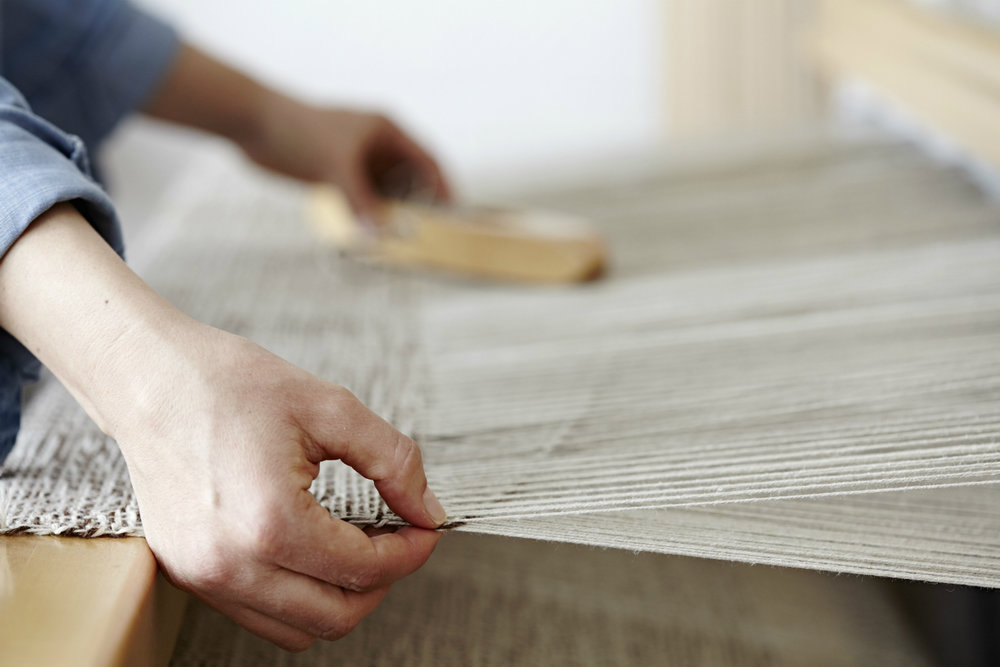
Slow fashion offers alternatives as well, such as shopping second-hand or from consignment stores. Giving new life to old garments – by donating, reselling, or rewearing them – is a sustainable way to refresh your wardrobe while reducing waste and resisting the fast fashion model.
How the SFDG Environment Embodies Slow Fashion
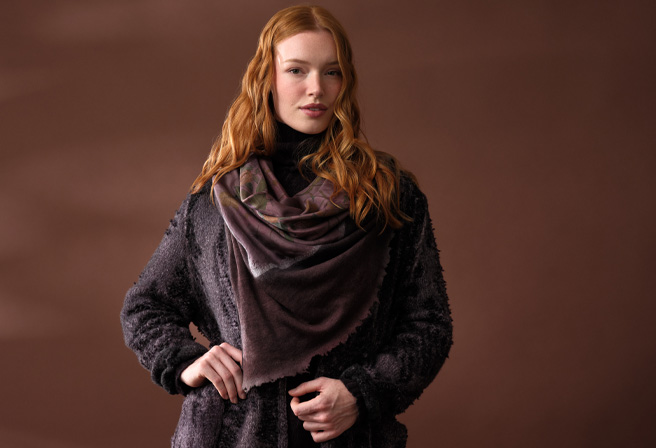
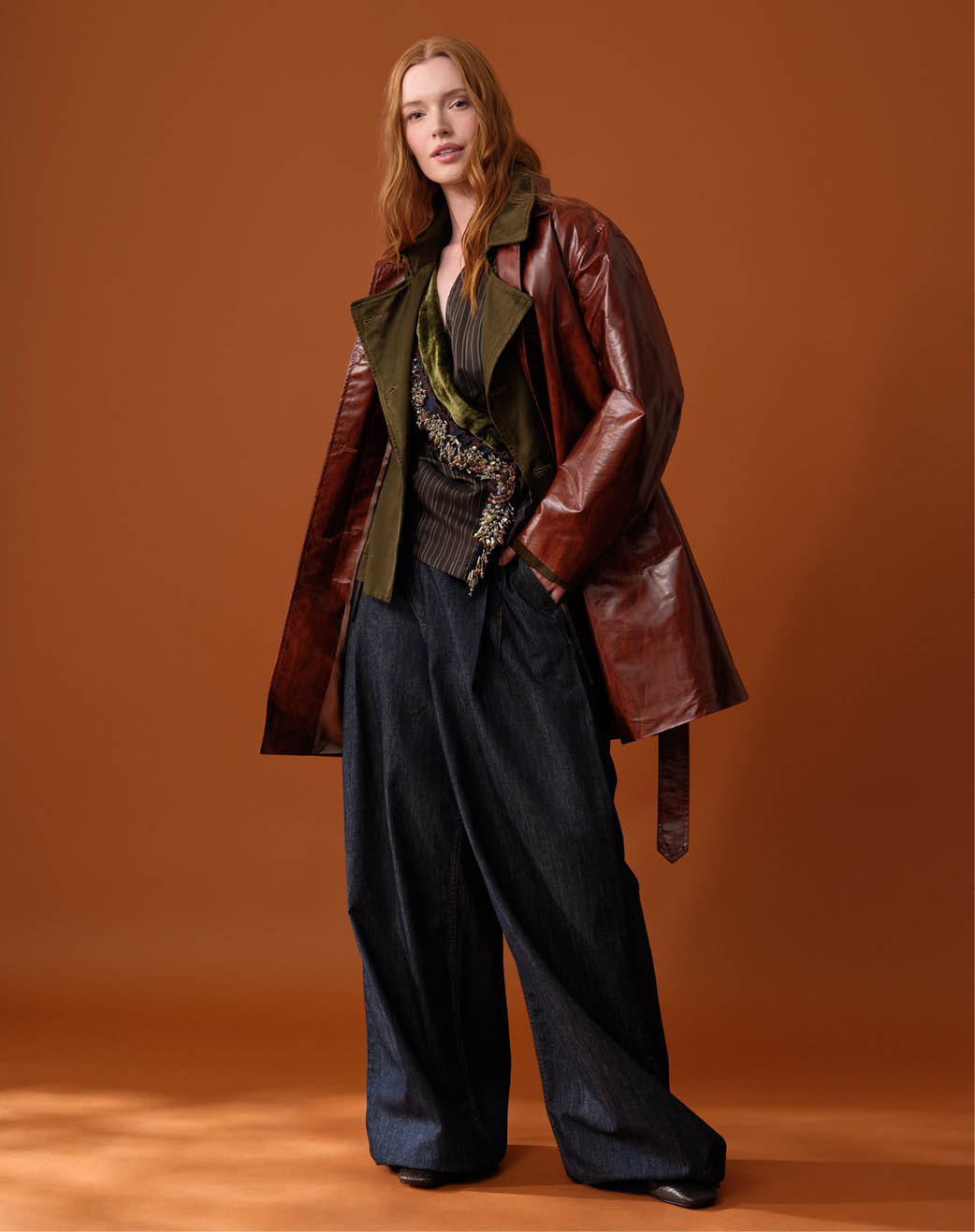
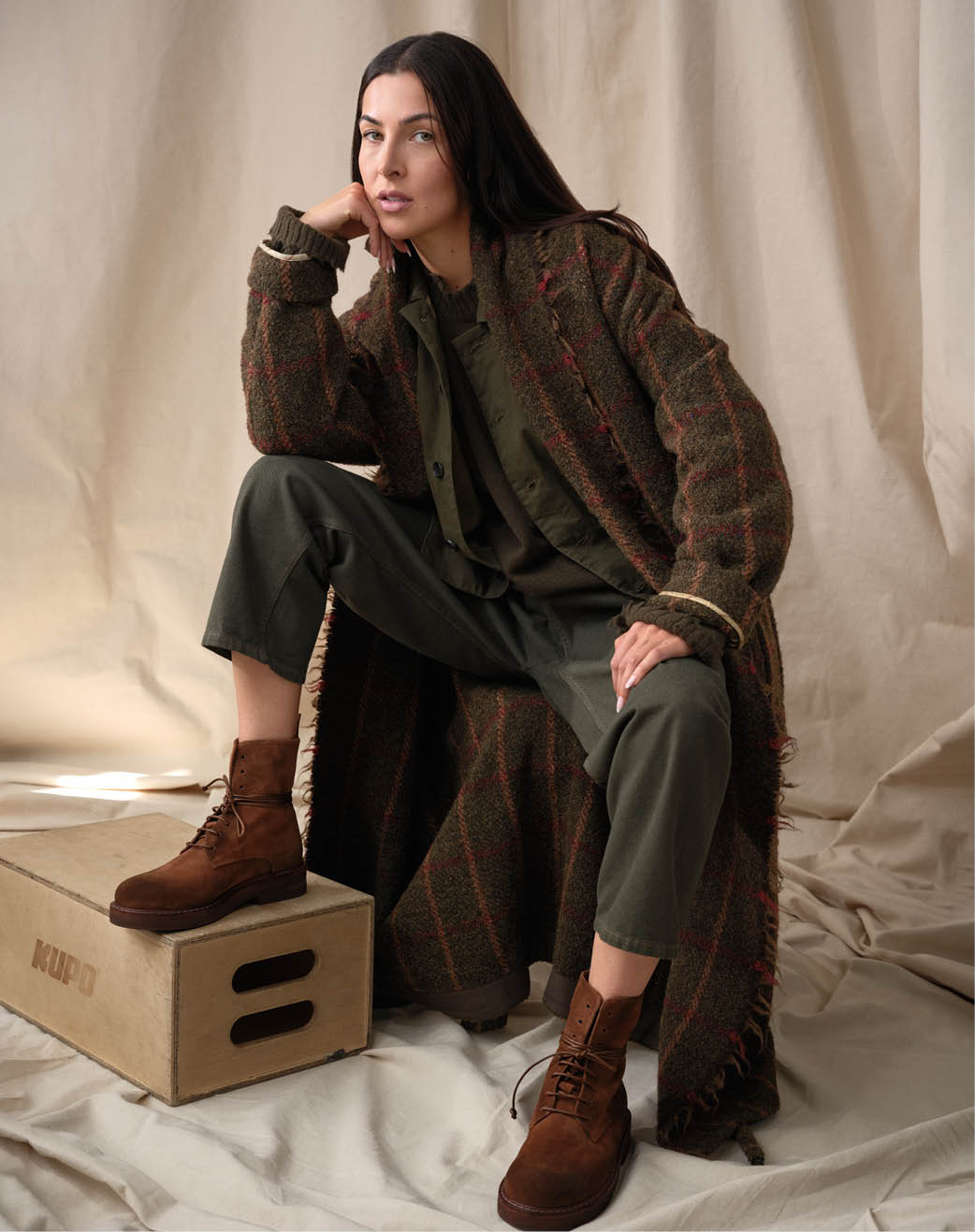
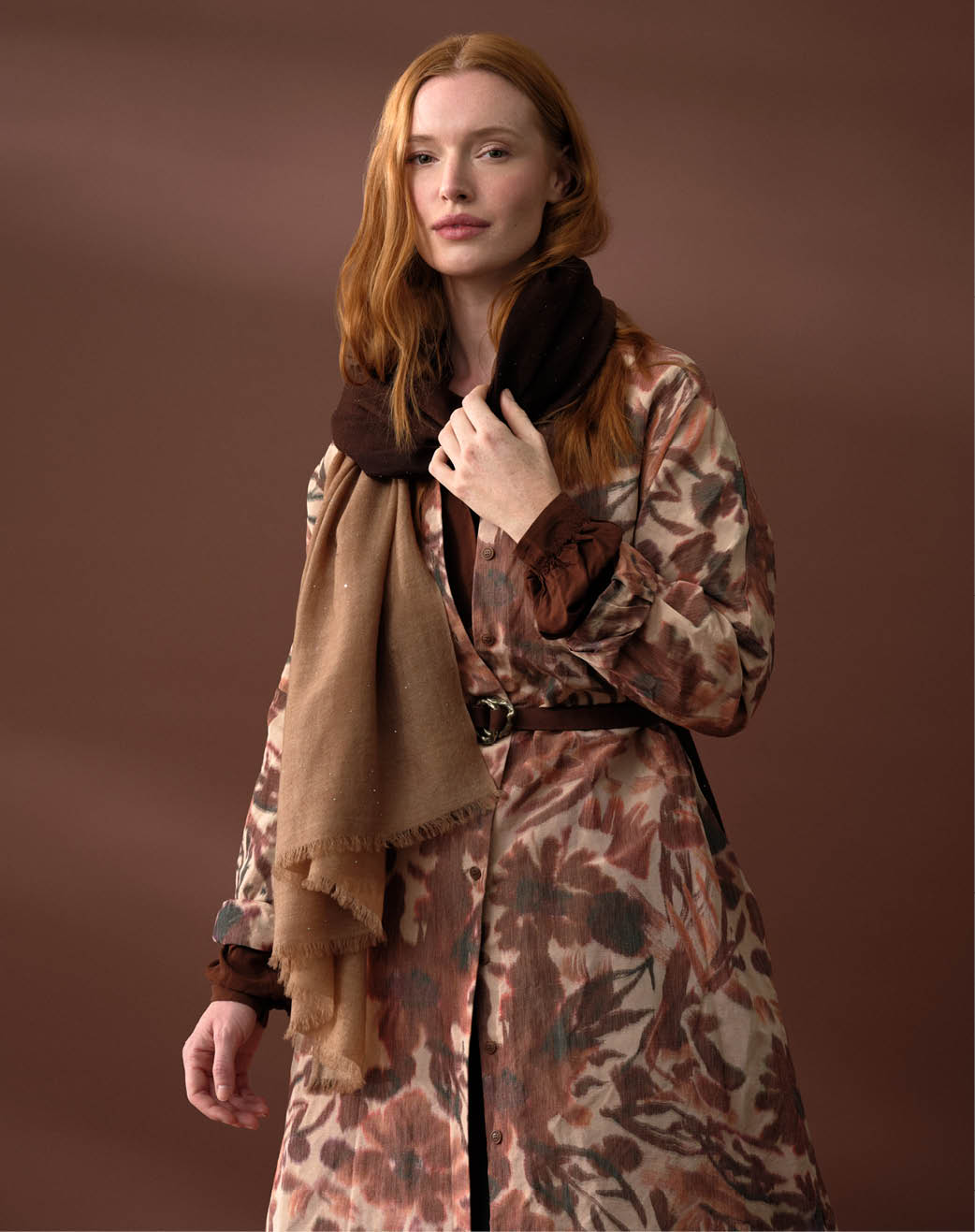
Santa Fe Dry Goods, Workshop and Wild Life integrate the key tenets of the slow fashion movement in several ways. First, all products for the stores are ordered six to nine months in advance. Our clothing is highly intentional and avoids the wasteful techniques employed by engaging in massive, continual production runs. Additionally, small orders allow for designers to spend more time and waste less material constructing the artful pieces in each store.
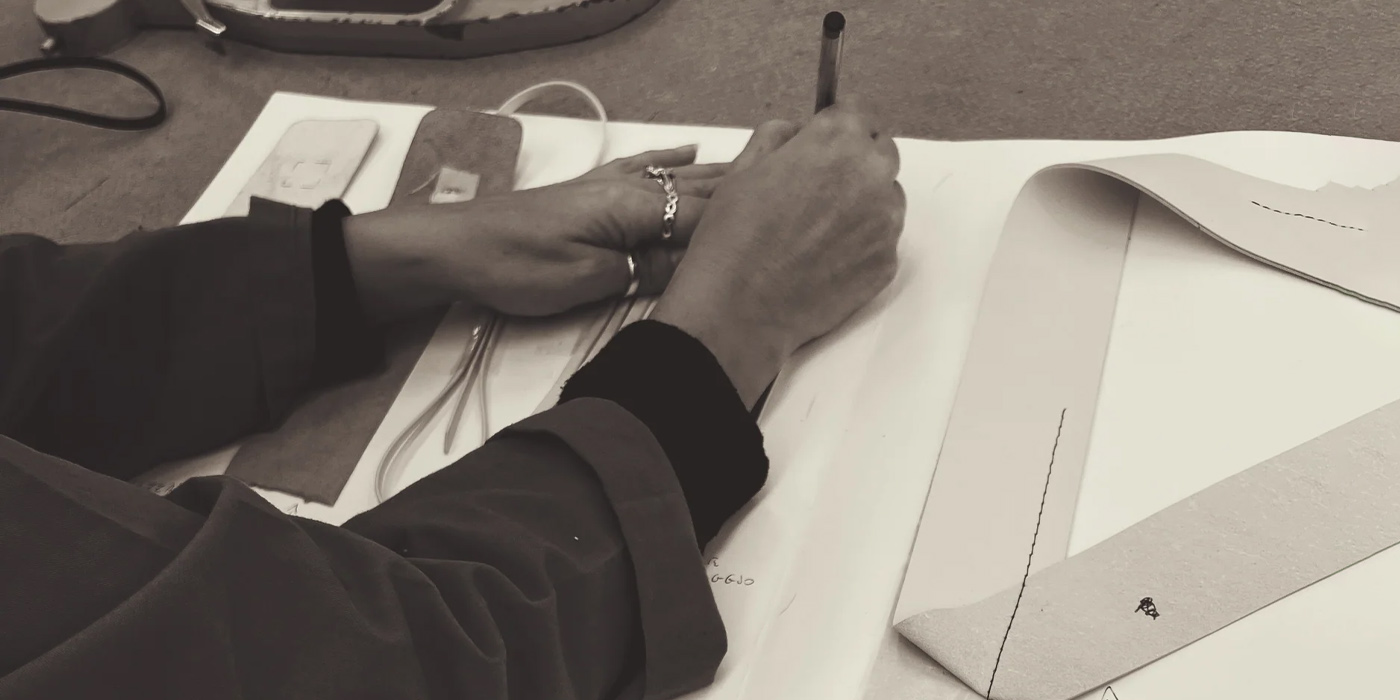
Much of the clothing in our stores is hand dyed or delicately woven in a way that makes washing products, particularly in a washing machine, potentially harmful to the colors and fabrics present in these pieces. While this may seem inconvenient, this lack of washing has many benefits. First, the dyes and fabrics used in many of our clothes contain antibacterial and antimicrobial properties that prevent buildups of germs present in traditionally manufactured clothing. Less frequent washes also helps to save water and reduce electricity use associated with using a machine. Furthermore, more continuous wearing will help shape the piece to your body and break in heavier fabrics.
Buying a single brand is another way to help the environment and your closet. Our stores stock numerous designers that create collections that build off of each other so that pieces from different seasons and years can be mixed together. Environmentally, this reduces the emissions created by clothes manufactured in different locations around the world.
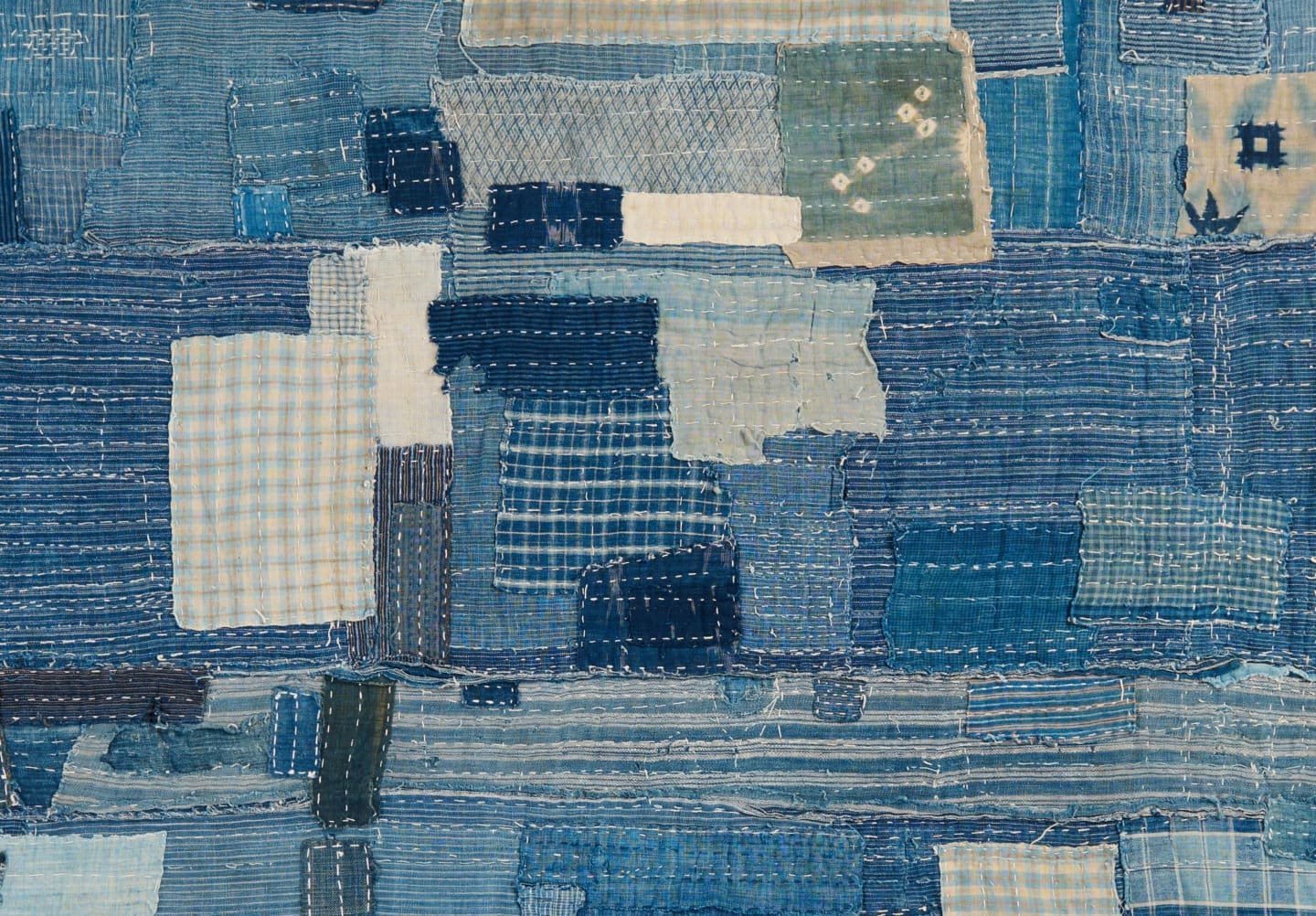
The quality of material used by the designers featured in Santa Fe Dry Goods, Workshop and Wild Life makes us part of the slow fashion movement. Many clothes feature silk, cashmere and Japanese cotton, making them far more sustainable than commercial counterparts. For example, Japanese cotton, known for its exceptionally high thread count and smooth, silky feel, is often harvested more sustainably than the cotton used in most commercial clothing, making it a more luxurious and environmentally friendly option. Japanese textile manufacturers often use eco-friendly dyes, water-saving techniques and renewable energy in their production, making their practices far more sustainable.
Joining the Slow Fashion Movement
The first step in joining the slow fashion movement is to educate yourself about the harmful effects of fast fashion. Learn about the workers in developing countries, often paid very little, who are behind the production of these clothes. Understand the severe environmental damage caused by the textile industry and recognize how fast fashion contributes to waste and overflowing landfills.

Once you’re informed, you can begin to start making changes in your own life. A great place to begin is by shopping differently—seek brands that prioritize sustainability and opt for high-quality items that will stand the test of time. By choosing ethical, sustainable fashion, you can minimize your environmental impact and support fair practices, all while being mindful of the broader consequences of your clothing choices.
The Future of Fashion
Sustainability is becoming the heart of fashion’s future. Brands are increasingly aware of their environmental footprint and are taking steps to lessen it. At the same time, consumers are growing more conscious of these issues and are opting for brands that prioritize sustainable practices. As a result, the sustainable fashion sector is expanding, with both brands and shoppers placing greater importance on environmental and social responsibility.
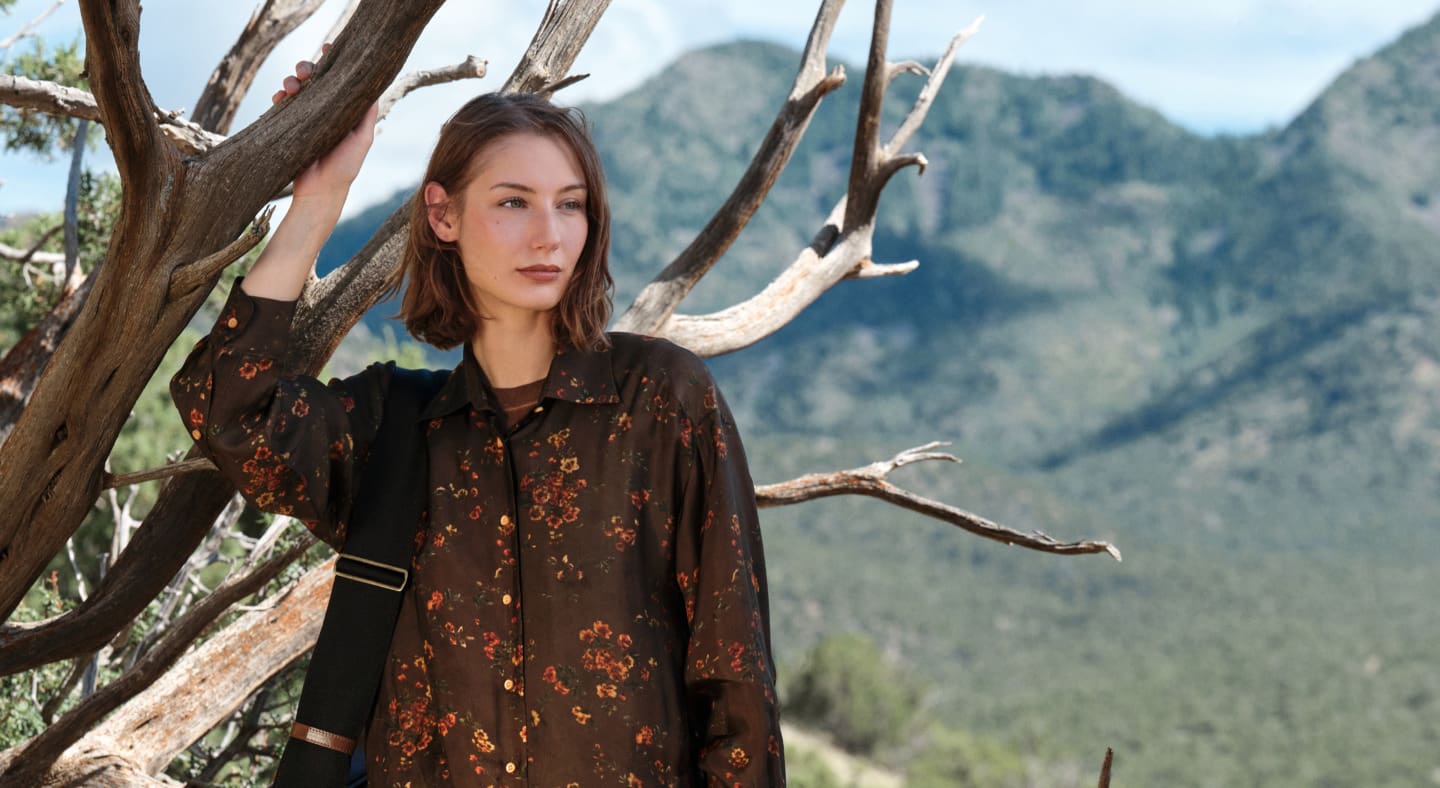
Santa Fe Dry Goods, Workshop and Wild Life continue to embrace the environmentally conscious, sustainable ideals that define slow fashion and serve as a model for the industry. We strive to provide as much information about our designers as possible to facilitate your ability to shop responsibly. We hope to expand our efforts in this way, so you can be confident your purchase supports skilled and sustainable practices. Our stores will always celebrate the handmade, hand-stitched and small batch techniques employed by our vendors and we invite you to do so with us.