Author Archive

How the SFDG Environment Incorporates Slow Fashion

The world is overwhelmed with fast fashion and its consequences. Landfills are overflowing and beaches are choked with discarded clothes made halfway around the world, while unfair exploitation of low wage laborers and unsustainable use of disposable materials continues. These practices necessitate a change. The slow fashion movement is a response to these issues which encourages mindfulness when making purchasing decisions. Buying less, but better quality items and considering the environmental impact of your clothing are the key tenets that identify slow fashion.

Consequences of Fast Fashion

Fast fashion refers to the rapid production of low-cost, low-quality garments, typically made from synthetic, non-biodegradable materials. As the fashion industry is among the most polluting sectors globally, with fast fashion being a major contributor these items consume significant energy and resources. Additionally, labor conditions in fast fashion factories are often harsh, with workers receiving minimal pay and enduring unsafe environments.

In recent years, major fashion brands have typically released two main collections annually—Spring/Summer and Fall/Winter. However, the industry has rapidly evolved, now introducing dozens of micro-seasons each year, reflecting a constant churn of trends. Fast fashion is intentionally designed to make clothes feel outdated after just a short time, encouraging continuous consumption driven by fleeting fads. This focus on the temporary is heavily influencing current consumer behavior in the US.

What Does Slow Fashion Stand For 

The ideas that formed slow fashion date back to the 1960s when designers became skeptical of wasteful fashion processes. As the practice of overseas sweatshops and the unethical origins of commercial clothing became known, slow and conscientious fashion trends began. Some early proponents of slow fashion were brands such as Jil Sander, Vivienne Westwood, Diane Von Furstenberg and Yohji Yamamoto who looked to more sustainable methods.

Slow fashion focuses on creating durable, high-quality clothing through environmentally and socially responsible practices. Unlike fast fashion, slow fashion brands prioritize natural, biodegradable materials and often adopt eco-friendly production methods. Most of these brands interact ethically with their workforce, offering fair wages and safe working conditions.

Avoiding Fast Fashion

You don’t have to take part in this cycle. Purchasing fewer, better-made items can lead to long-term savings, as well-made clothing lasts longer and doesn’t need to be replaced as often. The result is a wardrobe filled with timeless, well-loved pieces. Moreover, the slow fashion movement is part of a broader sustainable trend that promotes ethical labor practices and raises awareness among consumers.

To successfully shop in accordance with slow fashion, there are several things you can do. To start, you should take time to familiarize yourself with brands and their production processes to ensure their practices are ethical. Information on materials, production and working conditions used by a company are all critical to understanding the brand and whether they use a slow or fast fashion model.
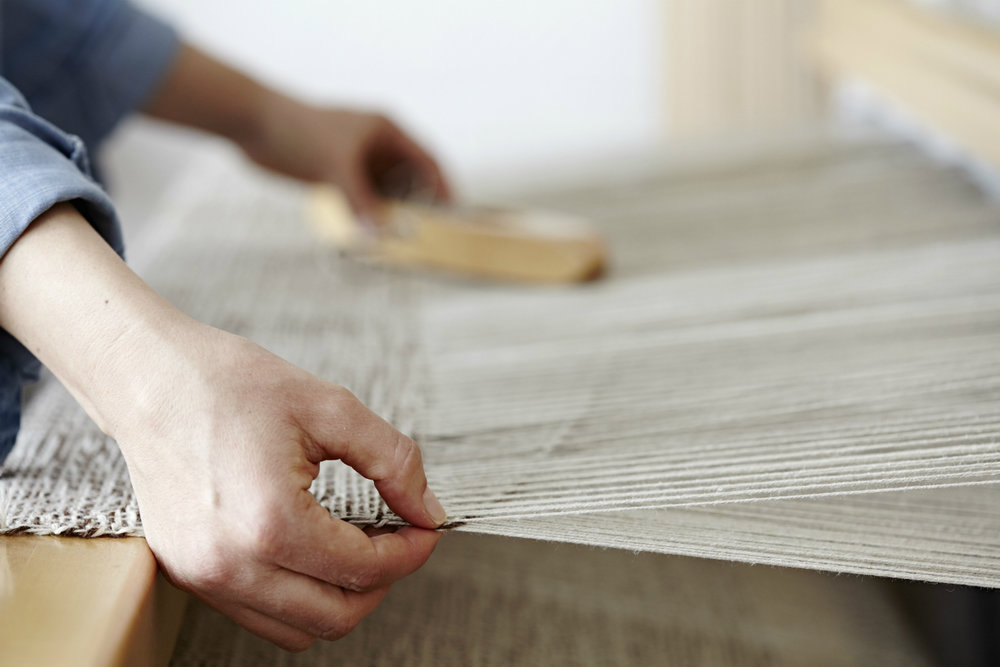
Slow fashion offers alternatives as well, such as shopping second-hand or from consignment stores. Giving new life to old garments – by donating, reselling, or rewearing them – is a sustainable way to refresh your wardrobe while reducing waste and resisting the fast fashion model.

How the SFDG Environment Embodies Slow Fashion

Santa Fe Dry Goods, Workshop and Wild Life integrate the key tenets of the slow fashion movement in several ways. First, all products for the stores are ordered six to nine months in advance. Our clothing is highly intentional and avoids the wasteful techniques employed by engaging in massive, continual production runs. Additionally, small orders allow for designers to spend more time and waste less material constructing the artful pieces in each store. 
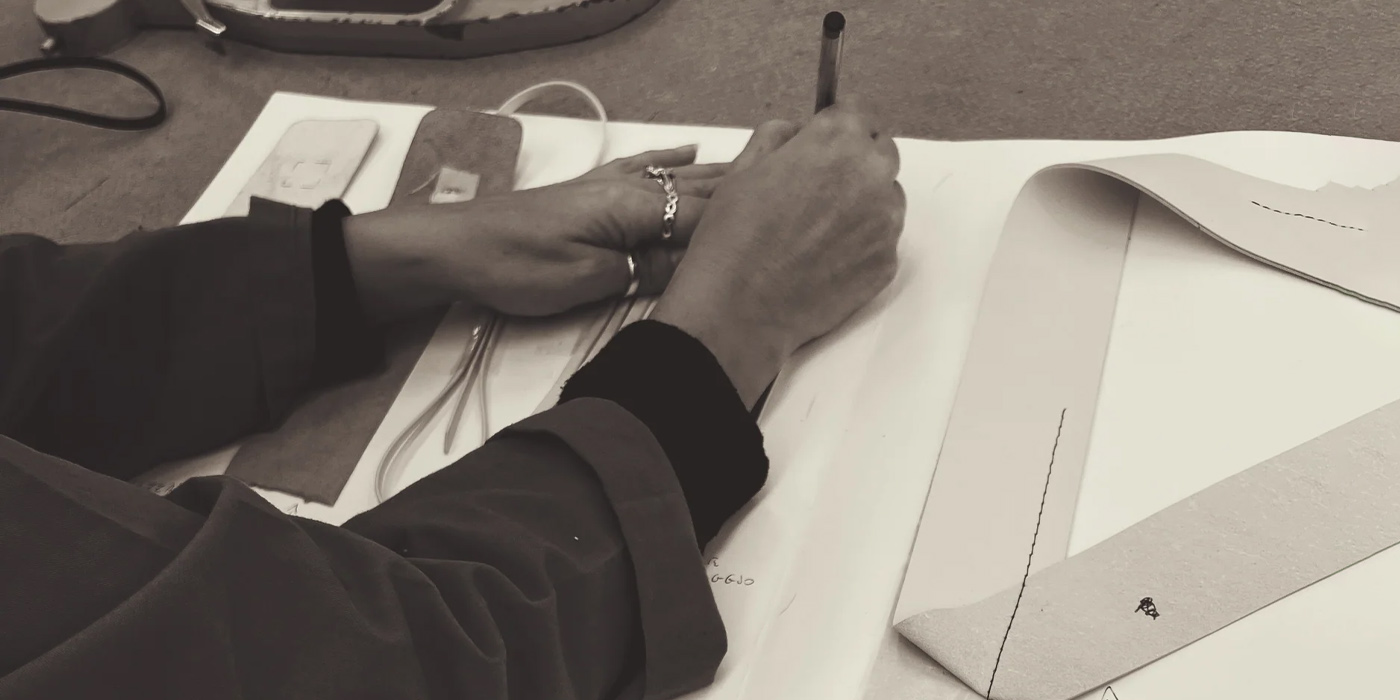
Much of the clothing in our stores is hand dyed or delicately woven in a way that makes washing products, particularly in a washing machine, potentially harmful to the colors and fabrics present in these pieces. While this may seem inconvenient, this lack of washing has many benefits. First, the dyes and fabrics used in many of our clothes contain antibacterial and antimicrobial properties that prevent buildups of germs present in traditionally manufactured clothing. Less frequent washes also helps to save water and reduce electricity use associated with using a machine. Furthermore, more continuous wearing will help shape the piece to your body and break in heavier fabrics.  

Buying a single brand is another way to help the environment and your closet. Our stores stock numerous designers that create collections that build off of each other so that  pieces from different seasons and years can be mixed together. Environmentally, this reduces the emissions created by clothes manufactured in different locations around the world. 
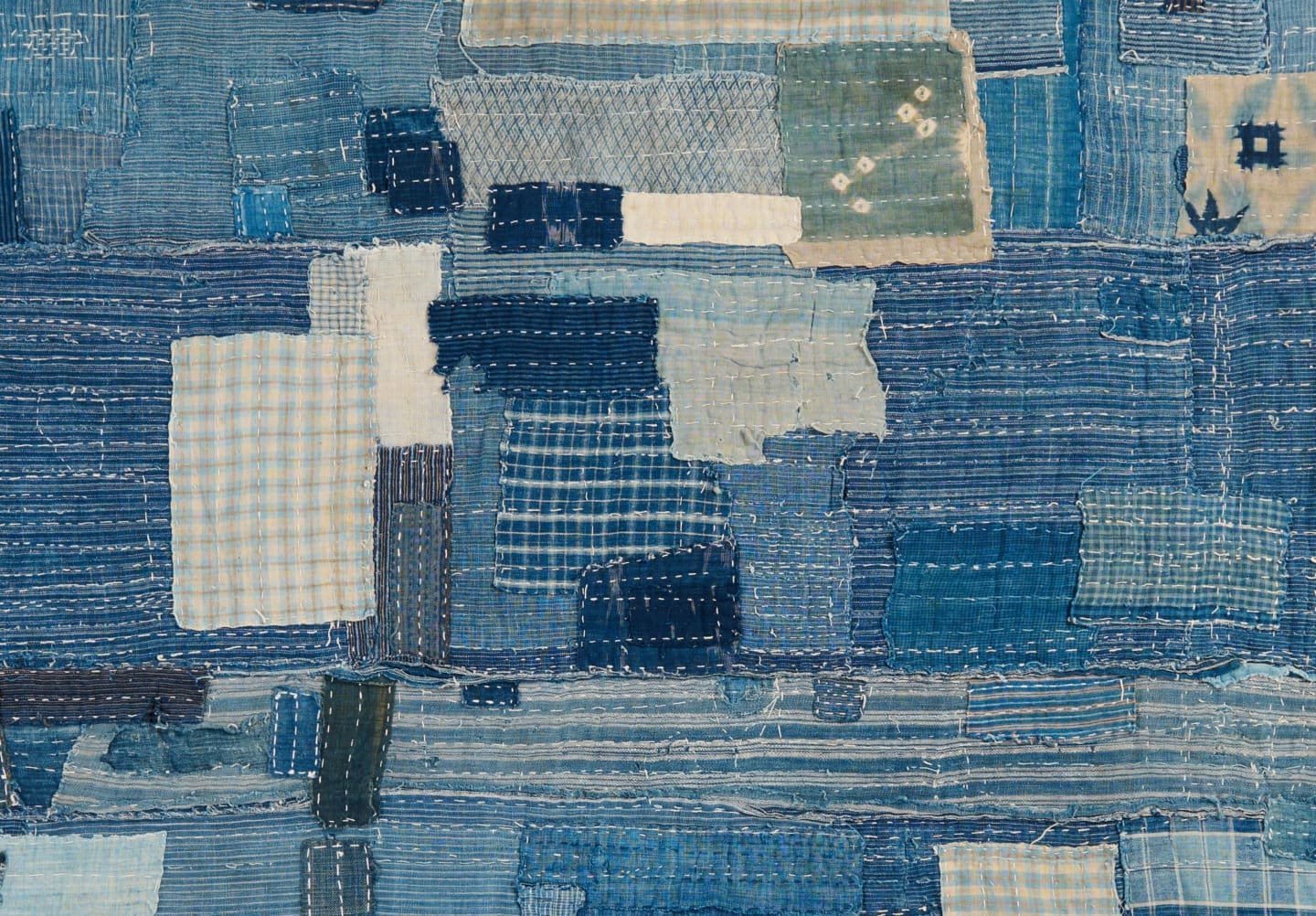
The quality of material used by the designers featured in Santa Fe Dry Goods, Workshop and Wild Life makes us part of the slow fashion movement. Many clothes feature silk, cashmere and Japanese cotton, making them far more sustainable than commercial counterparts. For example, Japanese cotton, known for its exceptionally high thread count and smooth, silky feel, is often harvested more sustainably than the cotton used in most commercial clothing, making it a more luxurious and environmentally friendly option. Japanese textile manufacturers often use eco-friendly dyes, water-saving techniques and renewable energy in their production, making their practices far more sustainable.

Joining the Slow Fashion Movement

The first step in joining the slow fashion movement is to educate yourself about the harmful effects of fast fashion. Learn about the workers in developing countries, often paid very little, who are behind the production of these clothes. Understand the severe environmental damage caused by the textile industry and recognize how fast fashion contributes to waste and overflowing landfills.

Once you’re informed, you can begin to start making changes in your own life. A great place to begin is by shopping differently—seek brands that prioritize sustainability and opt for high-quality items that will stand the test of time. By choosing ethical, sustainable fashion, you can minimize your environmental impact and support fair practices, all while being mindful of the broader consequences of your clothing choices.

The Future of Fashion

Sustainability is becoming the heart of fashion’s future. Brands are increasingly aware of their environmental footprint and are taking steps to lessen it. At the same time, consumers are growing more conscious of these issues and are opting for brands that prioritize sustainable practices. As a result, the sustainable fashion sector is expanding, with both brands and shoppers placing greater importance on environmental and social responsibility.
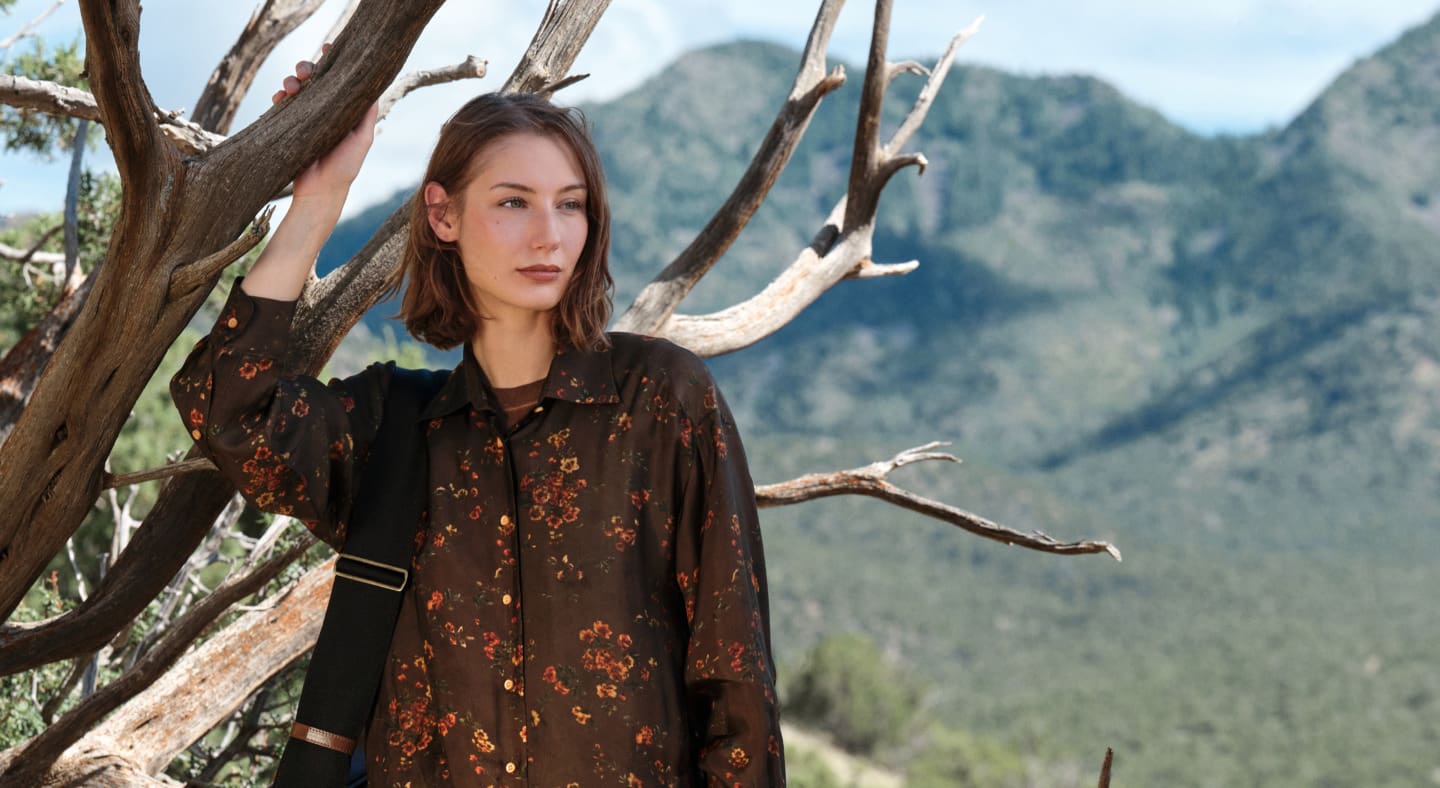
Santa Fe Dry Goods, Workshop and Wild Life continue to embrace the environmentally conscious, sustainable ideals that define slow fashion and serve as a model for the industry. We strive to provide as much information about our designers as possible to facilitate your ability to shop responsibly. We hope to expand our efforts in this way, so you can be confident your purchase supports skilled and sustainable practices. Our stores will always celebrate the handmade, hand-stitched and small batch techniques employed by our vendors and we invite you to do so with us. 
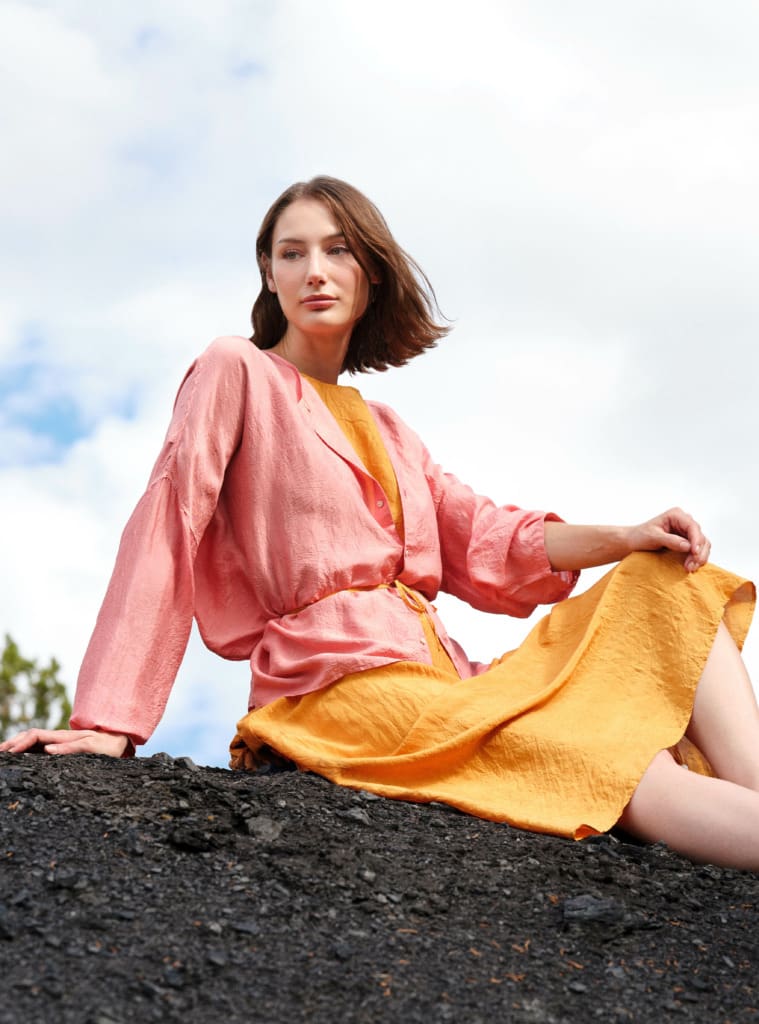
The Quiet Roar: Senui Stitching, Kaval’s Artistry, and the Whispers of Khadi Silk

There’s a pulse to things made with intention, a palpable spirit that hums from a piece touched by skilled hands. It’s a very different kind of energy than the one emanating from the vast, clattering maw of an industrial factory. In certain circles, one finds a profound appreciation for this distinction – a belief in the inherent value of the making itself. Few brands embody this philosophy as deeply as Kaval, particularly in their latest collection where a quiet yet profound detail speaks volumes. 

For those of us who appreciate the subtle language of construction, the senui stitch (背縫い) is a detail that immediately calls to mind a legacy of meticulous craftsmanship. Simply put, it’s that vertical seam running down the center back of a garment, a foundational element in traditional Japanese apparel, most famously the kimono. But beyond its function, this unassuming seam carries centuries of wisdom, whispering tales of fabric economy, thoughtful drape, and a timeless approach to garment longevity.

The Kanji Unveiled: 背縫い (Senui)

To truly appreciate senui, one looks to its characters, each a tiny poem in itself:

  • 背 (se / sen): This first kanji speaks of the “back”—literally, the back of the body, but also the idea of the rear, or a foundation. One might imagine a figure with its back to the moon, or perhaps simply turning away, establishing a boundary. This character anchors the seam to the very core of the wearer’s posture, a line of inherent strength and support.
  • 縫い (nui, from 縫う – nuu): Here, we find the action: “to sew,” “to stitch.” Look closely at its components. There’s 糸 (ito), that ever-present radical for “thread”—the very essence of textiles, the slender strands that connect and create. And then 奉 (hō / bu), which can mean “to offer” or “to serve.” Think of the careful offering of thread to fabric, the meticulous service of needle to cloth, building something with intent and dedication.

Together, 背縫い gives us “back stitching” or “back seam.” But more than a mere translation, it’s a concept: the deliberate, central seam that provides structure while allowing fabric to flow, minimize waste and maximize grace. It’s a seam designed not just for present wear, but for a future life—easily undone for repair, resizing, or even entirely new creations, echoing a deep-seated respect for resources and the longevity of materials. This is wasai, Japanese tailoring, where durability and adaptability are as crucial as aesthetics.

Kaval’s Latest: The Artistry of Senui in Khadi Silk and Beyond

This season, Kaval’s collection beautifully highlights the thoughtful integration of the senui stitch, showcasing how a traditional detail can elevate a contemporary garment. Its presence in key items underscores Kaval’s deep commitment to artisanal production over industrial, commercial factory output.

Kaval doesn’t just cut and sew; they cultivate. Their approach to fabric is particularly telling. Unlike commercial brands that simply buy fabric off a bolt, Kaval takes control from the very thread, often weaving and dyeing their own fabrics in their Tochigi atelier. This intimacy with the material means they understand how best to cut and join it, allowing a detail like the senui seam to truly shine.

And here, we often encounter the whisper of Khadi silk. For the uninitiated, Khadi is not just a fabric; it’s a philosophy, originating from India as part of Mahatma Gandhi’s swadeshi movement. It refers to hand-spun and hand-woven fabric. While often associated with cotton, Khadi can be made from silk, wool, or a mix.

Khadi silk, then, is silk that has been hand-spun into yarn and then hand-woven on a loom. This laborious, human-powered process results in a fabric with a distinct, organic texture, subtle slubs and an irregular beauty that is utterly charming. It breathes beautifully, feels wonderfully soft against the skin and possesses a singular character that machine-made fabrics simply cannot replicate. It’s a textile born of patience, skill, and human touch, carrying the subtle “imperfections” that are, in fact, its greatest virtues.

When Kaval selects a fabric such as Khadi silk, and then applies the meticulous detailing of the senui stitch, the garment transcends mere clothing. The soft, breathable nature of Khadi silk, with its inherent give and gentle drape, is perfectly complemented by the clean, flowing line of the senui. The stitch becomes less about joining two pieces and more about guiding the fabric’s natural expression, allowing its unique texture to sing without interruption.

  • The Master’s Hand, Not the Assembly Line: At Kaval’s atelier, the skilled hands crafting the precise senui seam are often involved in multiple stages of production. This ensures that a seam isn’t just sewn, but placed with care and understanding, allowing the inherent qualities of a fabric like Khadi silk to be fully realized.
  • Tools with Stories, Stitch by Stitch: Kaval’s use of antique sewing machines isn’t a quirk; it’s a deliberate choice. These machines, often slower and more nuanced than modern industrial ones, produce a softer, more flexible stitch—the kind that holds a senui seam beautifully, allowing it to move with the body and the living fabric of Khadi silk. It’s a quality that feels distinctly “handmade,” even if machine-assisted.
  • The Unhurried Pace of Excellence: From the meticulous execution of a simple, straight senui seam to the careful hand-finishing, every detail whispers of unhurried attention. This slow, deliberate process ensures that each Kaval piece possesses a “soul”—a depth of character that simply can’t be replicated on a mass scale.
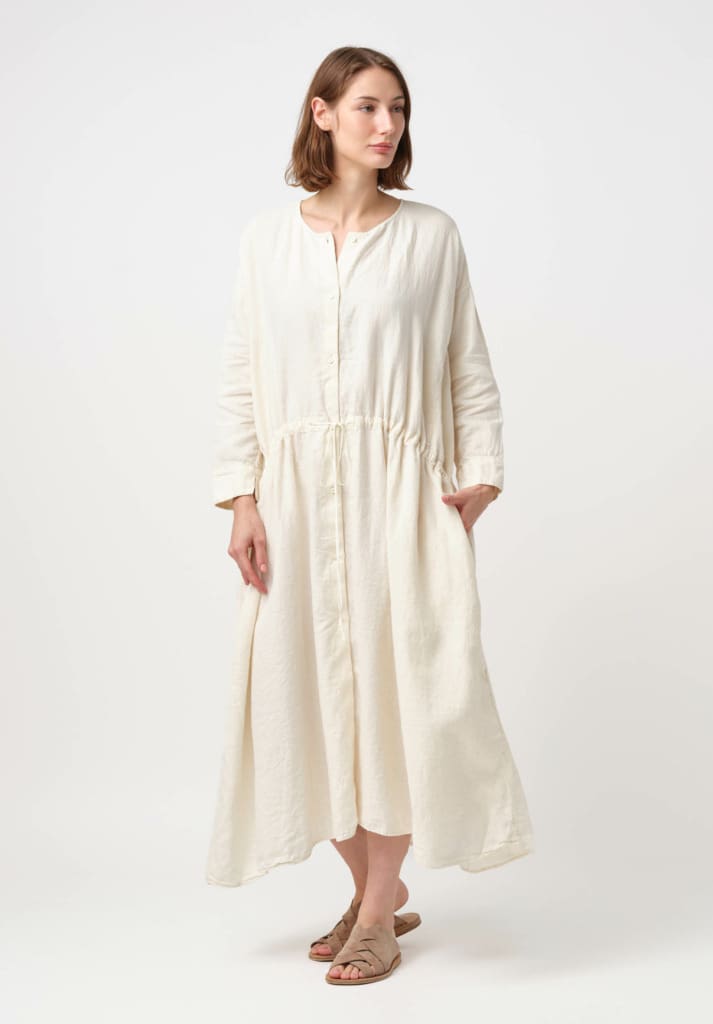
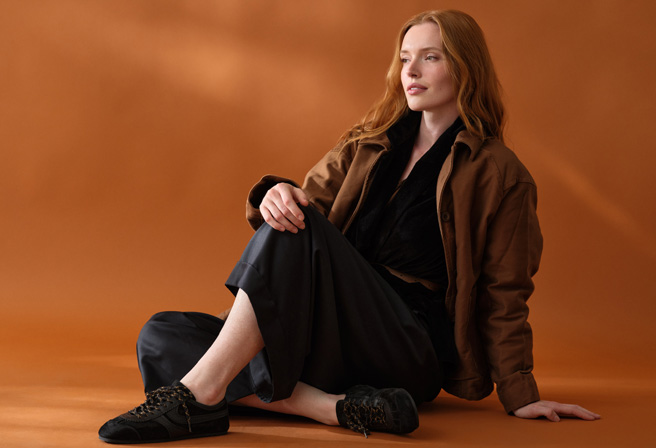
Model wearing Kaval Linen Twill Drawstring Waist Button-Down Dress in Vanilla Cream

Kaval, with its deep commitment to artisan production, its control over every fiber (from the weaving of its own fabrics to the selection of hand-spun Khadi silk) and its dedication to creating timeless, cherished garments (often highlighted by the elegant senui stitch) is exceptional. It reminds us that the truly wild and beautiful things are often the ones nurtured by human hands, not stamped out by machines. It is a testament to the quiet roar of stitching, the luxury of quality fabrics, and the enduring allure of subtle artistry.

Perhaps, if you’re ever in Santa Fe, you might feel that whisper yourself, running your hand down the beautiful backbone of a Kaval garment.

Weaving Tradition, Péro

Aneeth Arora is one of India’s most acclaimed clothing designers. Her influence is far reaching as she helps other designers revive a struggling textile industry by employing local artisans at Péro. Aneeth has won numerous honors in the field, including the British Council’s’ Young Creative Fashion Entrepreneur in 2011 and Vogue India’s first-ever Fashion Fund Award in 2012. However, becoming one of India’s most prominent fashion designers was a far off dream. The only thing Aneeth was certain was that she wanted to move from her hometown of Udaipur. 

After graduating high school, Aneeth elected to move, against her mother’s wishes, to Mumbai to attend National Institute of Fashion Technology (NIFT). Following her time in Mumbai obtaining a masters degree in textile design at the National Institute of Design in Ahmedabad in 2004, where she gradually developed an interest in fabrics and began to experiment with textiles, printing, weaving and dyeing. 

Pero jackets hanging on a wall display inside Wild Life in Santa Fe

A job in 2007, with a handmade writing and decorative paper company, allowed Aneeth to expand her creative flair and inspired her to enter the local Lakme fashion show in a youth category. “I created simple, hand-stitched clothing, which was not liked by the audience,” she says. But despite the underwhelming response, she soon received a call from Aza, a leading fashion house based in Mumbai, asking her to make a collection for them. 

Her collaboration with Aza led to the creation of a self-named label in 2008 which she renamed “péro” the following year. The word means ‘to wear’ in Marwari, the local language of Rajasthan. “péro sounds simple, but that is exactly the essence of the brand,” Aneeth adds.

Aneeth’s life has been transformed since, from making 12 garments a month in 2008, to over a 1,000 with the help of a staff that has grown from two to 100. She has simultaneously been crucial in revitalizing the struggling local handmade textile industry by employing artisans who specialize in techniques such as hand-looming and dyeing. Her work as a designer follows in the Indian tradition of passing a piece from one hand to another – every person contributes their imprint to the final product.

By focusing on the details and the feeling of her home as inspiration, Aneeth Arora is bringing the world a perspective on India it has never seen before. In the quirky, elaborate details, you see a distinct personality emerge, not only of the designer, but also of the hands that made it, along with the cultures and histories that influenced her aesthetic.

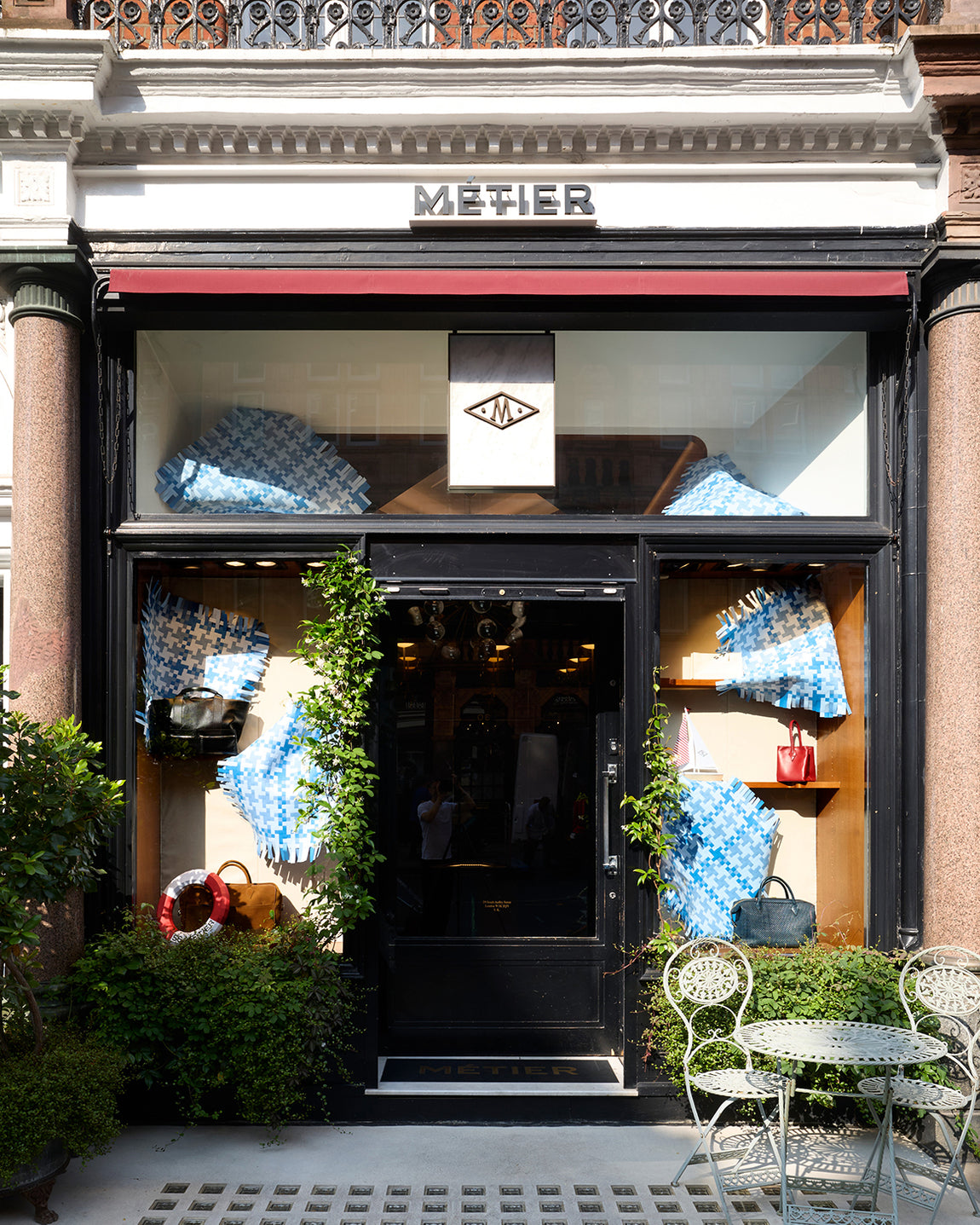
Globetrotting Glamour, Métier

Born into a STEM-oriented household, designer Melissa Morris quickly developed a keen eye for precision, which is at the very heart of her leather goods label, Métier. 

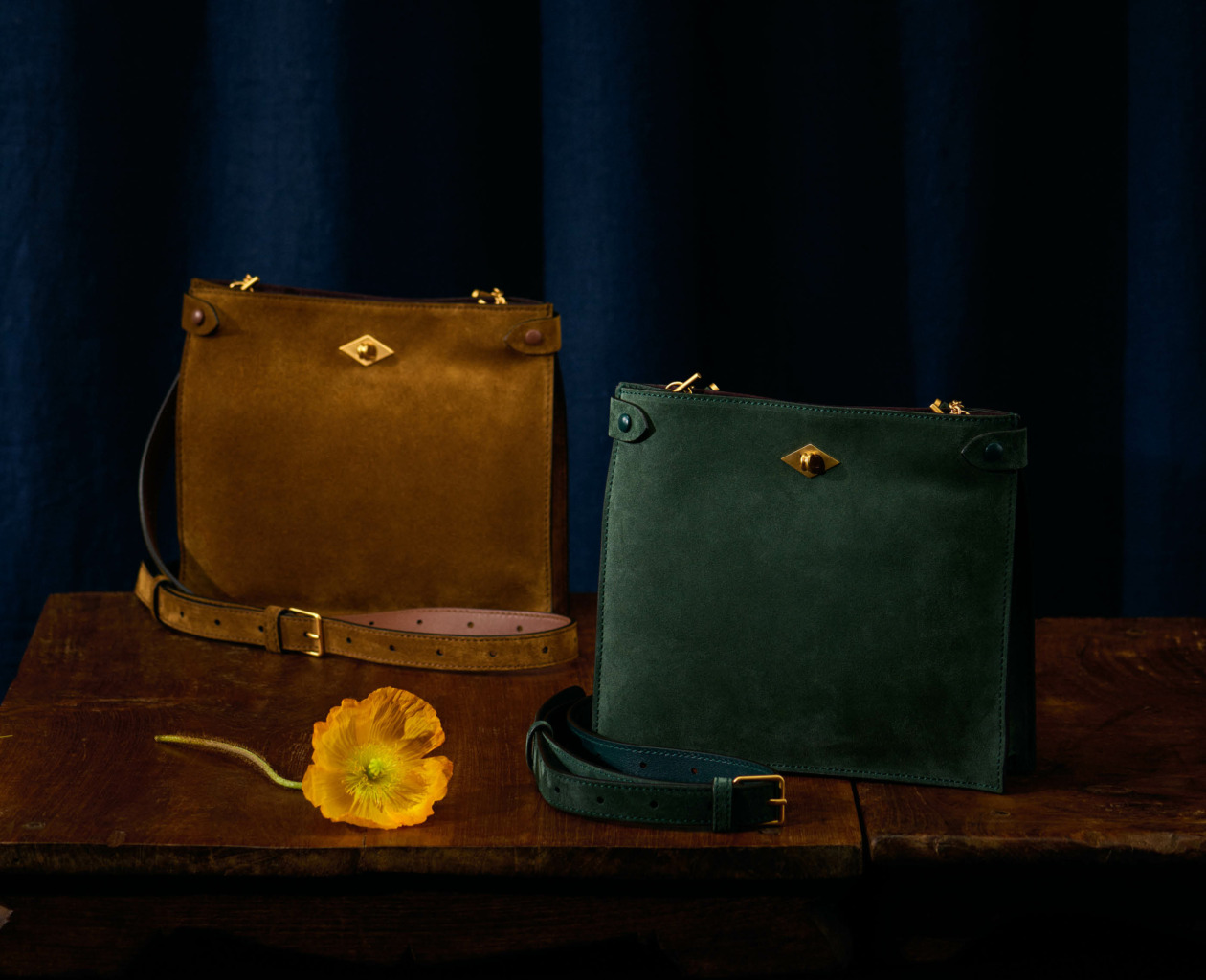
“When I founded my brand, I knew it had to be something that really reflects my vision around what I think luxury design is. For me, design is at the forefront, and at the core is either enhancing an experience or solving a problem.” Melissa studied sculpture and business at Emory–two educational tenets that would ultimately inform her problem-solving mantra. Her designs are achieved cross-border–starting in Melissa’s London studio and then brought to life by artisanal leather workshops in Naples and Florence. 

Melissa draws inspiration from her grandmother, who she describes as someone who embodied the elegance of Jackie O. and Katharine Hepburn. She has helped Melissa discover the value of comfort without compromise and continues to shape her current design philosophy with Métier. Melissa’s insistence on comfort is also reflected in her personal style. Her wardrobe, curated with pieces from brands such as The Row, Cristaseya, and Attersee, embodies the idea of dynamic dressing while seamlessly accommodating the demands of her hectic schedule.

Traveling almost every week, Melissa creates products that cater to those living life on-the-go, a consideration that was crucial to Métier’s careful inception. After spending six months sourcing the best suppliers in Italy, Melissa and her team embarked on an extensive design journey to invent Métier. For over three years, Melissa engineered and re-engineered, working to create lightweight, durable bags that would withstand decades of use. Having perfected their product, it was tested in an Italian facility that simulates 20 years of use and exposure to rain, humidity and stones to ensure Métier’s handbags were ready for even the most active of lifestyles. This commitment to product quality underscores the central tenets of the Métier design philosophy: craftsmanship, sustainability and modularity.

Refined luxury, practical functionality and uncompromising style is the Métier mantra. “Our brand is for today’s movers and shakers—those who love design and quality, but are busy! They value not having to compromise style for functionality. They are constantly on the go—all around the world—everyday from morning to night.” Her collection is designed to travel as well, offering both elegance and ease with every step. Accompanied by innovations such as modularity and hidden pockets, Métier further distinguishes itself by reimagining the concept of travel. Not just for those times away from home, but also for journeys everyday.

Melissa’s undying commitment to quality and comfort has earned the brand a cult following with celebrities such as Katie Holmes, Nicole Kidman and Kate Middleton and has elevated Métier to its station as a couture must.

Handmade Heritage, Ellis Mhairi Cameron

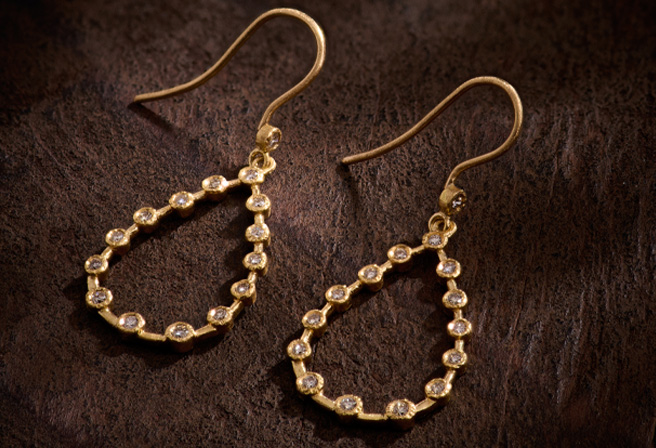
Born from 500 years of Scottish heritage, the jewelry created by Ellis Mhairi Cameron takes a modern perspective on the treasures of antiquity. The London-based Scot utilizes fair trade gold and sustainably harvested diamonds to create jewelry which has quickly attracted attention from some of fashion’s most famous.

Growing up in the Highlands of Scotland, Ellis fell in love with the country’s storied history, ancient buildings, along with the rugged sea and landscape. This history lives on below the land in places such as the Cameron family farm. Ellis and her family have excavated relics of an age past – segments of rings, vessels, knives and swords all buried centuries ago. These treasures have inspired Ellis’s most recent collections’, the rough edges, asymmetric settings and visible texture evoking a feudal era of kings and queens, appearing to wearers as if they’d been unearthed along with a treasure trove themselves.

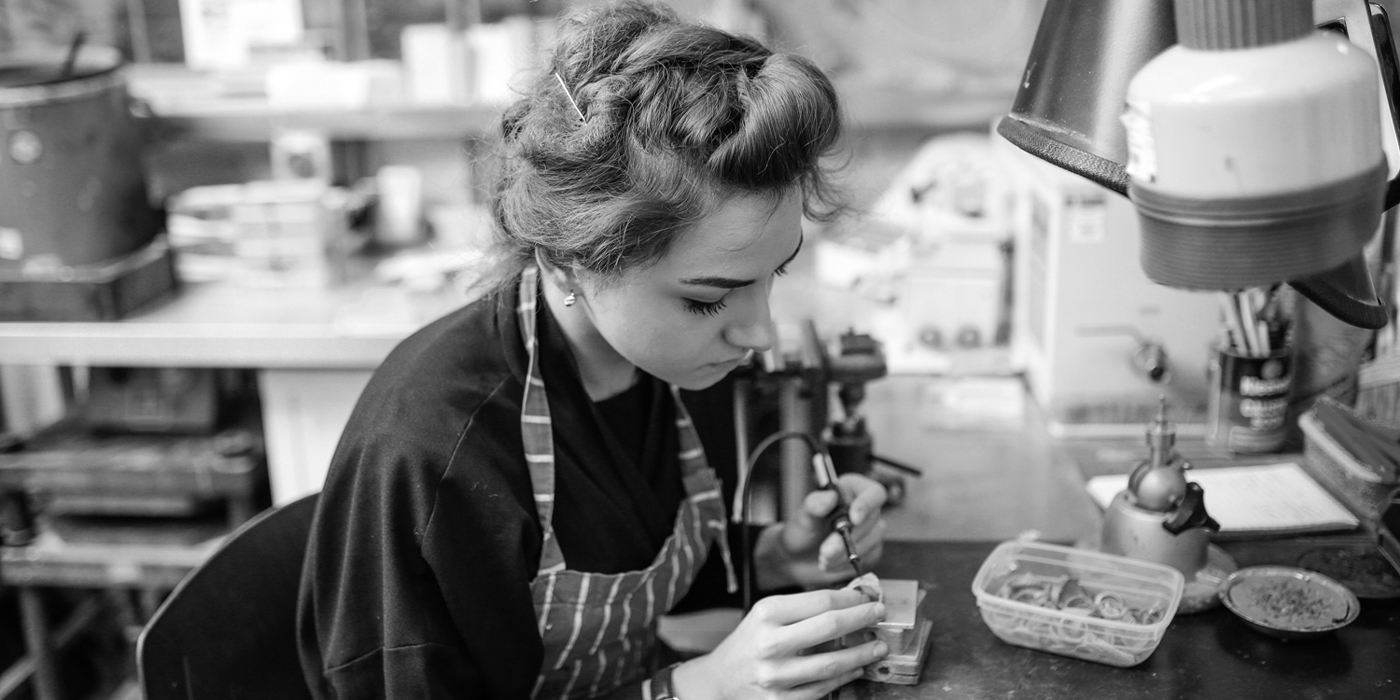
Ellis relocated from the Scottish Highlands to Glasgow in 2010 to begin an art foundation course. Although she originally planned to pursue sculpture or painting, she discovered jewelry-making during her studies and quickly became captivated by its possibilities. For Ellis, jewelry combined elements of all the disciplines she loved, allowing her to collage and paint in her sketchbooks, then transition into crafting small-scale three-dimensional “sculptures” through her jewelry work.

Ellis uses traditional techniques, such as hand carving and casting, to give her pieces their signature erosive aesthetic. Diamonds play a key role in this collection of necklaces, earrings, and rings. Antique-cut and icy-white baguette diamonds, resembling standing stones and occasionally placed upside down to create a softer, rain-like shimmer, are embedded in richly textured molten gold, evoking a sense of ancient craftsmanship. “Using brilliant-cut or more modern stones wouldn’t create the same impression,” Cameron explains. “The piece might still be beautiful, but it wouldn’t carry the same story or emotion.”

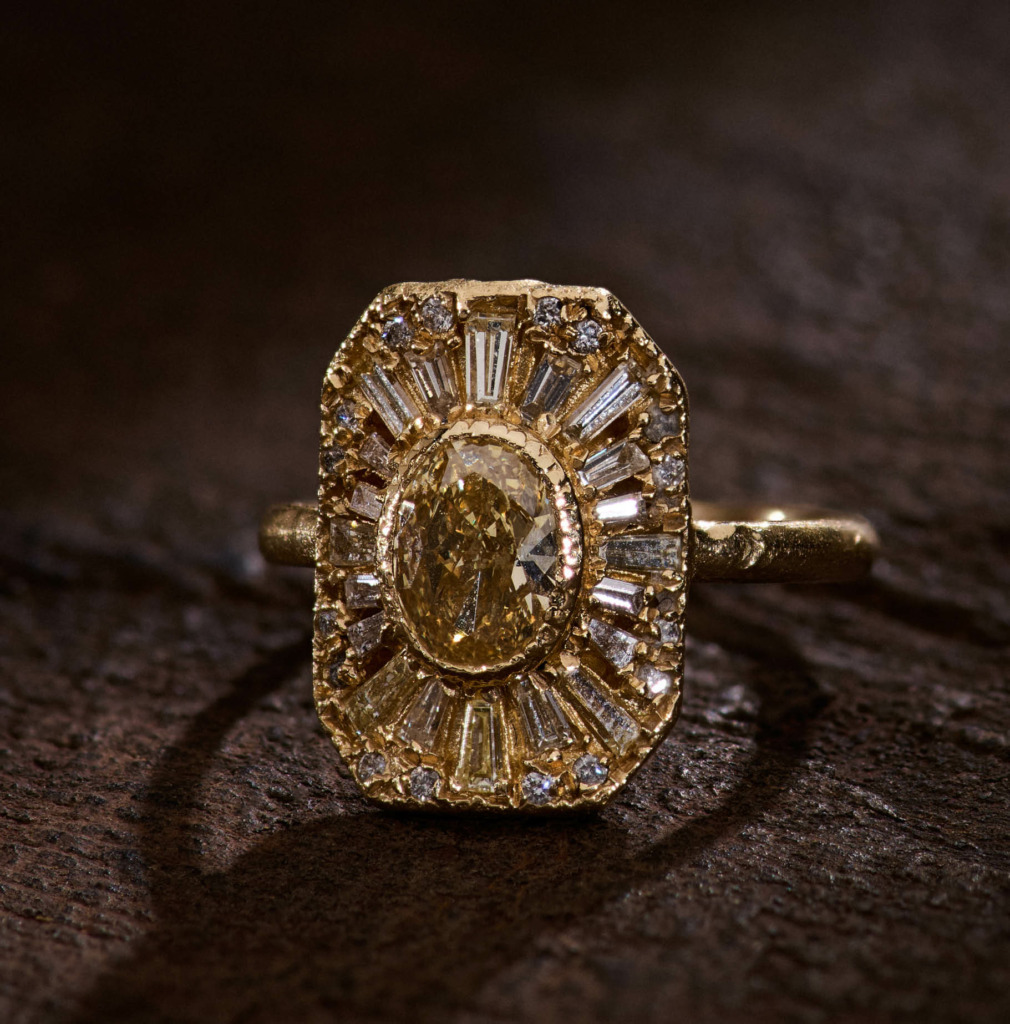
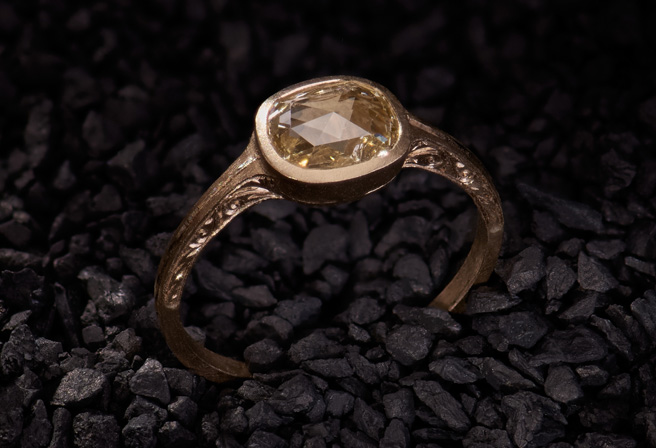
It is this story and emotion that emanates from Ellis’s unique gold rings. The one-of-a-kind Legacy Cocktail Ring features an oval, soft white diamond inlaid in a pavé set diamond frame which sits atop a British-supplied 14 karat recycled-gold band. The ring is decidedly ancient in appearance, crowned with what the Financial Times’ Kate Finnegan calls “a medieval statement of a jewel.”

Equally magnificent is the V-Shaped Scatter Ring. More understated than the Legacy Cocktail Ring, the ring includes nine soft red baguette cut diamonds set with an organic, textured bezel that accentuates the fluidity of the molten 14 karat gold used to cast the piece. Again, Ellis manages to create a piece which appears antique and organic, summoning visions of the windswept Scottish plains from which it was inspired.

A Registered Fairtrade Goldsmith and an Ambassador of Fairtrade ​Gold, Ellis studied for a BA in Jewelry & Silversmithing at The Glasgow School of Art, before completing an MA in Jewelry Design at Central Saint Martins. In 2021, Ellis was awarded Young Jewelry Designer of the Year at the UK Jewelry Awards. Ellis’s work has also been featured in Vogue and Forbes, a testament to her originality and masterful craftsmanship.

Celebrating Shape, Lauren Wolf

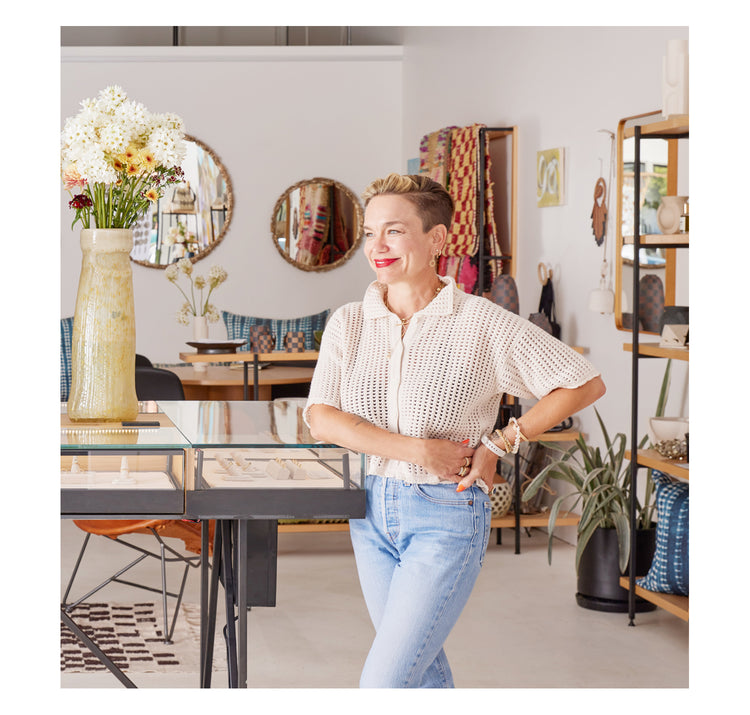
Lauren Wolf began her jewelry making journey in the mountains of Mexico, whose natural elements continue to inspire her designs. Today, Lauren is best known for creating unusual engagement rings using ethically-mined, rare colored diamonds in her workshop in Oakland.

After attending the University of Georgia for journalism, Lauren was introduced to jewelry making by Billy King at the Sterling Quest School in San Miguel de Allende, Mexico, where she fell in love with the craft. She deepened her knowledge by studying jewelry design at the Fashion Institute of Technology, and describes her time learning from the vendors and artists of New York’s Diamond District as “priceless.”

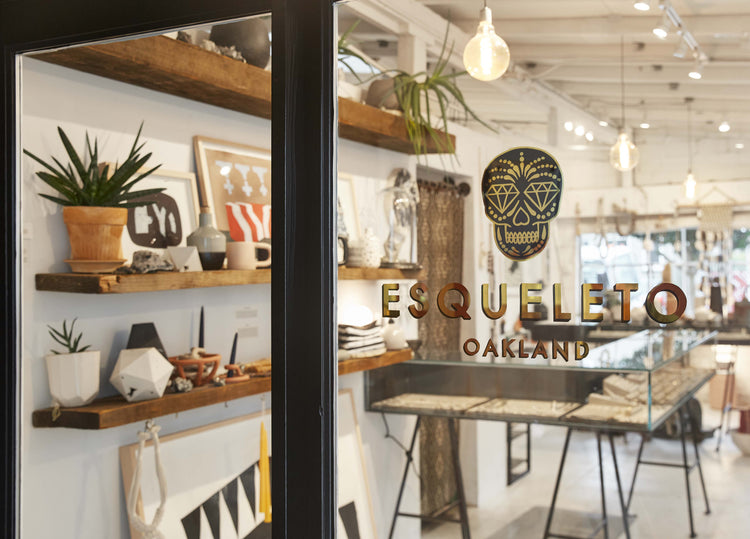
After eight years of creating jewelry in New York City, Lauren relocated to the Bay Area, opening the doors to her Oakland gallery, Esqueleto, in 2011. The name of the shop, which translates to “skeleton,” is a nod both to her time spent learning metalsmithing in Mexico and to her penchant for casting bones, teeth and shells for use in her early designs.

Lauren’s jewelry evokes organic shapes with natural settings, asymmetric bands and colored diamonds which set her processes apart from commercial techniques. Her inspiration is clear when looking at her Stingray Claw Ring, where a mottled 14 karat white gold band rises to envelope a rose cut brown sugar diamond. The ring also features Lauren’s signature stingray pattern, a further reference to the natural world which inspires her. 

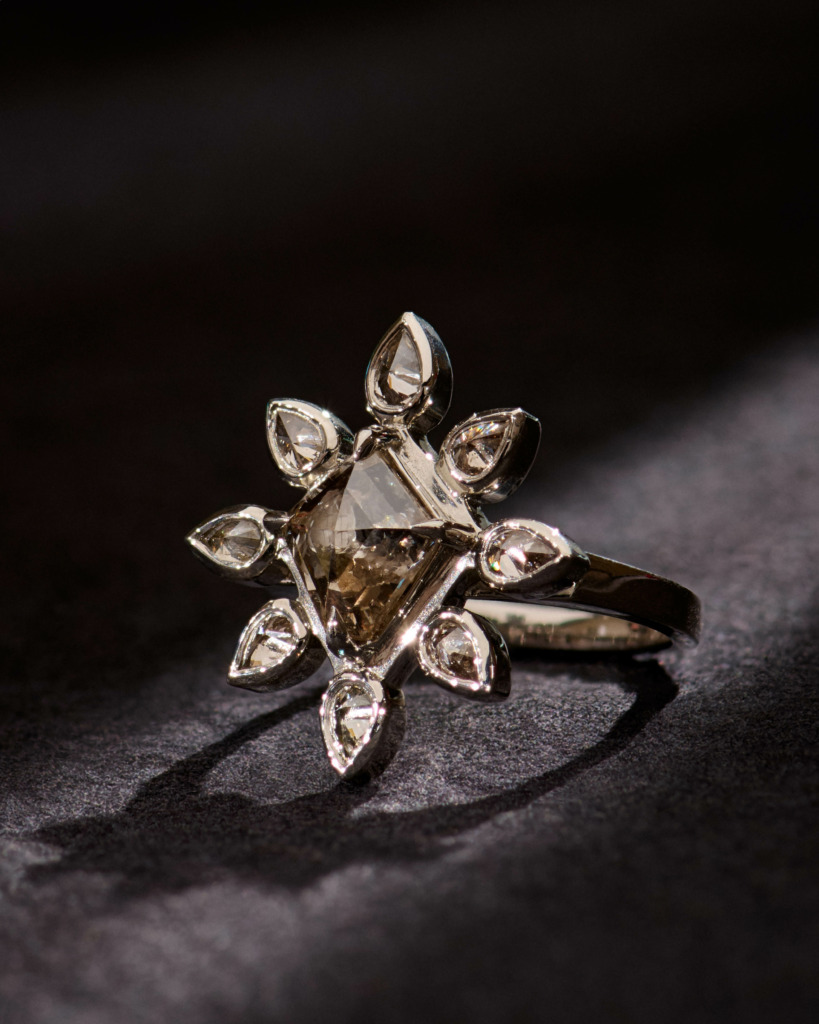
Her handmade diamond rings utilize a variety of materials, such as the polished platinum in her Salt & Pepper Diamond Snowflake Ring. This intricately formed piece features a kite diamond center with a halo of pear-shaped champagne diamonds that form the branches of the snowflake. 

Equally special in design is Lauren’s neckwear, such as the Rose Cut Diamond Necklace. The 14 karat gold is finished with a high polish to amplify the light reflected by the salt and pepper diamonds in the pendant. Lauren artfully houses the jewels with bezel prongs allowing for the dramatic contrast between the unique gems and the brightness of the gold.

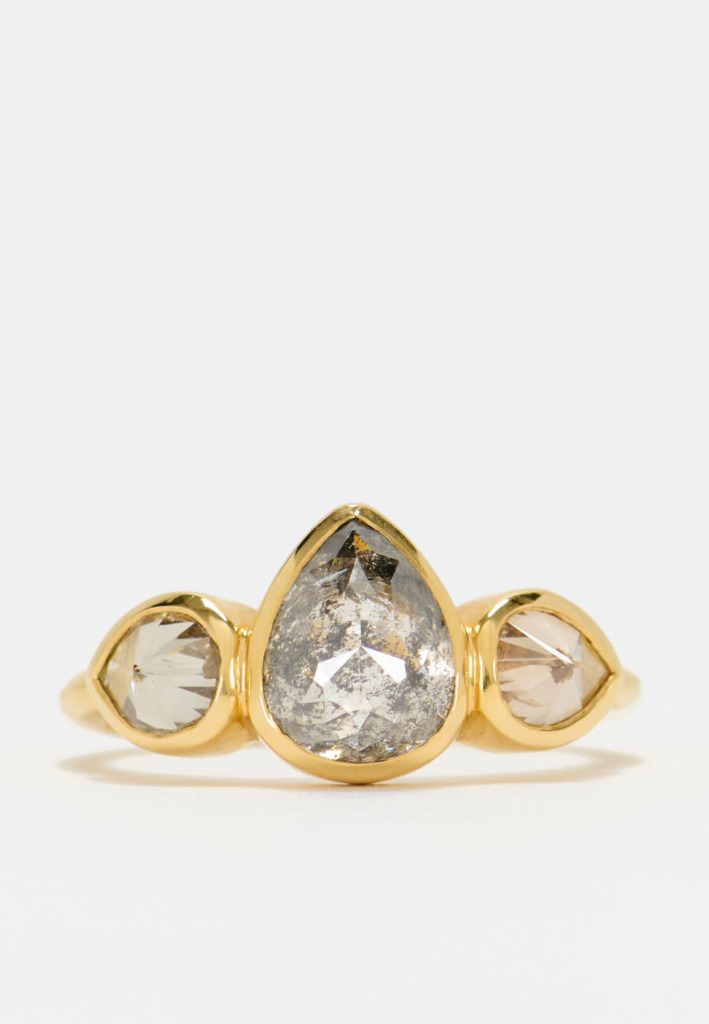
Evoking a similar contrast is her Rose Cut Pear Diamond Ring which utilizes a bright 18 karat gold band to emphasize the beauty of the gemstones used in this ring. The two inverted brilliant-cut champagne diamonds on the outside edges contrast the dappled pattern of the salt and pepper diamond in the center. 

Together these pieces are a testament to Lauren’s skill in jewelry metalworking and eye for unique gemstones. Her rich and experienced past has helped to incorporate natural shapes and forms in an unmistakable signature. Lauren’s artisanal fine jewelry is also wildly versatile, serving just as well as an edgy engagement ring as an eye-catching embellishment on an everyday outfit.

Creating Artifacts, Monies

How Monies incorporates natural forms and creative disorder into their handmade jewelry.

Bold in form, innovative in material and sensational in scale, Danish boutique Monies creates jewelry with an emphasis on globally sourced materials. Featuring organic shapes and memorable mediums, the brand incorporates the natural beauty in every piece produced in their Copenhagen studio.

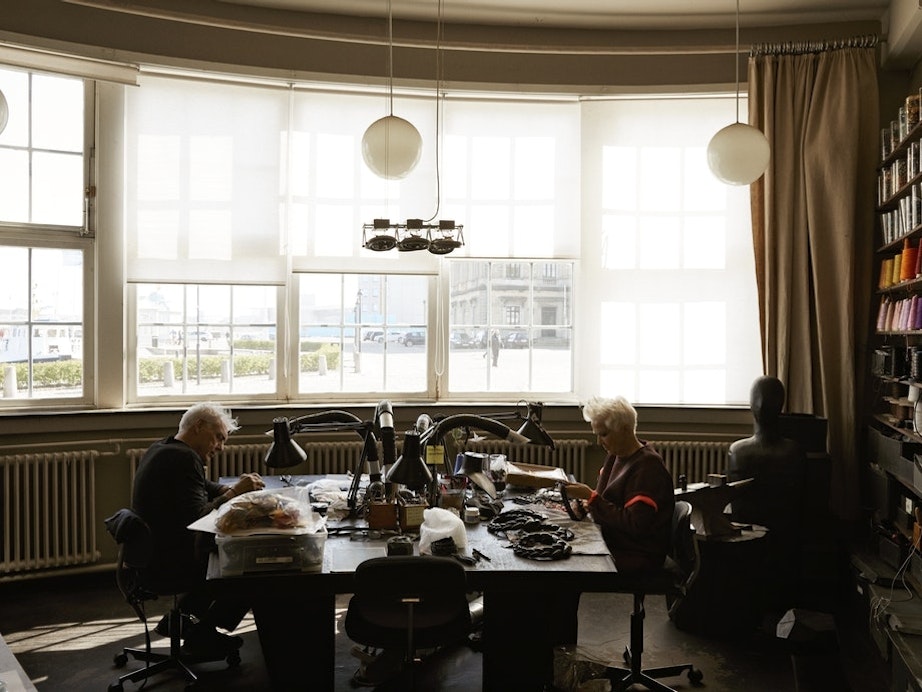
The Monies workshop is a tactile playground. Boxes of amber and pearls lie scattered around mock-ups of necklaces consisting of large shards of crystal and granite. Workers float between tables, feeling each stone in order to intuit the material’s size and texture, building a mental blueprint of a potential necklace or bracelet. Discussions abound over how to transform a slab of quartz into a pendant or most efficiently string pieces of tourmaline.

The world-renowned jewelry workshop is the product of Danish couple Gerda and Nikolai Monies whose classical training as goldsmiths and love for unconventional materials led them to explore the boundaries of form and size within jewelry. Since its inception in 1973, Monies has come to define avant-garde bijouterie and attracted countless admirers, including the couple’s sons, Karl and Niels, who promise to continue the brand’s trailblazing creativity for decades to come.

Monies’ distinct jewelry owes its uniqueness to a highly specialized production process that incorporates the natural form of their materials. Whether it be gemstones, pearls, wood or fossils, all of the brand’s rich materials pass through a bespoke assembly process which enhances the natural beauty of each piece while preserving its character. Monies incorporates both cutting edge technologies as well as hand crafted techniques to mold material into complex pieces.

While at first glance the stones and shells that make up Monies jewelry may seem chaotic and rough, it is this natural aesthetic that the studio strives to create. This organic collection of materials and shapes is painstakingly designed to evoke a sort of “perfect chaos.” Creative Director, Karl Monies looks to source materials with irregularities, and those that aren’t “manipulated or shaped by hands in any way.”

Each Monies piece tells a unique story, framed by the natural processes that create its elements. A necklace might contain a 12 million year-old geode from South America, a 40 million year-old piece of Eastern European amber, a prehistoric shark tooth or a 100,000 year-old mammoth tusk. Their origins demand recognition and perspective, and Monies reminds us that while humans come and go, their jewelry is as timeless as the material from which it comes.

The Classical Italian Shoe Reimagined, Officine Creative

Officine Creative has spent the better part of six decades adapting Italy’s rich history of shoemaking.

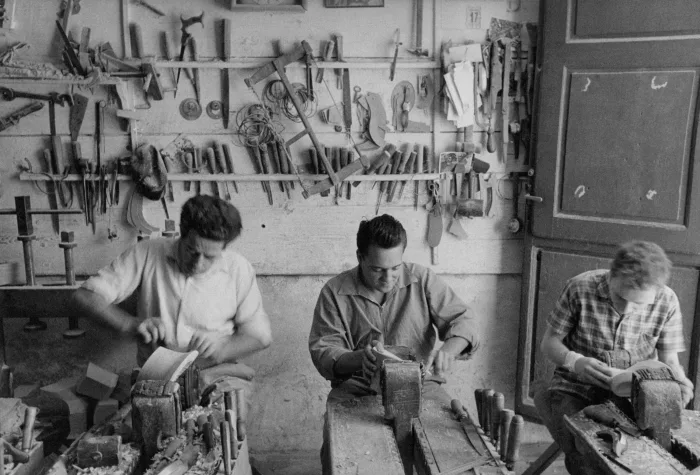
The Marche region of Italy holds a storied history of shoemaking dating back to as early as the fifteenth century. Leather working began with local craftspeople making “chiochiere,” a type of heelless slippers. Initially this was done for local customers, before drawing the attention of Italians living in the Papal States and the Kingdom of Naples. The capabilities of the area’s artisans were expanded with the introduction of the treadle sewing machine in the late nineteenth century, which allowed for the widespread inclusion of female labor in production. The region’s renowned craftsmanship resulted in the establishment of a regional shoemakers’ guild which continues to uphold local standards today.

In 1968, Officine Creative began in the small town of Montegranaro near Italy’s west coast. Nazzareno di Rosa’s shoemaking laboratory drew on centuries of Italian footwear techniques from the surrounding Fermo province and Marche region. Today, the brand continues to incorporate ancestral techniques and traditions, perfecting generations of leather craftsmanship.

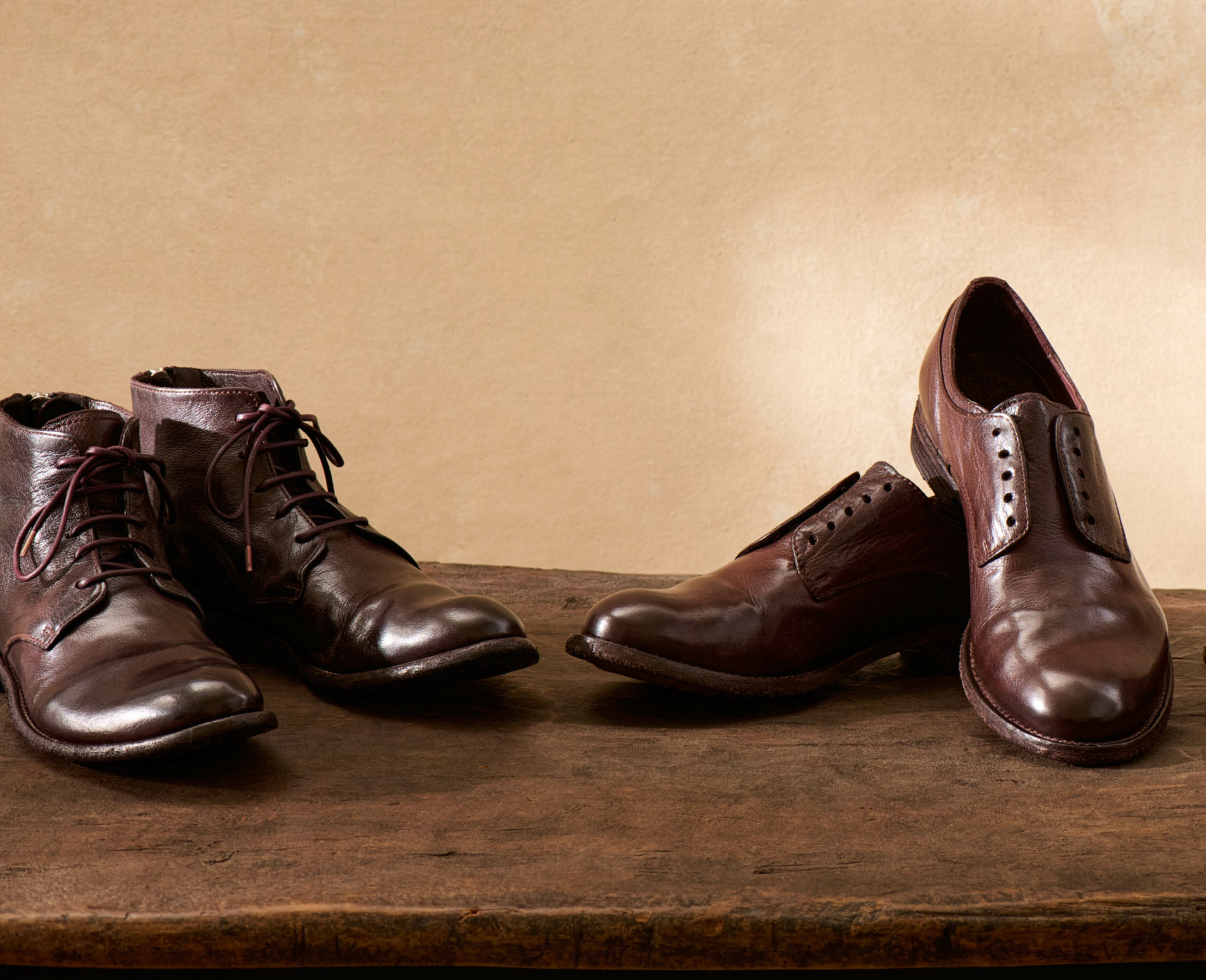
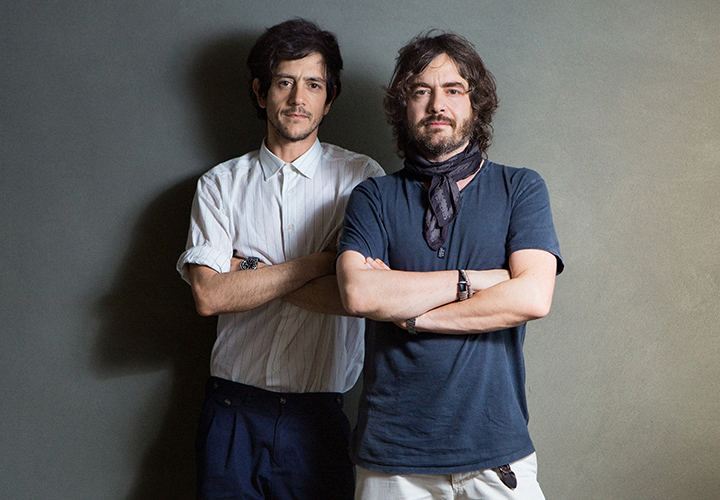
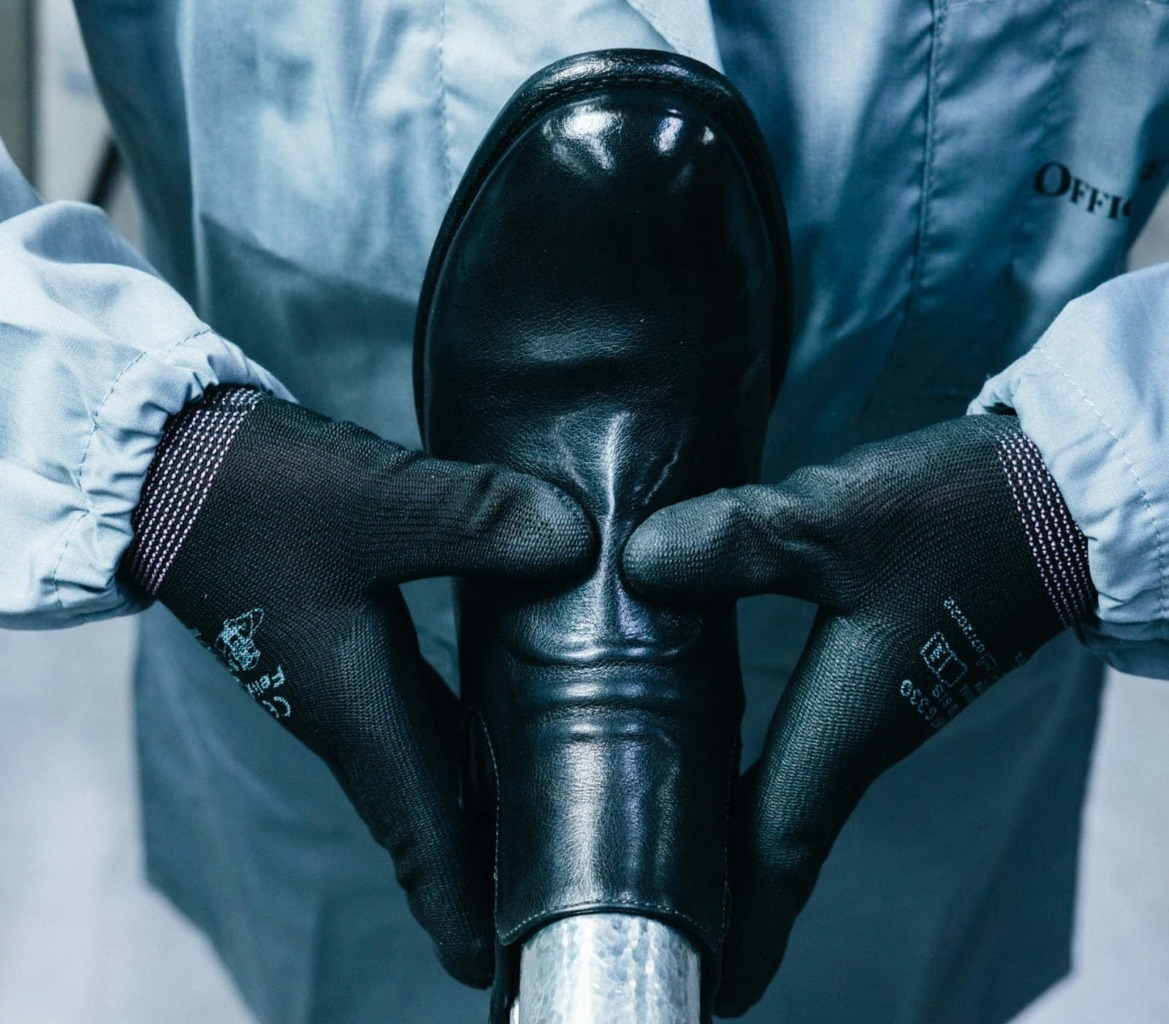
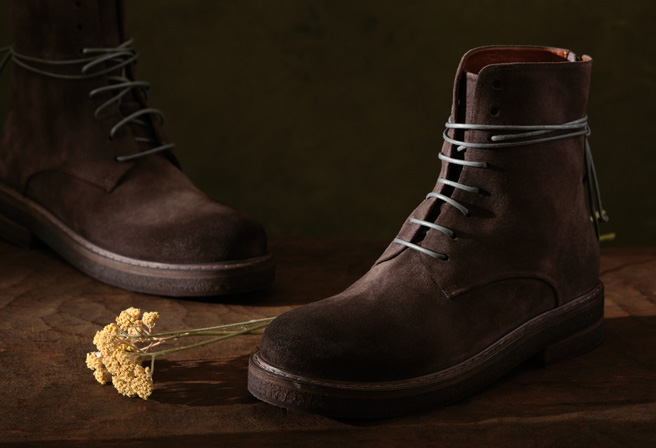
Nazzereno’s fifty-seven years of experience in luxury footwear has paved the way for his sons, Roberto and Luca, to add a more contemporary touch to the local Montegranaro methods. The two brothers run the internationally renowned Calzaturificio Duca del Nord shoe factory in the medieval town where their father began his journey. Famous for its pioneering techniques such as washing, burning and object dyeing leather goods, Officine Creative pushes the limits of leatherworking using one hundred processes to achieve a unique product which personifies individuality, care and style. This continued innovation in Italian footwear is overseen by a knowledgeable collective within the brand’s own workshop to ensure that creative development continues to live up to the company’s standards.

Though Officine’s roots are in the men’s footwear trade native to Montegranaro, its women’s footwear has overtaken the male products in popularity. A combination of traditional Marche techniques mixed with novelties such as natural latex soles, allows Officine shoes to stay relevant and fresh, blending the techniques of old with the technology of new.

This philosophy of tradition and innovation is central to the Officine’s remarkable journey. The Montegranaro shoemakers describe the creation of their brand in the 90s coming at a time when fashion was “saturated with unadventurous products with little or no self-identity.” In order to transcend the trends set by their peers, Officine adds a distinctive creative flair to their traditional workmanship in an ideology they refer to as “lateral thinking.” This ensures that each piece produced in Calzaturificio Duca del Nord has a unique identity that both honors the history of Marche shoemaking, while providing contemporary comfort and unmistakable identity.